
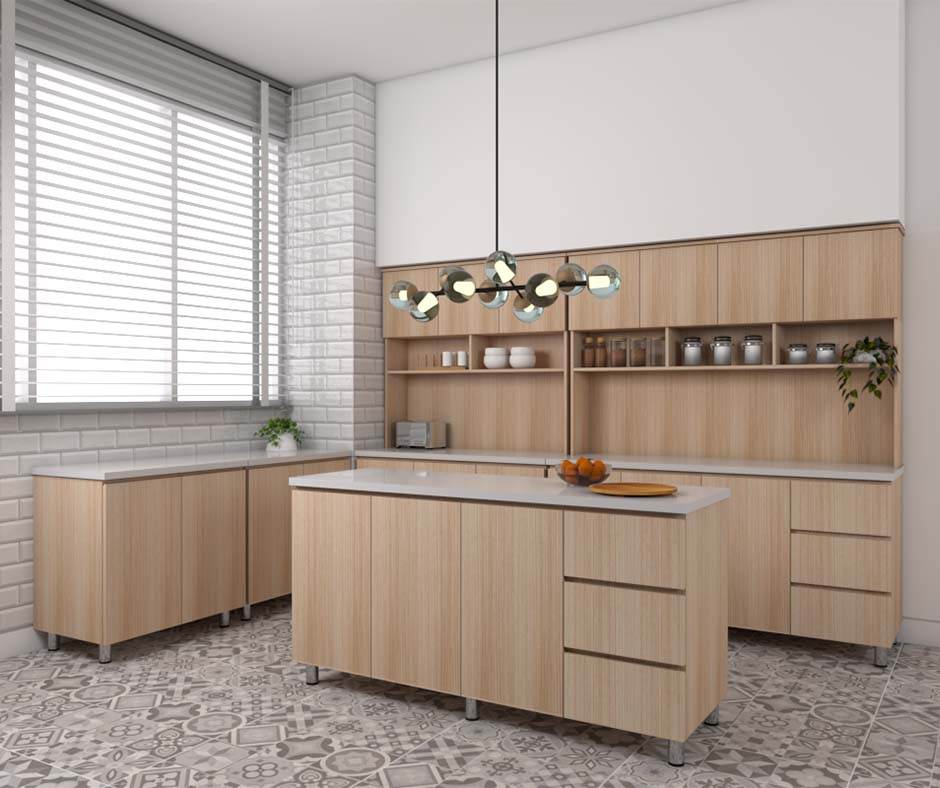
The Ultimate Guide to the Best kitchen cabinet in Canada
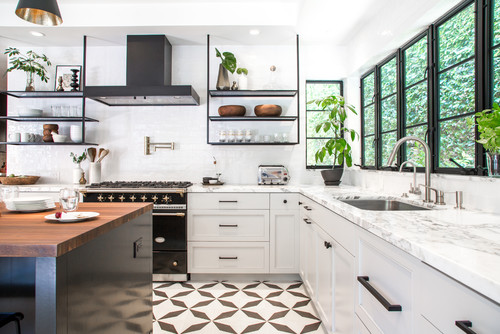
Upgrading your home in Canada requires careful planning. A new kitchen cabinet can completely transform your living space. Canadian homeowners know that selecting the right storage solutions adds immense value to any property. According to 2026 real estate reports, homes with updated cabinetry see an average return on investment (ROI) of up to 82% during resale.
When planning a renovation, finding a reliable kitchen cabinet is essential. You want a design that withstands the unique Canadian climate. From coast to coast, modern kitchen units offer superior functionality and style, reducing daily meal prep time by an estimated 15% due to improved ergonomics.
This guide will help you find the perfect kitchen cabinet for your home. We will explore various options including a premade kitchen cabinet to suit your specific budget. Every kitchen cabinet project deserves the highest quality materials available.
The kitchen is the undisputed heart of the modern Canadian home. It is where families gather on cold winter mornings and where friends celebrate during summer evenings. Because this space endures such heavy daily traffic, your chosen kitchen cabinet must be more than just visually appealing. It must be a structural powerhouse capable of holding heavy cookware while resisting moisture, heat, and constant physical interaction.
Navigating the vast market of home improvement can feel overwhelming. Homeowners are bombarded with terminology regarding wood species, box construction, and hardware mechanisms. Understanding the anatomy of a premium kitchen cabinet empowers you to make informed financial decisions. By breaking down each component, you can confidently invest in a renovation that will serve your household flawlessly for decades to come.
1. What Are the Most Durable Materials for a kitchen cabinet?
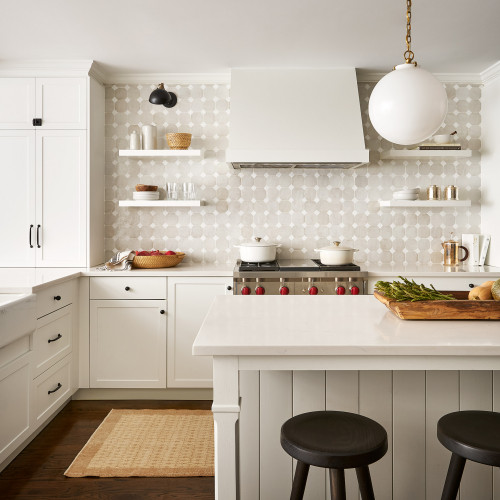
Quick Answer As of 2026, industry data reveals that 78% of top-tier Canadian renovations utilize marine-grade plywood core boxes combined with solid maple or oak doors due to their superior resistance to our extreme temperature and humidity fluctuations.
Canadian winters can be incredibly dry, while summers are often humid. Your chosen kitchen cabinet must endure these extreme seasonal shifts without warping. Solid wood and high-quality plywood are excellent choices for lasting durability. Studies indicate that poor material choice accounts for 40% of early structural failures in residential renovations.
Many homeowners look for a low price kitchen cabinet when upgrading their cupboards. However, investing in a sturdy kitchen cabinet prevents costly future repairs. Balancing upfront costs with long-term reliability is the smartest approach for Canadian families looking to maximize their 15-to-20-year home improvement lifespan.
The Supremacy of Plywood Core Construction
When assessing the internal structure of a kitchen cabinet, furniture-grade plywood remains the undisputed champion. Unlike particleboard, which can swell and crumble when exposed to plumbing leaks, plywood features cross-laminated wood veneers. This engineering technique provides immense structural rigidity. A plywood kitchen cabinet will effortlessly bear the weight of thick quartz countertops and heavy cast-iron cookware without buckling.
Furthermore, plywood offers superior screw-holding capacity. This means that heavy door hinges and complex pull-out drawer glides remain firmly anchored inside your kitchen cabinet over decades of use. While a plywood core requires a slightly higher initial investment, it prevents catastrophic cabinet failure, saving Canadian homeowners thousands of dollars in premature replacement costs.
Why Solid Hardwood Face Frames Matter
The face frame is the skeleton attached to the front of your kitchen cabinet box. In premium cabinetry, this frame is constructed from solid hardwoods such as maple, oak, or birch. Solid wood provides an incredibly dense foundation for mounting hinges. Every time you open or close a kitchen cabinet door, stress is transferred to this frame; solid hardwood absorbs this stress effortlessly.
Maple is particularly favored in the Canadian market for a painted kitchen cabinet. Its incredibly smooth grain prevents the natural texture of the wood from bleeding through the paint, resulting in a flawless, glass-like finish. Choosing solid hardwood for your face frames and doors guarantees a luxurious tactile experience that budget materials simply cannot replicate.
2. What Are the Latest 2026 Trends for Every kitchen cabinet?
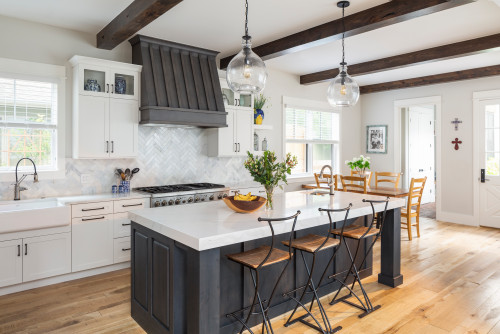
Quick Answer Current 2026 design metrics indicate a massive 65% market increase in frameless, flat-panel designs paired with ultra-matte, scratch-resistant finishes, prioritizing a seamless aesthetic and exceptionally low daily maintenance.
Canadian kitchen trends currently favor sleek, minimalist designs. A frameless kitchen cabinet provides a seamless look that fits perfectly in urban condos. These modern built-in cabinets maximize interior space by up to 10% compared to framed counterparts while maintaining a clean aesthetic. For those living in high-rise condos with challenging access, choosing a flat pack kitchen cabinet provides a practical, easy-to-transport solution that does not sacrifice structural integrity.
The Rise of Two-Tone Cabinetry
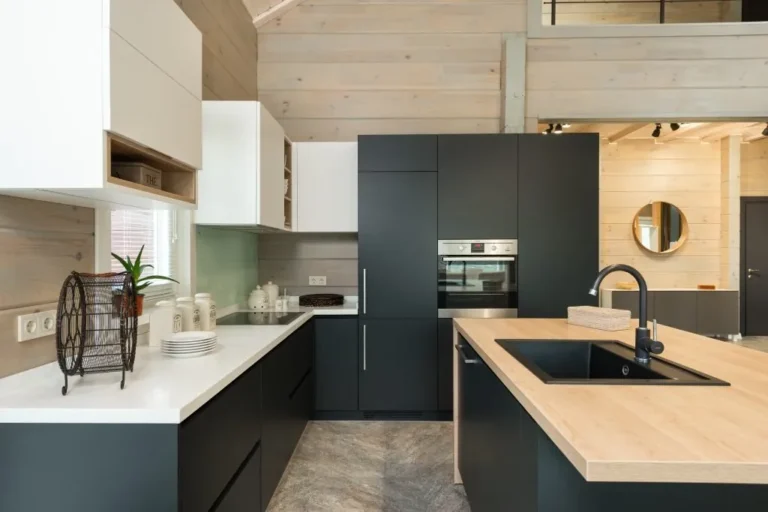
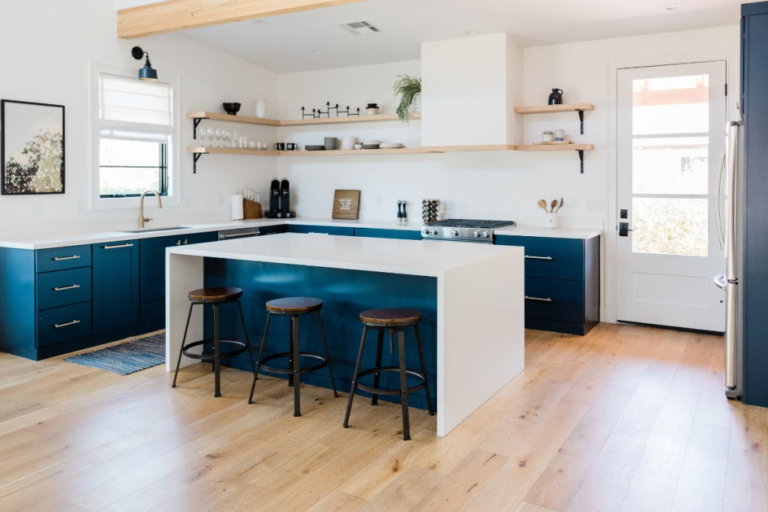
A major stylistic shift sweeping across Canadian homes is the two-tone kitchen cabinet trend. Designers are moving away from monochromatic rooms, choosing instead to ground the space with dark, moody base units while keeping the upper wall units bright and airy. A deep charcoal or forest green lower kitchen cabinet beautifully anchors the room, hiding scuffs and everyday wear.
Contrasting this with a crisp white or natural wood upper kitchen cabinet creates a stunning visual balance. This technique also gives the illusion of higher ceilings, a highly desired effect in older homes. The two-tone approach allows homeowners to inject bold personality into their living space without overwhelming the overall aesthetic.
Integrating Natural Wood Elements
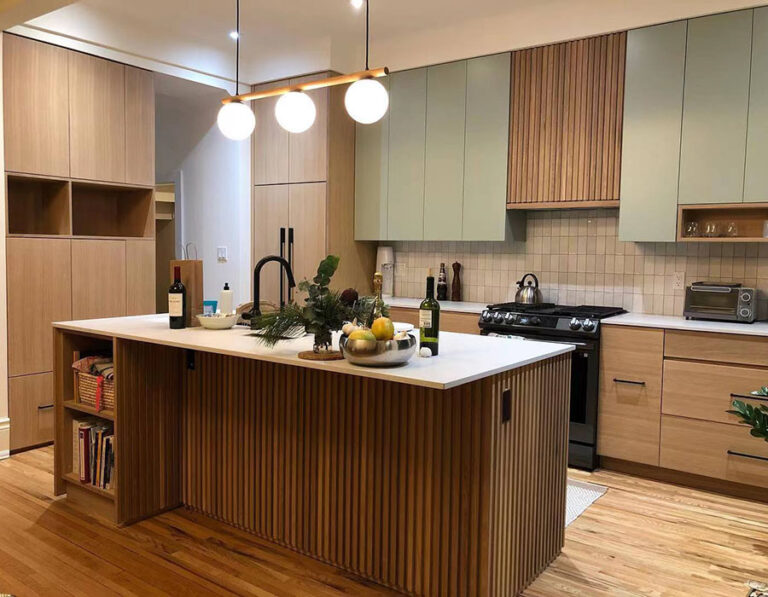
While painted surfaces remain incredibly popular, there is a massive resurgence in showcasing natural wood grains. A rift-sawn oak or rich walnut kitchen cabinet introduces organic warmth into sterile modern environments. Homeowners are increasingly blending painted perimeter cabinets with a large, natural wood central island.
This biophilic design approach connects the indoor environment with the natural world outside. When finishing a natural wood kitchen cabinet, matte clear coats are preferred over high-gloss lacquers. A matte finish protects the timber from moisture and UV fading while preserving the authentic, raw texture of the wood, resulting in a highly sophisticated and timeless aesthetic.
3. Finding the Top Source for Your kitchen cabinet
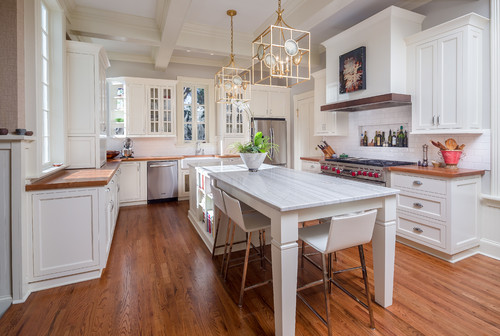
Sourcing locally in Canada ensures faster delivery and better customer support, cutting average wait times from 12 weeks to just 3 to 4 weeks. Working with reputable kitchen suppliers guarantees you receive high-quality materials. They can help you select the ideal kitchen cabinet for your specific layout.
Finding a dedicated kitchen cabinet supplier ensures your materials meet the rigorous demands of daily family life. Another excellent option is a ready-to-assemble kitchen cabinet, which reduces shipping costs significantly, often saving buyers between 20% and 40%. This method allows Canadian homeowners to afford a premium kitchen cabinet without the premium labor fees.
Evaluating Warranty and After-Sales Support
A reliable kitchen cabinet should always be backed by a comprehensive warranty. When vetting suppliers, carefully read the fine print regarding coverage for moving parts, such as hinges and drawer glides. The industry standard for premium hardware is a lifetime performance guarantee. If a supplier only offers a one-year warranty on their kitchen cabinet, it is often a major red flag indicating inferior construction.
Furthermore, assess the supplier’s after-sales support system. During a complex installation, you may realize you need an extra piece of crown molding or a replacement touch-up kit. A local Canadian supplier can dispatch these necessary items rapidly, keeping your contractor on schedule. Excellent customer service turns a stressful renovation into a smooth, highly rewarding experience.
The Benefit of 3D Kitchen Design Services
Visualizing a new space from a flat blueprint can be incredibly difficult. The best suppliers offer advanced 3D rendering services to help you perfectly plan your kitchen cabinet layout. By inputting your exact room dimensions into specialized software, designers can create a photorealistic mockup of your future culinary space.
This digital sandbox allows you to experiment with different island sizes, door styles, and colors before making any final purchasing decisions. You can physically see how a specific kitchen cabinet will interact with your windows and doorways. Utilizing 3D design services eliminates costly sizing errors and ensures your final installation matches your unique aesthetic vision perfectly.
4. Why Should You Hire Local Professionals for Your Cabinet Project?
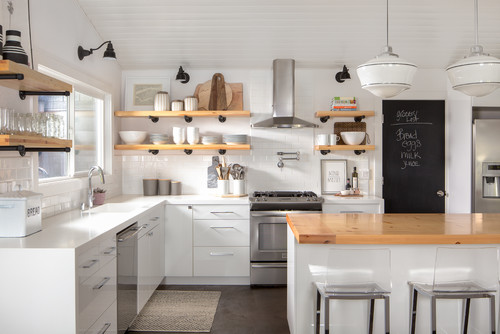
Quick Answer Working with expert kitchen designers and local cabinet makers ensures your kitchen renovation is completed efficiently, giving you access to premium customized cabinets and comprehensive cabinet services tailored perfectly to your home’s dimensions.
When undertaking a complete kitchen renovation, finding the right professionals is just as important as selecting the physical materials. Expert kitchen designers can help you maximize your floor plan and workflow, ensuring that your new kitchen cabinets provide both breathtaking beauty and ultimate daily functionality.
If you are actively looking for high-quality kitchen cabinet Mississauga professionals recommend, working directly with local cabinet makers offers a massive logistical advantage. These regional specialists provide comprehensive cabinet services, ranging from initial 3D spatial modeling to structural reinforcements and the final precision installation.
Avoiding Costly Measurement Errors
The most critical phase of any renovation is the initial physical measurement of the architectural space. A miscalculation of even a quarter-inch can completely derail the installation. If a kitchen cabinet is ordered slightly too wide, it may prevent your refrigerator doors from opening fully. Professional installers utilize highly accurate digital laser tools to map the room perfectly.
These experts account for uneven floors, bowed drywall, and the precise locations of all plumbing and electrical supply lines. By trusting a professional to measure your space, you eliminate the risk of ordering an incompatible kitchen cabinet. This meticulous attention to detail ensures a seamless, frustration-free installation process from day one.
Coordinating Multiple Trades
Installing a new kitchen cabinet layout rarely happens in isolation. The project requires seamless coordination between plumbers, electricians, flooring specialists, and countertop fabricators. A professional general contractor orchestrates this complex ballet, ensuring that electrical outlets are perfectly positioned before the upper wall cabinets are mounted.
Furthermore, contractors understand exactly when the kitchen cabinet base units must be leveled to allow the stone template technicians to complete their work. Attempting to manage these overlapping schedules yourself can lead to massive delays and costly rework. Local professionals bring established networks of reliable tradespeople, keeping your renovation moving swiftly and efficiently.
5. Installing and Maximizing Space Inside Your kitchen cabinet
Proper installation is crucial for the longevity of your kitchen cupboards. Securing the base units is the first major step. Every base kitchen cabinet must be anchored directly into the wall studs using 2.5-inch to 3-inch cabinet screws for maximum safety. This prevents heavy stone countertops from causing structural failure over time.
An organized culinary space makes cooking incredibly enjoyable. Upgrading the interior of your kitchen cabinet with full-extension pull-out drawers changes everything. Corner areas are notoriously difficult to utilize effectively. Installing a lazy susan inside a corner kitchen cabinet eliminates dead space completely, reclaiming up to 4 cubic feet of wasted space.
The Magic of Drawer Bases
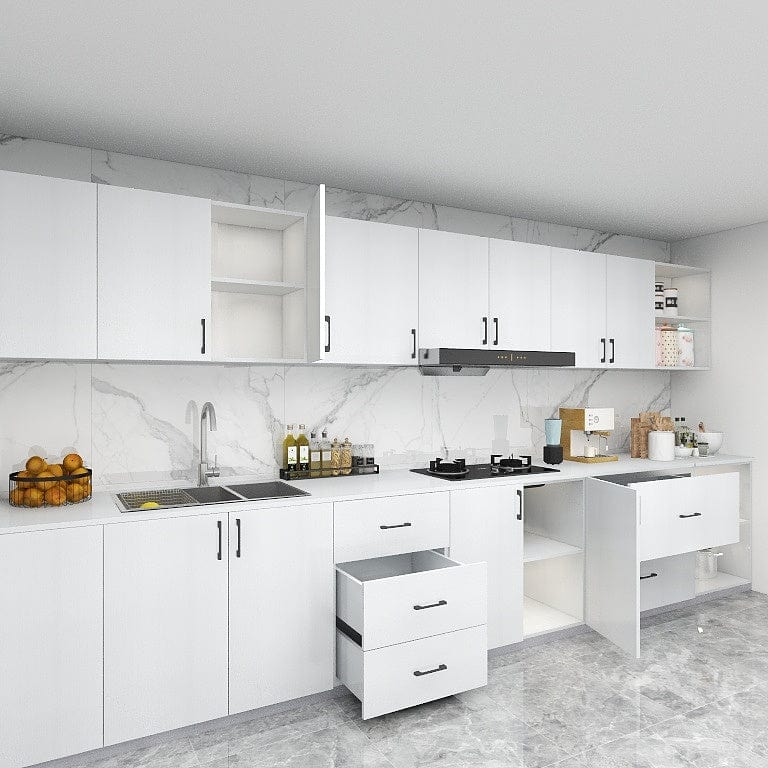
Historically, base units consisted of a single top drawer with a cavernous cabinet beneath, requiring you to kneel and dig for heavy pots. Modern ergonomic design replaces these standard units with deep, three-drawer banks. A large drawer kitchen cabinet brings the contents out to you, providing instant, top-down visibility of all your cookware.
Equipped with heavy-duty undermount glides, these wide drawers can comfortably support the weight of cast iron skillets and heavy ceramic baking dishes. Incorporating multiple drawer bases into your kitchen cabinet layout is the single most effective way to eliminate physical strain and create a highly functional, highly accessible cooking environment.
Customizing Tall Pantry Units
A dedicated floor-to-ceiling pantry is a game-changer for active families. By designating a tall kitchen cabinet specifically for dry goods, you free up massive amounts of space elsewhere in the room. The key to an effective pantry is internal customization. Rather than relying on static wooden shelves, install independent roll-out trays.
These sliding trays allow you to retrieve small jars and boxes from the very back of the deep kitchen cabinet without knocking over items in the front. Adding clear acrylic bins and specialized door-mounted spice racks transforms a standard tall unit into a hyper-efficient grocery command center, minimizing food waste and streamlining meal preparation.
6. Mastering Kitchen Cabinet Hardware Choices
Hardware is frequently described as the jewelry of the kitchen. While small in physical size, knobs and pulls dictate the overall tactile experience of your room. Selecting the right decorative hardware for your kitchen cabinet is a crucial design step that bridges the gap between raw functionality and polished aesthetic elegance.
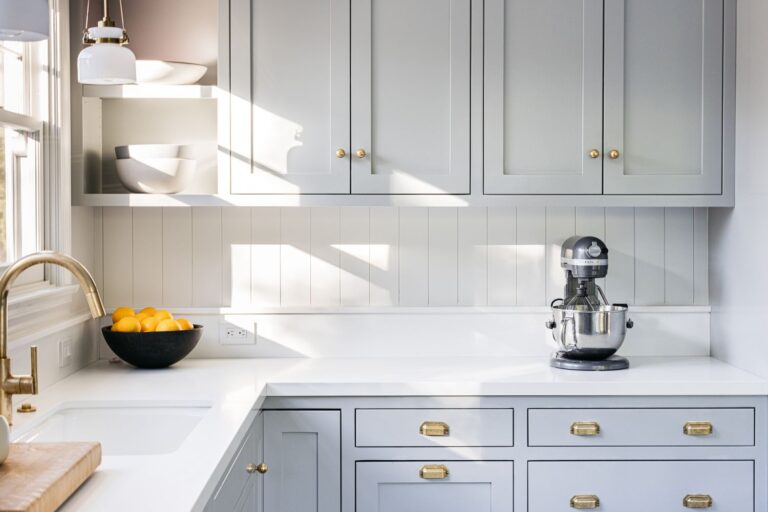
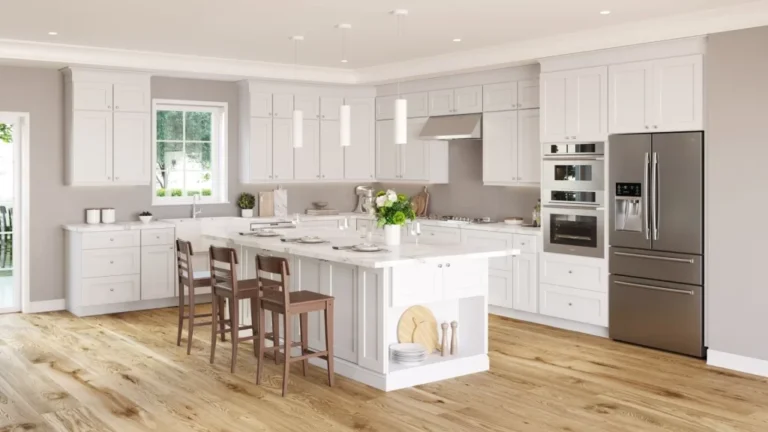
A beautiful kitchen cabinet deserves equally impressive hardware. Today, Canadian homeowners are shifting toward warmer metallic tones. Brushed brass and champagne bronze provide a subtle, luxurious glow that pairs exceptionally well with dark blue or rich green doors. Conversely, matte black linear pulls offer a stark, industrial contrast against a pure white shaker kitchen cabinet.
The Necessity of Soft-Close Mechanisms
Beyond external aesthetics, internal mechanical hardware is paramount. Every modern kitchen cabinet should come standard with six-way adjustable, concealed steel hinges featuring integrated soft-close dampening cylinders. These brilliant mechanisms ensure that doors close silently and smoothly, completely eliminating the jarring sound of slamming wood in your home.
Soft-close hardware is not merely a luxury; it is a vital protective feature. By preventing harsh impacts, these dampeners protect the structural integrity of the kitchen cabinet joints over time. They also provide significant safety benefits for households with small children, gently slowing the door to prevent pinched fingers during chaotic daily routines.
Mixing and Matching Pulls and Knobs
A common dilemma during design is choosing between knobs or pulls. For a highly balanced aesthetic, expert designers often recommend utilizing both. A popular strategy is to install elegant knobs on every upper wall kitchen cabinet while utilizing sturdy, elongated bar pulls on all heavy lower drawers. This approach provides optimal ergonomic leverage where you need it most.
When mixing hardware types, ensure that the metal finishes match perfectly. Even slight variations in a brushed nickel finish can disrupt the cohesive look of the room. By thoughtfully combining shapes and sizes, you elevate the custom appearance of your kitchen cabinet installation without breaking your renovation budget.
7. Budgeting Effectively for Your Cabinet Project
Understanding the financial breakdown of a remodel is essential for success. Cabinetry is typically the largest single expense in any kitchen renovation, often accounting for 30% to 40% of the total budget. Establishing a clear financial limit before browsing for a kitchen cabinet prevents emotional overspending and keeps the project grounded in reality.
Pricing varies wildly based on construction methods and material quality. Fully custom, bespoke builds command absolute premium prices. However, modern ready-to-assemble systems offer a brilliant middle ground. By choosing an RTA kitchen cabinet, you secure robust plywood construction and solid wood doors at a fraction of the cost, as you bypass expensive factory assembly labor.
Identifying Hidden Installation Costs
When calculating your budget, do not focus solely on the physical boxes. Professional installation labor represents a significant portion of the total cost. A skilled carpenter ensures your kitchen cabinet run is perfectly level and securely anchored. Additionally, intricate molding work, such as ceiling-height crown and decorative light valances, requires expert cutting and fitting.
Always request a comprehensive, itemized quote from your installer. Ensure the estimate includes the cost of demolition, waste disposal, and necessary structural reinforcements behind the drywall. Planning for these supplementary expenses guarantees you have the funds required to cross the finish line and enjoy your beautiful new kitchen cabinet layout.
Maximizing Your Real Estate ROI
A kitchen renovation is widely considered the smartest financial upgrade a homeowner can execute. Prospective buyers prioritize the culinary space above all other rooms. Installing a fresh, modern kitchen cabinet layout signals to buyers that the home is move-in ready and meticulously maintained. High-quality storage directly correlates to higher appraisal values and faster sale times.
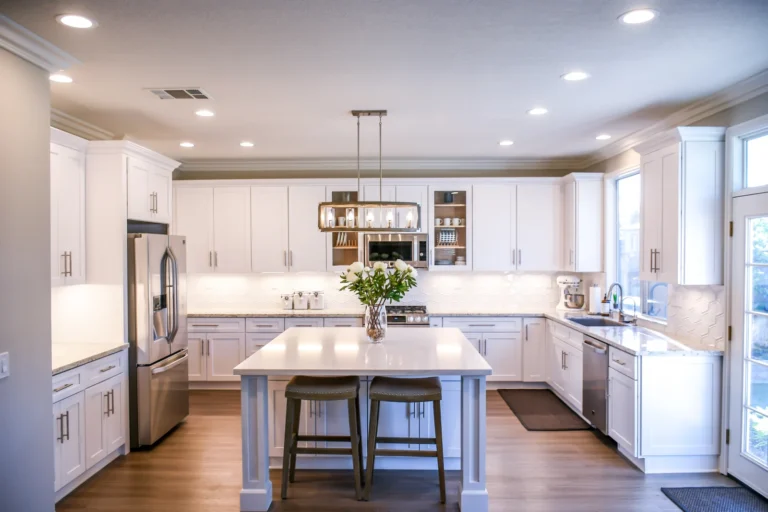
To maximize your return on investment, avoid hyper-personalized, ultra-trendy colors that may quickly become dated. A classic white shaker kitchen cabinet possesses universal, timeless appeal that attracts the broadest spectrum of potential buyers. By prioritizing structural quality and classic design, your renovation becomes a highly lucrative financial asset for your family’s future.
8. The Importance of Proper Lighting Integration
A beautifully crafted room falls flat if it is shrouded in darkness. Proper lighting integration is the secret ingredient to a spectacular renovation. When designing your layout, you must consider how light interacts with every single kitchen cabinet surface. Layered lighting transforms the atmosphere from strictly utilitarian to profoundly inviting and luxurious.
Standard ceiling fixtures cast shadows directly onto your countertops when you stand at the prep station. Overcoming this requires dedicated task lighting. Modern designs incorporate ultra-thin LED light strips hidden securely behind a slight decorative valance beneath the upper kitchen cabinet. This floods your stone surfaces with brilliant, shadow-free illumination, making precise knife work incredibly safe and easy.
Showcasing Glass-Front Cabinetry
If your design includes a glass-front kitchen cabinet to display fine china or crystal glassware, interior illumination is an absolute must. Installing small, low-heat LED puck lights in the ceiling of the cabinet box highlights the contents beautifully. Glass shelves allow this light to cascade downward, creating a stunning focal point in the room.
Interior cabinet lighting serves as elegant ambient illumination during the evening. When the harsh overhead lights are turned off, a softly glowing kitchen cabinet provides a sophisticated, relaxing atmosphere perfect for entertaining guests or enjoying a quiet cup of tea before bed. Always connect these decorative lights to a centralized dimmer switch for ultimate control.
9. Caring for Your kitchen cabinet Long Term
Maintaining your kitchen storage cabinets ensures they remain beautiful for years. Cleaning your kitchen cabinet weekly with a damp microfiber cloth prevents corrosive grease buildup. Avoid harsh chemical solvents that can strip the protective finish from your cupboards.
Regularly check the hinges and drawer glides for smooth operation. Simple, biannual Phillips-head adjustments keep your built-in cabinets functioning perfectly through every Canadian season.
Managing Humidity in the Home
Wood is a highly porous, hygroscopic material that continuously reacts to the environmental conditions within your home. In regions experiencing severe seasonal shifts, maintaining a stable indoor climate is critical. Utilize a high-capacity ventilation hood every single time you cook to extract destructive steam and vaporized grease away from your delicate kitchen cabinet finish.
Furthermore, employ central humidifiers during the arid Canadian winter months. If the indoor air becomes too dry, solid wood components can shrink, dry out, and develop severe structural fractures. By keeping your home’s relative humidity between 35% and 50%, you protect the structural integrity of every wooden kitchen cabinet in your house.
Addressing Minor Scratches and Dents
Despite your best efforts, life happens. A dropped pan or an errant utensil may eventually cause a minor blemish on your beautiful woodwork. Fortunately, a high-quality kitchen cabinet is remarkably easy to repair. Keep a manufacturer-approved touch-up marker or fill stick on hand that perfectly matches your specific paint or stain color.
For slight surface scratches, gently applying the specialized marker will instantly camouflage the damage, restoring the visual perfection of the finish. For deeper dents, a wax fill stick can be rubbed into the depression and carefully buffed smooth. Taking immediate action on minor wear and tear keeps your kitchen cabinet looking as pristine as the day it was installed.