
Ultimate Guide to Modern Kitchen Cabinets: Moisture-Resistant Options for Canadian Homes
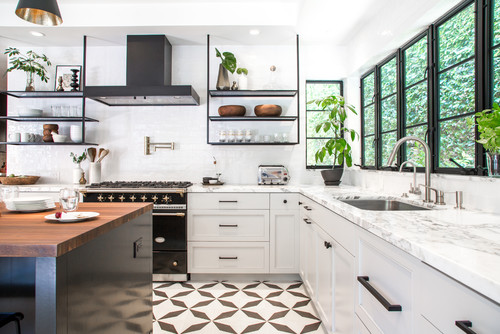
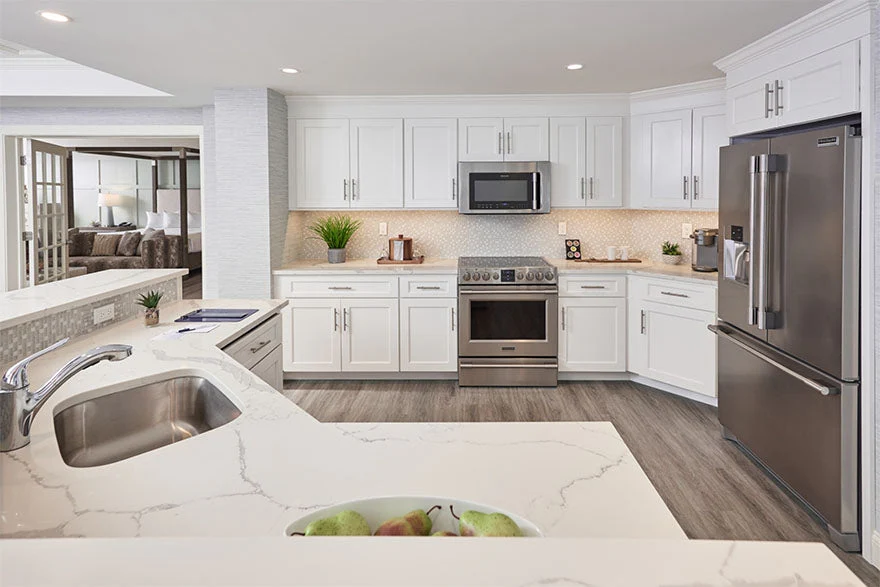
Kitchen cabinet systems serve as the undeniable core of modern Canadian home design. They offer the essential foundation for streamlined storage, elevated aesthetics, and unparalleled domestic efficiency. Top kitchen designers agree that finding the perfect balance of enduring style and robust practicality is simpler and more accessible than ever with high-value, Ready-to-Assemble (RTA) solutions.
Whether you are dealing with cramped urban condos or seeking beautiful cabinets in Mississauga for spacious suburban homes, a meticulously structured cabinet system completely transforms your living space. We will explore effective cabinet services, high-performing custom storage solutions, and the latest innovations in moisture defense to help you secure a lifetime investment.
1. Why Is Upgrading Your Kitchen Cabinet Crucial in 2026?
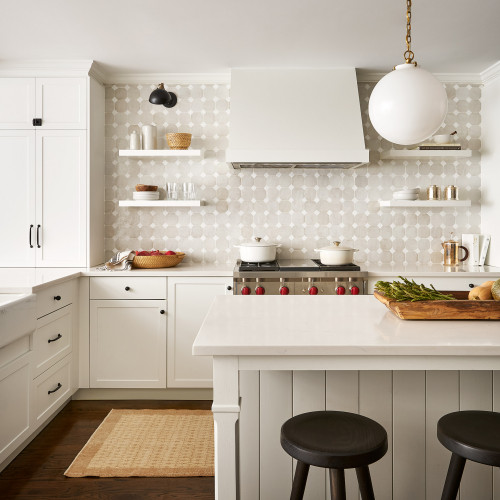
Quick Insight: A full kitchen renovation focused on high-quality kitchen cabinet upgrades typically sees a return on investment of 50-75% across Canada. Upgrading outdated layouts provides immediate solutions for cramped storage, improving daily workflow, and significantly boosting your property’s long-term market value.
A vast number of discerning Canadian homeowners discover that their existing cabinetry setup struggles to keep pace with the rigorous demands of contemporary living. Outdated modules introduce daily hurdles, resulting in perpetually cluttered countertops, frustrating disorganization, and an inefficient cooking workflow.
By integrating customized cabinets and innovative, high-density custom storage solutions—including full-extension pull-out pantries and sophisticated corner units—homeowners can maximize their effective usable space by up to 40%. Premium RTA solutions deliver designer-grade aesthetics without the exorbitant bespoke price tag, offering unparalleled flexibility to configure your ideal culinary sanctuary.
1.1. Maximizing Space with Customized Cabinets
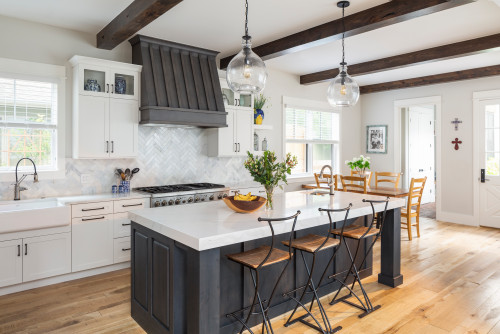
When undertaking a kitchen renovation, optimizing every square inch is paramount. Tailored cabinetry configurations allow homeowners to utilize awkward corners and high ceilings effectively. Working with experienced kitchen designers ensures that your customized cabinets not only look stunning but also serve your family’s precise organizational needs perfectly.
2. What Makes a Kitchen Cabinet Truly Moisture-Resistant?
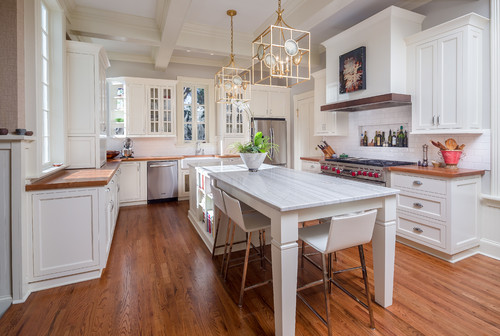
Expert Advice: For high-humidity environments and changing Canadian climates, prioritize all-plywood box construction and Grade 304 stainless steel hardware. With professional finishes and a solid plywood core, premium moisture-resistant kitchen cabinets are engineered to easily last 15 to 25+ years without structural degradation.
Selecting the perfect kitchen cabinet requires balancing superior durability with your overarching aesthetic goals, a process where the expertise of skilled cabinet makers proves invaluable. In regions prone to humidity fluctuations, moisture resistance is absolutely vital. Premium structural options utilize an all-plywood box construction instead of standard particleboard. Plywood’s cross-banded veneers and waterproof adhesives offer inherent stability, drastically reducing the risk of expansion, contraction, and joint failure.
Furthermore, the exterior doors must feature seamless, expertly sealed finishes—such as high-quality Thermofoil or Varnish. Properly sealed edges prevent moisture ingress at the seams, maintaining a smooth, non-cracking surface that is essential for long-term survival in active culinary spaces. Canada’s extreme seasonal shifts—from intensely dry, centrally-heated winter air to heavily humid summer days—require storage units engineered to expand and contract uniformly without cracking the finish.
2.1. The Anatomy of a High-Quality Kitchen Cabinet
To truly appreciate the value of a premium built-in unit, one must understand its core anatomy. The structure is generally divided into two main categories: framed and frameless (European style). Framed modules feature a solid wood face frame attached to the front of the box, providing traditional aesthetics and immense structural rigidity. Frameless versions, on the other hand, eliminate this face frame, offering a sleeker, more contemporary look and slightly more accessible interior storage space.
The most critical part of any storage framework is the carcass (the main box). High-end cabinet services utilize 5/8-inch or 3/4-inch furniture-grade plywood for the sides, bottom, and back panels. Plywood consists of thin layers of wood veneer glued together in a cross-grain pattern. This cross-graining completely neutralizing the wood’s natural tendency to warp, making the casework incredibly strong and capable of supporting heavy quartz or granite countertops without sagging.
Drawer boxes represent another vital area of inspection. The gold standard for a durable drawer system is a solid hardwood box constructed with dovetail joints. Unlike simple stapled or glued butt joints, dovetail joinery interlocks the wood pieces tightly, ensuring the drawer face will never pull away from the box, even after thousands of heavy pulls loaded with cast iron pans.
2.2. The Role of Cabinet Makers in Delivering Quality
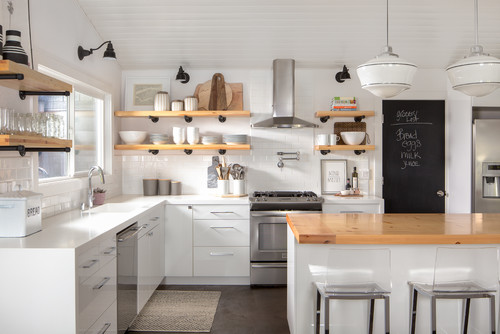
True longevity in a cabinetry system comes from the dedication of expert cabinet makers. They understand how different wood species and materials react to Canada’s changing climate. Finally, equipping your wooden cupboards with minimum Grade 304 stainless steel hinges, glides, and pulls completely prevents rust and oxidation. Upgrading to these heavy-duty mechanical components ensures your investment remains robust, whisper-quiet, and visually flawless for decades, gracefully handling the daily rigors of a bustling Canadian home.
3. Navigating Kitchen Cabinet Door Styles and Finishes
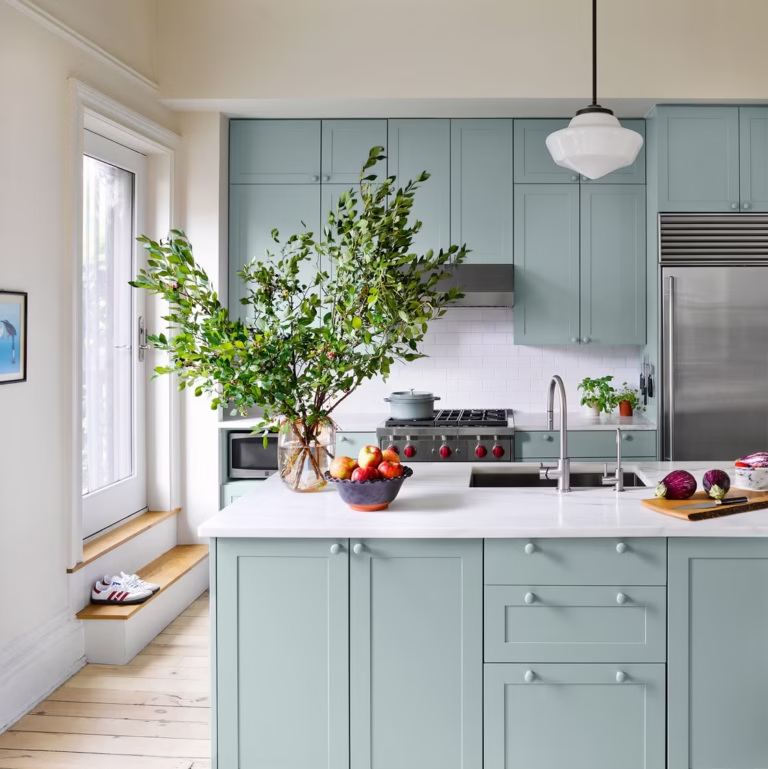
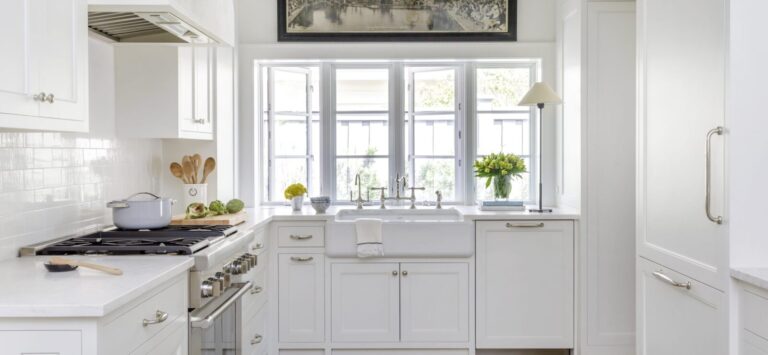
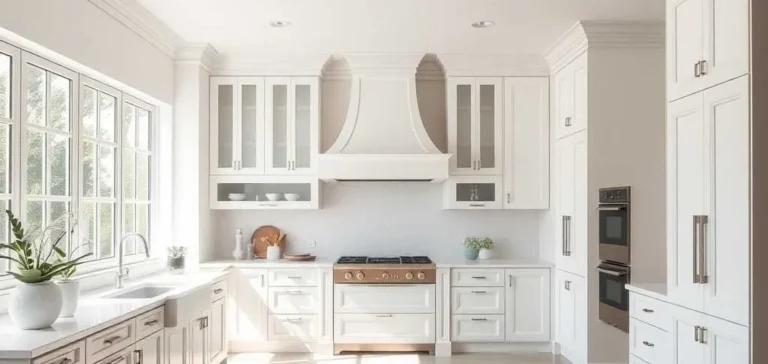
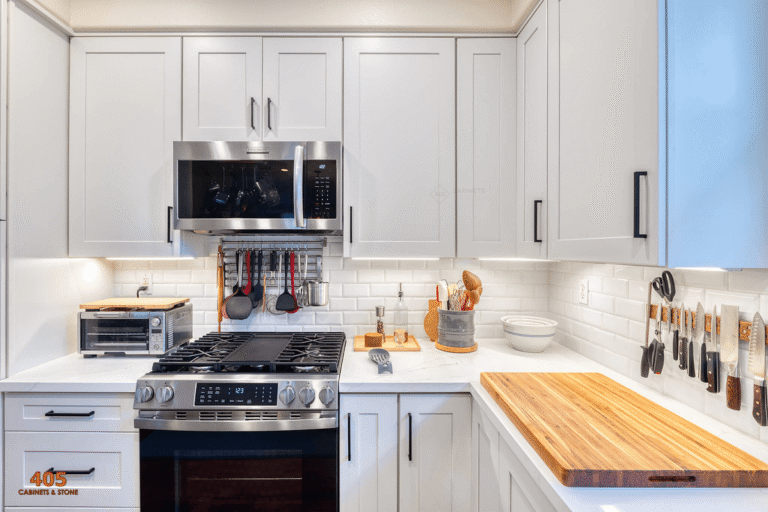
The doors are the defining visual feature of any cabinetry. Choosing the right profile is critical for anchoring the aesthetic theme of your renovation. Shaker-style doors remain the undisputed favorite among Canadian homeowners. Defined by a simple, recessed center panel and clean, straight interior and exterior edges, the Shaker profile transitions beautifully between traditional farmhouse styles and ultra-modern downtown lofts.
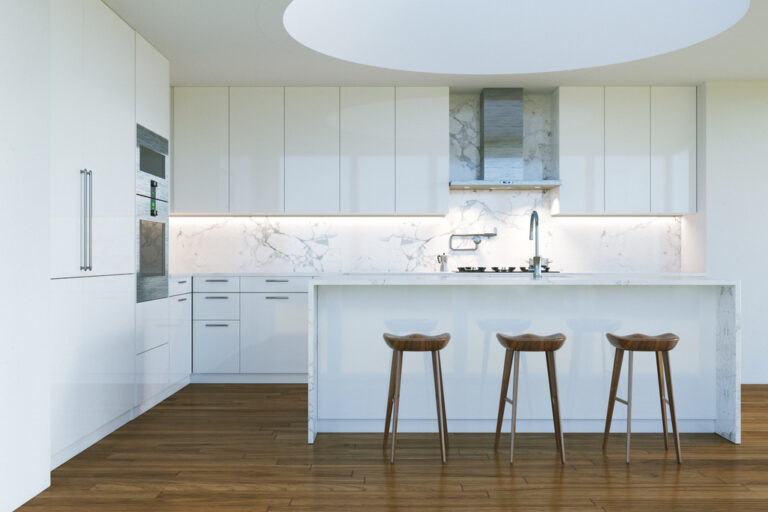
For those leaning towards a minimalist, European aesthetic, flat-panel or slab doors offer a completely unadorned surface. These are incredibly easy to wipe down and clean, making them a highly practical choice for busy households. Flat-panel cupboards often utilize high-gloss acrylics, textured wood laminates, or matte painted finishes to create striking visual interest without physical moldings.
Traditional raised-panel options feature a raised center section that provides depth, shadow, and a more formal, classic look. These are often highlighted with rich wood stains or intricate glazing techniques that draw attention to the ornate woodworking crafted by expert cabinet makers.
3.1. The Evolution of Ready-to-Assemble (RTA) Kitchen Cabinets
Historically, homeowners faced a stark choice: expensive, fully custom-built cabinetry or cheap, flimsy stock options. Today, premium RTA solutions have completely bridged this gap. An RTA unit is manufactured with the exact same high-quality plywood, solid wood doors, and premium hardware as custom lines, but it is shipped flat-packed directly to your door.
This flat-pack methodology dramatically reduces shipping and warehousing costs, savings that are directly passed on to the consumer. For homeowners in the Greater Toronto Area seeking customized cabinets on a reasonable budget, RTA storage systems offer an unparalleled value proposition. The assembly process has been radically simplified over the years, utilizing pre-drilled holes, locking cam-systems, and precision-cut joints that allow either an ambitious DIYer or a professional installer to build a rock-solid module in roughly 15 to 20 minutes per box.
4. Ergonomics and Advanced Cabinet Hardware
A beautiful cupboard is effectively useless if it does not improve your daily functional workflow. Modern cabinet services place a massive emphasis on internal ergonomics. The integration of high-end mechanical hardware transforms a static wooden box into a dynamic, highly efficient culinary tool.
Soft-Close Mechanisms: Upgrading every door with soft-close, concealed hinges and drawer glides is no longer considered a luxury; it is a fundamental requirement. These hydraulic dampeners catch the door or drawer just before it hits the frame, pulling it shut silently and gently. This not only prevents loud, jarring slams but also protects the physical integrity of the woodwork by eliminating harsh impact vibrations over time.
Full-Extension Glides: Standard drawer glides often leave the back 25% of the drawer buried inside the base unit, making it frustratingly difficult to reach items in the rear. Full-extension, undermount steel glides allow the drawer box to pull out completely past the face frame. This grants total, unhindered access to every square inch of your storage space while boasting weight capacities of up to 100 pounds per drawer.
Tall Pantry Pull-Outs: Another revolutionary addition to modern cabinetry is the tall pantry pull-out. Instead of digging through deep, stationary shelves in a traditional pantry tower, the entire internal rack system slides out toward you. This allows you to access dry goods from both sides of the pantry simultaneously, ensuring that no items are ever lost or forgotten in the back.
4.1. Conquering the Blind Corner Kitchen Cabinet
The most notoriously inefficient area in any L-shaped or U-shaped layout is the deep, dark corner where two runs of base cabinets meet. Historically, homeowners had to get on their hands and knees to dig into these cavernous spaces. Today, innovative internal hardware completely resolves this issue.
Articulated blind corner pull-outs (often called “magic corners”) consist of interlocking wire or solid-bottom baskets mounted on a complex rail system. When you open the outer door and pull, the front baskets slide out of the cabinet completely, while simultaneously pulling the hidden rear baskets smoothly into the accessible opening. Incorporating these into your customized cabinets ensures zero wasted space and absolute ergonomic comfort.
5. Strategic Layout Planning with Your Kitchen Cabinets
Before ordering a single module, precise spatial planning is mandatory. The traditional “Work Triangle” theory—which optimizes the distance between the sink, refrigerator, and stove—remains a solid foundational rule. However, modern kitchen designers increasingly focus on “Work Zones” to accommodate multi-cook households and open-concept living.
The Preparation Zone: This area requires ample countertop space and base units filled with mixing bowls, cutting boards, and knives. A dedicated trash pull-out section should be located immediately adjacent to this zone for swift disposal of food scraps.
The Cooking Zone: Centered around the range or cooktop, this zone demands heavy-duty storage. Deep, wide pot-and-pan drawers are infinitely superior to standard doors with stationary shelves, allowing you to lift heavy cast iron straight up rather than awkwardly pulling it out from the bottom. Slender pull-outs flanking the stove keep essential flavorings instantly at hand.
The Cleaning Zone: The sink base sits at the core of this zone, accompanied closely by the dishwasher. Utilizing waterproof mats inside the sink base is a smart protective measure against minor plumbing drips, ensuring the longevity of the plywood floor.
5.1. Illuminating Your Kitchen Cabinets: Integrated Lighting Solutions
A truly modern kitchen design extends beyond the physical woodworking and hardware. Proper lighting integration can dramatically elevate the visual impact and functionality of your workspace. Relying solely on overhead ceiling fixtures often casts dark shadows directly over your primary countertop workspaces, making food preparation difficult and hiding the beautiful finishes of your cabinetry.
Under-Cabinet Lighting: Installing sleek, low-profile LED strip lights directly beneath the upper wall units provides brilliant, focused task lighting. This essential upgrade eliminates shadows, making chopping and measuring safer while simultaneously highlighting the texture of your custom backsplash. For a seamless look, expert cabinet makers often route a shallow channel into the bottom of the cupboard to flush-mount the lighting strips.
Interior Accent Lighting: If your design incorporates glass-front cases to display fine china or crystal, interior puck lighting is a must. Placing small LED nodes inside the top of the unit casts a warm, inviting glow that transforms your storage into an elegant display case. This ambient lighting serves as an excellent nightlight and adds a layer of sophisticated luxury to the entire room.
5.2. Installation Best Practices for Cabinetry
Even the highest quality built-ins will fail if installed improperly. Professional installation begins with establishing a perfectly level baseline across the entire room using a precision laser level. Floors and walls in older Canadian homes are rarely perfectly plumb or flat.
Installers use specialized wooden shims beneath the base modules to ensure the entire run is perfectly level before the heavy stone countertops are applied. When mounting upper wall units, securing the structural mounting screws directly into the wooden wall studs is non-negotiable for safety. Heavy-duty cabinet services will also scribe the end panels and filler strips to perfectly match the undulating contours of the drywall, resulting in a flawless, built-in appearance without unsightly gaps.
6. Color Trends and Aesthetics for Kitchen Cabinets
As we move deeper into 2026, the aesthetic preferences for culinary storage have evolved toward a striking balance of warm, natural textures and bold, moody colors. The all-white kitchen, while undeniably timeless and excellent for resale value, is increasingly being accented by contrasting island cabinetry.
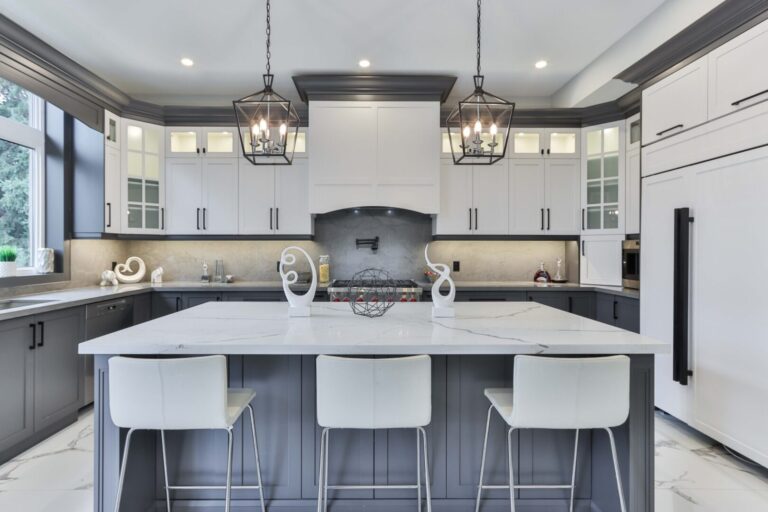
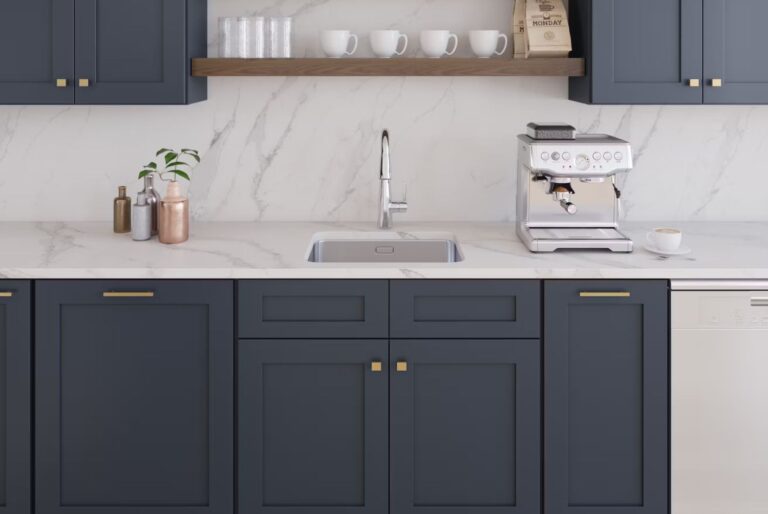
Two-Tone Cabinetry: A dominant design strategy involves using a light, airy color (like crisp white or soft dove gray) for the upper wall units to keep the room feeling expansive, while grounding the space with a deep, dramatic color on the lower base units and central island. Deep navy blues, rich emerald greens, and matte charcoal blacks are highly sought after for lower cupboards, hiding daily scuffs while providing a luxurious anchor to the room.
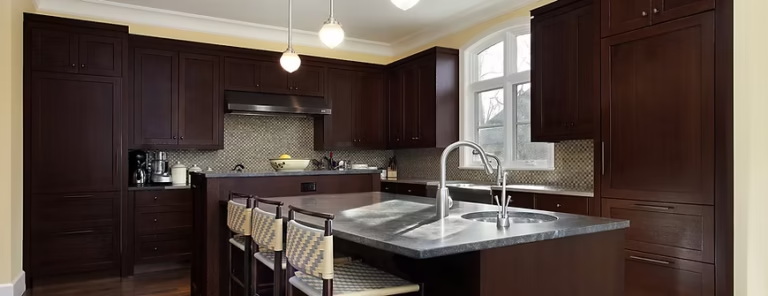
The Return of Warm Woods: Stark, gray-washed woods are stepping aside for the resurgence of warm, natural timber. Lightly stained rift-sawn white oak and rich walnut finishes are incredibly popular. These natural wood grains introduce organic warmth and texture, pairing beautifully with both matte black hardware and brushed brass fixtures.
6.1. Eco-Friendly Construction and Indoor Air Quality
Today’s Canadian homeowners are increasingly conscious of not just how their cabinetry looks, but how they impact the environment and indoor air quality. Traditional, lower-end cabinetry often relies on particleboard constructed with formaldehyde-heavy glues, which can off-gas harmful volatile organic compounds (VOCs) into your home for years.
By selecting premium RTA systems constructed from high-quality, furniture-grade plywood, you significantly reduce these health risks. Top-tier cabinet services and manufacturers now utilize low-VOC or no-VOC water-based finishes and soy-based adhesives. This ensures that the beautiful casework you install contributes to a healthy, breathable environment for your family. Furthermore, responsibly sourced timber certified by environmental councils ensures that your renovation supports sustainable forestry practices.
6.2. Long-Term Maintenance for Moisture-Resistant Woodwork
Securing a lifetime investment in your new storage requires a commitment to gentle, consistent maintenance. Despite their advanced moisture-resistant construction, prolonged exposure to standing water will eventually compromise any wood product. The key to preserving the brilliant finish of your customized cabinets is proactive care.
Routine cleaning should be performed using only a soft, slightly damp microfiber cloth. Avoid highly abrasive sponges, acidic cleaners, or bleach-based chemicals at all costs, as these will aggressively strip the protective topcoat from the wooden doors. For stubborn grease near the stove top, a heavily diluted solution of warm water and mild dish soap is highly effective. Most importantly, always follow up by wiping the finished surfaces entirely dry with a separate, clean towel.
Managing ambient indoor humidity is also crucial for the longevity of cabinetry. Utilizing a powerful overhead exhaust hood during heavy boiling or cooking will draw airborne moisture out of the room before it settles onto the upper wooden frames. Maintaining an indoor relative humidity between 35% and 50% year-round will prevent the solid wood doors of your cupboards from excessive seasonal swelling or shrinking, guaranteeing perfect alignment and flawless aesthetics for generations to come.
6.3. Passing the “Touch Test” for Maximum ROI
When potential buyers tour a home, the kitchen cabinet is heavily scrutinized. Beyond the initial visual impression, buyers inevitably perform the “touch test.” They will open the cupboard doors, pull out the drawers, and inspect the structural integrity. If they encounter wobbly hinges, thin particleboard sides, and screeching drawer tracks, they will immediately deduct value from the property.
Conversely, when they open a custom-designed drawer equipped with smooth, full-extension glides and watch it silently glide shut via a soft-close dampener, it instantly signals premium quality. Investing in a moisture-resistant, plywood-constructed kitchen cabinet system ensures that your home not only passes this critical inspection but commands top dollar in the competitive real estate market.