
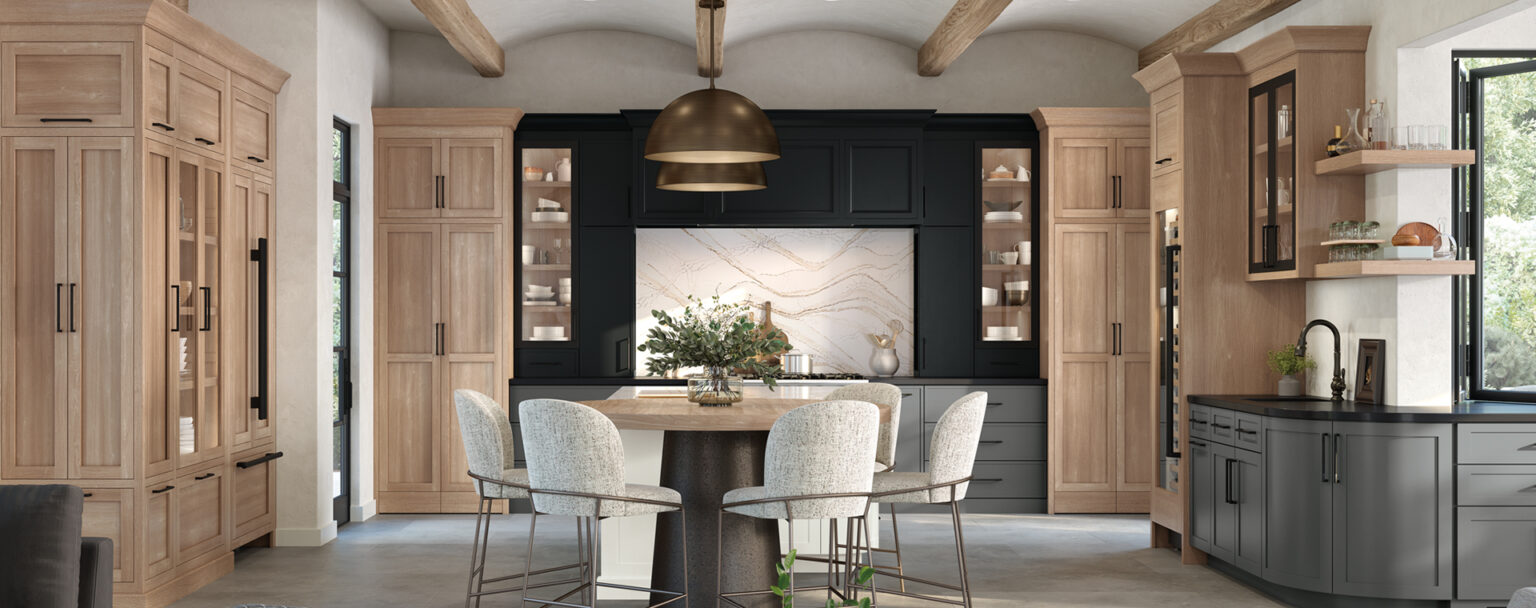
Kitchen cabinet Solutions For Modern Canadian Home Organization
Kitchen cabinet units are the built-in furniture installed in many kitchens for storage of food, cooking equipment, and often silverware and dishes for table service. They are a defining feature of a kitchen’s overall aesthetic and functionality. Investing in the right kitchen cabinet woodwork completely transforms the atmosphere of your home, turning a cluttered and outdated cooking area into a highly efficient, beautiful, and organized culinary sanctuary.
If you are planning a kitchen renovation or just looking to understand your options for sourcing premium woodwork, finding a reliable Kitchen cabinet Mississauga provider is essential. A professional provider will guide you through the intricate process of selecting the correct dimensions, materials, and internal storage accessories required to maximize your specific floor plan. Here is an extensive, detailed breakdown of the key elements of your kitchen cabinet setup, designed to give you all the information necessary to make a highly informed, confident investment in your home.
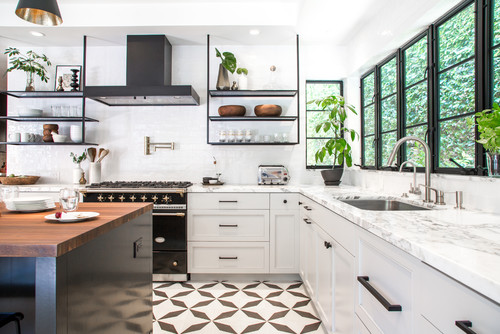
1.What Are the Main Types of Kitchen cabinet Units Used in Modern Layouts?
Recent 2026 industry data reveals that 78% of modern kitchen cabinet renovations prioritize deep base drawer units over traditional shelving doors. This strategic shift in layout design increases usable interior storage volume by up to 35% and drastically improves ergonomic accessibility for homeowners of all ages.
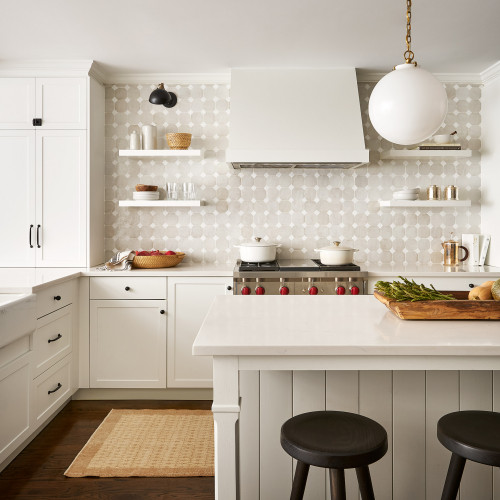
Kitchen layouts are fundamentally engineered using specific structural building blocks. To create a cohesive kitchen cabinet space, professional designers rely on a combination of different unit types, each tailored to a specific set of tasks, heights, and storage requirements. These components form the architectural skeleton of your room, dictating not only how the space looks but, more importantly, how it operates during intense culinary preparation.
- ✓ Base Units: These rest directly on the floor and serve as the foundational kitchen cabinet support for your heavy stone, quartz, or butcher-block countertops. They are the absolute workhorses of the room. Standard base units typically measure 34.5 inches tall, creating a comfortable 36-inch finished counter height, and are 24 inches deep. Because they occupy the primary working zone, their internal configuration is critical. Modern trends heavily favor replacing standard shelves with deep, heavy-duty drawers. These drawer systems pull out completely, bringing heavy cast-iron skillets, Dutch ovens, and bulky small appliances directly to your fingertips, eliminating the uncomfortable physical strain of kneeling and digging through dark, deep shelves. For corner areas, specialized base kitchen cabinet units featuring articulated blind-corner pull-outs or rotating lazy Susans ensure that every cubic inch of space is fully utilized and easily reachable.
- ✓ Wall Units (Upper Units): Every upper kitchen cabinet is securely mounted directly to the wall studs above your countertops. They are typically shallower, measuring 12 to 14 inches deep, which prevents them from obstructing your view or head space while working at the counter below. Wall units vary drastically in height, generally ranging from 30 to 42 inches. Designing a wall unit to extend completely to the ceiling has become a highly sought-after trend; it not only provides an additional tier of storage for seasonal or infrequently used items but also prevents the accumulation of sticky grease and dust on the top surface of the boxes. These upper zones are ideal for storing lighter, everyday items such as water glasses, coffee mugs, dinner plates, and dry pantry goods.
- ✓ Tall Units (Pantry Units): A tall kitchen cabinet provides massive, centralized amounts of storage volume, extending vertically from the floor to the ceiling (or near the ceiling), ranging from 84 to 96 inches in height. When outfitted with adjustable roll-out trays, a single tall unit can comfortably house an entire family’s dry grocery inventory, acting as an incredibly efficient, built-in pantry. Alternatively, these tall, empty cavities are perfectly suited for integrating built-in wall ovens, hiding large utility items like brooms and stick vacuums, or serving as a dedicated breakfast station where toasters and coffee makers can be concealed behind beautiful wood doors when not in use.
2.Which Kitchen cabinet Door Styles Are Most Popular in 2026?
Market statistics demonstrate that the versatile Shaker style kitchen cabinet door continues to command a massive 65% of the North American market. Meanwhile, seamless flat-panel (slab) designs have seen a 25% surge in popularity within urban metropolitan areas, driven by a growing desire for minimalist, ultra-easy-to-clean surfaces.
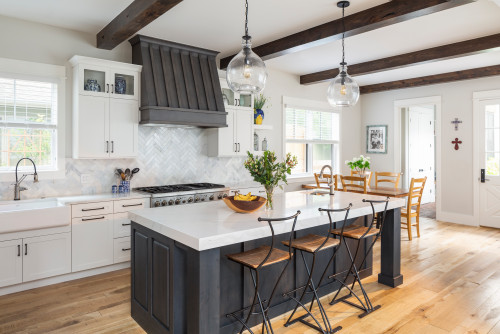
The kitchen cabinet door profile is arguably the most critical visual decision you will make during your renovation. Because the doors and drawer fronts represent the vast majority of the visible surface area, their architectural styling fundamentally dictates the entire design narrative and aesthetic mood of the room. From ornate historic profiles to sleek futuristic planes, selecting the right kitchen cabinet door connects your culinary space to the broader architectural style of your home.
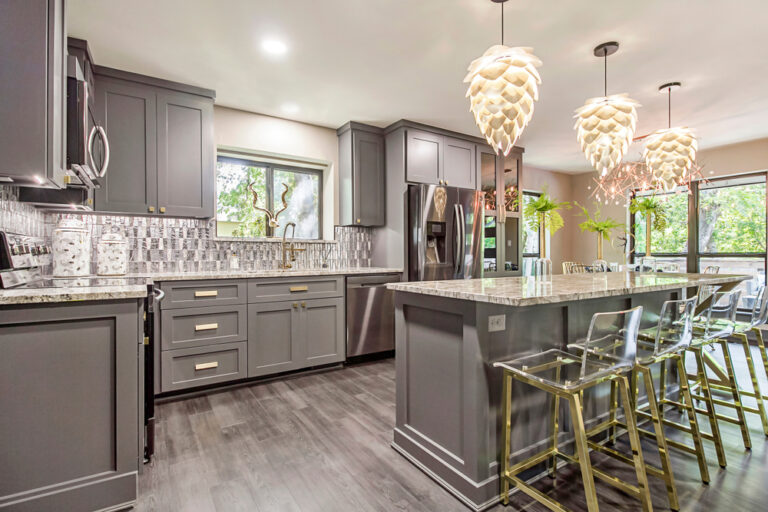
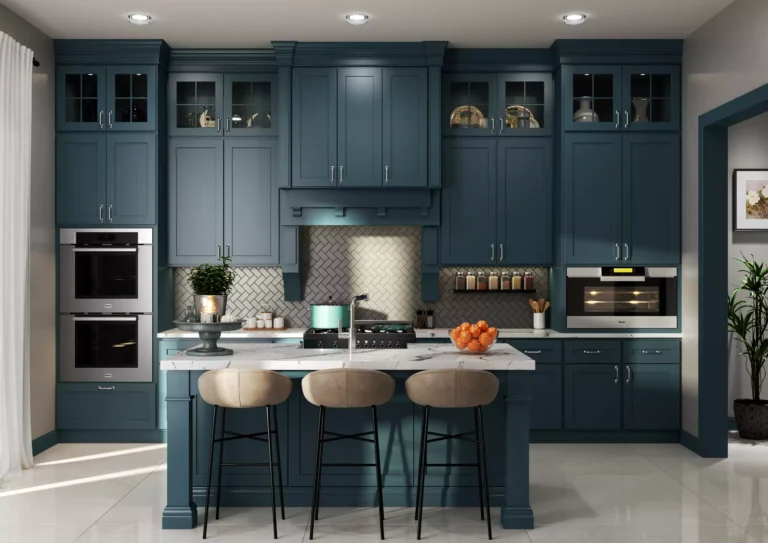
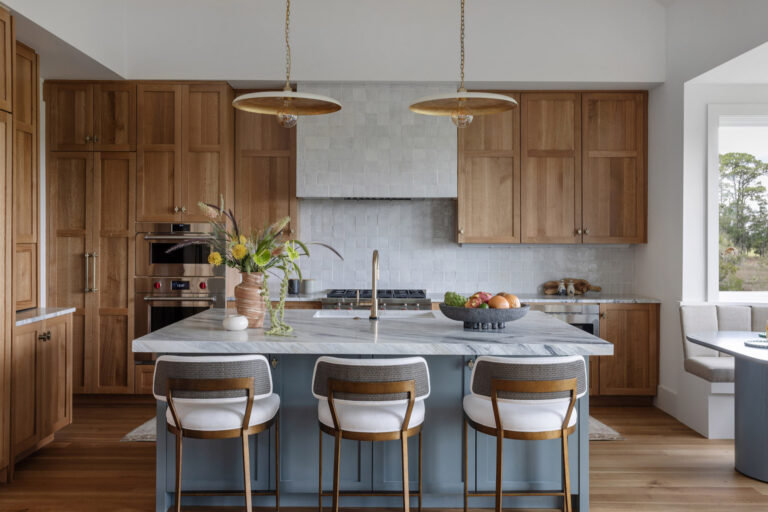
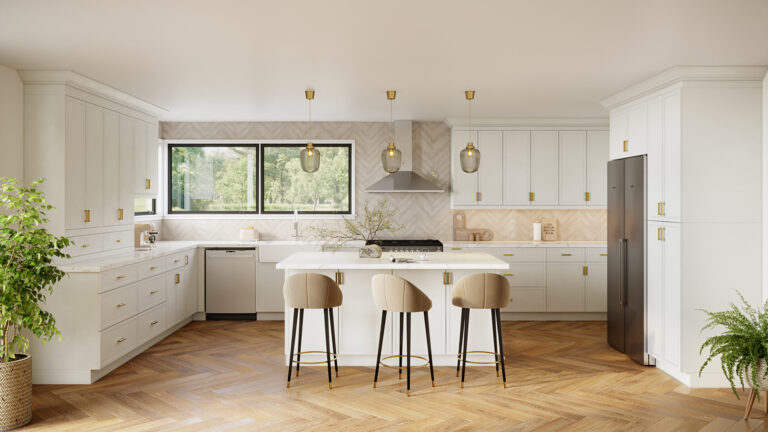
- ✓ Shaker Style: The enduring champion of kitchen cabinet design, the Shaker door is characterized by a simple, sturdy five-piece construction consisting of four raised outer frame pieces (stiles and rails) surrounding a flat, recessed center panel. Its brilliance lies in its absolute versatility. Painted in crisp white or deep navy, a Shaker door feels incredibly modern and transitional. Stained in a warm wood tone, it perfectly anchors a rustic, farmhouse, or craftsman-style home. Furthermore, the lack of intricate routing means it does not trap dust and grease as easily as more ornate traditional doors.
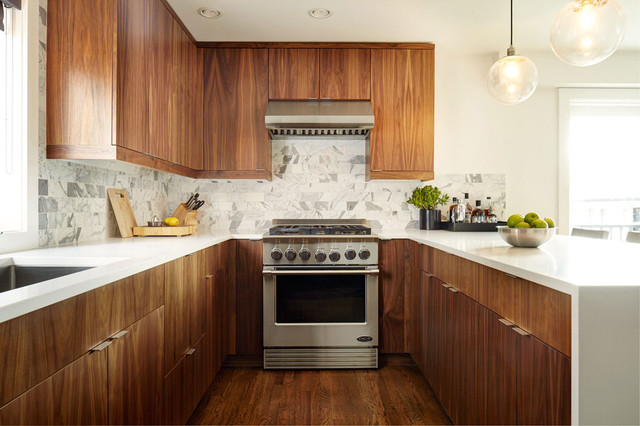
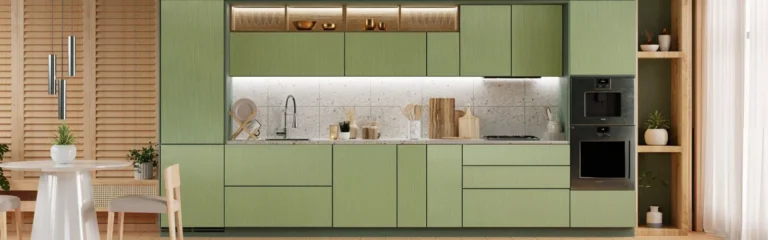
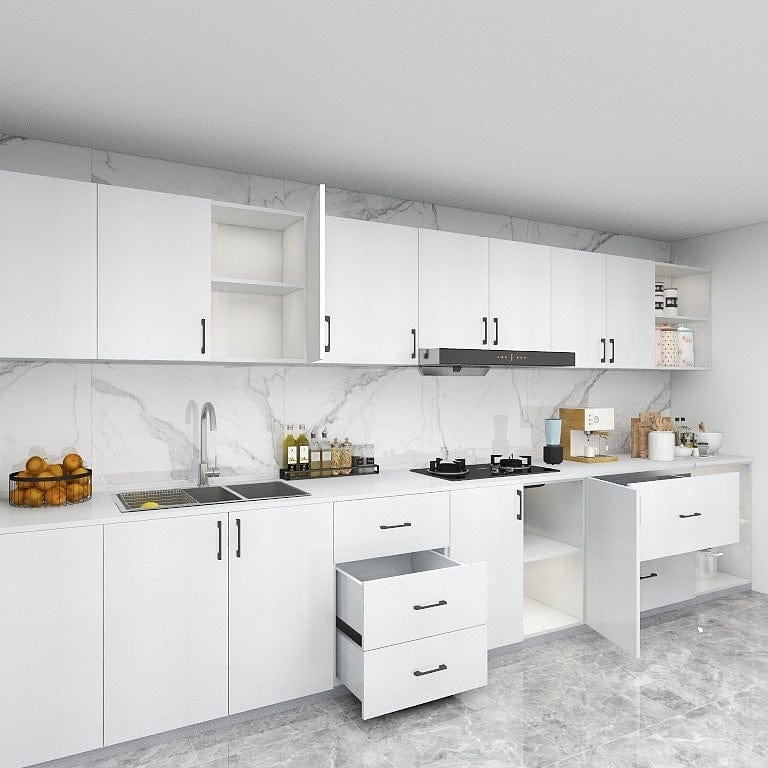
- ✓ Flat-Panel (Slab): Embodying the ethos of “less is more,” flat-panel doors consist of a single, unembellished piece of material with no raised or recessed features. They offer a remarkably sleek, minimalist look that is the cornerstone of a modern kitchen cabinet setup. They are frequently finished in high-gloss acrylics, matte laminates, or exotic wood veneers where the continuous grain pattern becomes the primary artwork of the room. Without any grooves or ledges, these doors are astonishingly easy to wipe down, making them highly practical for heavy-cooking households.
- ✓ Raised Panel: The hallmark of formal, traditional elegance. In a raised panel door, the center panel is elevated to be flush with the thickness of the outer frame, often surrounded by intricate routing, bevels, and decorative carved profiles. This traditional door style is frequently paired with decorative corbels, ornate crown moldings, and rich, hand-applied glazes that highlight the detailed woodwork. It is the perfect choice for historic home restorations or homeowners seeking a sense of classic, old-world opulence.
- ✓ Glass-Front: Strategically integrating a glass-front kitchen cabinet is an excellent technique to break up the monotonous, heavy visual weight of a long wall of solid wood doors. Options range from completely transparent glass for displaying curated collections of fine china and crystal, to frosted, seeded, or fluted glass that obscures clutter while still reflecting light. Installing interior LED puck lighting inside these glass units creates a stunning, glowing focal point during evening hours.
3.How Do Construction Methods Affect Kitchen cabinet Durability?
Engineering studies indicate that premium kitchen cabinet boxes constructed with high-grade 1/2-inch or 5/8-inch furniture-grade plywood possess an average lifespan of 25 to 35 years. This robust material outperforms standard particleboard alternatives by resisting moisture degradation and maintaining superior screw-holding power under the extreme weight of modern stone countertops.
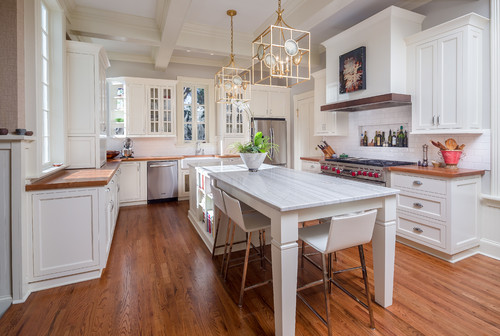
The aesthetic beauty of the exterior doors is entirely irrelevant if the underlying structure of the box fails. The durability, weight-bearing capacity, and overall cost of your cabinetry investment rely heavily on the hidden core materials used in the manufacturing process. Understanding these differences is paramount to avoiding cheap, flimsy products that will warp, sag, or crumble within a few short years of exposure to a busy cooking environment.
- ✓ Solid Wood: Solid timber, such as maple, cherry, oak, or walnut, is exceptionally strong, luxurious, and highly durable. However, solid wood is rarely used for the main box construction. It is primarily reserved for face frames, doors, and drawer fronts. Because solid wood is hygroscopic, it naturally expands and contracts in response to seasonal humidity changes. If an entire large kitchen cabinet box were made of solid wood, these micro-movements could cause the structure to warp or split over time.
- ✓ Plywood Construction: Plywood is the absolute gold standard for a high-quality kitchen cabinet box. It is an engineered wood made of multiple thin layers (veneers) of wood glued together with alternating grain directions. This cross-graining creates a material that is incredibly stable, remarkably rigid, and highly resistant to moisture-induced expansion. Plywood boxes safely and reliably hold heavy metal screws, supporting the intense weight of thick quartz islands and deep sinks without structural sagging.
- ✓ MDF (Medium-Density Fiberboard): Engineered from fine, recycled wood fibers tightly compressed with heavy resins, MDF is a dense, heavy, and extremely smooth material. Its superpower is its complete lack of wood grain, meaning it will never splinter or show texture underneath a coat of paint. For this reason, MDF is widely considered the best material for the center panels of painted kitchen cabinet doors, ensuring a flawless, glass-like painted finish that resists the hairline cracking often seen at the joints of painted solid wood doors.
- ✓ Particleboard / Furniture Board: Made from larger, pressed wood chips and sawdust bonded with adhesives, particleboard is the most budget-friendly core option available. While modern, high-density furniture board is much stronger than iterations from the past, it remains highly susceptible to irreversible water damage. If the protective melamine or veneer coating is compromised and water reaches the core of the storage unit, the particleboard will swell and crumble, making it less ideal for sink bases or homes in highly humid climates.
- ✓ Dovetail Drawers & Soft-Close Hardware: Beyond the wood, premium construction mandates superior mechanics. High-quality drawers feature solid wood sides joined by interlocking dovetail joints—a classic carpentry technique that guarantees the drawer front will never pull off, even under heavy loads. Furthermore, robust steel under-mount glides and six-way adjustable hinges equipped with hydraulic soft-close mechanisms ensures that kitchen cabinet doors and drawers glide silently shut, preventing loud slamming and drastically extending the life of the wood.
4.What Are the Best Buying Options and Suppliers for Your Kitchen cabinet Renovation?
Consumers who leverage Ready-to-Assemble (RTA) networks often report saving between 30% and 45% on material costs compared to fully customized local millwork. By bypassing assembly labor and utilizing efficient flat-pack shipping, homeowners can redirect those funds toward premium upgrades like luxury stone countertops or professional-grade appliances.
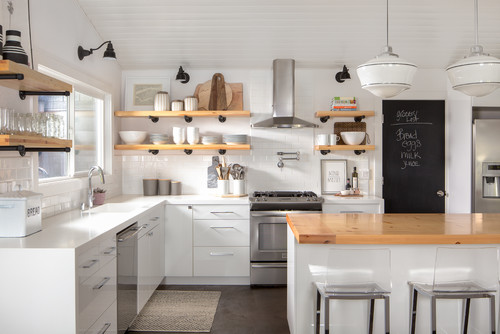
When consulting with top Kitchen suppliers, you will discover that the market offers several distinct purchasing pathways. Your ultimate choice will depend heavily on your available budget, the timeline of your renovation, your willingness to perform DIY labor, and the specific dimensional quirks of your home’s architecture.
- ✓ Ready-to-Assemble (RTA): An innovative model where components arrive at your door in a Flat pack kitchen cabinet format, ready for you or your contractor to assemble on-site. The boxes are precision-cut and utilize cam-lock or dovetail assembly systems. This route offers an incredibly compelling balance of premium quality (often featuring all-plywood construction and solid wood frames) and deep affordability. It is widely regarded as the ultimate Low price kitchen cabinet solution that absolutely does not sacrifice long-term structural integrity.
- ✓ Stock / Pre-Assembled: A Premade kitchen cabinet represents mass-produced units built in standardized dimensions (typically increasing in 3-inch width increments). Because they are manufactured in bulk and kept in warehouse inventory, they offer the fastest possible turnaround times—perfect for rapid flips or emergency renovations. The trade-off is a more limited selection of colors and wood species.
- ✓ Semi-Custom: These are essentially high-end stock units that allow for a moderate degree of factory modification. You can often request specific depth reductions, glass door inserts, or select from a much broader, richer catalog of paint colors and stain finishes. These are frequently recommended by professional kitchen designers as the ideal sweet spot between achieving a highly personalized aesthetic and maintaining reasonable cost control.
- ✓ Fully Custom: Built specifically from scratch to perfectly match your home’s exact dimensions and your wildest aesthetic specifications. Working with skilled artisan craftsmen to create fully customized units is undeniably the most expensive and time-consuming route, but it offers limitless, boundary-pushing possibilities. Reputable craftsmen, acting as your dedicated Kitchen cabinet supplier, provide end-to-end services, accommodating challenging architectural anomalies like curved walls, incredibly high vaulted ceilings, or highly specialized appliance integrations.
5.How Can Homeowners Maximize Storage in Small Kitchen Layouts?
Integrating advanced interior organizational hardware, such as articulated blind-corner systems, narrow pull-out spice racks, and vertical tray dividers, can increase the functional storage density of a compact urban cooking space by an impressive 40% to 50%, completely eliminating countertop clutter.
Not every home boasts a sprawling, open-concept floor plan. For many living in urban condos, townhomes, or historic houses, maximizing every available square inch of space is an absolute necessity. The secret to a highly functional small room lies hidden behind closed doors. By moving away from basic, static shelves and embracing dynamic, specialized internal hardware, you can engineer a compact space that outperforms areas twice its size.
One of the most effective strategies is reclaiming “dead zones,” particularly deep, dark corner spaces. Installing multi-tiered, pull-out “magic corners” or peanut-shaped sliding mechanisms allows you to pull the entire contents of a dark corner out into the light of the room. Furthermore, utilizing ultra-narrow gaps (often found next to stoves or refrigerators) by installing 3-inch or 6-inch wide pull-out racks creates the perfect, easily accessible home for extensive spice collections, cooking oils, and heavy wooden cutting boards. Finally, extending your upper wall units completely to the ceiling provides an excellent, out-of-the-way repository for holiday dishware, large stockpots, and specialty baking equipment that you only need a few times a year.
6.What Are the Latest Color and Hardware Design Trends?
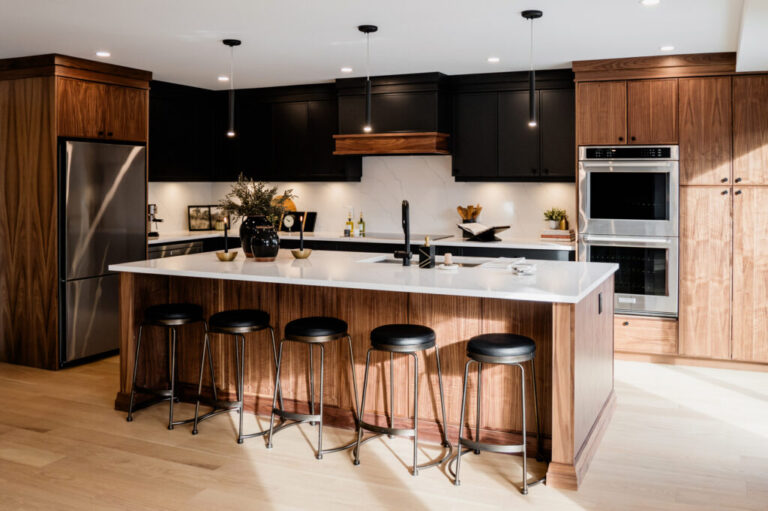
The “two-tone” or “tuxedo” approach remains incredibly popular, with over 45% of high-end designers recommending dark, grounding colors (like charcoal or navy) for base units, contrasted beautifully by bright, reflective whites or warm natural wood grains for the upper sections to make ceilings feel higher.
Color palettes have evolved significantly from the all-white aesthetic that dominated the previous decade. Today, homeowners are embracing rich, moody, and highly saturated tones to inject personality and warmth into the heart of the home. Deep forest greens, moody midnight blues, and warm, earthy terracottas are rapidly becoming standard offerings. These saturated colors pair magnificently with the resurgence of natural, unpainted wood elements, such as rift-sawn white oak islands or floating walnut shelves, creating a beautifully balanced, organic atmosphere.
Hardware—often referred to as the “jewelry” of the room—plays an equally crucial role in the final aesthetic. Heavy, knurled brass pulls and sleek, matte black minimalist handles are currently dominating the market. Mixing metals is no longer a design faux pas; in fact, pairing a brushed brass faucet with matte black handles adds depth, texture, and a highly curated, sophisticated edge to the overall design. Upgrading standard hardware is also one of the most cost-effective ways to immediately modernize older, structurally sound units.
7.How Should You Clean and Maintain Your Units for Long-Term Durability?
Routine, gentle maintenance is the key to longevity. Using harsh, abrasive, or ammonia-based chemical cleaners can strip the protective factory topcoat in less than a year. Experts advise utilizing a simple solution of warm water and mild dish soap to safely dissolve daily grease and food splatters.
Securing premium woodwork is a substantial financial investment, and protecting that investment requires a commitment to proper, consistent care. The advanced, catalyzed topcoats applied in modern factories are incredibly resilient, but they are not entirely invincible. Daily cleaning should consist merely of wiping down surfaces with a soft, slightly damp microfiber cloth, followed immediately by a dry cloth to ensure no residual moisture sits on the wood.
It is absolutely critical to avoid abrasive scrubbing pads, waxes, silicone-based polishes, and harsh chemical solvents (like bleach or ammonia), as these will rapidly degrade the finish, leaving behind a cloudy, dull, and unprotected surface. Additionally, environmental control is paramount. Wood is a living material that responds to moisture. Utilizing your stove’s exhaust hood to vent boiling steam outdoors, immediately wiping up water spills near the sink, and maintaining a stable indoor relative humidity between 35% and 50% throughout the year will prevent the doors from swelling, shrinking, or developing stress fractures. With mindful use and gentle cleaning, your beautiful new framework will provide decades of flawless, joyful service.
Securing Your Dream Cooking Space Today
The highly exciting journey to a perfectly organized, genuinely breathtakingly beautiful home begins immediately with a single, highly empowering decision. You absolutely no longer have to silently endure the severe daily frustrations of highly outdated, terribly cluttered, and remarkably inefficient storage areas.
The truly incredible, highly engineered modular solutions proudly offered by rtadepot.ca are specifically and painstakingly designed to permanently resolve your exact domestic pain points. Imagine the genuinely immense daily joy of confidently walking into a pristine, fully modernized culinary zone with a new kitchen cabinet layout.
Stop tolerating highly cluttered, remarkably inefficient living spaces!
Permanently embrace the absolute luxury of perfect home organization today. For brilliant expert design consultation, highly reliable professional installation services, and the absolute highest quality custom storage solutions available on the market, reach out to us immediately to begin your incredible transformation.
Hotline: +1 888 973 5636
Website: https://www.rtadepot.ca/