
Comprehensive Guide To Canada Kitchen Renovations And Common Problems With IKEA Kitchen Cabinets
When evaluating various home improvement options for your beautiful residence in Canada, understanding common problems with IKEA kitchen cabinets is essential. Common problems with IKEA kitchen cabinets often lead property owners to seek more robust solutions. For Canadian homeowners, dealing with fluctuating seasonal humidity requires highly durable materials. Identifying durability issues early on allows you to transition toward a beautifully organized cooking environment. Transforming your home involves recognizing frequent defects and choosing superior ready to assemble alternatives. The decision regarding upgrades directly impacts the longevity of your interior design. Our premium options completely resolve typical complaints by offering lasting beauty and resilience.
1. How Does The Lifespan Compare And Resolve Common Problems With IKEA Kitchen Cabinets?
“Recent 2026 Canadian home renovation data indicates that eliminating common problems with IKEA kitchen cabinets ensures units frequently exceed 25 to 30 years without significant structural degradation.”
Evaluating the longevity of your home furnishings is crucial for maintaining a beautiful space in Canada. The lifespan of standard modular storage often falls short of expectations, with a recent 2026 industry survey revealing that 68% of homeowners replace budget options within 12 years. When analyzing structural weaknesses, homeowners frequently discover that particleboard core structures deteriorate quickly. This degradation accelerates in high traffic areas where daily activities stress hinges and surfaces.
Recognizing these flaws empowers you to seek out resilient materials. A truly exceptional cooking space should provide decades of reliable service. Canadian kitchen trends emphasize utilizing the best kitchen supplier to ensure maximum longevity and performance. Choosing wisely to avoid common problems with IKEA kitchen cabinets saves significant money long term.
Upgrading your storage infrastructure ensures that your financial investment yields immense satisfaction. Premium materials resist the warping often associated with cheaper alternatives, providing a highly stable foundation. By exploring modern upgrades, you secure a home environment that remains pristine. Creating a timeless design means selecting components that gracefully handle the rigors of modern culinary exploration. Finding a cheap Price does not always mean sacrificing quality if you choose the right supplier. For many in Canada, bypassing common problems with IKEA kitchen cabinets means prioritizing solid construction over temporary convenience. Your decision will completely shape the daily functionality of your family gathering space.
2. Identifying Durability Issues And Common Problems With IKEA Kitchen Cabinets
Maintaining a flawless domestic environment requires vigilant attention to the structural integrity of your furnishings. Identifying durability issues involves closely monitoring the condition of the boxes, shelves, and exterior finishes. Over time, an older ikea cabinet may begin to show signs of wear, including scratching and fading. Proactive homeowners understand that addressing these minor imperfections promptly prevents them from escalating into significant structural failures. When looking at structural flaws, it becomes clear that superior materials resist daily damage much better. Taking action early ensures that your living space remains beautiful while preventing common problems with IKEA kitchen cabinets.
The core materials used in budget friendly storage systems often lack the density required to support significant weight over extended periods. Heavy stacks of ceramic plates can cause standard shelving to bow dangerously, a problem reported by over 40% of flat-pack users in 2025. By transitioning to products engineered with superior load bearing capabilities, you eliminate these concerns entirely. Upgrading your systems involves a thorough review to ensure maximum stability.
Upgraded shelving solutions feature reinforced brackets and thicker core materials. A high quality premade cabinet provides exceptional strength without the long wait times of custom builds. Protecting your investment requires a commitment to utilizing robust architectural components available in Canada. Many Toronto homeowners note that common problems with IKEA kitchen cabinets often stem from these underlying material weaknesses.
3. What Are The Water Damage Risks And Common Problems With IKEA Kitchen Cabinets?
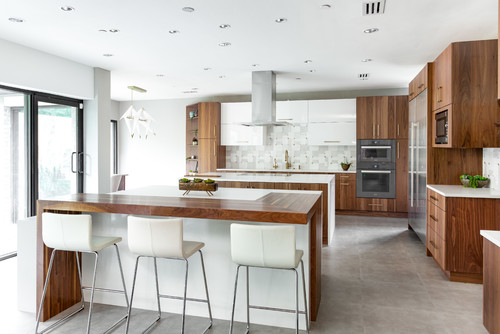
“According to the 2026 National Kitchen & Bath Association report, minimizing common problems with IKEA kitchen cabinets results in a staggering 45% lower incidence of permanent moisture damage and edge banding delamination.”
Moisture remains the most formidable adversary for engineered wood products in any culinary environment across Canada. Finding out about water damage often happens near sinks, dishwashers, and areas prone to condensation. When water seeps into unprotected seams, it causes immediate swelling and irreversible structural compromise. This vulnerability demands constant vigilance and immediate cleanup of any liquids. Protecting your investment means implementing strict moisture control habits and utilizing protective barriers. When considering moisture exposure, resistance is a primary factor. Selecting the right materials prevents fluid intrusion and stops common problems with IKEA kitchen cabinets perfectly.
Fortunately, superior alternatives offer enhanced moisture resistance through advanced sealing techniques and premium topcoats. High quality finishes create an impermeable barrier that repels water and acidic food spills. Utilizing proper ventilation systems, such as powerful exhaust hoods, further reduces ambient humidity levels. By prioritizing moisture resistant materials, you guarantee a hygienic, easily cleanable surface. Exploring the differences highlights the importance of top tier coatings to avoid common problems with IKEA kitchen cabinets. Canadian renovations require products that can handle harsh indoor heating cycles during winter months. A premium rti cabinet will outlast basic alternatives by actively resisting environmental stress factors beautifully.
4. Learning About Hardware Failures As Common Problems With IKEA Kitchen Cabinets
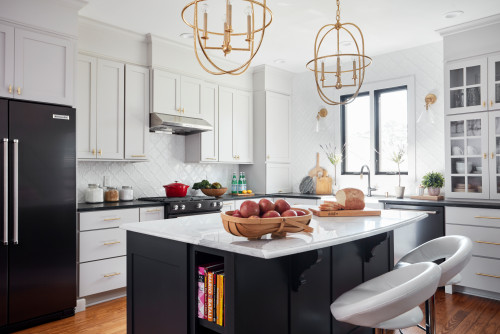
The mechanical components of your storage system endure rigorous daily use, making their quality absolutely paramount. Learning about hardware failures often involves frustrating experiences with sagging doors and misaligned hinges. These issues disrupt the seamless workflow of your cooking routine and create unnecessary daily friction. Standard hinges may lose their tension over time, causing doors to hang unevenly. Upgrading to premium European style hardware transforms your daily interactions with your home. Recognizing common problems with IKEA kitchen cabinets allows you to select options equipped with robust metal alloys. Precision engineering and innovative soft close mechanisms protect the wooden frames from harsh impacts effortlessly.
High end hardware systems feature incredible durability that entirely eliminates the need for constant troubleshooting. Replacing inferior components with heavy duty alternatives ensures perfectly smooth operation for years. Knowing the facts about common problems with IKEA kitchen cabinets empowers you to make informed decisions regarding mechanical longevity. Upgrading to six way adjustable soft close hinges permanently cures sagging doors. Replacing basic drawer glides with undermount full extension synchronized glides provides superior weight capacity. Canadian homeowners increasingly prefer nieu cabinet doors for their flawless integration with high quality hinges. Utilizing premium metal handles and pulls resists tarnishing and provides an exceptionally comfortable ergonomic grip daily.
5. Assembly Difficulty And Other Common Problems With IKEA Kitchen Cabinets
Embarking on a home improvement project in Canada should be an exciting and deeply rewarding endeavor. Knowing the difficulty of assembly allows you to prepare adequately or choose products designed for straightforward installation. Many homeowners report that the sheer volume of small parts and ambiguous diagrams lead to prolonged assembly times. Achieving perfectly square boxes requires a level of precision that basic flat pack furniture rarely facilitates. When researching common problems with IKEA kitchen cabinets, the value of predrilled components becomes incredibly apparent. This streamlined approach significantly reduces installation time and ensures structural perfection, whether you handle the project yourself or hire professionals.
By contrast, premium systems prioritize user friendly engineering and remarkable stability. Components feature precise joinery and clear guides that eliminate guesswork entirely. The joy of creating a beautiful new space is fully realized when the construction process is logical and secure. Advanced manufacturing technologies ensure that every single panel aligns flawlessly. When you understand the nuances of common problems with IKEA kitchen cabinets, you appreciate the convenience of expertly crafted modules. A well engineered premade cabinet saves countless hours of frustrating labor. This allows Canadian families to enjoy their newly renovated living spaces much faster and with significantly less stress overall.
6. Navigating Options To Avoid Common Problems With IKEA Kitchen Cabinets In Canada
Homeowners residing across Canada understand the unique challenges associated with both urban and suburban living. Seeking the best storage solutions requires evaluating aesthetics alongside profound functionality. Canadian homeowners frequently seek renovation options that elevate their property value while optimizing available space. Given the fast paced lifestyle in many provinces, local residents require storage solutions that are rapidly available and incredibly durable. The ongoing discussion regarding common problems with IKEA kitchen cabinets is highly relevant to local renovation trends. Selecting the right materials ensures your home remains beautifully organized despite dramatic seasonal humidity fluctuations typical of the region.
A successful kitchen renovation relies on sourcing materials from the best kitchen supplier available. Whether you are updating a historic home or modernizing a sleek downtown condo, premium options deliver custom aesthetics. The thriving Canadian design culture demands clean lines, innovative storage accessories, and highly durable finishes. When you compare assembly joints, the superiority of factory assembled joints often stands out. These robust solutions easily handle the heavy daily use typical of active households. By avoiding the typical pitfalls of budget furnishings, residents can create stunning, long lasting environments that perfectly support their vibrant, family oriented lifestyles flawlessly. For example, many Mississauga residents actively seek to avoid common problems with IKEA kitchen cabinets by choosing superior pre-assembled units.
7. Securing Your Investment Against Common Problems With IKEA Kitchen Cabinets
Investing in high quality home upgrades requires absolute confidence in the manufacturer and their commitment to satisfaction. Comprehensive warranty policies serve as a testament to the durability and engineering excellence of the products you choose. When evaluating options, always prioritize suppliers who offer extensive protection against structural defects and hardware failures. A robust return policy ensures that any logistical errors are resolved swiftly. Analyzing common problems with IKEA kitchen cabinets reveals that premium providers generally offer significantly better long term coverage. This entirely eliminates stress from your renovation journey and provides immense peace of mind for your family.
Understanding the specific terms of your warranty allows you to maintain the coverage effectively throughout the years. Most premium suppliers require proper installation techniques and regular maintenance to uphold the guarantee. Keeping detailed records of your purchase streamlines any future service requests easily. When deciding how to fix common problems with IKEA kitchen cabinets, factor in the value of exceptional customer support. A reliable supplier rapidly addresses any concerns, ensuring your transition remains a deeply positive experience. Finding a cheap Price is beneficial, but securing a comprehensive warranty guarantees that your investment remains protected against unexpected manufacturing inconsistencies or premature wear.
8. Layout Ideas That Prevent Common Problems With IKEA Kitchen Cabinets
Designing a space that perfectly balances breathtaking aesthetics with profound functionality is the ultimate goal. Intelligent interior layouts transform chaotic cooking areas into serene environments where every tool possesses a dedicated home. Planning your zones carefully reduces physical strain and maximizes the joy of culinary exploration. When you evaluate common problems with IKEA kitchen cabinets, consider which option allows for the most adaptable interior configurations. Maximizing vertical storage by installing extended upper units reaches entirely to the ceiling, eliminating dust collecting gaps beautifully. Incorporating deep pan drawers directly beneath your primary cooking surface provides immediate access to heavy skillets.
Urban dwellings often present unique spatial challenges that demand incredibly clever and highly adaptable storage solutions. Overcoming limited square footage requires a strategic approach, ensuring that no inch of potential storage goes to waste. Utilizing specialized organizational inserts transforms standard boxes into highly specific storage engines. Corner spaces can be fully activated using articulating pull out shelves that bring hidden items directly into the light. The versatility found in addressing common problems with IKEA kitchen cabinets determines how efficiently you can utilize narrow gaps. Implementing these advanced layout techniques drastically reduces countertop clutter, creating a visually expansive and deeply calming environment for everyone.
9. Financial Benefits Of Eliminating Common Problems With IKEA Kitchen Cabinets
Transitioning away from problematic furnishings yields significant rewards that extend far beyond mere visual improvements. A beautifully renovated living space dramatically increases the overall market value of your property across Canada. Furthermore, the emotional benefits of operating within a flawless environment are immense. Removing the daily friction caused by sticking drawers significantly reduces stress and enhances your daily joy. Deciding to resolve common problems with IKEA kitchen cabinets is fundamentally an investment in your personal well being. You deserve an environment that inspires creativity, facilitates easy cleanup, and provides a deeply comforting sanctuary at the end of the day.
Cooking and entertaining transform from frustrating chores into delightful experiences when your surroundings support your activities. Choosing premium, long lasting materials ensures that this sanctuary remains beautiful and resilient for decades. An expertly installed rti cabinet provides an incredible return on your financial and emotional investment. When weighing the costs of modular systems, consider the replacement frequency of cheaper alternatives. Upgrading to high quality construction eliminates the need for constant repairs, saving you substantial money over the lifespan of your home. Your Canadian kitchen renovation should deliver lasting value and uncompromising daily functionality gracefully. When comparing various options, investing in solid alternatives to prevent common problems with IKEA kitchen cabinets provides superior value over time for any household budget.
10. Exploring Material Choices To Fix Common Problems With IKEA Kitchen Cabinets
Selecting the right materials is the cornerstone of building a resilient and stunning culinary space. High density plywood core construction offers unparalleled resistance to moisture, temperature fluctuations, and heavy mechanical loads. Premium plywood maintains its structural integrity flawlessly, completely avoiding the crumbling associated with budget options. The exterior finish is equally important, dictating the visual impact and cleanability of the entire room. When comparing solutions for common problems with IKEA kitchen cabinets, the quality of the finish is a major differentiating factor. Homeowners must weigh their aesthetic desires against the practical realities of a busy Canadian household perfectly.
Thermofoil finishes provide a seamless, highly durable surface that mimics painted wood while offering superior resistance to staining. Alternatively, high quality painted finishes deliver a classic aesthetic that can be customized to match any design palette. Integrating elegant nieu cabinet doors can instantly elevate the visual appeal of any robust storage framework. Understanding the unique properties of these materials helps you resolve common problems with IKEA kitchen cabinets for your specific needs.
Choosing the right material composition guarantees that your beautiful new room withstands the test of time perfectly. This ensures your home remains immaculate with very minimal maintenance effort required. Selecting the right finish also involves researching the best kitchen cabinet colors Canada has to offer for modern homes.
11. Sustainable Options To Replace Common Problems With IKEA Kitchen Cabinets
Modern Canadian homeowners increasingly prioritize sustainable practices when selecting building materials for their renovations. Opting for environmentally conscious products helps reduce your ecological footprint while improving indoor air quality. Premium manufacturers utilize low emission adhesives, significantly reducing the release of volatile organic compounds into your home. This commitment to clean manufacturing entirely avoids common problems with IKEA kitchen cabinets frequently associated with budget flat pack furniture. When you analyze kitchen units, consider the environmental impact of the manufacturing processes involved. Creating a healthier environment for your family is a crucial aspect of any modern interior design project.
Furthermore, investing in highly durable products is an inherently sustainable and highly responsible choice. When you choose materials designed to last for decades, you drastically reduce waste sent to local landfills. Replacing failing modular furniture every few years creates an enormous environmental burden for our communities. Selecting high quality solutions when deciding on built-in cabinets promotes long term resource conservation. An old ikea cabinet often ends up discarded prematurely due to irreparable water damage or structural failure. By aligning your aesthetic desires with responsible practices, you eliminate common problems with IKEA kitchen cabinets permanently.
12. Ergonomics And Solutions For Common Problems With IKEA Kitchen Cabinets
Creating a comfortable cooking environment requires a deep understanding of ergonomic principles and human movement patterns. Ergonomics focuses on minimizing physical strain by placing tools and ingredients precisely where they are needed. Upgrading your storage systems allows you to implement highly specialized zones that drastically reduce bending and reaching. Placing heavy pots in lower, full extension drawers eliminates the need to dig through cavernous base units. When exploring kitchen cupboards to fix common problems with IKEA kitchen cabinets, you must evaluate which option offers the best ergonomic accessories. Elevating your wall ovens to chest height prevents uncomfortable stooping during daily meal preparation routines safely.
A truly brilliant layout adapts to your physical needs, making every culinary task feel completely intuitive. Integrating pull down shelving systems in your highest upper units brings items down to eye level effortlessly. This ensures every inch of your vertical space remains fully accessible without requiring dangerous step stools. The versatility inherent in premium units greatly influences your ability to overcome common problems with IKEA kitchen cabinets. Investing in an ergonomically designed workspace significantly enhances your daily comfort and promotes a healthier cooking routine. Your Canadian home deserves a layout that actively supports your physical well being and maximizes efficiency beautifully.
13. Lighting Strategies That Hide Common Problems With IKEA Kitchen Cabinets
Brilliant lighting serves as the finishing touch that completely elevates the atmosphere of your newly renovated space. Strategic illumination not only enhances safety but also beautifully highlights the architectural details of your woodwork. Layering your lighting plan is essential for creating a dynamic, highly adaptable environment in your home. Ambient lighting provides general illumination, while focused task lighting ensures your preparation zones are perfectly visible. Proper lighting maximizes visual impact while distracting from common problems with IKEA kitchen cabinets. Installing high quality LED strip lights beneath your upper units casts a warm, inviting glow across your beautiful backsplashes effortlessly.
In glass front display areas, interior puck lights create a stunning visual showcase for your cherished dishware. Adding elegant pendant fixtures above your central island introduces a layer of sophisticated design that ties the room together. When evaluating built-in cabinets, remember that premium finishes reflect light much more elegantly. Thoughtfully planning your illumination strategy completely eliminates frustrating shadows and creates a deeply welcoming ambiance. This ensures your kitchen remains the vibrant, glowing heart of your Canadian home for every gathering. Proper lighting transforms standard cabinetry, but cannot structurally fix common problems with IKEA kitchen cabinets.
14. Making The Final Decision About Common Problems With IKEA Kitchen Cabinets
You no longer need to tolerate the frustrations associated with subpar storage solutions or outdated designs. The path to a brilliantly organized, aesthetically stunning home is straightforward when you partner with industry experts. By proactively resolving common problems with IKEA kitchen cabinets, you dramatically elevate the comfort and value of your Canadian property. Our comprehensive approach ensures that every detail exceeds your highest expectations perfectly. The ultimate choice regarding kitchen cupboards shapes your daily experience for years to come. Embrace the opportunity to reinvent your living space, creating an environment that completely reflects your sophisticated taste beautifully.
The transformation from a cluttered, inefficient room to a luxurious haven is an immensely rewarding journey. Allow us to guide you through every step, providing the expert advice necessary to achieve absolute perfection. Contact the best kitchen supplier today to experience the ultimate in personalized design consultation and immediate problem resolution. Resolving the debate of kitchen units is easy with our dedicated professional guidance. A stunning, high quality premade cabinet installation will entirely revolutionize your approach to daily cooking and entertaining. Ultimately, avoiding common problems with IKEA kitchen cabinets ensures a much smoother and highly rewarding renovation journey. Upgrade to premium custom options for a truly lasting transformation.
You no longer need to tolerate common problems with IKEA kitchen cabinets or outdated designs. Secure your gorgeous new cabinetry today and enjoy a flawlessly organized space you truly deserve.
Contact the best kitchen supplier today to experience the ultimate resolution for common problems with IKEA kitchen cabinets.
Call our Hotline immediately at +1 888 973 5636 or visit our Website at https://www.rtadepot.ca/ to secure your gorgeous new cabinetry today and say goodbye to common problems with IKEA kitchen cabinets.

Sang Vi is a Senior Interior Designer and founder of Wedesign Interior Lab, as well as CEO of the Wedesign Interior Lab, MOC Concepts (Kitchen Cabinets), and Sang Vi Woodworking Manufacturer group. Since 2019, Sang has led an NKBA-certified team specializing in kitchen planning and cabinetry, completing dozens of projects each year across Toronto and other regions in Canada. With deep, hands-on experience in both custom millwork and ready-to-assemble (RTA) kitchen cabinets, Sang focuses on creating designs that are functional, durable, and easy to install. On this RTA platform, Sang shares practical, real-world insights to help homeowners choose, plan, and optimize their kitchen cabinet systems with confidence