

Flat Pack Kitchen Cabinet: The Practical Guide to Quality, Assembly, Pricing & Choosing the Right Supplier
If you’re researching a Flat Pack Kitchen Cabinet, you’re probably looking for a smart way to control costs, simplify delivery, and still get a kitchen that looks clean and performs well every day. Flat pack (often called “ready-to-assemble” or RTA) is a popular option because it balances value and flexibility: cabinets arrive in compact boxes, then get assembled and installed on-site.
This page explains how a Flat Pack Kitchen Cabinet works, who it’s best for, and how to avoid the common mistakes that make people think “flat pack is low quality.” You’ll also learn how to compare Kitchen Suppliers, what to ask a Kitchen Cabinet Supplier, and how to build a Low Price Kitchen Cabinet plan without sacrificing the look you want.
If you’re local and searching phrases like Kitchen cabinet Mississauga or Kitchen Cabinet Mississauga, this guide will help you decide whether flat pack is a better fit than pre-assembled cabinets—especially for condos, tight delivery windows, and staged renovations.
- What a Flat Pack Kitchen Cabinet really is
- Who should choose flat pack (and who shouldn’t)
- Quality checklist (materials, hardware, finish)
- Design ideas and door styles
- Assembly and installation tips
- Pricing & Low Price Kitchen Cabinet strategy
- Choosing Kitchen Suppliers & a Kitchen Cabinet Supplier
- Local notes for Mississauga projects
- FAQ
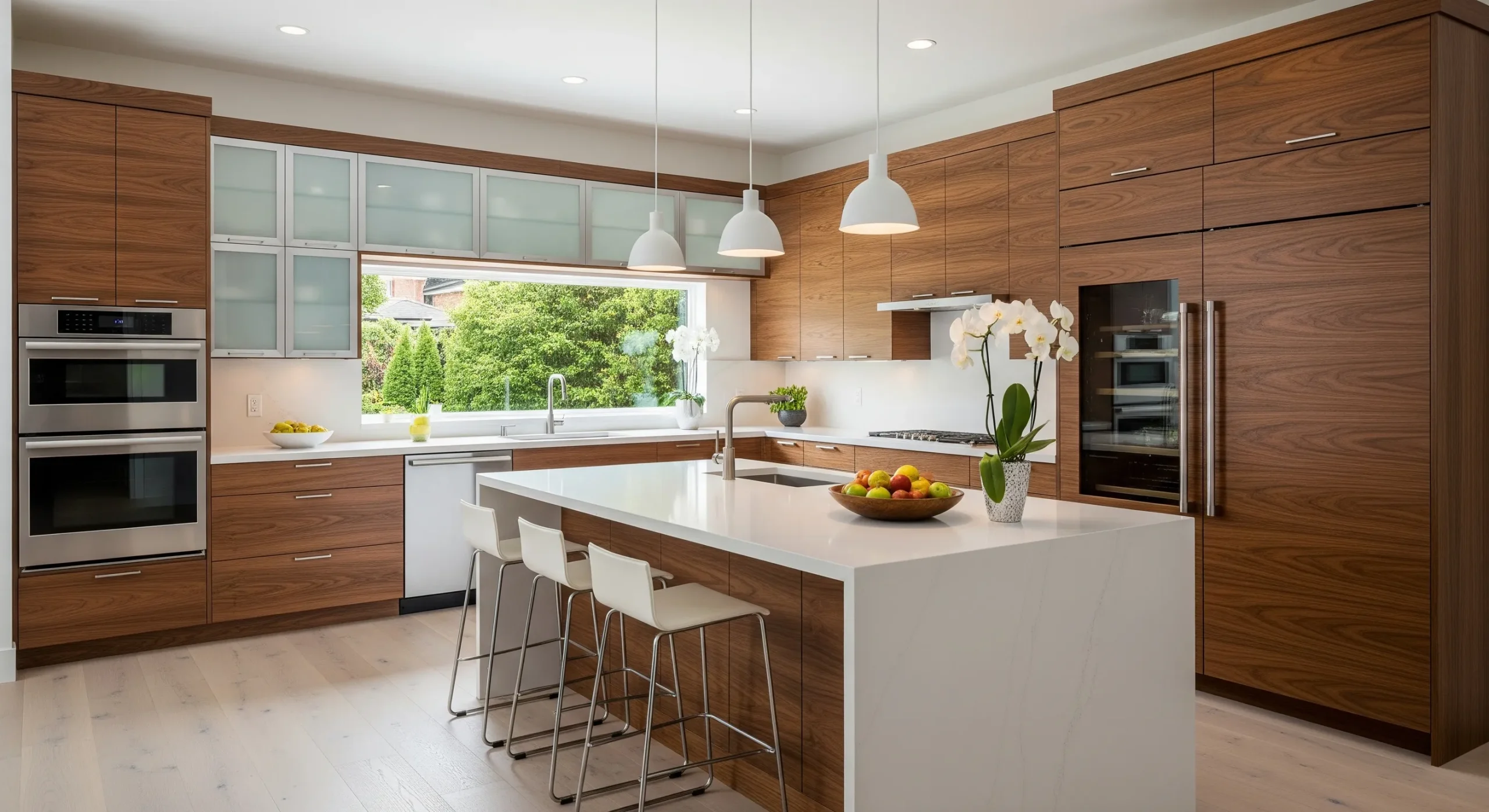
What a Flat Pack Kitchen Cabinet really is (and why it’s popular)
A Flat Pack Kitchen Cabinet is shipped in separate pieces—typically a cabinet box, back panel, hardware, and doors—packed compactly to reduce shipping volume and make transport easier. After delivery, the cabinet is assembled on-site, then installed like any other cabinet system. The big advantage is flexibility: you can move boxes through hallways and elevators more easily, store them neatly during renovation, and build the kitchen on your schedule.
Many buyers assume flat pack means “cheap,” but the truth is more specific: quality depends on the cabinet system, materials, hardware, and—most importantly—assembly accuracy. If the cabinet box is kept square and the hardware is installed correctly, a Flat Pack Kitchen Cabinet can look and feel just as solid as many pre-assembled options. The difference is that flat pack shifts some labor to the job site (or your installer).
Flat Pack Kitchen Cabinet: simple pros & cons
- Pros: easier delivery, easier staging, often better value, convenient for condo renovations.
- Cons: assembly takes time and precision; poor assembly can cause door/drawer alignment issues.
If your project has delivery constraints, tight access, or you’re trying to stay on a budget, flat pack is often a smart option—especially when you work with good Kitchen Suppliers who provide clear cabinet lists and reliable parts support.
Who should choose flat pack (and who shouldn’t)
A Flat Pack Kitchen Cabinet is a great fit when you care about value and flexibility, but it’s not automatically “best” for every situation. The right choice depends on your renovation timeline, your staging space, and whether you can assemble accurately (DIY) or hire someone experienced. Think of flat pack as a method: you’re buying a cabinet system that arrives compactly, then becomes a finished cabinet after careful assembly and installation.
Flat pack is ideal if you…
- Have tight delivery access (condo elevators, narrow hallways, limited staging).
- Want better budget control and fewer shipping headaches.
- Can assemble precisely or have an installer who does it regularly.
- Prefer ordering standard sizes and building a clean, practical layout.
Consider pre-assembled if you…
- Need speed above everything and want to reduce on-site labor time.
- Don’t have space to assemble cabinets or stage boxes during renovation.
- Have a contractor schedule that requires the fastest possible install.
The best approach is to match the format to the project reality. If you’re searching Kitchen cabinet Mississauga for a condo upgrade, flat pack often wins on logistics alone. If you’re doing a full house renovation and time is the biggest constraint, pre-assembled may simplify the timeline.

Quality checklist: how to judge a Flat Pack Kitchen Cabinet properly
When comparing a Flat Pack Kitchen Cabinet, ignore vague labels like “premium” or “budget” and focus on tangible details: cabinet box construction, edge finishing, hardware quality, finish durability, and completeness of the package (panels, fillers, toe kicks, trim). A reliable Kitchen Cabinet Supplier should be able to explain these clearly.
1) Cabinet box construction (the foundation)
The cabinet box carries weight: countertops, dishes, cookware, and daily use. Look for consistent panel thickness, clean edge sealing, and sturdy corner joining. A common reason flat pack projects fail is not the cabinet itself—it’s an out-of-square box caused by rushed assembly. A high-quality Flat Pack Kitchen Cabinet still needs correct assembly to perform at its best.
2) Hardware: hinges and drawer glides (the “feel”)
Hardware is what you feel every day. Soft-close hinges reduce slamming and improve comfort. Quality drawer glides support weight and stay smooth. If you’re building a value plan, it’s often smarter to keep door styling simple and upgrade hardware. This is exactly how many Low Price Kitchen Cabinet projects still feel premium.
3) Finish and maintenance (the real-life test)
Choose a finish that matches your lifestyle. Matte finishes often hide fingerprints; glossier finishes reflect more light but may show smudges. If you cook frequently, prioritize easy cleaning. If sunlight hits your cabinets directly, ask how finishes perform long-term. The best Flat Pack Kitchen Cabinet is not just the nicest-looking in a showroom—it’s the one that stays easy to live with.
Quick “buying confidence” rule
If the supplier provides an itemized list (sizes, panels, fillers, toe kicks), explains hardware clearly, and helps validate your plan, you’re usually in good hands. This is the standard you should expect from serious Kitchen Suppliers.
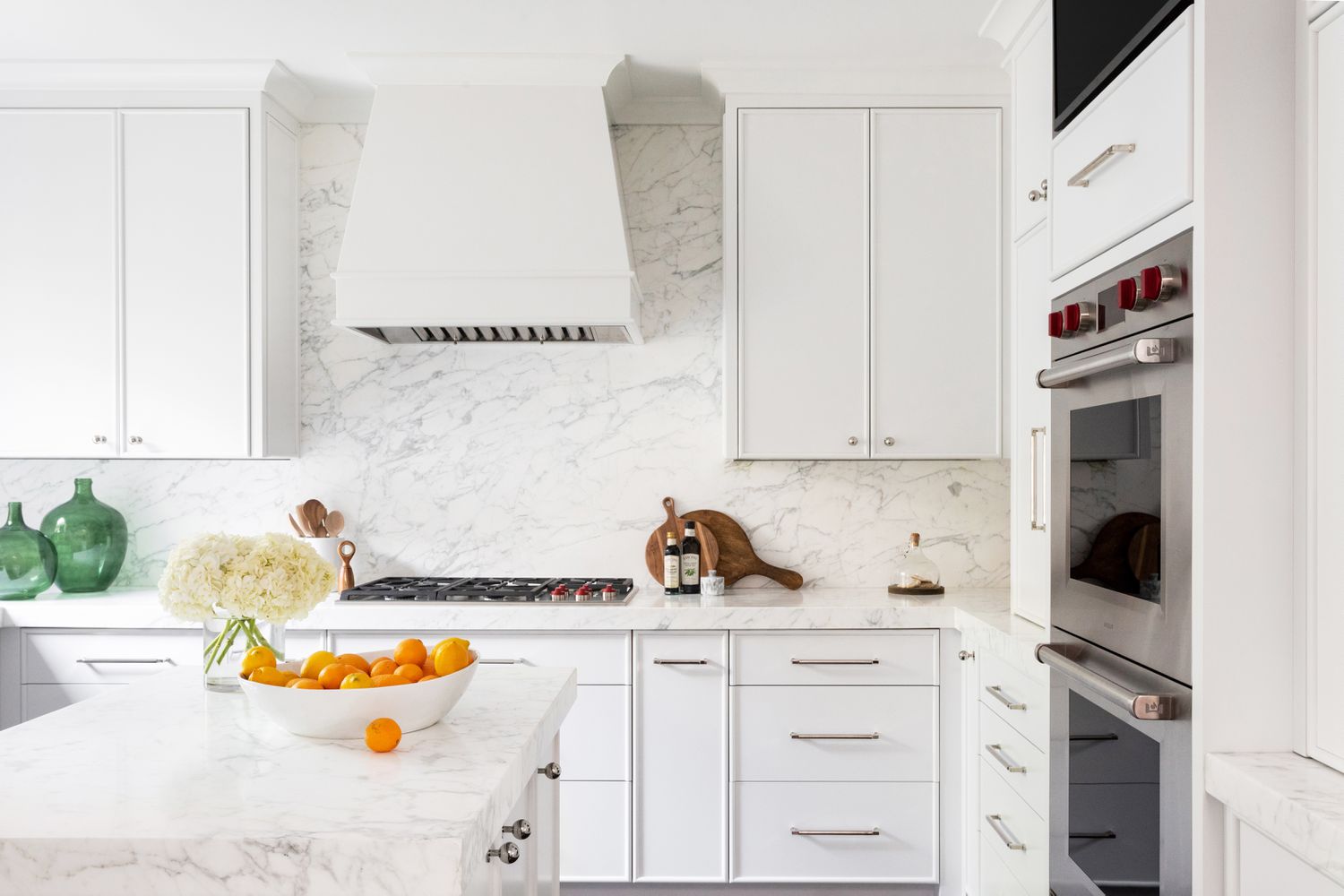
Design ideas: how to make a Flat Pack Kitchen Cabinet look “custom”
The secret to a high-end look is rarely “more expensive doors.” It’s consistency, clean finishing, and smart storage planning. With a Flat Pack Kitchen Cabinet, you can get a custom look by focusing on the same essentials designers use: alignment, panels, filler planning, and a clean hardware/lighting approach.
The “clean and modern” formula
- Choose a simple door style (shaker or slab) in a practical finish.
- Use panels to cover exposed cabinet sides for a finished look.
- Plan fillers at walls and appliances so doors open cleanly.
- Use drawers in work zones (prep + cooking) to improve daily use.
- Keep hardware consistent (one finish, one style family).
Two-tone without clutter
Two-tone kitchens can look custom with minimal extra cost. A simple method is light uppers + darker bases (or a standout island). Keep the palette limited to avoid visual noise. This works especially well in condos because it adds depth without making the room feel smaller. A well-planned Flat Pack Kitchen Cabinet layout can support this look easily with standard cabinet sizes.
If you’re choosing between styles with your supplier, ask them which finishes are easiest to maintain and which door styles are most popular for resale. Good Kitchen Suppliers will guide you based on real customer outcomes, not just trends.
Assembly & installation tips: how to get pro results with flat pack
The #1 rule for a Flat Pack Kitchen Cabinet is simple: keep the cabinet box perfectly square. A square box improves door alignment, drawer glide performance, and reduces gaps. Most “flat pack complaints” come from rushed assembly—so treat assembly like a precision step, not a quick step.
Tools and setup (keep it simple)
- A level and measuring tape (for install lines and checking walls).
- A square (or a reliable method to confirm squareness).
- Clamps (helpful for keeping panels aligned during assembly).
- A clean flat surface to assemble on (prevents twist/warp).
Step-by-step assembly habits that reduce mistakes
- Open and check parts first: confirm you have panels, hardware, and doors before assembling everything.
- Dry-fit mentally: understand what connects where before tightening fasteners.
- Square the box: measure diagonals or use a square; tighten only after it’s correct.
- Install hardware consistently: same hinge positions and door adjustments = cleaner look.
- Protect finish: use cardboard/blankets to prevent scratches during staging.
Most common install mistakes (avoid these)
- No filler planning: doors collide with walls or appliances.
- Missing panels: exposed cabinet sides look unfinished.
- Relying on the floor: floors are often uneven—use level reference lines.
- Rushing adjustments: most door gaps can be fixed with careful hinge tuning.
If you’re hiring help, ask whether they have experience with flat pack installation. A good installer can make a Flat Pack Kitchen Cabinet look truly custom—especially when panels and fillers are planned correctly.
Pricing: how flat pack supports a Low Price Kitchen Cabinet strategy
Many buyers choose a Flat Pack Kitchen Cabinet because it supports value. Compact packaging can simplify transport and staging, and it often gives you more options to keep a project within budget. But pricing isn’t just “the cabinets.” Total cost depends on the cabinet list (how many pieces), drawers vs doors, panels and fillers, hardware tier, and installation complexity.
If your goal is a Low Price Kitchen Cabinet plan, the smartest approach is to spend intentionally: keep sizes standard, avoid too many specialty accessories, prioritize drawers where you work, and budget for the finishing pieces that make the kitchen look complete. That’s how you get “looks expensive, costs less.”
Where to spend vs. where to save (simple version)
Spend on: hinges + drawer glides, drawers in prep/cooking zones, panels/fillers for a finished look.
Save on: excessive decorative trim, too many specialty pull-outs, unnecessary custom sizes.
Smart move: choose Flat Pack Kitchen Cabinet when delivery/staging is a problem (especially condos).
The easiest way to compare quotes is to compare complete cabinet lists. A lower price that excludes panels and fillers often becomes more expensive later. A good supplier will show you what’s included clearly and help you choose a plan that matches your goals.
Choosing Kitchen Suppliers and a Kitchen Cabinet Supplier (what to ask)
The best Kitchen Suppliers do more than sell boxes—they help you build a complete, correct order. A cabinet order is not just base cabinets and uppers. It’s also fillers, panels, toe kicks, trim pieces, and hardware. A reliable Kitchen Cabinet Supplier makes sure you don’t discover missing parts during installation.
Supplier checklist for flat pack success
- Itemized cabinet list: sizes, quantities, and descriptions should be clear.
- Hardware clarity: hinge and glide details; what’s included vs upgraded.
- Finishing pieces: panels, fillers, toe kicks, trim—confirm they’re included in the plan.
- Lead time + delivery: how long, how delivered, and what constraints exist for condos.
- Support: what happens if a part arrives damaged or is missing.
Want the fastest path? Use this rule: if the supplier can explain your cabinet list clearly and help validate measurements, they’re likely a good fit. You can explore options via: Kitchen Suppliers, Kitchen Cabinet Supplier, and budget-friendly Low Price Kitchen Cabinet lines.
If you’re also browsing local searches like Kitchen Cabinet Mississauga, prioritize suppliers who understand condo logistics and provide complete finishing parts—because those details affect final results more than most people expect.
Mississauga notes: why flat pack is common for condo & tight-access projects
Many local renovations involve condos or tight delivery access. That’s a big reason a Flat Pack Kitchen Cabinet is popular: compact boxes are easier to move, easier to stage, and easier to coordinate with elevator booking rules. If you’re searching Kitchen cabinet Mississauga with a condo renovation in mind, flat pack can reduce logistical stress and help you keep the project on schedule.
Practical tip: plan where boxes will be staged before delivery day. Keep pathways clear and protect surfaces. Then assemble in a clean area to prevent twisting or scratching. These steps sound simple, but they make a big difference in how the final kitchen looks.
If you want help choosing the best setup for your space, start with a supplier who can review your layout and provide a clear parts list—including panels, fillers, toe kicks, and trim. That’s how most successful flat pack projects avoid surprises.
FAQ: Flat Pack Kitchen Cabinet
Summary: the simplest way to succeed with flat pack
A Flat Pack Kitchen Cabinet is a smart option when you want budget control and easier delivery/staging—especially for condos and tight-access projects. The winning formula is: plan layout first, keep sizes standard, invest in hardware and key drawers, and don’t skip panels/fillers that create a finished look.
If you want help comparing options, start with trusted Kitchen Suppliers and a reliable Kitchen Cabinet Supplier. For local searches such as Kitchen cabinet Mississauga or Kitchen Cabinet Mississauga, focus on clear cabinet lists, realistic lead times, and complete finishing parts—because that’s what makes the final kitchen look polished.