
The Complete History of RTA Cabinets in Canada
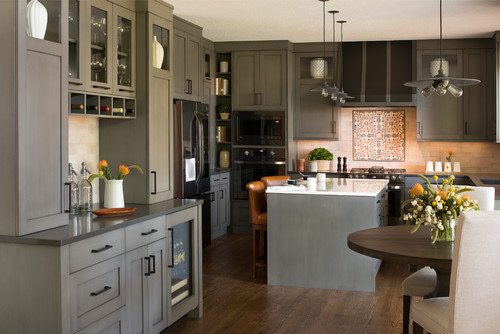
The History of RTA Cabinets is a story of innovation that has revolutionized home design, offering a transformative solution for homeowners. At rtadepot.ca, we build on this incredible legacy by providing high-quality, stylish, and affordable cabinetry that solves your storage dilemmas. We turn renovation dreams into reality, drawing from the rich history of RTA Cabinets to offer the best modern solutions that address the real-world challenges faced by Canadian families today.
1. Understanding the History of RTA Cabinets and Their Rise in Canada
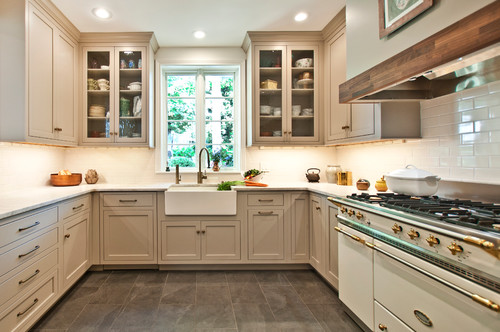
For many Canadian homeowners, the kitchen is the heart of the home, but it can also be a source of daily frustration. Outdated cabinets, inefficient storage, and a layout that hinders workflow can make a space feel chaotic. Understanding the history of RTA Cabinets shows how a powerful solution was developed for this exact problem. You may dream of a beautifully organized, modern kitchen but feel discouraged by the high costs and long timelines associated with custom-built options.
The rise of Ready-to-Assemble cabinets has fundamentally changed the Canadian home renovation landscape. This evolution, a key part of the history of RTA Cabinets, has empowered homeowners to achieve a high-end look without the prohibitive price tag. At rtadepot.ca, we are proud to be at the forefront of this movement, offering premium cabinets that are the culmination of decades of progress in design and manufacturing.
1.1. Why is a New Kitchen a Top Priority in Canada?
In Canada, a kitchen renovation is more than just an aesthetic upgrade; it is an investment in your quality of life and your home’s value. An organized, functional kitchen can streamline your daily routines, from making morning coffee to preparing family meals. It becomes a welcoming hub for gathering with loved ones. Furthermore, a modern kitchen is one of the single most effective ways to increase the resale value of your Canadian property, offering a significant return on investment.
1.2. The Foundational Chapter in the History of RTA Cabinets
The concept of flat-pack furniture has its origins in the mid-20th century. The invention that started the history of RTA Cabinets is widely credited to Gillis Lundgren, a Swedish designer for IKEA, in 1956. The story goes that Lundgren, struggling to fit a table into his car, removed the legs. This simple act sparked a revolutionary idea: selling furniture in a disassembled state for easier transport and customer assembly, a concept that would define the industry.
This concept was a paradigm shift in manufacturing. By shipping products in flat boxes, companies saved significantly on storage and transportation. These savings were passed to the consumer, making well-designed furniture more accessible. This core principle of affordability and efficiency laid the groundwork for the modern products we see today, continuing the history of RTA Cabinets and making stylish homes attainable for more people.
2. The Detailed History of RTA Cabinets’ Evolution in North America
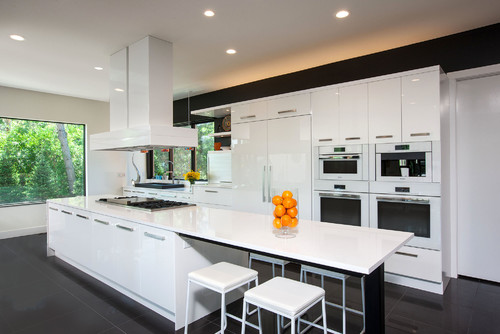
The history of RTA Cabinets in North America is a fascinating journey of technological advancement and changing consumer expectations. What began as a simple solution for affordable furniture has blossomed into a sophisticated industry. It now offers a vast array of styles and high-end features. This evolution was driven by a desire to provide homeowners with a product that is cost-effective, beautiful, and highly functional, responding directly to the needs of a growing market.
2.1. Setting the Stage: Post-War Manufacturing and Suburban Growth
To understand the success of the RTA concept in Canada, we must look at the conditions following World War II. The post-war era saw an unprecedented boom in manufacturing capabilities. Factories that had been producing materials for the war effort were repurposed for consumer goods. This industrial capacity, combined with a housing boom and the rapid expansion of suburbs across Canada, created a massive new market of homeowners who needed to furnish their properties affordably and efficiently, setting the stage for the RTA revolution.
2.2. Early Chapters in the History of RTA Cabinets: Function Over Form
In the 1970s and 1980s, as the concept gained a foothold in Canada, the focus was almost entirely on practicality. The primary selling point was the low price. Manufacturing processes were simpler, and materials were chosen for cost-effectiveness. Particleboard, often covered in a thin wood-grain laminate like Formica, was the standard. Hardware was basic, consisting of simple hinges and metal drawer slides. This early stage in the history of RTA Cabinets served its purpose but lacked the durability of custom-built counterparts.
2.3. The Influence of European Design on North American Style
During this early period, North American design began to draw inspiration from European trends, particularly the clean, minimalist lines of Scandinavian and German kitchens influenced by the Bauhaus movement. As Canadian homeowners sought more contemporary styles, RTA manufacturers saw an opportunity. They started to produce cabinets that mirrored these popular European aesthetics, offering flat-panel doors and simple, unadorned designs. This helped elevate the perception of RTA products from purely functional to fashion-forward within the broader history of RTA Cabinets.
2.4. The Rise of the DIY Culture and Canadian Retail
The 1990s saw a significant shift with the explosion of the Do-It-Yourself culture across Canada, spurred by home improvement shows and the growth of big-box stores. Retailers like Home Hardware and Rona brought home improvement products to the masses. This created a perfect environment for these products to flourish. Manufacturers responded by improving assembly instructions, introducing more intuitive hardware, and expanding their range of styles. This pivotal era in the history of RTA Cabinets made them a truly viable option for the savvy Canadian homeowner.
2.5. The Digital Age and a Leap in Quality
The new millennium brought the most significant transformation in the history of RTA Cabinets. Online retailers like rtadepot.ca could now connect directly with consumers across Canada, offering a wider selection. This direct-to-consumer model further reduced costs, making premium options more affordable than ever and allowing Canadians in even remote areas to access a world of design choices.
Simultaneously, manufacturing technology took a giant leap forward. Computer-numerical-control (CNC) machinery allowed for incredibly precise cutting to within fractions of a millimeter. This meant that every component could be made to exact specifications, ensuring a perfect fit and a much simpler, more stable assembly process. The quality had reached a new high, marking a mature phase in the history of RTA cabinets.
3. How Has the Quality Transformed Throughout the History of RTA Cabinets?
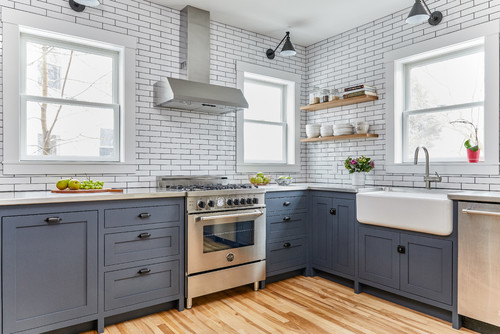
The quality within the history of RTA Cabinets has transformed dramatically. The industry has moved from basic particleboard to premium materials like furniture-grade plywood, solid wood dovetail drawers, and advanced features like soft-close hinges, all crafted with high-precision manufacturing for superior durability and a high-end finish.
One of the most important stories in the history of RTA Cabinets is the dramatic improvement in quality. The old stereotype of flimsy furniture has been replaced by a reality of durable, high-performance cabinetry. This quality often rivals custom work in terms of materials and construction. This focus on quality directly addresses the Canadian homeowner’s desire for a solution that will stand the test of time in a busy household.
3.1. A New Standard in Materials: Plywood vs. Particleboard
The core of any cabinet is its construction material. Early in the history of RTA Cabinets, particleboard (made of wood chips and resin pressed together) was the norm due to its low cost. While functional, it was prone to moisture damage and could sag under weight. Today’s premium products use furniture-grade plywood. Plywood is made from thin layers of wood veneer (plies) glued together, with the grain of each layer perpendicular to the last. This cross-graining creates a stronger, more stable, and significantly more water-resistant cabinet box, essential for kitchens and bathrooms in Canada’s varied climate.
3.2. Beyond the Box: The Strength of Dovetail Drawers
A true hallmark of quality cabinet construction is the use of dovetail joinery in drawer boxes. In the past, RTA drawer boxes were often stapled together from particleboard. Today, high-quality options feature solid wood drawer boxes with strong, interlocking dovetail joints. This method creates an incredibly durable drawer that can withstand years of heavy use, a significant milestone in the history of RTA Cabinets and a critical feature for long-term satisfaction.
3.3. Advanced Finishing Techniques for Lasting Beauty
The finish on a cabinet door is not just for looks; it is a critical layer of protection. Modern RTA cabinets utilize multi-step finishing processes. For stained wood, this often involves a catalyzed conversion varnish. This is a chemically cured finish that creates a much harder and more durable surface than simple lacquer. For painted doors, multiple coats of high-quality paint are applied and baked for a resilient finish that resists chipping and yellowing over time.
3.4. A Key Part of the History of RTA Cabinets: Hardware Advancements
The hardware is the functional heart of your cabinetry. This is another area where modern RTA products excel. Soft-close technology is now a standard feature, preventing doors and drawers from slamming shut. This not only creates a quieter kitchen but also reduces wear and tear. Concealed hinges with six-way adjustability ensure perfect door alignment, while full-extension, soft-closing drawer glides provide smooth operation and easy access to the entire drawer.
4. RTA vs. Custom Cabinets: A Comparative Analysis
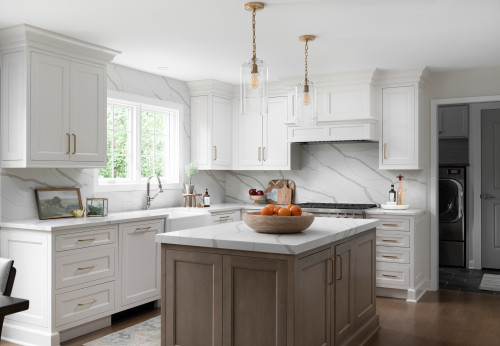
Understanding the history of RTA cabinets helps clarify their position in the market today relative to traditional custom cabinets. For many Canadian homeowners facing a renovation, this is the central choice. While custom cabinets offer bespoke solutions, modern RTA cabinets provide a compelling blend of quality, style, and value that makes them the right choice for a majority of projects.
4.1. The Cost Factor: A Detailed Breakdown
The most significant advantage of RTA cabinets is the cost. A typical 10×10 kitchen can cost 50-70% less with high-quality RTA cabinets compared to custom work. This massive saving comes from several areas. First, manufacturing is streamlined and done at scale, reducing the cost per unit. Second, by having the customer perform the final assembly, you eliminate the significant cost of factory labor. Finally, the flat-pack shipping model is vastly more efficient, reducing freight costs that are otherwise passed on to the consumer.
4.2. Time and Lead Times: Immediate vs. Weeks of Waiting
Time is a valuable resource in any renovation. Ordering custom cabinets is a lengthy process that often involves multiple consultations, detailed design work, and a build time that can stretch from 8 to 16 weeks, or even longer. In contrast, RTA cabinets are typically in-stock and ready to ship. For a Canadian homeowner, this means your new kitchen can be delivered in a matter of days or weeks, allowing your project to move forward quickly and predictably.
4.3. Customization and Flexibility
While custom cabinets offer limitless options in size and finish, it’s a common misconception that RTA cabinets are inflexible. Modern RTA cabinet lines come in a vast range of standard sizes in 3-inch increments. Using these standard sizes, along with accessories like filler strips, trim panels, and moulding, a skilled designer can create a layout that fits your space perfectly and looks completely custom. You can achieve a high-end, built-in look while still benefiting from the value of RTA.
5. A Practical Guide to Modern RTA Cabinets
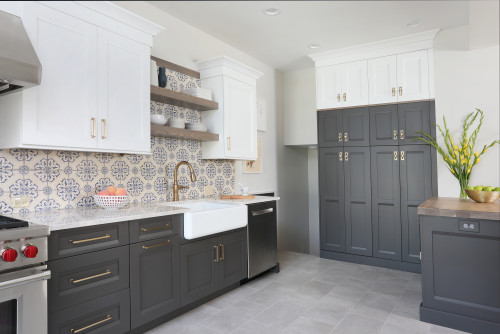
Choosing modern RTA cabinets means you benefit from the entire history of RTA Cabinets and its innovations. The process, from planning to installation, is more accessible than ever before. At rtadepot.ca, we ensure you have the support to achieve a professional-quality result, turning a daunting task into a rewarding experience.
5.1. Planning Your RTA Cabinet Installation
Success begins with careful planning. Before ordering, accurately measure your kitchen space. Note the locations of walls, windows, doorways, and existing plumbing and electrical outlets. A simple rule is to measure everything twice. Use these measurements to create a floor plan. Consider the classic “kitchen work triangle”—the path between your sink, stove, and refrigerator—to ensure your layout is efficient and ergonomic.
Once you have a layout, you can create a detailed list of the cabinets you need. Do not forget essential finishing pieces like filler strips (to cover gaps against walls), toe kicks for the cabinet base, and decorative crown moulding for the top. These elements are crucial for a polished, built-in look. Our design experts at rtadepot.ca can help you finalize this list to ensure nothing is missed.
5.2. Step-by-Step Assembly Guide
Our cabinets are engineered for precision and simplicity. Each is shipped flat-packed with all necessary hardware and clear instructions.
Step 1: Preparation is Key First, unpack all components and verify them against the parts list. Work in a clean, spacious area, and lay down a soft blanket or cardboard to protect the finish of your cabinet pieces from scratches during assembly.
Step 2: Building the Cabinet Box Following the instructions, attach the side panels to the bottom panel using the provided clips or cam-lock system. These mechanisms are designed for strength and ease of use. Apply a small bead of wood glue in the joints for added, long-term rigidity.
Step 3: Assembling Drawers and Doors Assemble the solid wood dovetail drawer boxes and attach the doors to the cabinet box using the provided soft-close hinges. You can then make fine adjustments to the hinges (up/down, in/out, left/right) to ensure all your doors have perfect, even gaps for a professional look.
6. Design Inspiration Reflecting the History of RTA Cabinets
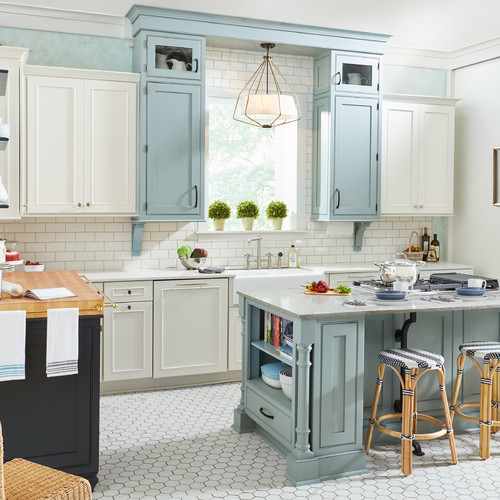
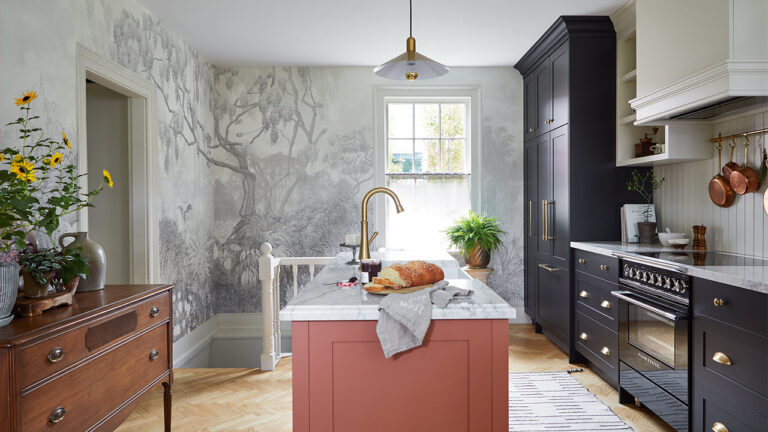
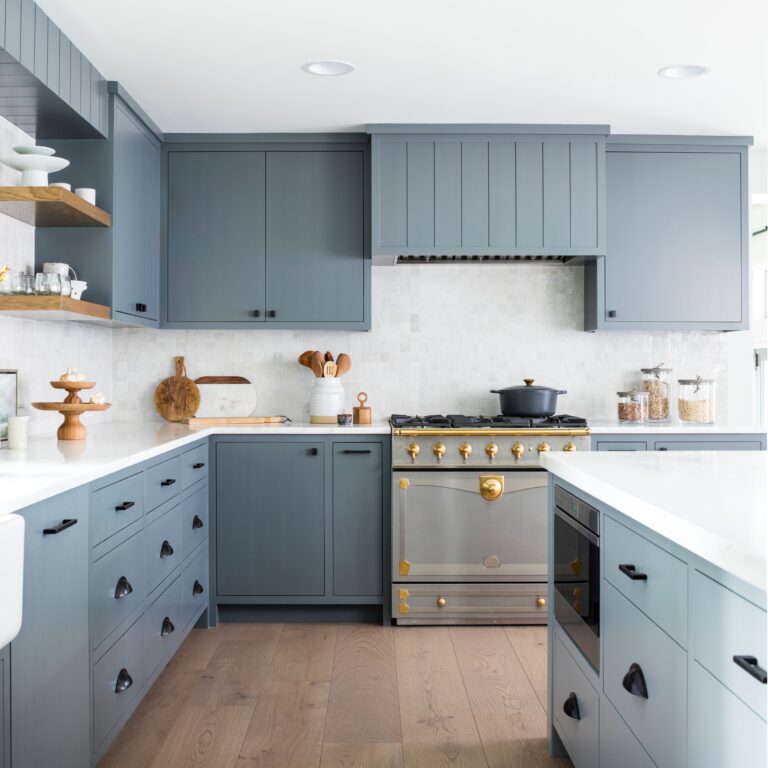
Today’s RTA cabinets offer the versatility to bring any Canadian design vision to life. Drawing from the diverse styles developed throughout the history of RTA Cabinets, you can create a room that reflects your personality. A new kitchen is an opportunity to solve storage problems and dramatically enhance your home’s aesthetic, from ultra-modern to timelessly traditional.
6.1. The Modern Farmhouse
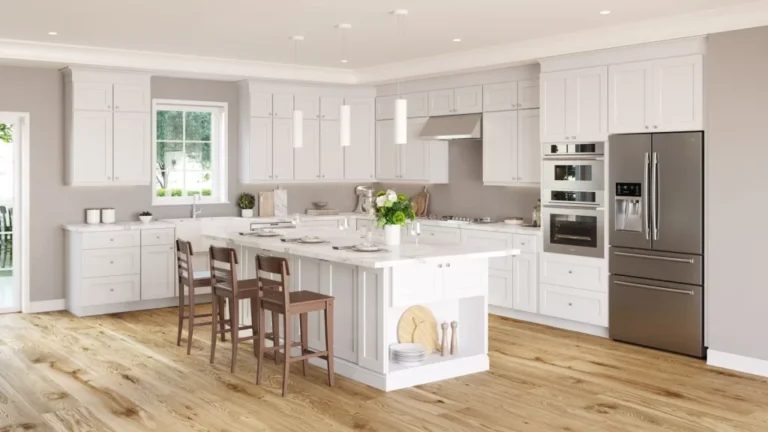
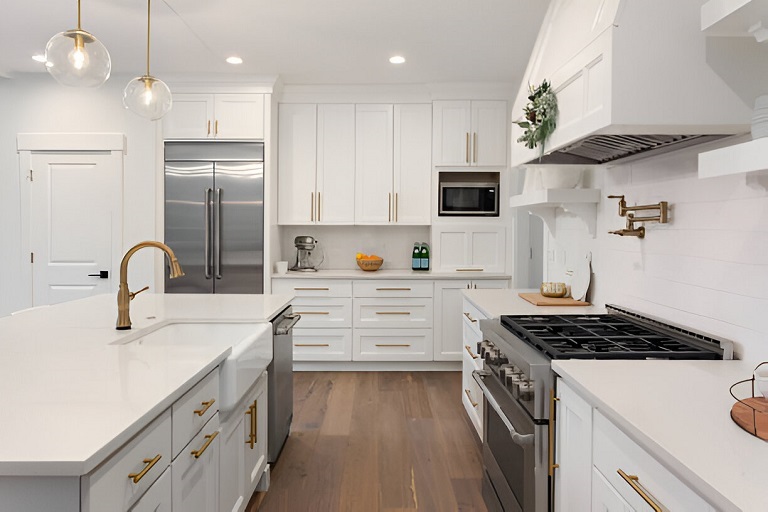
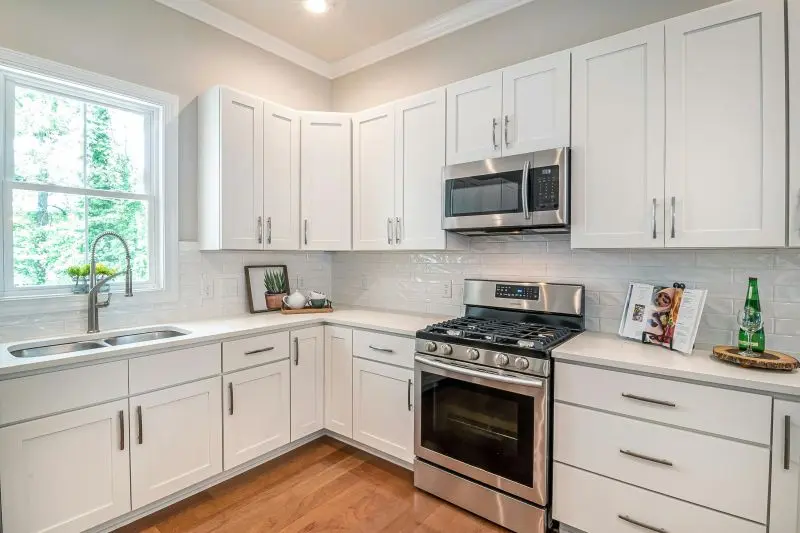
This style blends rustic charm with clean, contemporary lines, a favorite in many Canadian homes. Achieve this look with classic Shaker-style cabinets in a soft white or light grey finish. The Shaker door is a timeless design that has been a staple throughout much of the recent history of RTA cabinets. Pair them with a butcher block island and matte black hardware to complete the inviting aesthetic.
6.2. Sleek and Contemporary
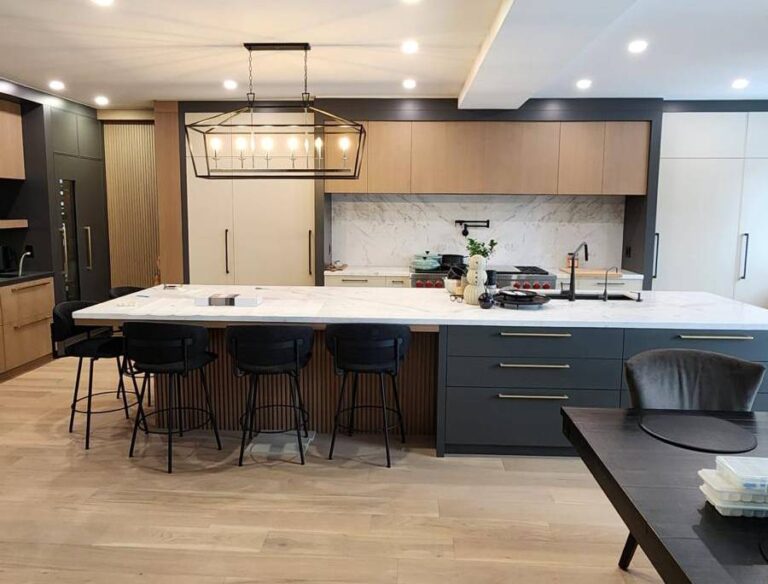
For a minimalist look, choose flat-panel (slab) cabinets in a high-gloss white or a sophisticated, dark matte finish. This style, rooted in the European design influences from the history of RTA cabinets, emphasizes clean lines and an uncluttered feel. Opt for simple, linear hardware or a handle-less, push-to-open system for the ultimate in modern sophistication.
6.3. Warm and Natural Japandi
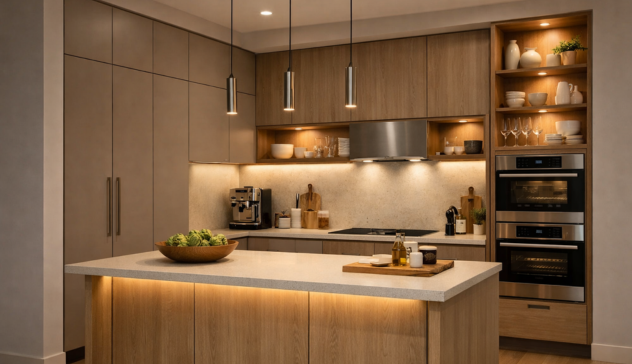
Japandi is a popular hybrid style blending Japanese minimalism with the warmth of Scandinavian design. Achieve this look with light wood-tone RTA cabinets, such as a natural maple or white oak finish. Focus on simple forms, natural textures, and a clutter-free environment. This aesthetic creates a serene and calming kitchen space that feels both modern and timeless, a sophisticated choice for any Canadian home.
6.4. Mid-Century Modern
Capture a retro yet timeless vibe with Mid-Century Modern design. Use flat-panel cabinets in a natural wood finish, like walnut. This style is characterized by clean lines, organic shapes, and minimal ornamentation, a look that became popular during a key period in the history of RTA Cabinets. Pair the cabinets with tapered legs on an island, geometric tile, and vintage-inspired lighting to complete the look.
7. Benefit from the History of RTA Cabinets Today
The journey to a new kitchen should be one of excitement. Yet, many Canadian homeowners feel overwhelmed by the challenge of finding a solution that is affordable, stylish, and durable. The entire history of RTA Cabinets has been about solving this exact problem, evolving from a simple box to a high-quality, customizable solution for the modern home.
This is where expert guidance makes all the difference. Imagine a kitchen that is perfectly organized, stunning, and built with high-quality materials. This vision is achievable with modern RTA cabinets. At rtadepot.ca, we specialize in turning these frustrations into beautiful realities for homeowners across Canada, leveraging the best innovations from the history of RTA Cabinets.
Take the first step towards your new kitchen today. Our team is eager to help you create a space that you and your family will love for years to come. Contact rtadepot.ca now at our hotline, +1 888 973 5636, and let us start building your dream together.

Sang Vi is a Senior Interior Designer and founder of Wedesign Interior Lab, as well as CEO of the Wedesign Interior Lab, MOC Concepts (Kitchen Cabinets), and Sang Vi Woodworking Manufacturer group. Since 2019, Sang has led an NKBA-certified team specializing in kitchen planning and cabinetry, completing dozens of projects each year across Toronto and other regions in Canada. With deep, hands-on experience in both custom millwork and ready-to-assemble (RTA) kitchen cabinets, Sang focuses on creating designs that are functional, durable, and easy to install. On this RTA platform, Sang shares practical, real-world insights to help homeowners choose, plan, and optimize their kitchen cabinet systems with confidence