
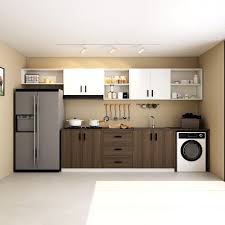
The Ultimate Comprehensive Guide to RTA Kitchen Cabinets and Custom Replacement Doors in Canada
A home’s kitchen serves as the central hub for cooking, dining, and family gatherings. When this vital space feels outdated, visually unappealing, or functionally inefficient, it significantly impacts your daily routine and overall comfort. Upgrading your culinary environment does not necessarily require a complete, disruptive, and exorbitantly expensive custom renovation.
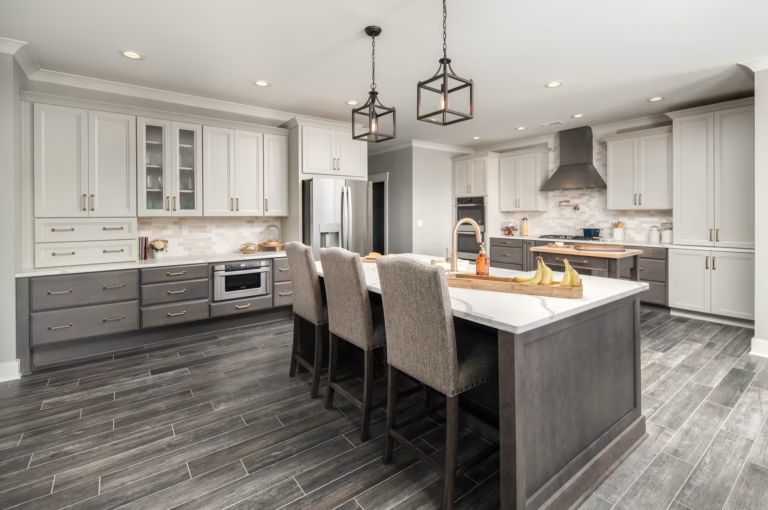
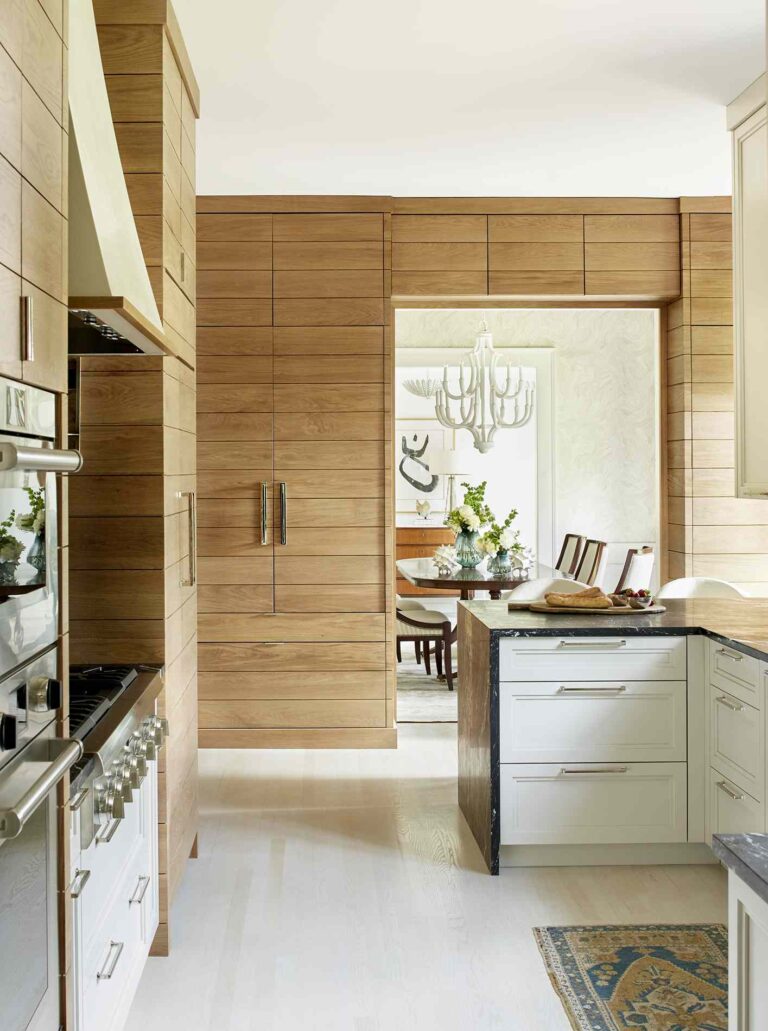
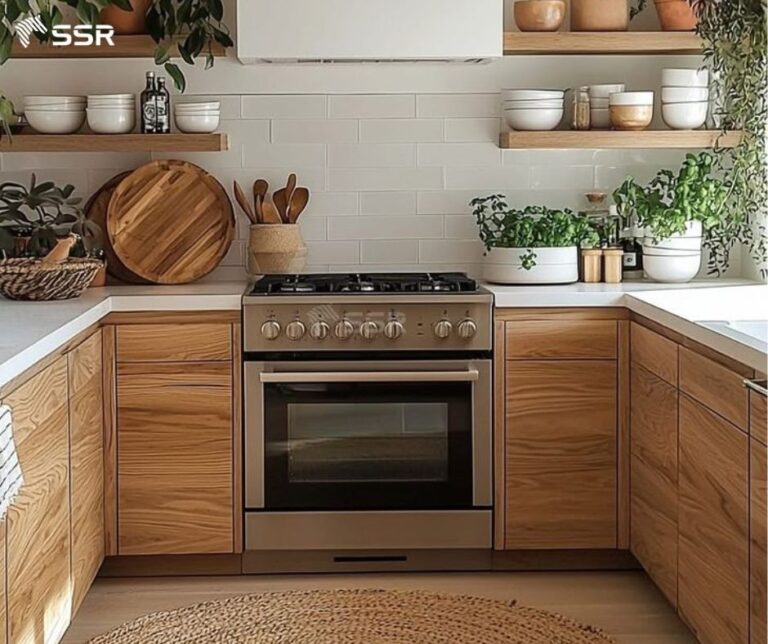
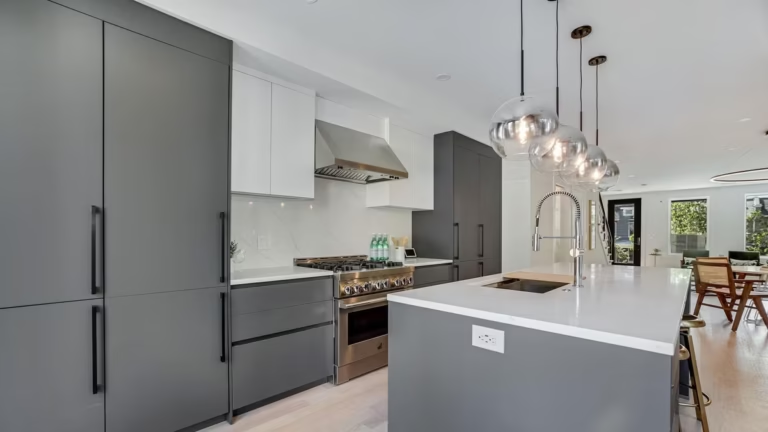
By leveraging the strategic advantages of Ready-to-Assemble cabinetry and premium replacement components, homeowners across Canada can achieve a stunning, highly functional transformation. Exploring the best kitchen cabinet colors Canada can also help you match your new aesthetic to current design trends. Replacing old kitchen cabinet doors is often the most impactful step.
This comprehensive guide explores every aspect of modern cabinetry, from architectural design principles for high-quality kitchen cabinets and material selection to precise measurement techniques and localized solutions for properties across the country.
1. Understanding Ready-to-Assemble Kitchen Cabinets
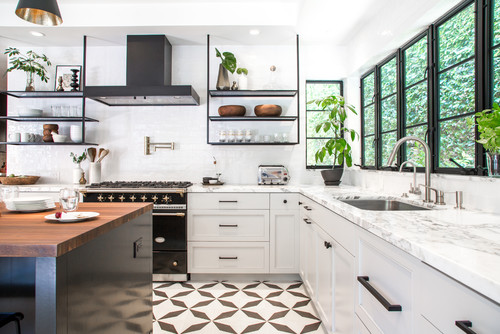
Ready-to-Assemble cabinetry has revolutionized the home improvement industry by democratizing access to high-quality, aesthetically pleasing storage solutions. Choosing a Flat Pack Kitchen Cabinet along with premium kitchen cabinet doors is an excellent way to save money while maintaining high structural quality. Unlike traditional pre-assembled units that require massive warehouse space and expensive shipping logistics, flat-pack products are engineered for maximum efficiency.
Instead of entirely new boxes, many Canadians simply order new kitchen cabinet doors to refresh their space. They are manufactured in state-of-the-art facilities using precision milling machines, ensuring that every joint, groove, and pre-drilled hole aligns flawlessly. This method is highly popular for those seeking a cheap Price without sacrificing durability.
1.1. The Modern Manufacturing Process
The production of modern flat-pack kitchen cupboards involves sophisticated computer-aided design and computer numerical control routing. This technology ensures that the structural integrity of the built-in cabinets is uncompromising. Manufacturers utilize premium materials, routing precise interlocking joints that provide exceptional stability once constructed.
The panels are carefully inspected, finished with durable coatings, and packed tightly into flat boxes. This packaging method drastically reduces shipping damages and transportation costs. These savings are directly passed on to the consumer. For a seamless look, pairing these boxes with custom kitchen cabinet doors creates a beautiful finish.
1.2. Structural Integrity and Hardware Engineering
A common misconception regarding flat-pack furniture is a presumed lack of durability. However, premium suppliers utilize high-density plywood boxes and solid wood face frames. This construction rivals the quality of fully custom-built units. When you attach high-quality kitchen cabinet doors to these frames, the result is incredibly sturdy.
The inclusion of heavy-duty, steel-constructed cam lock systems or classic wood glue and staple assembly methods ensures a rigid, unyielding frame. Furthermore, the integration of specialized hardware elevates the tactile experience. Features like six-way adjustable European concealed hinges on your kitchen cabinet doors provide a smooth, silent operation that defines luxury living in Canada.
2. RTA Kitchen Cabinets in Toronto
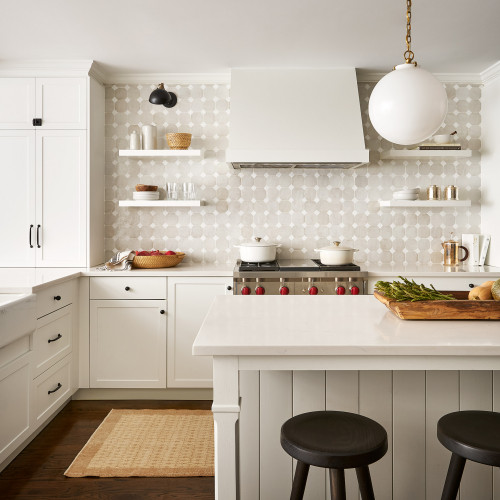
Urban living presents a distinct set of architectural and logistical challenges. Toronto homeowners often navigate renovations within confined spaces, such as high-rise condominiums in the downtown core or narrow Victorian row houses in Cabbagetown. Finding a reliable Kitchen Cabinet Supplier in your area ensures timely delivery for these tight urban projects.
Adapting to these unique spatial constraints requires innovative kitchen units that do not compromise on visual appeal. Upgrading your kitchen cabinet doors is a fantastic way to modernize these compact spaces without a full tear-out. It is a preferred method for many city dwellers.
2.1. Renovating Toronto Condos and Historic Properties
In Toronto condos, space is a premium commodity. Galley kitchens and single-wall layouts are incredibly common, requiring vertical storage optimization. Taller upper wall units that reach the ceiling are highly sought after to maximize every square inch. Utilizing sleek kitchen cabinet doors on these tall units creates the illusion of a larger room.
Flat-pack solutions are particularly advantageous for condominium renovations because the flat boxes can easily fit into standard residential elevators. This is a logistical impossibility for a bulky premade kitchen cabinet. For older historic homes, the flexibility of adjustable leveling legs makes these adaptable systems perfect.
You can easily integrate modern functionality into heritage spaces. Adding historically accurate kitchen cabinet doors helps preserve the charm of the property while providing modern convenience.
2.2. Sourcing Reliable Materials in the GTA
When executing a kitchen renovation in Toronto, sourcing materials from reliable suppliers within the Greater Toronto Area ensures timely delivery. Many top Kitchen Suppliers operate distribution centers near the city to streamline this process. Localized distribution centers reduce transit times and minimize the carbon footprint associated with long-haul shipping.
Access to local design professionals who understand specific building codes and condo board regulations is an invaluable asset. They can help you select the perfect kitchen cabinet doors for your specific climate and lifestyle. This local expertise guarantees a stress-free remodeling experience for your Canadian home.
3. RTA Kitchen Cabinets in Mississauga
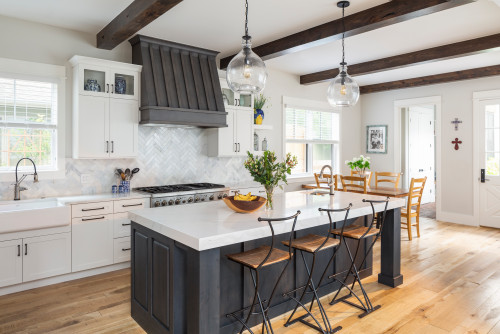
Moving westward from the urban density of the city center, the architectural landscape shifts significantly. Mississauga homes typically feature larger footprints, encompassing expansive suburban single-family properties and generous townhouses. When sourcing a Kitchen Cabinet Mississauga, you will find options that perfectly fit these broader suburban layouts. In fact, selecting the right cabinets in Mississauga can dramatically transform your home’s entire main floor appeal.
These environments offer the canvas for grander culinary designs, including massive center islands and extensive pantry walls. Installing beautiful new kitchen cabinet doors across a large kitchen creates a breathtaking visual impact.
3.1. Upgrading Mississauga Townhouses and Single-Family Homes
For Mississauga townhouses, the kitchen is often the visual anchor of the main floor. Homeowners in this region frequently prioritize expansive counter space and robust storage for growing families. The cost-effectiveness of flat-pack cabinetry allows residents to stretch their renovation budgets much further.
Instead of compromising on the number of units, homeowners can afford to wrap their entire space in beautiful, durable storage. This is where selecting premium kitchen cabinet doors becomes crucial for the overall aesthetic. You can incorporate specialty items like lazy susans and pull-out spice racks behind matching kitchen cabinet doors.
3.2. Localized Logistics and Assembly in the Peel Region
Delivery and assembly logistics in the Peel Region benefit from the accessibility of major transportation arteries. Local suppliers often provide comprehensive cabinet services ranging from curbside delivery to professional in-home assembly. The spacious driveways typical of Mississauga homes make receiving flat-pack boxes incredibly straightforward.
Homeowners can easily allocate a section of their garage as an assembly staging area. This facilitates a highly organized installation process. Once the boxes are built, attaching the kitchen cabinet doors is a simple final step that brings the whole room to life.
4. How Do RTA Kitchen Cabinets Compare in Cost vs. Custom and Pre-Assembled in 2026?
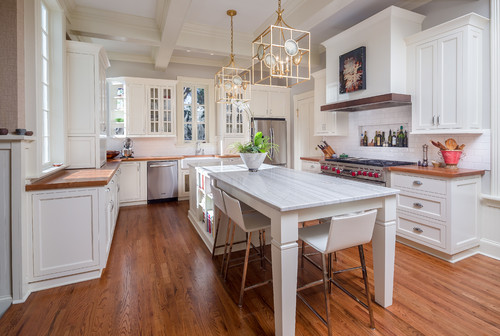
Recent 2026 market data indicates that Ready-to-Assemble (RTA) cabinets cost between $2,800 and $5,200 for a standard 10×10 kitchen in Canada, saving homeowners up to 45% compared to pre-assembled retail units and over 75% versus fully bespoke custom cabinetry.
Navigating the financial aspects of a home remodel requires a clear understanding of where your investment is going. Kitchen storage cabinets usually consume the largest portion of a renovation budget. It is crucial to analyze the value proposition of different manufacturing and delivery models.
A standard retail option might seem convenient, but it often lacks custom sizing and includes hidden freight costs. If you want a truly tailored look, ordering specific kitchen cabinet doors is often more economical than buying fully bespoke, customized cabinets from traditional cabinet makers.
4.1. Upfront Material Costs and Value Proposition
Fully custom cabinetry involves bespoke design and hundreds of hours of manual carpentry, resulting in premium pricing. Pre-assembled retail cabinets offer convenience but include the hidden costs of factory assembly labor. Ready-to-Assemble solutions strike the optimal balance. Finding a Low Price Kitchen Cabinet does not mean sacrificing quality.
By transferring the assembly process to the homeowner, the upfront cost is dramatically reduced. In fact, for the price of entry-level pre-assembled units, Canadian consumers can purchase premium flat-pack units. You can even upgrade to luxury kitchen cabinet doors while staying well within your budget.
Many people compare these options to an ikea cabinet setup, but professional RTA lines often offer thicker plywood construction. Pairing strong boxes with high-end kitchen cabinet doors gives you a designer look for less.
4.2. What is the Long-Term ROI for Kitchen Upgrades in Canadian Real Estate?
According to 2026 Canadian real estate appraisals, minor kitchen remodels focusing on fresh cabinet doors, modern hardware, and quality RTA structures yield a staggering ROI of 84% to 89% upon resale, making it one of the most profitable home improvements available today.
Investing in high-quality kitchen units yields a substantial return on investment when evaluating Canadian real estate. Kitchens are primary selling features. A well-designed space featuring durable materials and modern finishes significantly increases property valuation.
Because the underlying structures of premium flat-pack units are built to last, homeowners enjoy a lasting aesthetic. Updating the space later is also easy; future buyers can simply swap the kitchen cabinet doors if they prefer a different color. This ensures the initial investment continues to pay dividends over time.
5. The Evolution of Kitchen Cabinet Doors
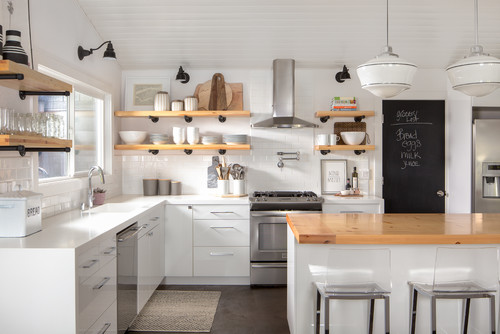
The aesthetic identity of your culinary space is dictated almost entirely by the cabinet fronts. Replacing old, worn kitchen cabinet doors is a highly efficient method for updating a room’s visual profile without undertaking a full demolition.
Many homeowners in Canada opt for brands like nieu cabinet doors to achieve a specific custom painted look on existing boxes. Choosing the right kitchen cabinet doors completely transforms the atmosphere of the home.
5.1. Exploring Traditional and Modern Aesthetics
Cabinet door styles have evolved to accommodate a vast spectrum of interior design preferences.
- ✓Shaker Style: Is characterized by a five-piece design with a recessed center panel. This style offers timeless versatility for your kitchen cabinet doors, blending seamlessly into both transitional and contemporary Canadian homes.
- ✓Slab Style: Features a completely flat, unembellished surface. Slab kitchen cabinet doors are the hallmark of ultra-modern, minimalist designs, often paired with frameless construction for a sleek, European aesthetic.
- ✓Raised Panel: Design has the center panel elevated, often featuring intricate routing. This style of kitchen cabinet doors is deeply rooted in traditional themes.
5.2. Understanding Overlay Measurements
6. Step-by-Step Measuring Guide for Precision Fit
Accurate measurement is the most critical phase of any cabinetry project. A fraction of an inch can determine whether your kitchen cabinet doors operate smoothly or bind against their neighbors. Precision is key for a professional result.
6.1. Essential Tools for Accurate Assessment
Relying on improper tools, such as flexible sewing tapes or uncalibrated yardsticks, will inevitably lead to costly errors. You must equip yourself with a rigid, high-quality steel tape measure. This ensures your new kitchen cabinet doors will be sized perfectly.
Also, use a digital caliper for assessing material thickness, and a sturdy notepad to document your findings meticulously. Proper tools prevent the frustration of ordering incorrectly sized kitchen cabinet doors.
6.2. Executing the Measurement Protocol
- Begin by creating a rough sketch of your entire layout, assigning a sequential number to every single opening.
- Open the existing unit and measure the width of the interior cabinet opening from the inside left edge to the inside right edge. Accurate interior measurements are crucial before ordering kitchen cabinet doors.
- Measure the height of the interior opening from the top edge to the bottom edge.
- Determine your desired overlay. If you want a half-inch overlay on all sides, add one full inch to the total width opening and one full inch to the total height opening.
- Document the final dimensions for your kitchen cabinet doors carefully.
6.3. Preventing Common Measurement Mistakes
A frequent error is assuming that units that appear identical to the naked eye share the exact same mathematical dimensions. Older Canadian properties often feature slight variations due to structural settling over time. Always measure every single opening individually before ordering kitchen cabinet doors.
Furthermore, carefully calculate the required clearances for corner units. This ensures handles and knobs do not collide when adjacent kitchen cabinet doors are opened simultaneously. Double-checking your work saves time and money.
7. Selecting the Right Materials and Finishes
The longevity and maintenance requirements of your kitchen are heavily dependent on the materials chosen for the framework and the exterior finishes applied to the kitchen cabinet doors.
7.1. Evaluating Core Materials
- ✓Plywood: Is constructed from thin layers of wood veneer glued together with alternating grain directions. Plywood offers superior strength, exceptional screw-holding capacity, and high resistance to moisture and warping.
- ✓Medium Density Fiberboard (MDF): Is created by breaking down hardwood and softwood residuals into wood fibers. It provides an incredibly smooth surface, making it the ideal substrate for painted finishes on kitchen cabinet doors as it does not expand or contract significantly with temperature changes.
7.2. Analyzing Exterior Finishes
The exterior finish protects the core material while defining the room’s color palette. Painted finishes offer clean, opaque colors ranging from brilliant whites to deep navy blues, perfect for a crisp, contemporary Canadian look. Stained finishes penetrate the wood fibers, enhancing the natural grain patterns for a warmer, organic feel.
Thermofoil involves applying a flexible vinyl layer over a substrate using heat and pressure. This creates a highly durable, moisture-resistant, and easy-to-clean surface that is ideal for high-traffic households. Using an rti cabinet framework with these durable finishes ensures longevity.
8. The Assembly Process: A Detailed Walkthrough
Constructing your new kitchen units is a highly rewarding process that transforms flat components into robust, functional furniture.
8.1. Preparing Your Workspace
Clear a large, flat, and well-lit area to serve as your assembly station. Cover the floor with protective moving blankets or the flattened cardboard packaging to prevent scratching the finished panels and your new kitchen cabinet doors. Gather all necessary tools, including a high-quality cordless drill with adjustable torque settings, a rubber mallet, wood glue, and a framing square.
8.2. Executing the Construction Steps
- Carefully unbox the components and cross-reference them with the packing list to ensure all panels, screws, and hardware are present.
- Lay the face frame face-down on the protective blanket. Apply a thin, continuous bead of wood glue along the grooves. Insert the side panels into the face frame grooves, using a rubber mallet to tap them gently into place.
- Attach the top and bottom panels using the provided interlocking mechanisms or structural screws. Slide the back panel into the designated rear grooves.
- Ensure the box is perfectly square by measuring diagonally from corner to corner; both measurements must be identical. Secure the back panel in place.
- Attach the drawer glides to the interior side panels using the pre-drilled pilot holes. Install the hinge mounting plates onto the interior of the face frame or side panels.
- Attach the concealed hinges to the pre-bored holes on the cabinet fronts. Clip or screw the hinges onto the mounting plates. Use the adjustment screws to align the fronts perfectly.
9. Installation Best Practices for Homeowners
Proper installation is just as critical as accurate assembly. Even the highest quality cupboards will fail if they are not securely fastened to the structural framework of the home.
9.1. Securing Base Cabinets
Begin your installation from the highest point of the floor. Use a long aluminum level to establish a perfectly horizontal baseline around the room. Position the first base unit, usually starting in a corner. Use wooden shims beneath the base to bring it up to the level line.
Once perfectly plumb and level, secure the unit to the wall studs using heavy-duty structural screws. Clamp the next unit to the first, ensure their faces are flush, screw them together through the face frames, and then secure the second unit to the wall.
9.2. Safely Hanging Wall Cabinets
Wall units require robust support. Temporarily screw a straight piece of lumber, known as a ledger board, to the wall studs to support the weight of the upper cupboards during installation. Rest the units on the ledger board and verify they are perfectly level.
Drive screws through the reinforced hanging strips at the back of the units directly into the wall studs. Never rely on drywall anchors to support the immense weight of loaded wall units. Proper stud anchoring is required by building codes across Canada.
10. Upgrading Hardware: Knobs, Pulls, and Hinges
Cabinet hardware serves as the functional jewelry of your kitchen. The right selection elevates the design and improves ergonomic usability.
10.1. Ergonomics and Aesthetics of Pulls and Knobs
Knobs are generally utilized on upper cupboards, while pulls or handles are preferred for drawers, allowing the user to distribute the pulling force evenly across the width of the drawer front. When selecting hardware, consider the finish of your appliances and plumbing fixtures to create a cohesive aesthetic.
Matte black, brushed brass, and polished nickel are highly popular choices that offer distinct visual impacts for Canadian interior designs.
10.2. The Importance of Soft-Close Mechanisms
Modern cabinetry is defined by the inclusion of soft-close technology. These specialized hinges and drawer glides incorporate hydraulic dampers that catch the front just before it hits the frame, pulling it shut with a slow, silent, and controlled motion.
This feature eliminates the jarring noise of slamming wood, protects the structural integrity of the materials, and adds a profound sense of luxury to the daily operation of your kitchen.
11. Eco-Friendly and Sustainable Cabinetry Options
Environmental consciousness is increasingly important in modern Canadian residential design, especially when selecting sustainable kitchen cabinet doors. Homeowners have access to materials and manufacturing processes that minimize ecological impact.
11.1. Low-VOC Finishes and Adhesives
Traditional paints and glues often release Volatile Organic Compounds into the air, which can impact indoor air quality over time. Premium suppliers now utilize water-based, low-VOC or zero-VOC finishes and specialized adhesives. These ensure a safe, healthy breathing environment for your family without sacrificing durability or color vibrancy.
11.2. Sustainably Sourced Core Materials
Opting for built-in cabinets constructed from wood certified by the Forest Stewardship Council guarantees that the materials were harvested from responsibly managed forests. Working with the best kitchen supplier ensures you have access to these sustainable options. Additionally, the utilization of engineered woods like MDF maximizes resource efficiency and reduces the demand for virgin timber.
12. Troubleshooting Common Cabinet Issues
Over time, even the most meticulously installed environments may require minor adjustments due to seasonal humidity changes typical in Canada or heavy daily use.
12.1. Remedying Misaligned Fronts
If a panel begins to sag or the gaps between units become uneven, the solution is usually a simple hinge adjustment. European concealed hinges feature specific adjustment screws that control vertical height, horizontal positioning, and depth gap. Using a standard screwdriver, make micro-adjustments to these screws until the alignment is restored to perfection.
12.2. Addressing Minor Surface Damage
For minor scratches on stained wood finishes, a specialized touch-up marker that matches the wood tone can seamlessly conceal the blemish. For painted surfaces, maintaining a small container of the manufacturer’s exact touch-up paint allows you to carefully dab away small chips or scuffs using a fine-tipped artist brush, ensuring the finish remains pristine.
13. Kitchen Design Inspiration and Functional Layouts
The physical arrangement of your kitchen storage cabinets dictates the ergonomic flow and overall efficiency of your culinary space.
13.1. Mastering the Classic Work Triangle
The foundational principle of kitchen design is the work triangle, which optimizes the distance between the three primary work zones: the refrigerator, the sink, and the stove. The total linear distance of all three sides of the triangle should ideally fall between fifteen and twenty-six feet. This layout minimizes unnecessary walking and creates a highly efficient workspace for meal preparation.
13.2. Integrating Open Concept and Island Designs
Modern interior architecture frequently favors open-concept layouts, removing dividing walls to merge the kitchen with adjacent living and dining areas. In these environments, an expansive center island becomes the focal point.
Islands constructed with flat-pack units offer immense versatility, providing supplementary preparation space, housing under-counter appliances, and offering casual seating arrangements that foster social interaction while cooking.
14. Ensuring Long-Term Durability and Maintenance
Protecting your investment requires establishing a consistent and gentle maintenance routine. Harsh chemicals and abrasive cleaning tools are the enemies of high-quality finishes in any Canadian home.
14.1. Daily Cleaning Protocols
For routine maintenance, simply wipe the exterior surfaces of your kitchen cabinet doors with a soft, lint-free microfiber cloth dampened with warm water. This effectively removes daily dust and light fingerprints. Always wipe in the direction of the wood grain, if applicable.
14.2. Addressing Stubborn Spills and Grease
In a cooking environment, airborne grease and food splatters are inevitable. Create a mild cleaning solution by mixing warm water with a few drops of a gentle, pH-neutral dishwashing liquid. Dampen a soft sponge with the solution and gently wipe away the grease.
It is absolutely crucial to immediately follow up with a dry, clean cloth to remove any residual moisture, preventing water from seeping into the panel joints or degrading the protective topcoat.
15. Advanced Storage Accessories and Internal Organization
A truly upgraded kitchen goes beyond beautiful exteriors; it maximizes the internal capacity of every single box. Modern accessories transform chaotic spaces into highly disciplined storage systems.
15.1. Optimizing Base Cabinet Functionality
Deep base cupboards can become dark caverns where pots and pans are easily lost. Installing heavy-duty roll-out trays or deep, full-extension drawers brings the contents out into the light, entirely eliminating the need to kneel and reach into the back of the unit.
For blind corner spaces, specialized articulating pull-outs or multi-tiered lazy susans ensure that every cubic inch of the corner space is easily accessible.
15.2. Elevating Upper Wall Unit Utility
Upper cupboards can be optimized by installing adjustable shelving at highly specific increments, allowing you to tailor the vertical space precisely to the height of your glassware and dinner plates.
Installing under-cabinet LED lighting directly beneath the upper units provides brilliant, shadow-free task lighting for the countertops below, vastly improving visibility during food preparation and adding a sophisticated ambiance to the room during the evening.
16. The Professional Consultation Advantage
Embarking on a comprehensive remodeling project can feel overwhelming due to the sheer volume of decisions required. Partnering with experienced kitchen designers and design professionals in Canada streamlines this process and mitigates the risk of costly errors when customizing your kitchen cabinet doors.
A dedicated consultation phase involves a deep dive into your lifestyle requirements, aesthetic preferences, and strict spatial limitations. Professionals utilize advanced 3D rendering software to translate your rough measurements into a highly accurate visual representation of your future space.
This technology allows you to experiment with different styles, color palettes, and layout configurations virtually, ensuring absolute confidence in your selections before committing to an order.
Conclusion:Executing a Seamless Renovation Journey
Upgrading your culinary space is a multi-step journey that requires careful planning, accurate execution, and the right strategic partnerships. By choosing modern, Ready-to-Assemble solutions and premium replacement components, homeowners in Canada bypass the inflated costs and extended timelines of traditional renovations.
Whether you are navigating the unique spatial constraints of an urban condominium or expanding the footprint of a sprawling suburban home, precise measurement, quality material selection, and proper installation of your boxes and kitchen cabinet doors are the keys to success.
Get Your Expert Consultation Today!
Take the first step toward your magnificent new kitchen today. Contact our expert kitchen designers for a personalized consultation and let us help you turn your dream into a reality with a premium kitchen cabinet. As your chosen Kitchen suppliers, we ensure your kitchen renovation is a resounding success from start to finish.
Hotline: +1 888 973 5636
Website: www.rtadepot.ca
Showroom: 3171 Lenworth Dr, Unit 9 Mississauga, ON L4X 2G6, Canada