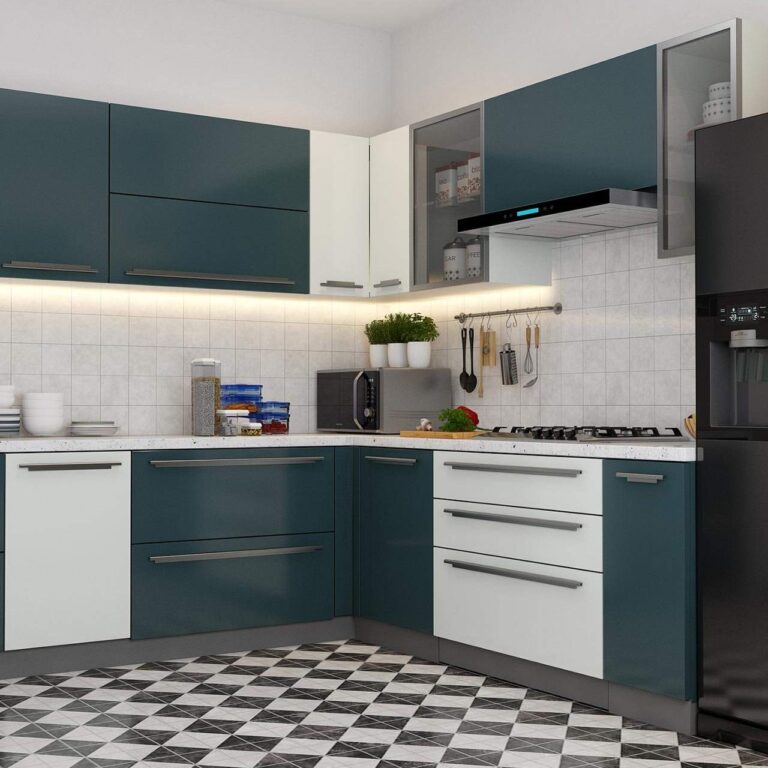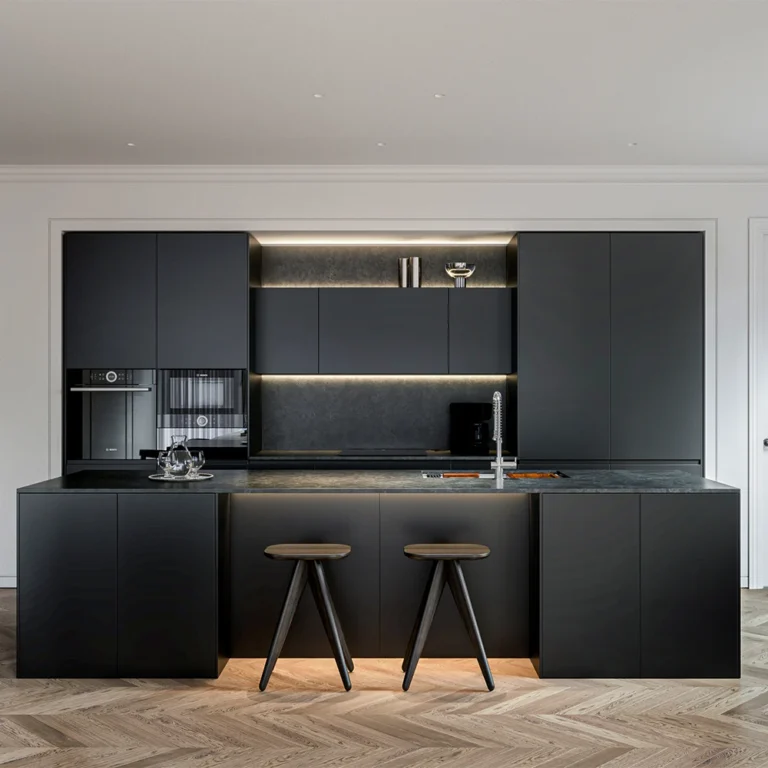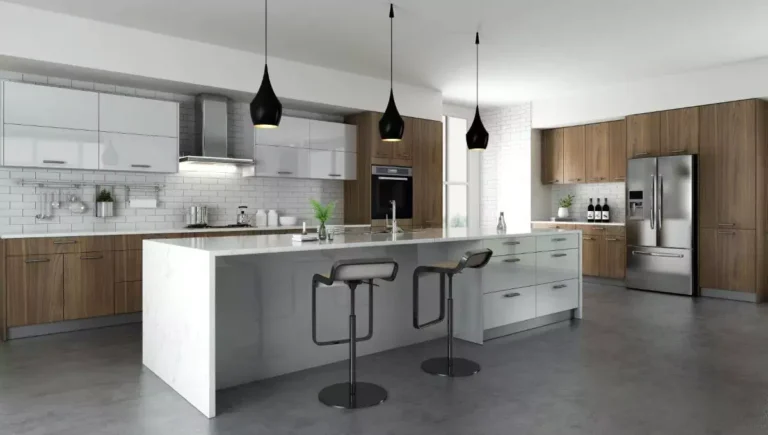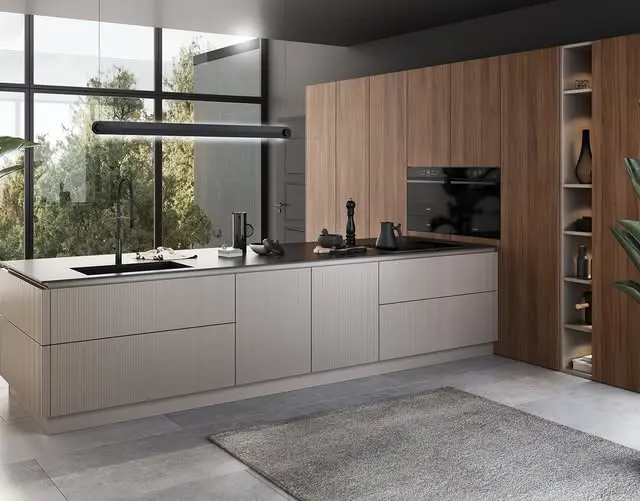

Kitchen Cabinet Upgrades In Canada: Expert HPL Guide And Solutions
Kitchen cabinet design serves as the foundational element of your culinary space, dictating both the workflow of your daily life and the aesthetic atmosphere of your home in Canada. At rtadepot.ca, we recognize that upgrading your cabinetry is not simply about replacing storage boxes. It is about reclaiming your environment from clutter, obsolescence, and inefficiency.
When you begin to notice that your current setup feels outdated or lacks the robust storage solutions required for modern living, it becomes essential to explore high-quality materials that offer longevity and style. Our team specializes in transforming these frustrations into seamless, beautiful realities using advanced materials like High Pressure Laminate. We ensure that every kitchen cabinet reflects your personal taste while standing up to the rigors of daily use.
1. Understanding The Kitchen Cabinet Material Landscape
The journey to a perfect kitchen begins with a deep dive into material science. Most homeowners find themselves overwhelmed by the terminology, specifically when distinguishing between the various types of laminates available on the market. To make the best investment for your home, you must understand the structural and chemical differences that define quality.
1.1 Defining The Core Composition
A standard kitchen cabinet is often constructed using what is known as Low Pressure Laminate or LPL. This material, frequently referred to as melamine, consists of a single sheet of decorative paper that has been soaked in melamine resin. This paper is then thermally fused directly to a substrate, usually particleboard or MDF, under relatively low pressure.
While this creates a functional surface, it lacks the depth and armor-like qualities required for high-impact zones. In contrast, High Pressure Laminate represents a significant leap in engineering. HPL is constructed from multiple layers of kraft paper that have been impregnated with phenolic resin. These kraft layers form a core that is capped with a decorative sheet and a clear, protective overlay.
The entire sandwich is fused together under intense heat and pressure exceeding 1000 pounds per square inch. This process transforms the individual layers into a single, solid sheet of material that is incredibly dense. The resulting HPL sheet is then adhered to the kitchen cabinet substrate using industrial-grade adhesives. This creates a bond that is far superior to the direct-fusion method of LPL used in a cheaper premade cabinet.
1.2 The Evolution Of Modern Storage
Homeowners in Canada today face the challenge of finding storage that looks bespoke without the exorbitant cost of fully custom millwork. You likely want a space that feels organized and represents your style, rather than a generic rental unit look. This is where the comparison becomes crucial for your renovation strategy.
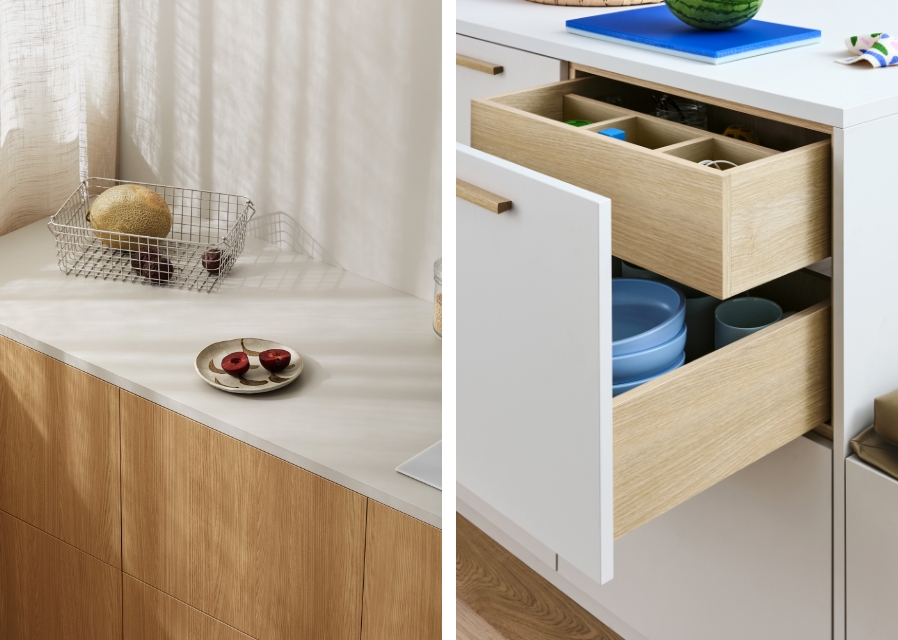
Modern HPL manufacturing allows for the creation of deep, synchronized textures that mimic the grain of oak, walnut, or the smooth matte finish of painted joinery. By choosing these advanced materials, you gain access to a kitchen cabinet that rivals the appearance of real wood or stone while offering superior performance characteristics. This evolution means you no longer have to compromise between the durability you need and the elegance you desire.
2. How Does the Durability of High Pressure Laminate Compare to Standard Laminate?
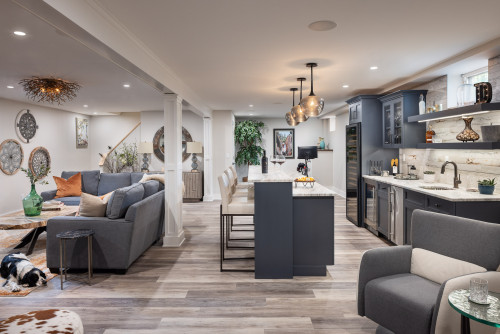
Short Answer: HPL provides superior durability, meeting NEMA LD3 standards with impact resistance up to 3 times greater than LPL. It withstands surface wear cycles exceeding 3,000 rotations, whereas standard laminate often fails under 1,000 cycles, making HPL essential for longevity in busy Canadian kitchens.
Durability is the primary concern for any family that cooks frequently, entertains guests, or has active children and pets. The kitchen is a hostile environment for furniture, filled with heat, steam, sharp objects, and heavy impacts. Recent industry data indicates that HPL surfaces maintain their integrity in high-humidity environments (common in Canadian summers) with a swelling rate of less than 0.05%, compared to standard LPL which can swell up to 12% if the seal is compromised.
2.1 Impact And Structural Integrity
The benefits of HPL are most evident when discussing impact resistance. Because HPL is reinforced with multiple layers of phenolic-treated kraft paper (typically 6 to 8 layers), it possesses a degree of flexibility and shock absorption that LPL lacks. If a heavy pot bangs against a standard kitchen cabinet door, the rigid surface is prone to chipping or cracking because the thin melamine layer has no cushion.
In contrast, the density of HPL allows it to absorb the energy of the impact, significantly reducing the likelihood of surface damage. Industry tests, specifically the Ball Drop Impact Resistance test (NEMA LD3-3.08), consistently show that an HPL kitchen cabinet can withstand impact forces of over 50 inches without fracture, whereas LPL often fails at 20 inches. This resilience makes it the premier choice for base cabinets and drawer fronts that reside in the high-traffic zones of your kitchen.
2.2 Resistance To Environmental Stressors
Beyond physical impact, a kitchen cabinet must resist environmental factors. This is particularly true in Canada, where homes experience dry winters and humid summers. Standard laminates can be susceptible to delamination if exposed to steam from a kettle or heat from an oven over long periods.
HPL, having been formed under high heat itself (275°F+), is thermally stable. Furthermore, the surface of an HPL kitchen cabinet is non-porous and impervious to water, provided the edge banding is applied correctly. At rtadepot.ca, we utilize advanced PUR edge-banding technology that seals the core. This prevents moisture ingress that causes swelling, ensuring that your investment remains pristine and maintains its structural integrity for decades rather than just a few years.
3. Cost Difference Analysis Between HPL And LPL
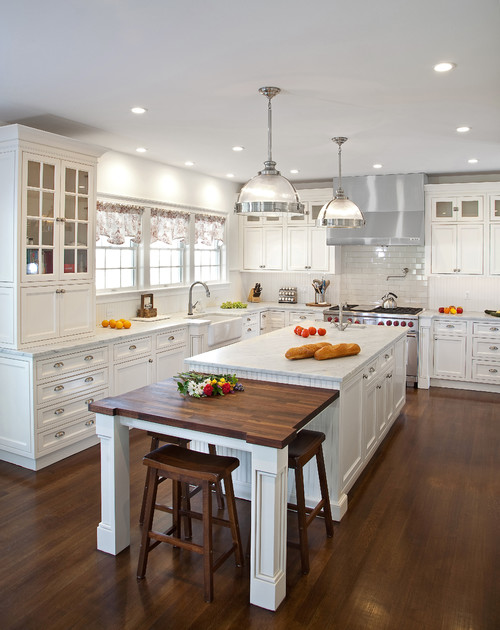
Budget allocation is a critical part of any renovation project. Understanding where your money goes helps you make decisions that balance initial outlay with long-term satisfaction.
Is the Initial Investment in HPL Worth the Long-Term Cost?
Short Answer: Yes. While HPL cabinets typically cost 25-35% more upfront than standard LPL, their lifespan extends 10-15 years longer. When calculated over a 20-year period, the cost-per-year of HPL is approximately 40% lower than LPL, which often requires replacement or major repair within 7-10 years.
It is important to address the cost difference honestly. HPL is more expensive to produce due to the higher quantity of raw materials and the complexity of the high-pressure manufacturing process (pressures exceeding 1,200 PSI). Consequently, a kitchen cabinet finished with HPL will carry a higher price tag than standard melamine options.
However, smart homeowners look at the total cost of ownership. Many people search for a cheap Price when renovating, but cutting corners on materials can lead to regret. If a standard laminate kitchen begins to look worn, chipped, or water-damaged after seven years, requiring repair or replacement, the initial savings are lost. Current market analysis shows that kitchen renovations utilizing HPL materials recoup nearly 70-80% of their value in home resale, compared to less than 50% for lower-grade LPL renovations.
3.2 Evaluating The Value Proposition
When you evaluate financial value, consider the longevity. An HPL kitchen cabinet can easily look new for twenty years or more with proper care. This makes the annualized cost significantly lower than replacing a cheaper kitchen twice in the same period.
For example, while an ikea cabinet might offer a lower upfront cost, the durability of HPL often provides better long-term value for a primary residence. At rtadepot.ca, we work to keep these premium materials accessible, offering you a luxury product that fits within a reasonable renovation budget. We believe that investing in the durability of the kitchen cabinet carcass and door finish is the smartest money you can spend in your home.
4. Best Applications For HPL Versus Standard Laminate
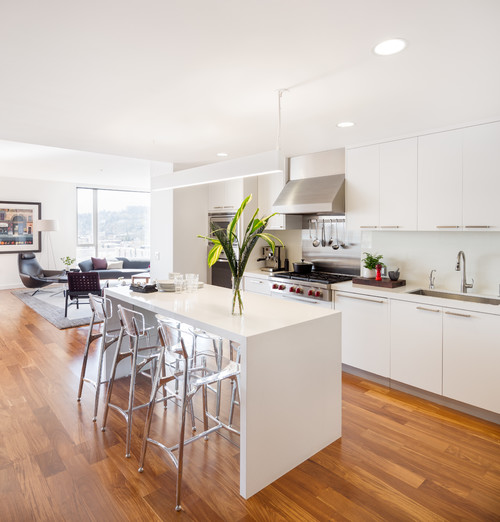
Not every surface in your home requires the same level of protection. Knowing the best applications allows you to value-engineer your project effectively in the Canadian market.
4.1 Strategic Zoning In The Kitchen
We often recommend a hybrid approach to our clients to maximize their budget. The exterior surfaces of your kitchen cabinet—the doors, drawer fronts, and exposed side panels—take the brunt of daily abuse. These are the prime candidates for HPL, where durability is paramount.
Upgrading these specific elements ensures the visible parts of your kitchen remain flawless. Conversely, the interior shelving and kitchen cabinet boxes, which are protected behind closed doors and suffer less impact, are perfectly suited for high-quality standard laminate. This combination gives you the durability of HPL where it counts, without paying for it where it is hidden.
4.2 Beyond The Kitchen
The question of upgrading extends to other areas of the house. For a high-traffic mudroom or a children’s bathroom vanity, an HPL kitchen cabinet is the superior choice due to its resistance to scratches from backpacks or water splashes.
However, for a guest bedroom wardrobe or a linen closet, standard laminate is an excellent, cost-effective solution. At rtadepot.ca, we help you navigate these choices. We ensure you apply the right material to the right application for maximum efficiency and aesthetic cohesion in your Canadian home.
5. Step-by-Step Assembly Guide For Your New Cabinets
For those who choose our Ready-To-Assemble options, we have engineered our products for ease of assembly. Whether you are a DIY enthusiast or managing a contractor, understanding this process ensures a sturdy, level installation. This is often referred to as an rti cabinet process in some circles, emphasizing the ready-to-install nature of our precision-made parts.
- Step 1: Workspace Preparation and Inventory Begin by clearing a large, flat area to work. Protect the floor with cardboard from the packaging to prevent scratching the kitchen cabinet faces. Meticulously check your packing list against the delivered items. Group your components by cabinet type to avoid confusion. You will need a rubber mallet, a screwdriver, a drill with adjustable torque, a level, and wood glue.
- Step 2: Constructing the Cabinet Carcass Start with the wall cabinets as they are lighter. Lay the side panels flat on your protected surface. Insert the cam studs into the pre-drilled holes. If your kitchen cabinet model uses dowels, apply a small drop of wood glue to the dowel holes for added long-term rigidity. Attach the top and bottom panels to one side panel, tightening the cam locks until they are secure.
- Step 3: Hardware Installation It is much easier to install hardware before the cabinets are upright. Attach the hinge mounting plates to the pre-drilled holes on the interior of the side panels. For a base kitchen cabinet, install the drawer runners now. Pay close attention to the pilot holes to ensure the runners are level and matched on both sides. If you have soft-close mechanisms, ensure they are engaged.
- Step 4: Drawer Assembly Connect the drawer sides to the drawer back using the provided locking system or screws. Slide the drawer bottom into the grooves. Attach the drawer front brackets to the front panel, then snap or screw the front onto the drawer box. Attach the drawer glides to the underside or sides of the drawer box. Test the mechanism to ensure smooth gliding action.
- Step 5: Installation and Leveling Install a ledger board on the wall to support the weight of the wall units. Locate and mark the wall studs. Lift the kitchen cabinet onto the ledger board and secure it to the wall studs using heavy-duty screws. Connect adjacent cabinets using binding posts to create a unified structure. For base cabinets, use the adjustable legs to level the cabinets perfectly before securing them to the wall.
- Step 6: Door Adjustment Clip the hinges onto the mounting plates. You will likely notice the doors are not perfectly aligned. Use the three adjustment screws on the hinge arm. One moves the door up and down, one moves it left and right, and the third moves it in and out relative to the kitchen cabinet frame. Make small adjustments until the gaps are even and the doors close flush.
6. Maintenance And Repair Guide For Long-Lasting Beauty
To ensure your investment remains glowing for years, proper care is essential. While HPL is incredibly durable, it is not indestructible.
6.1 Routine Cleaning Protocols
The key to maintaining your kitchen cabinet is consistency. Wipe up spills immediately to prevent liquids from pooling at the seams. For daily cleaning, use a soft, lint-free microfiber cloth dampened with warm water. If grease accumulates, use a mild solution of water and non-abrasive dish soap.
Wipe the surface gently in a circular motion. It is vital to follow up with a dry cloth to remove any residual moisture, as standing water is the enemy of any wood-based product. Avoid using glass cleaners containing ammonia on any kitchen cabinet, as these can cloud the finish over time.
6.2 Handling Stains And Grime
For more stubborn grime, such as dried food or marker pen, you can create a gentle paste using baking soda and water. Apply this to the spot on your kitchen cabinet and agitate lightly with a soft-bristled brush or a sponge. Rinse the area with a clean damp cloth and dry immediately.
Never use abrasive scouring pads, steel wool, or harsh chemicals like bleach or oven cleaner on your cabinets. These will permanently damage the protective overlay of the HPL, ruining the aesthetic appeal of your kitchen cabinet.
6.3 Minor Repairs And Touch-Ups
In the unlikely event that your HPL surface sustains a deep scratch, all is not lost. Specialized laminate repair waxes are available in a variety of colors to match your cabinetry. Clean the area, apply the wax filler, and level it off with a plastic spatula.
Once dry, buff the area gently to blend the sheen. If a hinge becomes loose due to heavy use, simply retighten the mounting screws. If the screw hole in the particleboard of your kitchen cabinet has become stripped, you can fill it with a mixture of wood glue and sawdust, let it cure completely, and then re-drill the pilot hole.
7. Understanding Warranty Policies And Returns
At rtadepot.ca, we believe that trust is the foundation of our relationship with you. A renovation is a significant financial commitment for any Canadian family, and our policies reflect our confidence in our products.
7.1 Comprehensive Warranty Coverage
We provide a robust warranty that covers defects in materials and workmanship under normal residential use. This coverage typically extends to the structural integrity of the kitchen cabinet box, the lamination bond of the doors and panels, and the functionality of the hardware including hinges and drawer glides.
This ensures that you are protected against manufacturing flaws that might affect the longevity of your kitchen. When purchasing a kitchen cabinet from us, you can rest assured that we stand behind the quality of our manufacturing.
7.2 Returns And Exchanges
We understand that shipping large items across Canada can sometimes result in unforeseen issues. If you receive a component that has been damaged in transit, or if you discover a manufacturing defect upon opening the box, please document the issue with clear photographs and contact our support team immediately.
We prioritize sending replacement parts to ensure your project timeline is not disrupted. We are dedicated to resolving issues swiftly and fairly, ensuring your kitchen cabinet installation proceeds as smoothly as possible.
7.3 Responsibility And Care
It is important to note that our warranty relies on the cabinets being installed and maintained according to our guidelines. Damage resulting from improper installation, exposure to outdoor elements, extreme flooding, or the use of abrasive cleaning agents is generally not covered. By following the maintenance guide provided above, you ensure that your warranty remains valid and your kitchen cabinet continues to perform as expected.
8. Interior Design Ideas To Complement Your New Cabinetry
Once you have selected your durable HPL cabinets, the fun begins with styling. Your cabinetry is the canvas upon which you paint the personality of your home.
8.1 The Modern Minimalist
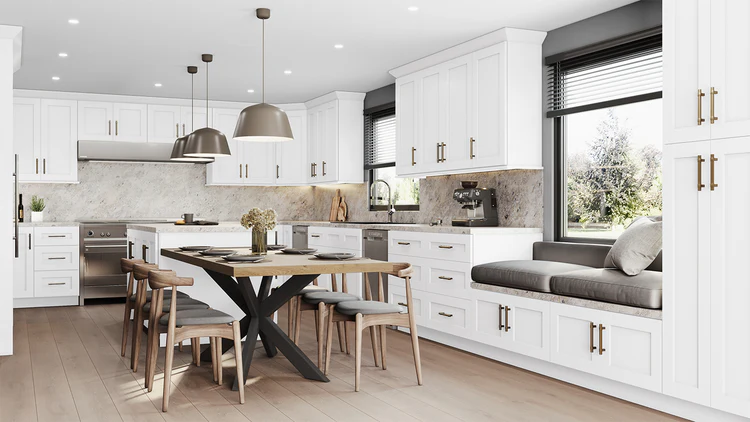
For those who crave order and serenity, pair high-gloss white or light grey HPL cabinets with a quartz countertop featuring subtle veining. Keep the backsplash clean, perhaps using a large-format porcelain tile or a continuous glass sheet to eliminate grout lines. This reflects light and makes even a small kitchen cabinet layout feel spacious and airy.
8.2 Industrial Chic
If you prefer a bolder, more urban look, choose a textured HPL that mimics reclaimed wood or raw concrete. Contrast this with matte black hardware and open shelving supported by metal pipes. Some clients explore options similar to nieu cabinet doors for inspiration, but our custom HPL solutions offer superior durability. The robust nature of HPL is perfectly suited to this aesthetic.
8.3 Warm Transitional
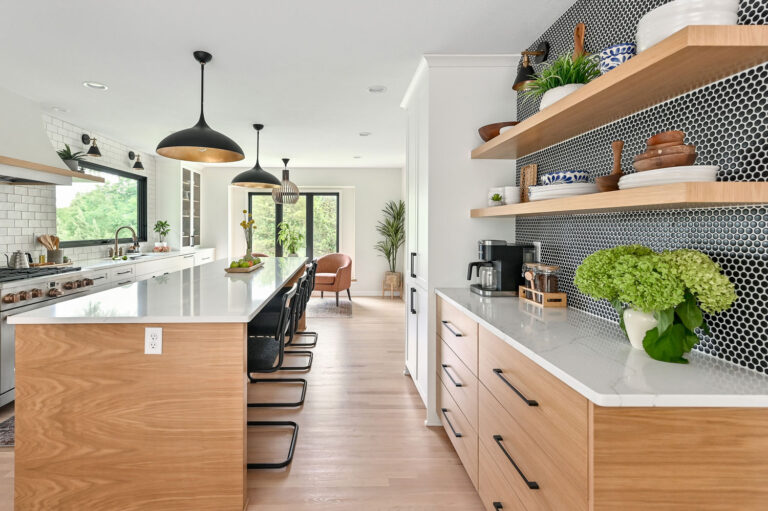
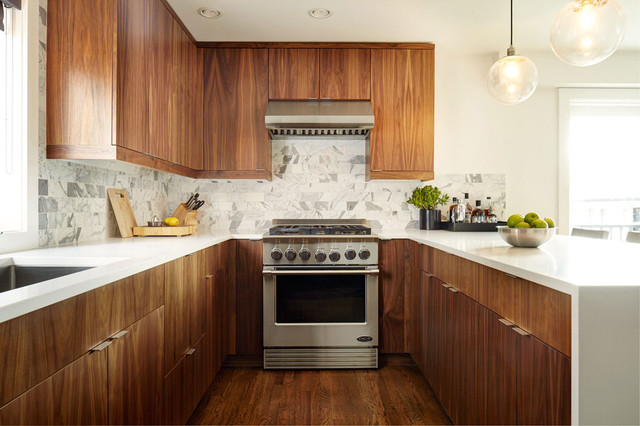
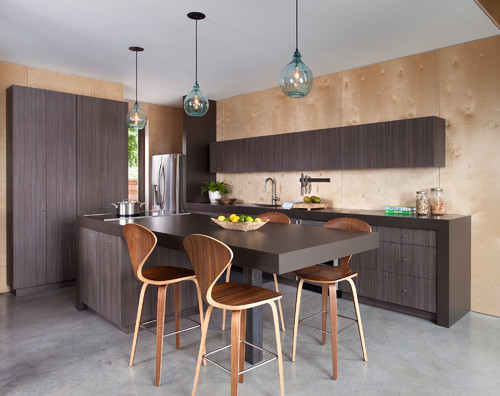
Bridge the gap between traditional warmth and modern simplicity by selecting an HPL kitchen cabinet in warm wood tones like walnut or rift-sawn oak. Pair these with flat panels with substantial handles in brushed brass or nickel. A natural stone countertop and a warm hardwood floor create a cozy, inviting atmosphere that serves as the heart of the family home.
8.4 Maximizing Organization
A beautiful kitchen must also be functional. Utilize our range of internal organizers to keep your countertops clear. Pull-out spice racks, deep drawers with peg systems for plates, and corner carousel units ensure that every item has a home. This internal organization complements the external beauty of your kitchen cabinet, creating a space that is a joy to use.
9. Why Choose RTA Depot For Your Renovation?
In a market flooded with options, you need a partner who understands your needs and delivers on promises. We strive to be the best kitchen supplier for homeowners across Canada.
9.1 Expert Guidance And Consultation
We do not just sell boxes; we sell solutions to your storage problems. Our experienced design team is available to guide you through the material comparison, helping you understand exactly what you are buying. We can assist with layout planning to ensure your new kitchen cabinet design maximizes every inch of available space.
9.2 Speed And Availability
We know that living without a kitchen is stressful. Our efficient inventory management and logistics mean that we can get your cabinets to you faster than many custom shops. Whether you choose stock sizes or semi-custom options, we work to minimize lead times so you can enjoy your new kitchen cabinet sooner.
9.3 Unbeatable Value
By choosing rtadepot.ca, you are accessing premium HPL materials that rival high-end European brands at a fraction of the cost. We cut out the middlemen and the showroom markups to bring you direct value. You get the designer look and the commercial-grade durability without breaking the bank. Our kitchen cabinet solutions offer the perfect balance of price and performance.
10. Addressing Common Questions About HPL Upgrades
As you finalize your decision, let us address the specific intent behind your research to ensure you have total clarity regarding your upcoming purchase.
10.1 Is The Upgrade Worth It?
When considering if HPL is worth the upgrade, the consensus is clear for primary homeowners in Canada. The resistance to chipping, water absorption, and heat makes HPL a superior protector of your investment. While LPL is adequate for low-touch areas, HPL is the shield your kitchen cabinet needs against the chaos of daily life.
10.2 Understanding The Trade-offs
Every material has pros and cons. The list for HPL is short on the negative side, mostly centered on the higher initial cost compared to LPL. The pros include immense durability, color stability, and ease of maintenance. For most modern families, these benefits far outweigh the initial price difference of the kitchen cabinet.
10.3 Final Verdict On Durability
In the battle of materials, HPL is the heavyweight champion. It is designed for longevity. It is designed to be lived in, not just looked at. If you want a kitchen cabinet that you do not have to tiptoe around, HPL is the material for you.
Are you ready to transform your chaotic kitchen into a sanctuary of organization and style?
Do not let an outdated, cluttered workspace drain your energy any longer. You deserve a kitchen that works as hard as you do and looks beautiful doing it. The solution to your storage woes is just a phone call away.
Take action today to secure a kitchen cabinet setup that blends the best of durability and modern design. Our team at rtadepot.ca is standing by to walk you through your options, answer your questions about cost differences, and help you build the kitchen of your dreams right here in Canada.
Contact rtadepot.ca now for your personalized, expert consultation: Phone: +1 888 973 5636 Website: https://www.rtadepot.ca/

Sang Vi is a Senior Interior Designer and founder of Wedesign Interior Lab, as well as CEO of the Wedesign Interior Lab, MOC Concepts (Kitchen Cabinets), and Sang Vi Woodworking Manufacturer group. Since 2019, Sang has led an NKBA-certified team specializing in kitchen planning and cabinetry, completing dozens of projects each year across Toronto and other regions in Canada. With deep, hands-on experience in both custom millwork and ready-to-assemble (RTA) kitchen cabinets, Sang focuses on creating designs that are functional, durable, and easy to install. On this RTA platform, Sang shares practical, real-world insights to help homeowners choose, plan, and optimize their kitchen cabinet systems with confidence