
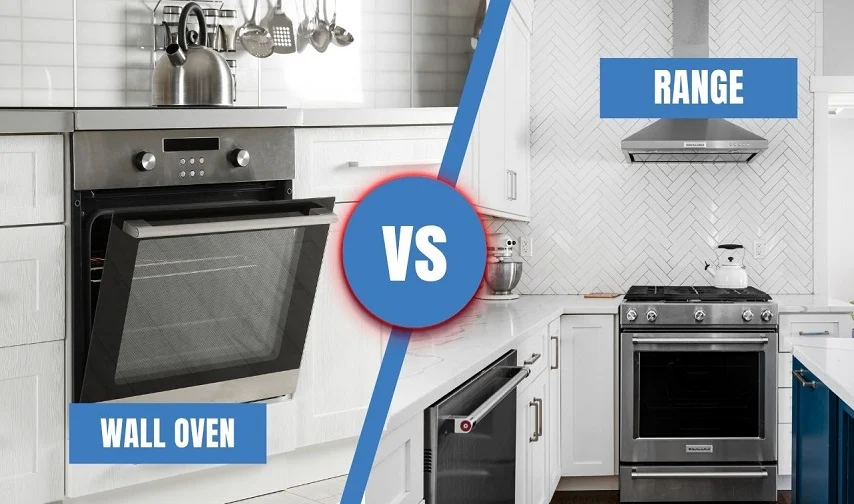
Wall Oven Cabinets Vs Range: A Layout Comparison Guide for Canada
Your kitchen layout is the single most important factor determining how you experience your home. The flow, the efficiency, and the joy you get from the space all hinge on its design. At the very center of this design is a fundamental decision: the choice between a kitchen built around wall oven units and one anchored by a freestanding range. This choice, Wall Oven Cabinets compared with Freestanding Range A Layout Comparison, is about far more than just appliances; it defines your workflow, dictates your storage, and sets the entire aesthetic tone of your home.
For many homeowners in Canada, the current kitchen is a source of daily, low-grade frustration. You may be grappling with cabinets that are decades old, with a finish that is worn and a style that feels hopelessly outdated. This often goes hand-in-hand with a profound lack of efficient storage from your kitchen cabinet setup. Countertops become cluttered, and finding a specific pot requires a frustrating search through disorganized, deep cupboards. The layout itself may be inefficient, creating traffic jams and making the simple act of cooking feel like a chore.
You have a vision for something better. You desire a living space that feels organized, serene, and beautiful. You want a kitchen that reflects your personal style and functions as a comfortable, inspiring hub for your family. The challenge, however, is finding a path to this vision. The world of kitchen remodeling is daunting. You may feel stuck, believing your only options are either a low-quality stock kitchen cabinet solution or extremely expensive, fully custom cabinetry that is outside your budget.
This is precisely where the journey to a new kitchen can feel stalled. But there is a powerful solution. At rtadepot.ca, we specialize in bridging this gap. We provide high-quality, durable, and stunning Ready-to-Assemble (RTA) cabinets that deliver a custom-fit feel without the bespoke price tag. Our expertise lies in transforming frustrating, cluttered spaces into highly functional, beautiful kitchens with the right kitchen cabinet selection.
This guide will walk you through every aspect of the wall oven versus range decision. We will explore the pros and cons, the specific space requirements, the critical ergonomic differences, and the impact on your daily workflow. This comparison is the first and most important step in creating a kitchen cabinet layout that truly serves you.
1. The Core Debate: Defining Your Cooking Philosophy
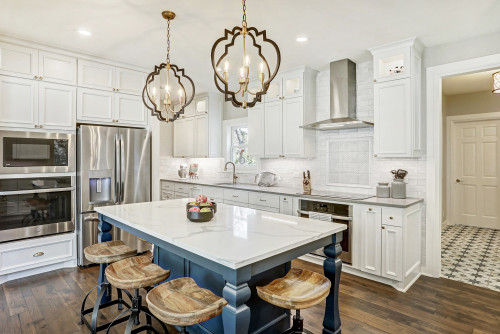
Choosing your primary cooking appliance is the cornerstone of your kitchen’s floor plan. This decision branches into two distinct philosophies of kitchen design. A freestanding range, the traditional all-in-one solution, combines a cooktop and an oven into a single unit that slides into a space between your base kitchen cupboards. A wall oven kitchen cabinet configuration, by contrast, separates these two functions. A built-in oven is installed within a dedicated tall kitchen cabinet, and a separate cooktop is installed into your countertop, often in a different location. Let’s explore the pros and cons of wall oven vs. freestanding range layouts.
1.1 The Case for Wall Oven Cabinets: The Ergonomic & Modern Choice
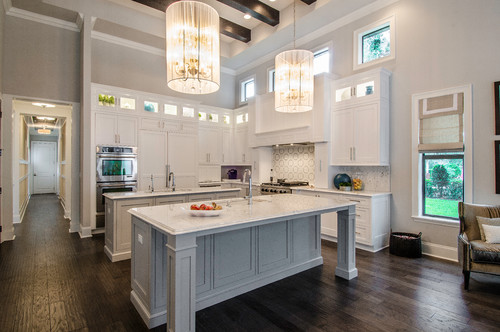
A layout built around a wall oven kitchen cabinet is often seen as the premier choice for a high-end, contemporary, or transitional kitchen design. By integrating the oven directly into your kitchen cabinetry, you create a seamless, built-in aesthetic that elevates the entire room.
Key Advantages:
- ✓Ergonomic Superiority: This is the most significant lifestyle benefit. Wall ovens are typically installed at waist or chest height. This placement allows you to check on food, slide racks, and lift heavy items without bending over. This is a profound improvement in comfort and safety, especially for those who love to bake or have mobility considerations.
- ✓Unmatched Layout Flexibility: Separating the oven and cooktop liberates your kitchen cabinet design. It allows you to create specialized work zones. You can place your cooktop on a kitchen island to create a social cooking hub. The wall oven can then be grouped with other tall elements, like a pantry or refrigerator, creating a “wall of appliances” and streamlining the kitchen’s visual lines.
- ✓Expanded Cooking Capacity: This layout is the clear winner for serious home chefs and large families in Canada. It easily accommodates a double wall oven, giving you two full-sized, independent ovens. This is a game-changer for hosting holidays. You can even opt for a combination unit, such as a wall oven with a built-in microwave or a steam oven above it, all housed in one tall kitchen cabinet.
- ✓A Sleek, Integrated Look: A wall oven sits perfectly flush with your kitchen cabinet units, providing an unbroken, custom-built appearance that many homeowners covet. This built-in look feels intentional and luxurious.
Potential Disadvantages:
- ✓Appliance and Cabinet Cost: You are purchasing two separate appliances (an oven and a cooktop), which is almost always more expensive than buying a single range. You are also dedicating an entire tall kitchen cabinet unit to the oven, which has a cost.
- ✓Installation Complexity: This setup requires more planning. You will need separate electrical or gas hookups for each appliance. The countertop will require a precise cutout for the cooktop, and the wall oven kitchen cabinet must be installed and potentially modified for your specific oven model.
- ✓Space Allocation: A wall oven kitchen cabinet, by definition, is a tall kitchen cabinet that occupies vertical space. In a very small kitchen, dedicating this vertical real estate might be a difficult trade-off, as it takes the place of what could have been a valuable section of countertop prep space.
1.2 The Case for a Freestanding Range: The Classic & Efficient Hub
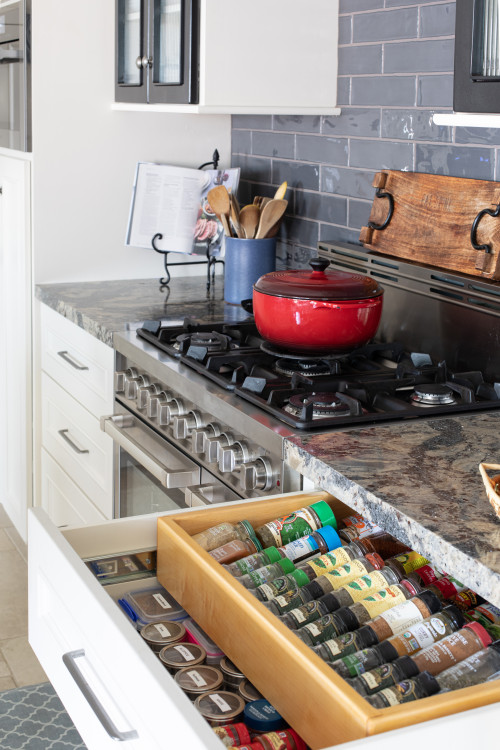
A freestanding range is the practical, time-tested workhorse of the kitchen. It remains exceptionally popular for its straightforward, consolidated power and its ability to fit into nearly any design, from modern to traditional.
Key Advantages:
- ✓Space and Cost Efficiency: This is the range’s superpower. For smaller kitchens, condominiums, or urban homes where every square inch is precious, a range is a brilliant space-saver. It combines two essential appliances into a single footprint, typically just 30 inches wide. This consolidation also leads to cost savings, as one high-quality range is generally more affordable than a separate wall oven and cooktop.
- ✓Simplified Installation: A range is relatively simple to install. It slides into its designated 30-inch gap and requires only one electrical or gas connection. This can reduce labor costs and complexity during a renovation.
- ✓A Centralized Cooking Zone: A range creates a single, consolidated “hot zone” for all cooking tasks. Everything related to heating, from boiling water on the cooktop to baking cookies in the oven, happens in one spot. This can be very efficient for a single cook.
- ✓Pro-Style Focal Point: A high-end, 36-inch or 48-inch range can serve as a stunning, professional-grade focal point for the kitchen, especially when paired with a dramatic range hood.
Potential Disadvantages:
- ✓Ergonomic Drawbacks: The primary oven is located below the cooktop, meaning the bottom rack is often just inches from the floor. This requires deep bending or squatting to access, which can be uncomfortable and inconvenient for daily use.
- ✓Layout Rigidity: A range must be placed on a wall between two base kitchen cabinet units. It dictates a more rigid layout and breaks up the continuous flow of your countertop, which can be a frustration for those who need long, uninterrupted stretches of prep space.
- ✓Less Integrated Aesthetic: Even “slide-in” models, which are designed to look more built-in, do not offer the same seamless, flush integration as a true wall oven. They can look like a distinct appliance placed in the kitchen cabinet run rather than part of it.
2. What Are the Exact Space Requirements for Wall Ovens vs. Ranges?
Direct Answer: A freestanding range typically requires a 30-inch-wide, 24-inch-deep opening. In contrast, a wall oven layout requires a dedicated tall cabinet (commonly 30 or 33 inches wide) for the oven, plus a separate countertop cutout and base cabinet for a cooktop (standard widths 24, 30, or 36 inches).
A successful kitchen renovation is built on a foundation of precise measurements and smart spatial planning. This is often where homeowners feel the most overwhelmed, especially when dealing with older homes in Canada. Understanding the exact space requirements for a wall oven kitchen cabinet versus a freestanding range is the first step to unlocking a functional design.
2.1 The Anatomy of a Wall Oven Cabinet
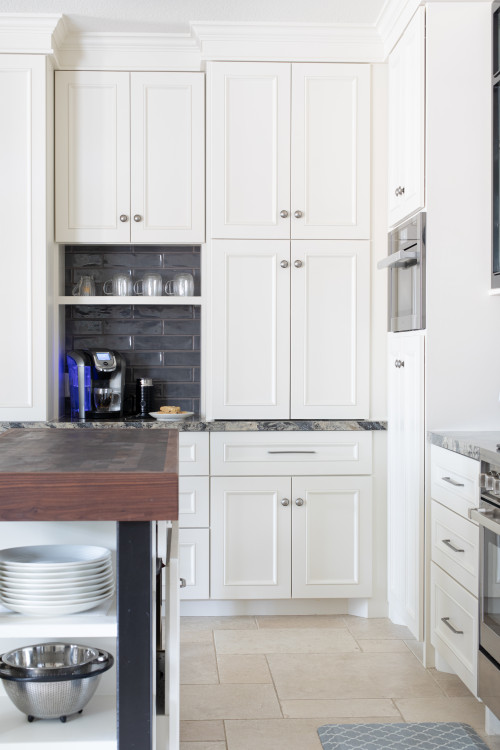
A wall oven kitchen cabinet is a specialized tall kitchen cabinet, typically 24 inches deep to align with your base kitchen cupboards. It is designed to match the height of your other tall elements, such as pantry kitchen units or a refrigerator enclosure, which are commonly 84, 90, or 96 inches tall.
- ✓Cabinet Width: The kitchen cabinet itself is wider than the appliance it holds. Standard wall oven kitchen cabinet widths are: 30 inches (for a 27-inch oven) or 33 inches (for a 30-inch oven).
- ✓The Cutout: The kitchen cabinet comes with a large, open space. You must follow the exact cutout specifications provided by your oven’s manufacturer. This precision is critical.
- ✓Configuration: These units are not just an empty box. A well-designed wall oven kitchen cabinet from rtadepot.ca includes storage. A double oven model will have a small cabinet space above and a large drawer below. A single oven model will have a cabinet above and two large drawers below, perfect for storing baking sheets and pans.
2.2 The Missing Piece: Planning for the Cooktop
When you choose a wall oven, you must also plan for a cooktop. This appliance requires its own dedicated space and presents its own set of layout challenges.
- ✓Countertop Cutout: The cooktop is installed directly into your countertop, requiring another precise cutout.
- ✓Base Cabinet Modification: The cooktop body and connections will take up the top portion of the base kitchen cabinet below it. This usually means the top drawer of that kitchen cabinet must be a false panel or a shallower, specially-designed drawer.
- ✓Landing Zones: The National Kitchen & Bath Association (NKBA) recommends adequate “landing zones”. You need protected countertop space on both sides of the cooktop (at least 12 inches on one side, 15 on the other). This is crucial for placing hot pans and ingredients.
- ✓Ventilation: This is a major consideration. You will need a ventilation solution for your cooktop. This can be a traditional overhead range hood (which impacts your upper kitchen cabinet design), a microwave-hood combination, or a downdraft ventilation system.
2.3 Planning for a Freestanding Range
Planning for a range is comparatively simpler, as you are accommodating a single unit.
- ✓The Opening: The industry standard opening for a range is 30 inches wide and 24 inches deep. The range itself will be slightly smaller (e.g., 29 7/8 inches wide) to slide in easily between your base kitchen cabinet units.
- ✓Freestanding vs. Slide-In: A Freestanding Range has finished sides and a backguard. A Slide-In Range has unfinished sides and no backguard, designed to sit flush with the countertop. It has small flanges that rest on top of your countertop, creating a custom, built-in look and preventing crumbs from falling into the gap.
- ✓Ventilation: Like a cooktop, a range requires an overhead range hood or a microwave hood, which will define the upper kitchen cabinet layout around it.
2.4 How rtadepot.ca Solves the Custom Fit Challenge
This is where your vision for a new layout meets our expertise. If your old kitchen in Canada has an awkward footprint, our RTA cabinets are the solution. You do not need expensive, fully-custom kitchen cabinetry to get a perfect fit.
Our cabinets are modular, available in 3-inch-increment-widths. Our professional designers, as part of our free design service, use these modular components like building blocks. We can use a 30-inch wall oven kitchen cabinet, a 36-inch sink base, and an 18-inch drawer bank to fill a wall perfectly. Any small remaining gaps are seamlessly covered with matching filler strips.
The result is a kitchen cabinet layout that looks 100% custom, fits your unique space, and solves your storage problems. We take your room’s exact dimensions and create beautiful, functional 3D renderings, allowing you to see your Wall Oven vs Freestanding Range kitchen layout before you spend a dime.
3. Ergonomics and Kitchen Workflow: A Day in the Life
How you move in your kitchen, cook a meal, and clean up afterward is the true test of its design. The ergonomic differences and workflow comparison between these two layouts are profound and will impact your daily life for years to come.
3.1 Which Layout is Better Ergonomically: Wall Oven or Range?
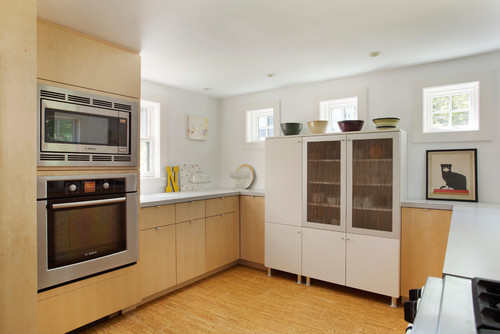
Direct Answer: The wall oven layout is unequivocally better for ergonomics. Wall ovens are installed at waist-height (typically 30-36 inches from the floor to the bottom of the oven), eliminating the need to bend or squat. A freestanding range places the oven near the floor, requiring deep bending that can strain the back and knees.
- ✓Wall Oven Ergonomics: A wall oven is a shining example of “universal design.” By placing the oven at a comfortable standing height, you eliminate physical strain. You can check on food with a simple glance and slide out a heavy casserole with a straight back. This is a significant improvement in kitchen safety and comfort.
- ✓Range Ergonomics: A freestanding range places the main oven cavity below the cooktop, forcing you to bend or squat fully to access the bottom rack. Lifting a 20-pound turkey from this position puts significant strain on the lower back and knees. For those who bake frequently or have any mobility limitations, this can become a point of daily discomfort.
3.2 Workflow Theory: The Triangle vs. Work Zones
The classic “kitchen work triangle” was developed in the 1940s to connect the three primary points: the refrigerator (storage), the sink (cleaning), and the range (cooking). A freestanding range layout fits this model perfectly, as the range is a single, consolidated point.
However, modern kitchens and modern lives are more complex. We often have multiple people cooking. This has led to the evolution of the “work zone” theory, which a wall oven and cooktop layout enables perfectly.
3.3 Workflow in a Wall Oven (Zone-Based) Layout
Separating the oven and cooktop allows you to create distinct, highly efficient zones. This is the key to a decongested, multi-cook kitchen.
- ✓The Prep Zone: This is often on a large kitchen island or a long stretch of perimeter counter. It ideally has the cooktop and a secondary prep sink, with easy access to the refrigerator.
- ✓The Cooking Zone: This zone is centered on the cooktop. The area around it is for spices, oils, and utensils, with pots and pans stored in the drawers directly below.
- ✓The Baking Zone: This is where the wall oven kitchen cabinet shines. It is often placed outside the main prep-and-cook triangle, grouped with a pantry. The adjacent countertop becomes a dedicated space for a stand mixer and rolling out dough. All baking sheets are stored in the drawers of the wall oven kitchen cabinet itself.
- ✓The Cleaning Zone: This zone is centered on the main sink and dishwasher, keeping dirty dishes away from the food prep areas.
In this layout, one person can be sautéing vegetables at the island cooktop while another person takes bread out of the wall oven, all without ever crossing paths or bumping into each other.
3.4 Workflow in a Freestanding Range (Consolidated) Layout
A range layout consolidates the cooking and baking zones into one “hot station”. The workflow is linear and compact.
- ✓The “Hot Zone”: All cooking and baking tasks happen here. This can be very efficient for a single person, as everything they need is in one place.
- ✓The Bottleneck: This consolidation becomes a major disadvantage when multiple people are in the kitchen. If one person is stirring a pot on the cooktop, it is impossible for another person to safely open the hot oven door from below. This creates a traffic jam and can be dangerous. The workflow forces everyone to crowd into the same 30-inch space.
3.5 Kitchen Workflow Scenario Comparison
Let’s compare how these layouts handle real-life situations.
4. Aesthetic Integration and Design Ideas
Beyond pure function, your appliance choice is the most powerful aesthetic statement you will make. It defines your kitchen’s style. Both layouts can be stunningly beautiful, but they achieve their beauty in different ways.
4.1 Kitchen Layout Ideas: The Wall Oven’s Seamless Integration
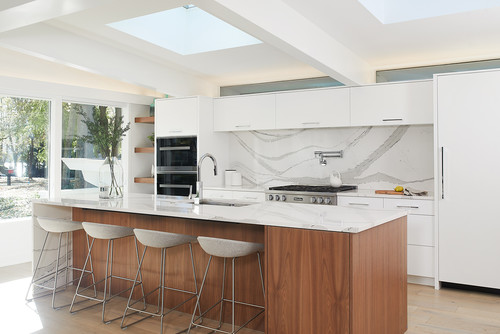
A wall oven layout is the hallmark of a thoughtfully designed, high-end kitchen. The goal is seamless integration.
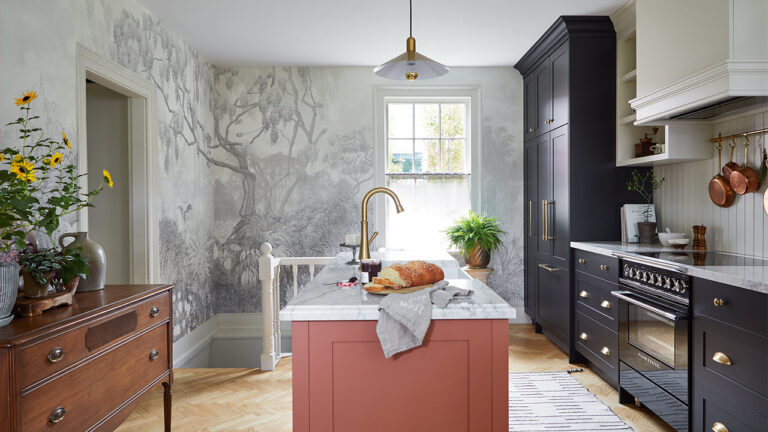
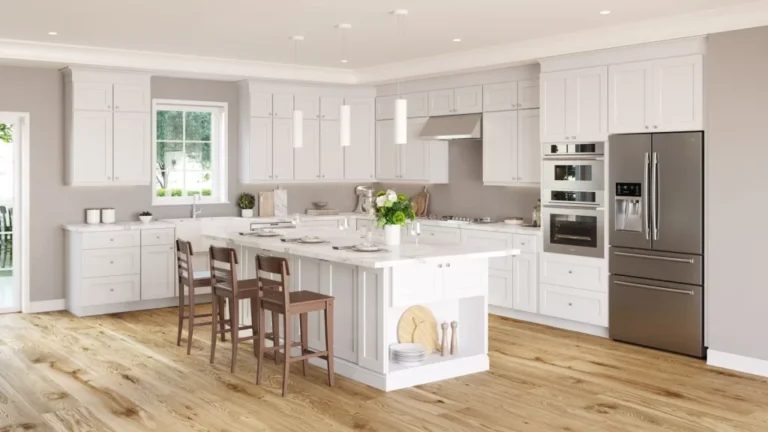
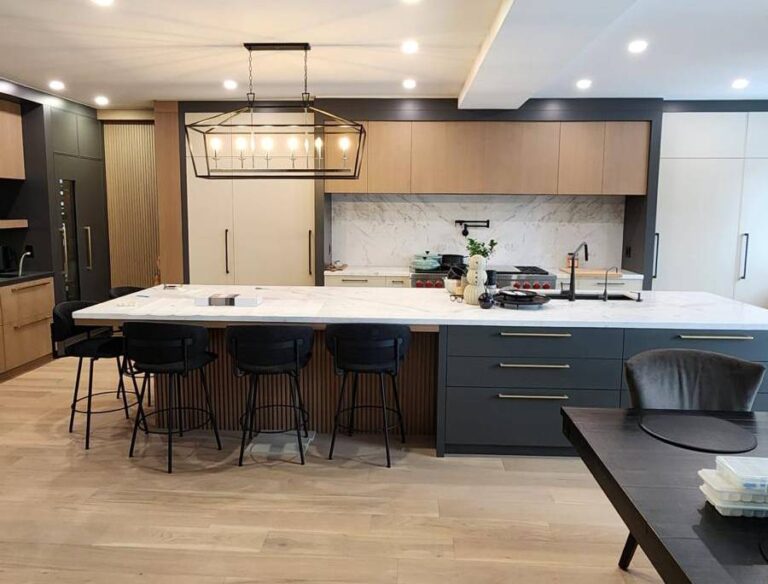
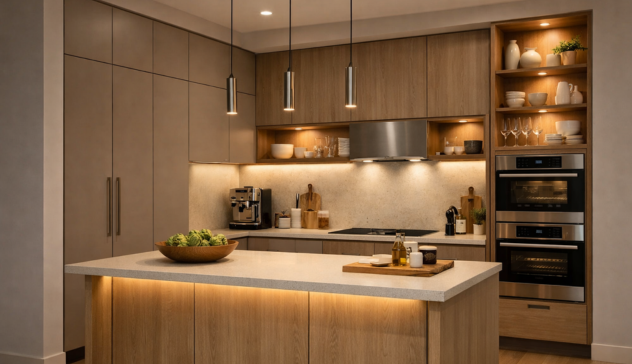
- ✓The Appliance Wall: The most popular execution is the “appliance wall.” This design groups your tall elements together. Imagine, from left to right: a 36-inch cabinet-panel refrigerator, a 33-inch double wall oven kitchen cabinet, and a 24-inch tall pantry kitchen cabinet, all from rtadepot.ca in a sleek Euro Slab door style. This creates an unbroken, functional, and visually clean wall of storage.
- ✓The Disappearing Cooktop: With the ovens moved to the wall, the cooktop can become a minimal, unobtrusive element. An induction or electric smooth-top cooktop can sit flush with your countertop, creating a continuous, easy-to-clean surface. This is especially powerful on a kitchen island.
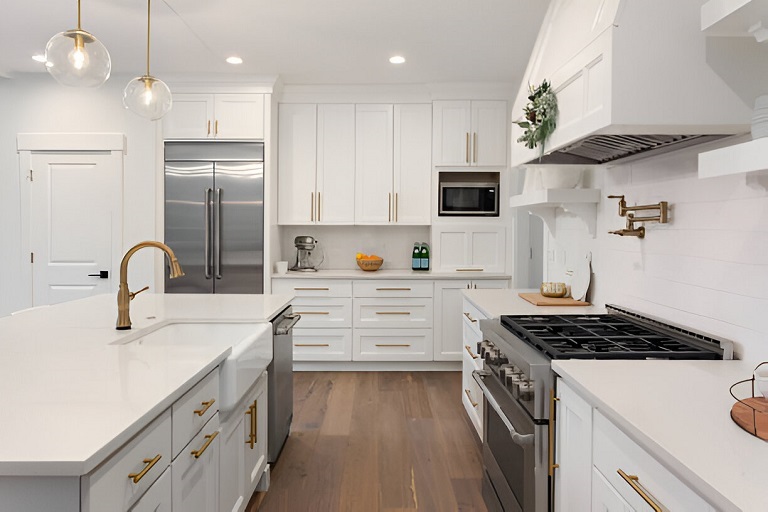
- ✓Cabinet Pairing: This layout looks exceptional with transitional and modern kitchen cabinet styles. Our White Shaker or Grey Shaker cabinets provide a timeless, clean backdrop that lets the stainless steel of the built-in appliances stand out as deliberate design accents.
4.2 Kitchen Design Ideas: The Range as a Powerful Focal Point
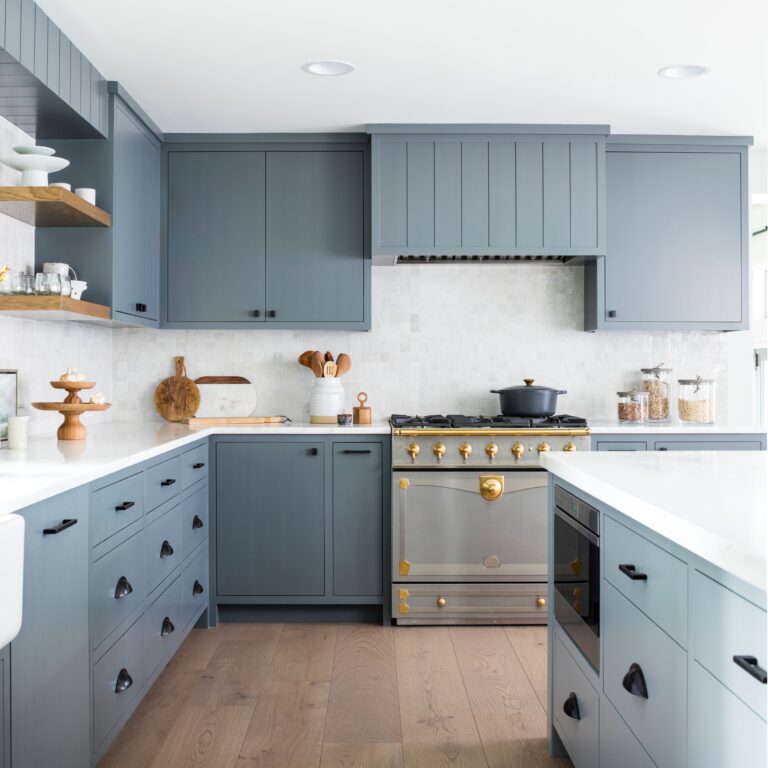
A freestanding range, particularly a “pro-style” model, is designed to be a focal point. The layout is built around the range, celebrating it as the heart of the kitchen.
- ✓The Statement Hood: Because the range is the star, it is almost always paired with a statement range hood. This could be a dramatic, angled stainless steel hood or a custom-built hood finished with matching cabinet panels.
- ✓Symmetrical Design: Layouts with ranges often lean on symmetry. The range is placed in the center of a wall, flanked by equal-sized base cabinets (e.g., 18-inch drawer banks on each side) and matching upper cabinets. This creates a sense of balance and traditional order.
- ✓The Backsplash Moment: The wall space between the range and the hood is a prime location for a design statement. This is where you can use a bold patterned tile, a classic subway tile, or a single slab of matching countertop material.
- ✓Cabinet Pairing: This layout works beautifully with a variety of styles. A range paired with our Heritage White kitchen cupboards creates a warm, inviting farmhouse aesthetic. Paired with dark, traditional wood kitchen units, it feels classic and stately.
At rtadepot.ca, our free design service is invaluable here. Our experts can show you kitchen layout ideas for wall ovens compared to ranges using our specific kitchen cabinetry styles, so you can see exactly how your choice will look and feel.
5. The Solution to Your Kitchen Frustrations Is Here
You are reading this guide because your current kitchen is failing you. The daily frustration of disorganized drawers, the search for “lost” items in deep, dark cabinets, the outdated finishes, and the inefficient workflow are real problems that affect your quality of life. A new appliance alone will not fix an inefficient layout.
5.1 Quality Cabinets, Durable Finishes
We know a kitchen is a major investment. Our cabinets are built to last. We use premium materials, including solid wood doors and face frames, and durable plywood cabinet boxes. Our finishes are tough, easy to clean, and designed to withstand the rigors of a busy Canadian family kitchen. Soft-close hinges and full-extension, soft-close drawer glides come standard, ensuring your kitchen is as quiet and functional as it is beautiful.
5.2 The Power of RTA: A Custom Fit Without the Custom Price
You do not need to choose between mass-produced stock cabinets and a budget-breaking custom builder. Our RTA cabinets offer the best of both worlds. Because our cabinets are modular and available in a vast catalog of sizes and functions, our designers can create a layout that fits your unique space perfectly. You get the custom look and optimized storage you crave, at a price that makes your renovation possible.
5.3 A Design Partner, Not Just a Supplier
This is our promise to you. You do not have to figure out the complex puzzle of a kitchen cabinet remodel on your own. The “Wall Oven Cabinets compared with Freestanding Range A Layout Comparison” is a major decision with dozens of variables. Our professional design service is 100% free.
Here is what you can expect: We start by listening to your frustrations and your vision. We Design: You provide us with your room’s measurements, and our expert team will create a full, photorealistic 3D rendering of your new kitchen. We will often design it both ways—one with a range and one with a wall oven—so you can visually compare.
We will help you select the right cabinet style and finish, and we will pack your design with smart storage solutions to solve your clutter problems. We provide a detailed, itemized quote. There is no pressure and no obligation. We are your expert partners, here to help you make the best, most informed decision for your home.
5.4 Your New Kitchen Is Waiting: Take the First Step
You have lived with the frustration of an outdated, inefficient kitchen for long enough. The solution to your clutter, your poor workflow, and your desire for a beautiful, organized home is right here.
Your desire to have this problem solved now is valid. The first step is simple, free, and waiting for you. Contact our expert design team at rtadepot.ca. Let us show you what is possible for your home in Canada. Let us help you transform your most-used room from a source of frustration into a source of joy.
Call us immediately at +1 888 973 5636 to speak with a design expert, or visit our website at https://www.rtadepot.ca/ to submit your design request. Your free, no-obligation 3D kitchen design is the first step. Let’s start building today.

Sang Vi is a Senior Interior Designer and founder of Wedesign Interior Lab, as well as CEO of the Wedesign Interior Lab, MOC Concepts (Kitchen Cabinets), and Sang Vi Woodworking Manufacturer group. Since 2019, Sang has led an NKBA-certified team specializing in kitchen planning and cabinetry, completing dozens of projects each year across Toronto and other regions in Canada. With deep, hands-on experience in both custom millwork and ready-to-assemble (RTA) kitchen cabinets, Sang focuses on creating designs that are functional, durable, and easy to install. On this RTA platform, Sang shares practical, real-world insights to help homeowners choose, plan, and optimize their kitchen cabinet systems with confidence.