

Premade kitchen cabinet: A Complete Buyer’s Guide for Budget, Speed, and a Finished Look
A Premade kitchen cabinet solution is one of the fastest ways to upgrade a kitchen without waiting weeks for custom production. If you want predictable pricing, standard sizing, and a smoother renovation timeline, premade (ready-made) cabinets can be the smartest “middle path” between fully custom work and rushing into random boxes. The key is to plan the layout properly, confirm finishing pieces (panels, fillers, toe kicks), and choose the right supplier support so the install looks clean and complete.
This page is designed for real purchase intent—people comparing options and trying to buy the right cabinet package. You’ll learn how Premade kitchen cabinet systems compare to a Flat Pack Kitchen Cabinet (RTA) approach, how to evaluate Kitchen Suppliers and a Kitchen Cabinet Supplier, and how to create a Low Price Kitchen Cabinet strategy that doesn’t look cheap after installation. If you’re also searching Kitchen cabinet Mississauga or Kitchen Cabinet Mississauga, you’ll find practical condo delivery and staging tips that matter a lot in real projects.
For product options and related categories, you can explore: Premade kitchen cabinet, Kitchen Suppliers, Kitchen Cabinet Supplier, Flat Pack Kitchen Cabinet, Kitchen Cabinet Mississauga, and Low Price Kitchen Cabinet.
- What a Premade kitchen cabinet is (and why people buy it)
- Who premade cabinets are best for
- Premade vs Flat Pack Kitchen Cabinet vs assembled
- Quality checklist: boxes, doors, finishes, hardware
- Layout planning: zones, storage, and cabinet mix
- Measurements: what to prepare before ordering
- Low Price Kitchen Cabinet strategy using premade
- Kitchen Suppliers & Kitchen Cabinet Supplier: how to choose
- Kitchen cabinet Mississauga notes: condo delivery & staging
- Install overview: what makes cabinets look “custom”
- Care & maintenance
- Inspiration gallery
- FAQ
What a Premade kitchen cabinet is (and why it’s popular)
A Premade kitchen cabinet is usually manufactured in standard sizes and offered in curated door styles and finishes. “Premade” doesn’t automatically mean “cheap.” It means the sizing and options are standardized so you can plan quickly and avoid the long lead times that often come with custom work. This standardized approach helps homeowners, contractors, and property managers keep budgets predictable and timelines realistic.
When people shop premade cabinets, they often care about three goals: (1) a kitchen that looks clean and modern, (2) storage that works better day-to-day, and (3) a total project cost that doesn’t spiral after the first quote. The biggest misconception is that the “cabinet boxes” alone create the finished look. In reality, the finished look comes from the complete scope: panels, fillers, toe kicks, trim, and consistent hardware. That’s why a good Kitchen Cabinet Supplier focuses on the complete list—not just base and upper boxes.
Premade kitchen cabinet “success formula”
Standard sizes + smart layout + quality hardware + the right finishing parts = a kitchen that looks premium even on a Low Price Kitchen Cabinet plan.
Who premade cabinets are best for (and when to pick another option)
A Premade kitchen cabinet package is ideal when your kitchen layout is straightforward and you want faster results. Most kitchens can be planned using standard cabinet widths with a few intelligent fillers and panels. If you’re working on a timeline (sale listing, move-in date, tenant turnover) or you want a controlled budget, premade is usually a strong fit.
Premade works well for:
- Condo kitchens and rentals: standard sizing speeds up planning and replacement cycles.
- Resale upgrades: clean finishes + consistent hardware create strong “first impression” value.
- Budget-controlled renovations: easier to build a Low Price Kitchen Cabinet plan without surprise custom charges.
- DIY-friendly projects: if you can measure carefully and plan a complete parts list.
Consider alternatives when:
- Walls are very irregular and you want zero fillers or compromises.
- You need specialized cabinetry beyond typical accessories and standard sizes.
- You want full custom design freedom and can support longer lead times and higher cost.
Even if you choose a ready-made package, you can still elevate the feel with small upgrades: soft-close hinges, smooth drawer glides, a better sink base organization plan, and consistent end panels. These upgrades are why many Kitchen Suppliers recommend premade systems as “best value per dollar.”
Premade kitchen cabinet vs Flat Pack Kitchen Cabinet vs assembled (how to decide)
Most buyers compare a Premade kitchen cabinet package to a Flat Pack Kitchen Cabinet (RTA) approach and fully assembled cabinets. The best option depends on delivery constraints, labor availability, and how you want to use your renovation time. A smart supplier can help you evaluate the tradeoffs based on your kitchen size and your building’s delivery rules.
Quick comparison
Premade kitchen cabinet: standard sizing, faster planning, great for controlled budgets and quick upgrades.
Flat Pack Kitchen Cabinet: compact boxes for transport and staging; budget-friendly if assembled carefully and kept square.
Assembled cabinets: less assembly time on site; often preferred for tight timelines and contractor installs.
A simple decision rule you can use today
If delivery and staging are difficult (tight hallways, elevator bookings, limited receiving times), a Flat Pack Kitchen Cabinet approach is often easiest. If you want speed without on-site assembly, assembled cabinets can reduce labor hours. If you want a balanced plan—fast sourcing, predictable options, and a clean look—choose a Premade kitchen cabinet package with the right finishing parts included.
For related categories and planning support, explore: Flat Pack Kitchen Cabinet and Kitchen Cabinet Supplier.
Quality checklist: boxes, doors, finishes, and hardware
Two kitchens can look similar online and feel totally different in real life. The difference is usually construction details: cabinet box strength, door finish durability, hinge and drawer glide quality, and how well the installation was leveled and finished. When you shop a Premade kitchen cabinet package, use this checklist to stay focused on what actually affects daily use.
Cabinet boxes (the structure)
Cabinet boxes hold the countertop load, handle drawer weight, and absorb the stress of daily opening and closing. Look for consistent panel thickness, clean edge finishing, and a build that resists moisture around sink and dishwasher areas. A strong Kitchen Cabinet Supplier can explain the box construction clearly and help you match the right tier to your budget. If you’re trying to keep costs down, choose a sensible box build and spend upgrades on hardware and layout where you feel it most.
Doors and finishes (what you touch every day)
Doors are the most visible part of a kitchen, but the “best” finish depends on lifestyle. If you cook often, you’ll want a finish that wipes clean easily and doesn’t show fingerprints too strongly. If sunlight hits your kitchen, you may want finishes known for stable color and a consistent appearance over time. Many Kitchen Suppliers will recommend simple, timeless doors (like a clean shaker or slab) to keep the kitchen modern and reduce visual clutter. With a Premade kitchen cabinet package, picking a timeless door style helps your kitchen stay relevant longer.
Hardware: the best “value upgrade”
If you only upgrade one thing, upgrade hardware. Soft-close hinges and smooth drawer glides change the feel of the entire kitchen, reduce door slamming, and keep alignment tighter over time. This is especially true when you’re building a Low Price Kitchen Cabinet plan: doors can be simple, but daily comfort comes from glides and hinges. A good Kitchen Cabinet Supplier will specify what hardware is included and what’s considered an upgrade—don’t leave it vague.
Quick quality questions to ask
- What hinge and drawer glide tier is included?
- What finishing parts are included (panels, fillers, toe kicks, trim)?
- Which finishes are easiest to clean for high-use kitchens?
- What’s the lead time for the exact finish and door style?
Layout planning: zones, storage, and the cabinet mix that feels “expensive”
Layout is the biggest upgrade you can make without “buying expensive.” A smart cabinet layout makes even a budget cabinet line feel premium because the kitchen becomes easier to use every day. This is why many pros start with workflow: prep zone, cooking zone, cleaning zone, and storage zone. A Premade kitchen cabinet package works best when the plan uses standard sizes intelligently, instead of forcing awkward solutions.
The 4 zones that make kitchens work
- Prep zone: drawers near your main counter for utensils, knives, boards, and mixing tools.
- Cooking zone: pot drawers and spice/oil storage near the stove.
- Cleaning zone: sink base planned around plumbing with trash/recycling close by.
- Food storage: pantry/tall cabinet for dry goods and bulk items.
The cabinet mix that improves function without raising cost too much
Base drawers cost more than basic doors, but they’re often worth it in the zones you use most. A common value plan is to use drawers in the prep and cooking zones, and keep some standard door bases in less-used areas. Many Kitchen Suppliers will help you build a balanced cabinet mix—this can make a Low Price Kitchen Cabinet plan feel much higher-end. If you’re using a Premade kitchen cabinet set, this strategy helps you put money where it matters.
Small-kitchen tip (great for condos)
In tight kitchens, choose more drawers and fewer deep “cave cabinets.” Drawers reduce wasted space and make storage accessible, which is why many condo projects pair standard sizing with drawer-heavy base layouts. If staging is difficult, a Flat Pack Kitchen Cabinet approach may simplify delivery while you keep the layout plan the same.
Measurements: what to prepare before ordering
Measurement errors are the #1 reason kitchens get delayed. When you’re ordering a Premade kitchen cabinet package, measurement accuracy matters because standard sizes fit best when you plan fillers and clearances intentionally. A good Kitchen Cabinet Supplier will help you confirm what measurements matter most before you finalize a cabinet list.
Essential measurement checklist
- Wall lengths: measure each wall at top/middle/bottom (walls vary more than most people expect).
- Ceiling height: affects upper cabinet height and trim choices.
- Window/door locations: widths and distances to corners.
- Appliance sizes: fridge width, range width, dishwasher opening, and door swing clearances.
- Plumbing & electrical: sink drain, water lines, outlets, and switch locations.
- Floor level: uneven floors affect leveling and toe kick consistency.
The easiest mistake to avoid
Don’t measure only once. Take at least two sets of measurements and compare them. If you find differences, use the smaller measurement and plan fillers or adjustments accordingly. This is especially important in condo renovations where walls and floors can be uneven. A smart plan protects your Low Price Kitchen Cabinet budget because reorders reduce the savings.
If you’re shopping in the Mississauga area, measurement support is a major reason to choose a supplier with cabinet-specific experience. Explore planning-friendly help from a Kitchen Cabinet Supplier.
Low Price Kitchen Cabinet strategy using premade (save money without looking cheap)
A Premade kitchen cabinet package is often the backbone of a Low Price Kitchen Cabinet plan because standard sizing reduces custom fees and speeds up decisions. But “low price” doesn’t mean “low standards.” The best budget kitchens follow a simple rule: save on what you don’t touch, spend on what you use. That means fewer decorative extras, more focus on storage function, and a clean finish that looks intentional.
Spend vs save (practical version)
Spend on: drawer glides and hinges, drawers in key zones, panels/fillers for a finished look.
Save on: excessive trim, too many specialty accessories, unnecessary custom sizes.
Smart move: consider Flat Pack Kitchen Cabinet options if staging/delivery is difficult.
Why “finishing parts” matter for budget kitchens
Budget kitchens often look “cheap” not because of the cabinet door style, but because exposed ends weren’t covered and filler gaps were left untreated. End panels, fillers, and toe kicks create visual consistency. If you want a clean, resale-friendly look, insist on a complete cabinet package scope. A reliable Kitchen Cabinet Supplier will itemize these parts so you aren’t surprised later.
Compare options and related categories here: Low Price Kitchen Cabinet | Premade kitchen cabinet | Flat Pack Kitchen Cabinet
Kitchen Suppliers & Kitchen Cabinet Supplier: how to choose the right partner
Choosing between Kitchen Suppliers can feel confusing because quotes don’t always include the same scope. One supplier may show a lower “package price” but exclude panels and fillers. Another supplier may include those items and look more expensive at first glance, even though it’s the more realistic total. If you’re ordering a Premade kitchen cabinet set, comparing scope is more important than comparing a single number.
Supplier checklist (copy/paste for quote comparison)
- Itemized quote: cabinet sizes, quantities, and a clear cabinet list.
- Finishing parts included: panels, fillers, toe kicks, trim.
- Hardware details: hinge and drawer glide tier listed clearly.
- Lead time clarity: in-stock vs special order explained for your exact finish.
- Damage/replacement policy: what happens if something arrives damaged or missing.
- Measurement support: how they validate your layout and clearances.
Kitchen Cabinet Supplier vs general supplier (what’s the difference?)
Some Kitchen Suppliers sell cabinets as one category among many products. A dedicated Kitchen Cabinet Supplier is usually more focused on cabinet planning details: filler planning, panels, hardware tiers, and accurate cabinet lists. If your renovation has constraints (tight corners, condo logistics, complex storage goals), a cabinet-focused supplier can reduce mistakes and wasted spend. This support is often worth it even when you’re buying a Premade kitchen cabinet package.
Explore related pages here: Kitchen Suppliers | Kitchen Cabinet Supplier | Kitchen Cabinet Mississauga
Kitchen cabinet Mississauga notes: condos, delivery windows, and staging
If you’re searching Kitchen cabinet Mississauga or Kitchen Cabinet Mississauga, logistics should be part of your cabinet decision. Condo renovations often require elevator bookings, strict receiving hours, and careful staging so trades can work without damage. This is a major reason many local projects consider a Flat Pack Kitchen Cabinet option—boxes are easier to move and store. That said, a Premade kitchen cabinet package can still be the right choice when you plan staging and delivery timing properly.
Three logistics tips that prevent headaches
- Book delivery access early: elevator and loading dock times can be limited.
- Plan a staging zone: keep parts organized and protected from scratches.
- Keep the cabinet list complete: missing panels/fillers cause last-minute runs and delays.
If you want a reliable place to start for a Mississauga-area project, explore: Kitchen Cabinet Mississauga and support from a Kitchen Cabinet Supplier.
Install overview: what makes cabinets look “custom” after installation
Installation quality changes everything. You can buy the right cabinet line and still end up with a “cheap look” if cabinets aren’t leveled, fillers are missing, and panels aren’t used on exposed ends. Conversely, a Premade kitchen cabinet layout can look premium when it’s installed carefully and finished properly. This is why many pros put more attention into leveling, alignment, and finishing details than they do into decorative accessories.
What pros do that makes cabinets look professional
- Level from a reference line: don’t follow an uneven floor.
- Use fillers strategically: prevent door collisions at walls and appliances.
- Use end panels: exposed box sides look unfinished without them.
- Align doors and drawers: consistent reveals (gaps) create a premium look.
- Protect surfaces: avoid scratches during countertop and appliance work.
If you’re doing flat pack (RTA)
Assembly quality matters. Keep boxes perfectly square before tightening hardware. This one step improves door alignment and drawer glide performance and reduces most “RTA complaints.” If your project is in a condo, the staging advantage of a Flat Pack Kitchen Cabinet plan can be significant.
Care & maintenance (keep the kitchen looking new)
Most cabinet maintenance is simple: wipe spills quickly, avoid harsh abrasives, and use gentle cleaners suited to your finish. If you picked a practical finish and installed properly, your kitchen will stay looking clean for years. This matters for a Low Price Kitchen Cabinet plan because good maintenance keeps budget cabinets looking “fresh” longer.
Easy habits that prevent wear
- Use a soft microfiber cloth for regular wipe-downs.
- Avoid soaking cabinet edges—wipe dry after cleaning.
- Test any cleaner in a hidden spot first.
- Tighten hinge screws occasionally to keep doors aligned.
If you’re choosing between options, ask your supplier which finishes are easiest to clean and maintain for your household. Many Kitchen Suppliers can point you to the right finish tier quickly.
Inspiration gallery (styles that work well with standard sizing)
Use inspiration images to pick a direction (traditional white, contrast island, warm modern lines), then ask your supplier to match the look to an efficient cabinet list. With panels, fillers, and consistent hardware, a Premade kitchen cabinet plan can look very high-end after installation. Keep the “style decision” simple and let layout and finishing details do the heavy lifting.
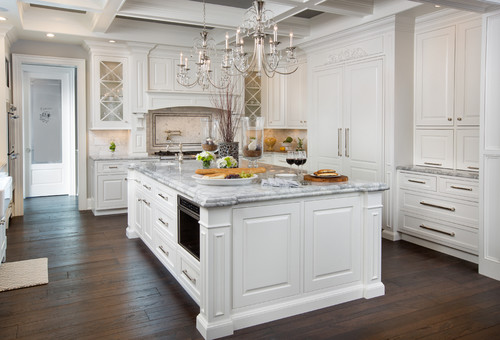
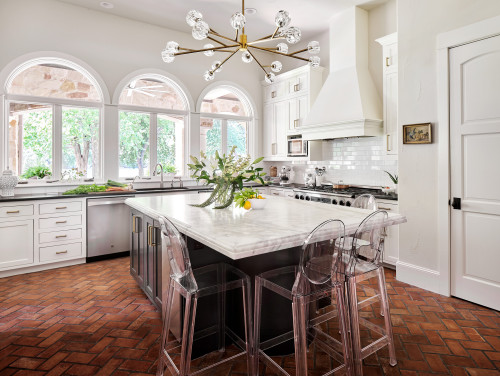
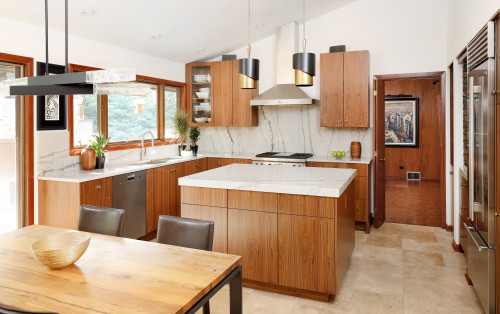
When you have a style direction, ask your supplier to match it with a complete cabinet list (including panels, fillers, and toe kicks). This step is what keeps your renovation predictable and helps your kitchen look finished after install.
FAQ: Premade kitchen cabinet
Summary: the simple plan that works
A Premade kitchen cabinet project is successful when you follow repeatable steps: measure carefully, plan zones first, choose a practical finish, invest in hardware, and confirm a complete cabinet list including panels and fillers. This approach keeps the renovation on budget and makes the finished kitchen look intentional, not improvised.
If you’re comparing suppliers, prioritize clarity: itemized cabinet lists, realistic lead times, and finishing parts included. Explore: Kitchen Suppliers, Kitchen Cabinet Supplier, and Low Price Kitchen Cabinet to compare options and start planning.