
Transform Your Home: The Complete Guide to Premium RTA kitchen cabinet Solutions in Canada
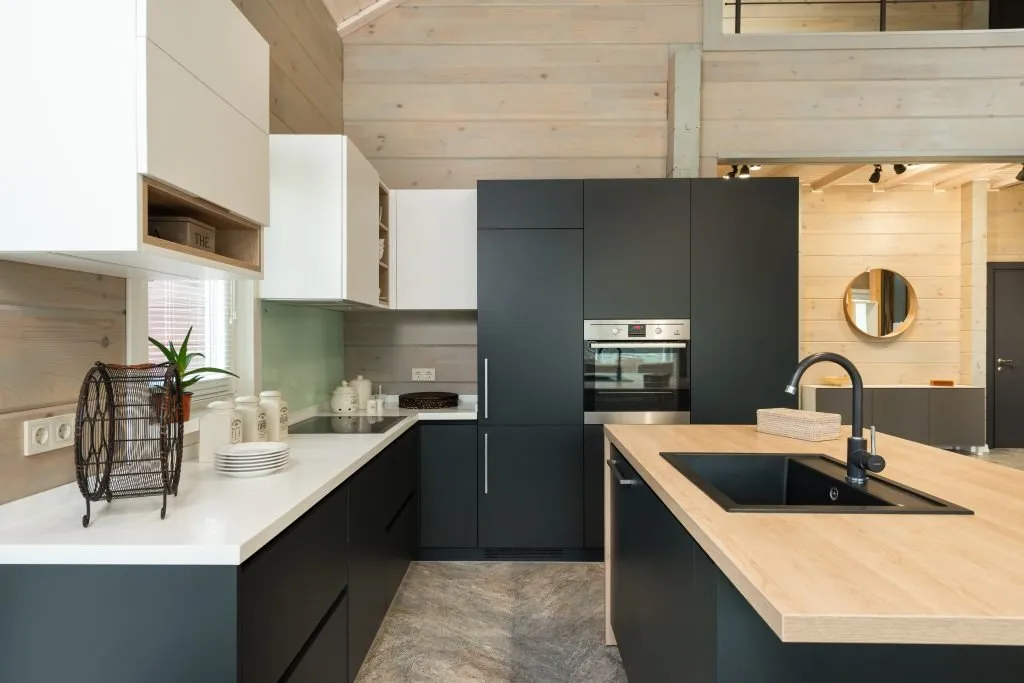
The kitchen serves as the undisputed heart of the modern home across Canada. It acts as a central hub for culinary exploration, family gatherings, and everyday living. Choosing the right kitchen cabinet can completely redefine your home aesthetic. Historically, achieving a high-end, sophisticated look required investing heavily in fully custom carpentry. This process was fraught with long lead times, exorbitant labor costs, and significant disruption to daily life.
However, the interior design and home improvement industries have undergone a massive paradigm shift. Today, a ready-to-assemble kitchen cabinet has emerged as the premier choice. Individuals seek uncompromising quality, exceptional durability, and striking visual appeal without the traditional financial burden. Canadian homeowners are increasingly turning to a premade cabinet to save time and money.
This comprehensive guide explores every facet of modern modular cabinetry for Canadian homes. From understanding manufacturing processes to selecting perfect materials, we cover everything needed for success. Navigating complex layouts and ensuring long-lasting maintenance empowers you to execute a flawless renovation. Whether aiming for a minimalist contemporary look or a warm, traditional ambiance, modern storage solutions offer unmatched flexibility. A well-chosen kitchen cabinet provides the structural integrity necessary to bring your exact architectural vision to life.
1.Understanding Ready-to-Assemble kitchen cabinet Solutions
What Are RTA Cabinets?
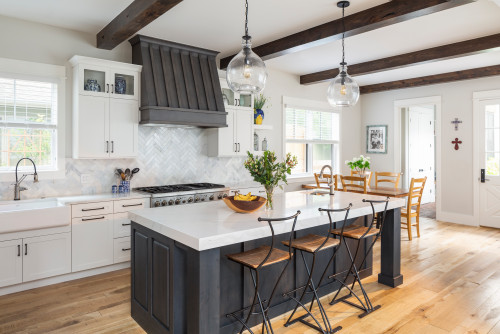
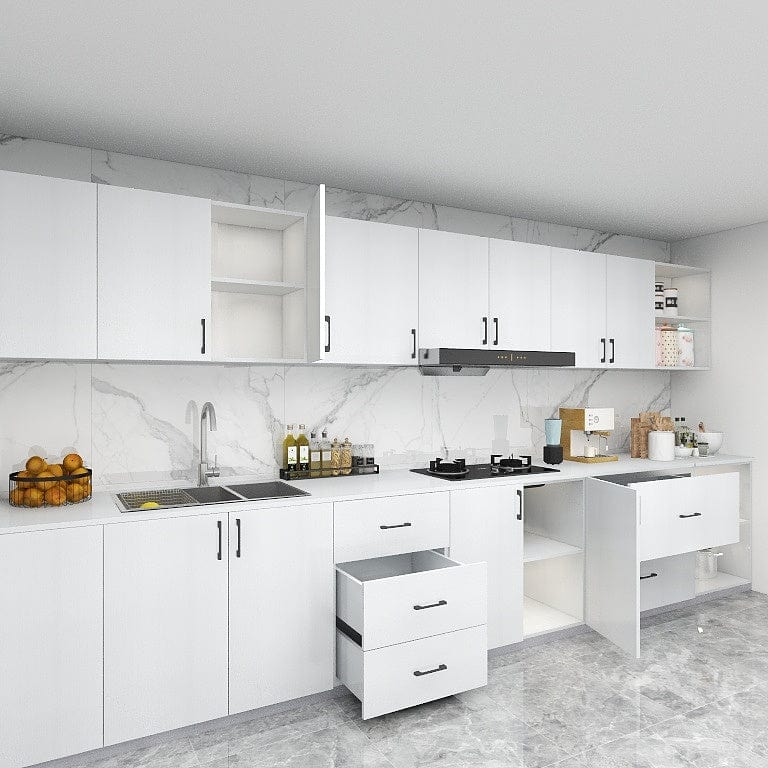
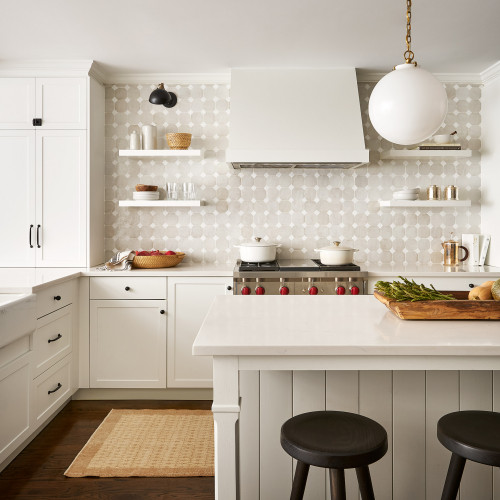
Ready-to-assemble units are precisely engineered storage systems manufactured in large-scale production facilities. They are flat-packed and shipped directly to the consumer or contractor for on-site construction. A Flat Pack kitchen cabinet offers incredible convenience without sacrificing quality. Unlike pre-assembled units built at the factory and transported in bulky boxes, flat-pack solutions maximize shipping efficiency. This logistical advantage drastically reduces transportation costs and lowers the risk of transit damage across Canada.
Each component is cut, drilled, and finished with meticulous precision using advanced computer numerical control machinery. This guarantees that all pieces of the kitchen cabinet fit together perfectly during the final assembly phase. You will find that an rti cabinet option provides similar ease of use, creating a rigid and structurally sound piece of furniture.
How Does the Manufacturing Process Ensure Top Quality Control?
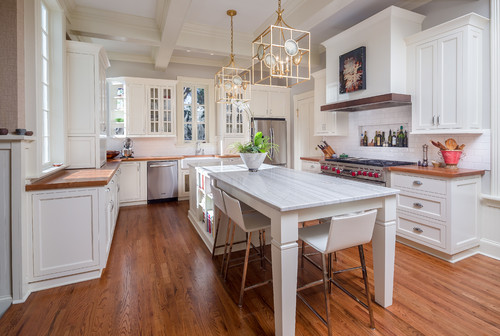
Direct Answer: Modern manufacturing utilizes advanced CNC machinery with precision tolerances of 0.1mm. In 2026, combined with multi-layer UV-cured topcoats baked at 180°C, the result is a cabinet core that is 30% more moisture-resistant than traditional local carpentry, meeting the strict Canadian indoor air quality standards with zero-VOC emissions.
The journey of a premium kitchen cabinet begins with the careful selection of raw materials. Industry-leading manufacturers utilize high-grade timber and engineered wood products. As of recent 2026 industry standards, these undergo rigorous 48-hour testing for moisture content, tensile strength, and structural stability, which is vital for the Canadian climate. Advanced automated milling machines cut the wood to exact dimensional tolerances, eliminating human error often associated with local carpentry.
Following the milling process, the components enter a sophisticated finishing facility. Paints and stains are applied in a dust-free, climate-controlled environment. Multiple layers of durable, ultraviolet cured topcoats are baked onto the surfaces of each kitchen cabinet. This factory-applied finish is vastly superior to painting cupboards on-site, providing a flawless, smooth, and highly durable exterior that resists fading for up to 25 years.
2.The Evolution of kitchen cabinet Design
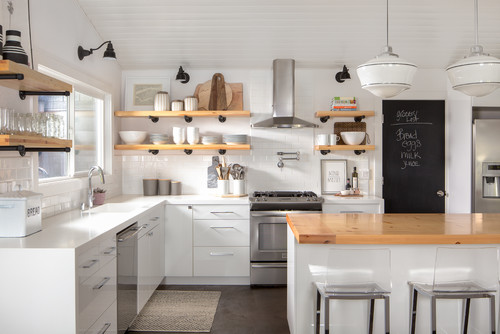
From Custom Carpentry to Modular Solutions
Decades ago, remodeling a cooking space required hiring a specialized local carpenter. They would build the framework from scratch directly within the home. While custom carpentry allowed for extreme customization, it was an incredibly slow, dusty, and expensive endeavor. As consumer demand for high-quality, accessible design grew in Canada, the industry pivoted toward modularization. Engineers realized that by standardizing the dimensions of storage boxes, they could mass-produce components without sacrificing versatility.
This modular approach allows designers to configure a sequence of standard units to fit virtually any room dimension seamlessly. Utilizing filler strips and custom trim creates a built-in, bespoke appearance. Choosing a single standard kitchen cabinet saves homeowners significant time. Integrating a modern kitchen cabinet streamlines the entire renovation timeline. You can even easily integrate an ikea cabinet into a modern layout for a quick refresh.
Modern Materials and Finishes
The aesthetic evolution of cabinetry has been equally dramatic. Early iterations of flat-pack furniture often relied on low-density particleboard and peeling melamine veneers. Today, premium offerings are virtually indistinguishable from luxury custom builds. Manufacturers now construct the structural boxes from 5/8-inch multi-ply hardwood plywood, ensuring exceptional resistance to moisture. Door styles have expanded to include timeless shaker profiles, sleek European-style flat slabs, and intricate raised-panel designs.
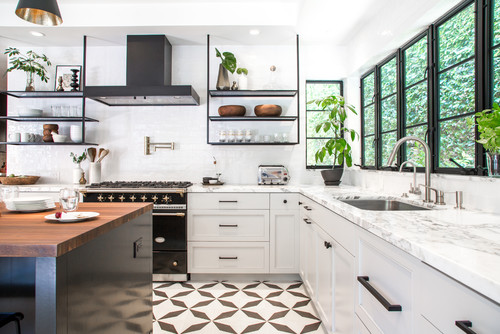
Furthermore, the color palette for a kitchen cabinet has exploded. When exploring the best kitchen cabinet colors Canada has to offer, you will find endless options to suit your style. While classic white remains a perennial favorite, deep navy blues and earthy sage greens have surged in popularity in 2026 interior design trends. Natural walnut stains also allow for highly personalized interior landscapes. Many people also love replacing old doors with nieu cabinet doors for a fresh look.
3.What Are the Key Benefits of Choosing an RTA kitchen cabinet in 2026?
Direct Answer: RTA cabinets offer up to 40-50% cost savings compared to custom builds, with delivery times slashed from 16 weeks to just 1-2 weeks. In 2026, over 65% of Canadian home renovations utilize modular flat-pack solutions due to their superior 5/8″ plywood durability, zero-VOC finishes, and rapid logistics that perfectly bypass ongoing supply chain delays.
Cost-Effectiveness and Budget Control
The most significant advantage of opting for flat-pack modular cabinetry is the profound economic benefit. In 2026, a standard 10×10 kitchen using custom cabinetry costs upwards of $25,000 CAD, whereas premium flat-pack options average $10,000 – $14,000 CAD. Finding a Low Price kitchen cabinet that still offers premium features is entirely possible with these modern solutions. By eliminating factory assembly labor and optimizing the shipping footprint, manufacturers pass substantial savings directly to the consumer. This cost reduction does not equate to a compromise in quality.
In fact, the money saved on assembly and freight often allows individuals to upgrade to superior materials. Many homeowners in Canada opt for solid wood doors and soft-close hardware while remaining well under budget. Securing a cheap Price on high-quality hardware makes your renovation budget go much further. Every new kitchen cabinet adds incredible value to your property, yielding an estimated ROI of 75% to 80% upon resale.
Rapid Availability and Logistics
Traditional custom carpentry can involve lead times stretching from twelve to sixteen weeks, leaving living spaces in chaotic disarray. In stark contrast, flat-pack solutions are typically stocked in expansive warehouses and are ready for immediate dispatch. Once an order is finalized, your kitchen cabinet components arrive quickly to your residential site. This rapid fulfillment is crucial for maintaining tight renovation schedules and minimizing downtime. Relying on the best kitchen supplier ensures you get everything delivered on time across Canada.
Exceptional Quality and Durability
Modern ready-to-assemble units are engineered for heavy daily use. The utilization of solid hardwood face frames creates a robust foundation capable of supporting heavy granite countertops, which frequently weigh over 15 lbs per square foot. The inclusion of steel joining mechanisms, such as interlocking cam-locks or traditional dovetail joints, ensures longevity. These keep the boxes perfectly square and structurally rigid over decades of intense use. A well-built kitchen cabinet will withstand the demands of any busy household.
4.RTA kitchen cabinet Options in Toronto
Upgrading Toronto Condos
The urban landscape of Ontario is heavily defined by high-density living. Toronto homeowners frequently face unique architectural challenges when renovating. Space is an absolute premium in Toronto condos, where square footage is often highly restricted. In these compact environments, every inch of storage matters immensely. Modular cabinetry provides the perfect solution for these tight spaces. Residents can install a tall upper kitchen cabinet that reaches entirely to the ceiling. This maximizes vertical storage for rarely used items. Finding a reliable kitchen cabinet solution transforms any tiny condo. The sleek, modern flat-panel styles perfectly complement the contemporary glass-and-steel aesthetic of the downtown skyline.
Maximizing Space in Historic Toronto Homes
Beyond the high-rises, neighborhoods like The Annex and Leslieville are characterized by century-old architecture. Homeowners in these areas often deal with charming but structurally challenging layouts. These include uneven floors, out-of-plumb walls, and quirky alcoves. RTA solutions offer the versatility needed to navigate these historical nuances. Installers can adjust each kitchen cabinet to create a perfectly level and flush appearance. This is achieved without damaging the original structural integrity of the house. Traditional shaker-style doors in warm tones are frequently chosen here to respect the heritage of the property.
Navigating Renovation in Toronto
Executing a successful renovation in Toronto requires meticulous logistical planning. Navigating the dense traffic of the GTA and adhering to strict condominium board regulations can be complex. Condominium rules often dictate specific hours for construction noise and require the reservation of service elevators. Flat-pack cabinetry significantly simplifies this process. Moving a bulky, pre-assembled kitchen cabinet through narrow condo hallways or tight staircases is often a logistical nightmare. In contrast, flat boxes are easily transported on standard dollies. They fit comfortably in any elevator and can be smoothly maneuvered into the exact room. Every kitchen cabinet is assembled precisely where it is needed, ensuring a frictionless experience.
5.RTA kitchen cabinet Trends in Mississauga
Transforming Mississauga Townhouses and Suburban Homes
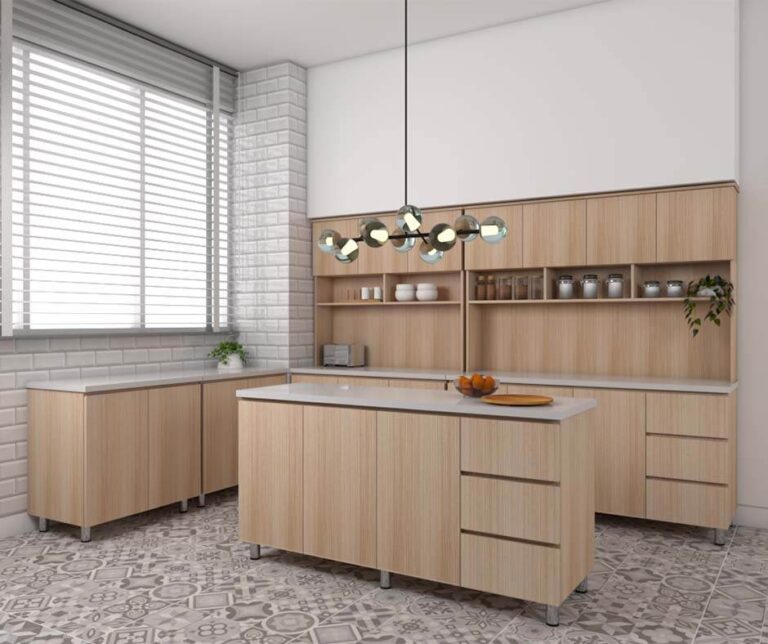
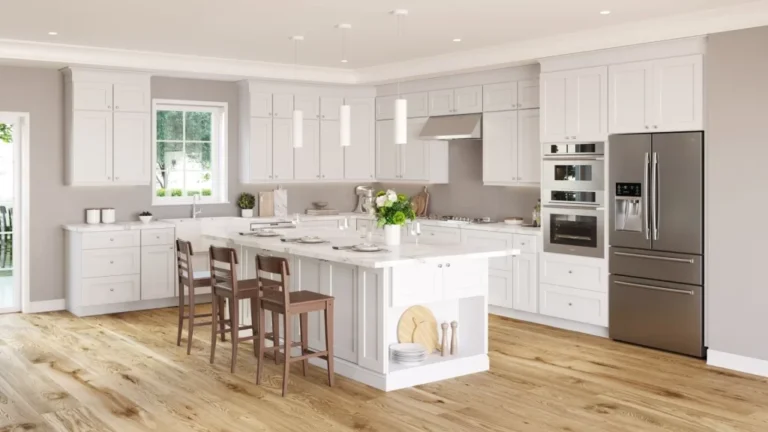
Just west of the bustling metropolis, the architectural dynamic shifts significantly. Mississauga homes typically offer larger, more expansive floor plans, providing an entirely different canvas for interior design. Upgrading your kitchen cabinet Mississauga style means focusing on expansive, family-friendly layouts. In these spacious environments, homeowners are seeking to create grand, open-concept entertainment zones. Upgrading Mississauga townhouses often involves removing non-load-bearing walls to merge the cooking area with main living rooms. Modular cabinetry excels in these large-scale transformations. Using an island-based kitchen cabinet serves as the focal point of the entire first floor.
Family-Centric Designs in Mississauga
The demographic of this region is heavily family-oriented, which dictates specific design requirements. A family kitchen must withstand incredible daily wear and tear while remaining highly organized. Homeowners frequently incorporate specialized modular units, such as expansive walk-in pantry frameworks and deep pots-and-pans drawers. The durability of premium plywood construction ensures that each kitchen cabinet can effortlessly handle the chaotic nature of a busy household. Easy-to-clean finishes and durable hardware are highly prioritized to maintain a pristine look despite constant use by children and pets.
Local Suppliers in Mississauga and Delivery Logistics
The logistics of suburban renovations present their own distinct advantages. Working with top Kitchen Suppliers guarantees you receive the best materials available in Canada. Accessing local suppliers provides residents with the opportunity to physically inspect the material quality. You can test the hardware mechanisms and finalize your color selections in person before committing to an order. A reliable kitchen cabinet supplier will guide you through every step. The broader streets and expansive driveways make receiving large freight deliveries straightforward. There is rarely a need to navigate complex service elevator bookings, making kitchen cabinet delivery simple.
6.Material Selection for Your kitchen cabinet
The Role of Plywood Cabinet Boxes
The structural integrity of any storage unit is entirely dependent on the material used to construct the main box. High-end modular systems overwhelmingly utilize cabinet-grade plywood. Plywood is manufactured by gluing multiple thin layers of wood together, with the grain running perpendicular. This cross-graining technique creates a remarkably strong board that is highly resistant to warping and expansion. It performs beautifully when exposed to fluctuating household humidity levels across Canada. Typically, a thickness of one-half inch to five-eighths of an inch is utilized for the side panels, providing ample strength. Every premium kitchen cabinet relies on this sturdy foundation to support heavy stone countertops and stacked dishware.
Solid Wood Doors vs. High-Density Fiberboard (HDF)
When selecting door styles, the choice between solid natural wood and engineered core materials is crucial. For stained finishes that highlight the natural grain, beauty, and texture of the lumber, solid hardwoods are the standard. However, if a flawless, solid painted finish is desired, High-Density Fiberboard is often the superior choice. Unlike solid wood, which naturally expands and contracts with seasonal climate changes, HDF is completely dimensionally stable. This stability prevents the formation of hairline cracks in the paint along the joints of the door frame. It ensures the finish on your kitchen cabinet remains pristine and unblemished for years.
7.Hardware and Functional Upgrades
The Importance of Quality Hinges and Glides
The mechanical hardware is the unsung hero of cupboard longevity and user satisfaction. A beautiful wooden door is ultimately frustrating if the hinges sag or squeak. Premium ready-to-assemble solutions feature high-grade steel hardware from internationally recognized manufacturers. Six-way adjustable European-style concealed hinges are standard, allowing installers to perfectly align every door with millimeter precision. Furthermore, the integration of hydraulic soft-close mechanisms ensures that doors and drawers glide silently shut. This completely eliminates the jarring noise of slamming wood and protects the structural integrity of the box over time.
Maximizing Efficiency with Internal Organizers
Modern design emphasizes internal organization just as heavily as exterior aesthetics. Standard base units with fixed shelving require individuals to blindly dig into dark corners to retrieve pots and pans. Upgrading to full-extension, undermount drawer glides brings the entire contents of the storage space out into the light. This provides immediate, ergonomic access for Canadian families. Specialized functional inserts are also critical. Lazy Susans installed in blind corner base units recover previously dead, unusable space. Pull-out spice racks positioned immediately adjacent to the stove streamline the cooking process. Integrated double-bin trash and recycling pull-outs neatly hide unsightly waste, maintaining a clean and hygienic environment.
8.Step-by-Step Guide to Planning Your Kitchen Layout
Measuring Your Space Accurately
A flawless installation begins long before the physical boxes arrive; it starts with incredibly precise room measurements. Begin by mapping out the total footprint of the room, measuring from corner to corner along the baseboards. Note the exact location, height, and width of every window and doorway, including the surrounding molding. It is absolutely critical to accurately mark the precise location of existing plumbing supply lines, gas valves, and electrical outlets. Even a discrepancy of half an inch can severely disrupt the installation of a modular layout. Measure everything twice and plot the dimensions on grid paper or utilize sophisticated 3D planning software.
Understanding The Work Triangle and Zones
The foundational theory of efficient spatial design relies on the concept of the work triangle. This optimizes the physical distance between the three primary workstations: the sink, the stove, and the refrigerator. The total linear distance of this triangle should ideally remain between thirteen and twenty-six feet. If the distance is too small, the space feels cramped; if it is too large, the cook exhausts themselves.
Modern Canadian layouts have also evolved to include specific functional zones. Establishing dedicated baking zones, coffee stations, or clean-up areas ensures that multiple people can simultaneously navigate the room without physically obstructing one another.
9.Navigating the Assembly and Installation Process
Tools Required for RTA Assembly
Constructing modular furniture is a systematic, highly logical process that most homeowners can accomplish with basic DIY skills. Thorough preparation transforms the task from overwhelming to deeply satisfying. Before opening any boxes, ensure you have a clean, flat, and protected surface to prevent scratching the finish.
- ✓ Cordless Power Drill/Driver: For securing hinges, tightening cam-locks, and driving structural screws.
- ✓ Rubber Mallet: Crucial for gently tapping dovetail joints or wooden dowels together without damaging the wood fibers.
- ✓ Wood Glue: Applying a thin bead of high-quality wood glue along the joints creates a permanent, rock-solid bond.
- ✓ Precision Measuring Tape and Laser Level: Absolute necessities for ensuring the installed units are perfectly plumb and horizontally aligned.
- ✓ Clamps: Cabinet claw clamps hold adjacent face frames perfectly flush while securing them together during wall installation.
The Installation Sequence
The installation phase requires patience and precision. The universal rule of cabinetry installation is to always begin with the upper wall units. Installing the wall sections first prevents the base units from creating a physical barrier. This allows you to stand comfortably close to the wall while lifting heavy boxes. Locate and clearly mark the structural wall studs. Use heavy-duty, washer-head screws to secure the boxes firmly to the framing; never rely on drywall anchors. Once the uppers are perfectly leveled and secured, proceed to the base units. Use wooden shims beneath the base boxes to correct any dips in the floor.
10.Environmental Impact and Sustainability
Eco-Friendly Materials and Low-VOC Finishes
As environmental consciousness grows across Canada, the manufacturing practices behind home furnishings have come under intense scrutiny. Leading modular manufacturers prioritize sustainability by sourcing timber from responsibly managed, certified forests. This ensures that harvesting practices do not deplete natural resources or harm local ecosystems. Furthermore, the finishing processes have been dramatically refined. Traditional solvent-based paints and lacquers release volatile organic compounds into the air for months after installation. Premium modern finishes utilize water-based or UV-cured technologies that are exceptionally low in VOC emissions. This ensures the air inside your home remains pure, safe, and entirely free of toxic off-gassing.
Reducing the Carbon Footprint
The logistical nature of flat-pack shipping inherently contributes to a lower carbon footprint. Transporting fully assembled furniture is incredibly inefficient, as delivery trucks spend fuel transporting vast amounts of empty air. By collapsing the components into dense, flat packages, a single truck can transport exponentially more product per trip. This massive increase in logistical efficiency dramatically reduces fuel consumption and greenhouse gas emissions associated with the supply chain. This makes modular solutions a highly responsible, eco-conscious choice for the modern environmentally aware consumer in Canada.
Maintenance and Care for Long-Lasting Units
Daily Cleaning Practices
Protecting your investment requires a consistent, gentle approach to maintenance. The factory-applied finishes are incredibly durable but can be degraded over time by harsh chemicals or severe abrasive action. For daily cleaning, simply wipe down the exterior doors and drawer fronts using a soft, lint-free microfiber cloth lightly dampened with warm water. For stubborn grease splatters or food residue, a heavily diluted solution of mild dish soap and water is perfectly sufficient. Immediately dry the surface with a separate clean towel. Never use scouring pads, abrasive powdered cleansers, bleach, or ammonia-based products to protect the clear coat.
Moisture Control and Hardware Upkeep
Wood is a naturally porous, hygroscopic material that responds continuously to its environment. The most critical aspect of preserving your storage system is extreme moisture control. Never drape damp dish towels over doors, and ensure that any water spilled near the sink base or dishwasher is wiped up instantaneously. Prolonged exposure to standing water will eventually penetrate the finish, causing the wood underneath to swell and warp irrevocably. Additionally, conduct a biannual inspection of all mechanical hardware. Gently retightening the mounting plates and adjusting the alignment screws will keep the doors perfectly level for decades.
11.Frequently Asked Questions About Modular Cabinetry
Are RTA units difficult to build? While the very first box may take some time as you familiarize yourself with the structural anatomy and hardware, the process is highly repetitive. Most individuals find that after assembling one or two units, they can complete subsequent boxes in fifteen to twenty minutes each. Comprehensive video tutorials and detailed, step-by-step schematic diagrams are always provided.
Can I paint them myself in the future? Yes. While the factory finish is incredibly durable, high-quality wood and MDF components can absolutely be refinished down the road. It requires thorough degreasing, proper sanding to scuff the existing clear coat, the application of a high-adhesion bonding primer, and multiple coats of premium enamel.
Do they add value to a property in Canada? Without question. A beautifully designed, highly functional cooking space is consistently cited by real estate professionals as the single most critical factor in determining a property’s market value. Upgrading to premium modular systems provides an incredible return on investment, massively boosting the aesthetic appeal and organizational capacity of the home.
Conclusion
Embarking on a journey to transform your home’s primary gathering space is an incredibly rewarding endeavor. By shifting away from the limitations, extreme costs, and frustrating delays of traditional custom carpentry, you open the door to a world of intelligent, accessible design. Premium ready-to-assemble solutions represent the absolute pinnacle of modern manufacturing efficiency across Canada. They effortlessly bridge the gap between luxurious aesthetics, heavy-duty structural durability, and profound cost-effectiveness. A dedicated supplier can ensure you make the right choices for your space.
Whether you are navigating the unique architectural constraints of a compact urban environment or designing an expansive, open-concept culinary masterpiece in the suburbs, modular solutions provide the exact versatility required. Finding reliable built-in cupboards that perfectly integrate into your lifestyle is easier than ever before. By taking the time to understand material science, prioritizing high-end hardware, and carefully planning your spatial layout, you guarantee success. Your newly renovated space will serve as a breathtaking, highly functional centerpiece for your family for many decades to come. Armed with this comprehensive knowledge, you are fully prepared to select, assemble, and enjoy a spectacular residential upgrade.
Ready to bring your dream space to life? Get expert consultation and find the perfect storage layout tailored for your home.
Call us today at +1 888 973 5636 or visit our website at rtadepot.ca to start your seamless transformation journey.