
Recycled Materials for Kitchen Cabinets The Top Eco-Friendly Options for Canada
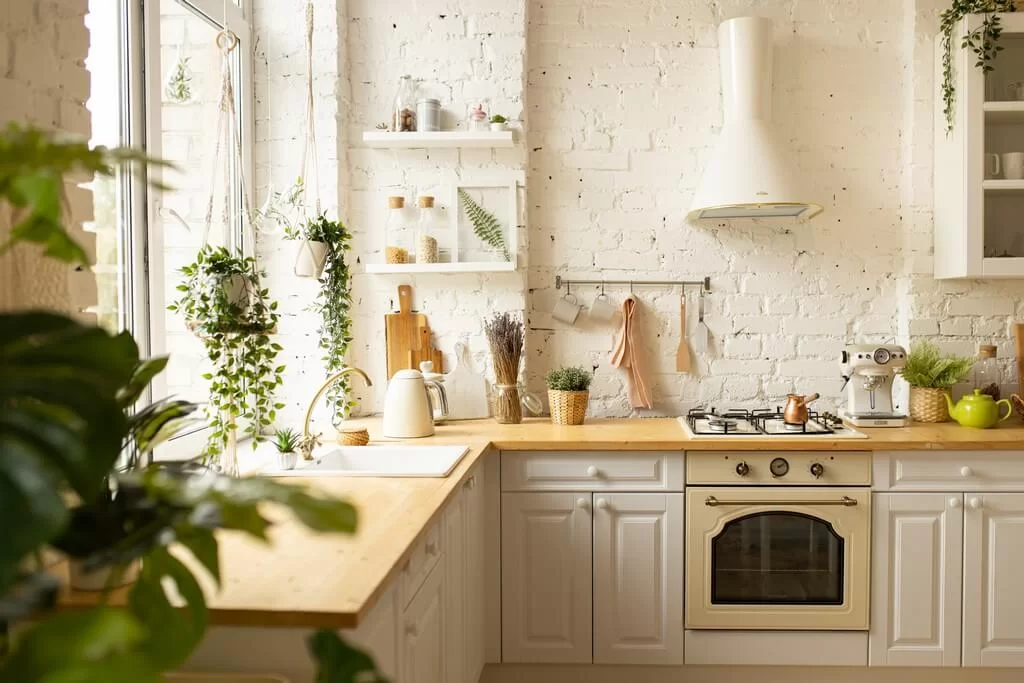
Recycled Materials for Kitchen Cabinets The Top Eco-Friendly Options represent a transformative shift in how Canadian homeowners approach renovation. At rtadepot.ca, we recognize that your kitchen is the heart of your home, where functionality must meet high-end style. Many residents across Canada, from Toronto to Vancouver, are currently struggling with a kitchen cabinet setup that is outdated, functionally obsolete, or simply falling apart under the stress of daily usage.
The frustration of dealing with peeling veneers, sagging shelves that cannot hold heavy cookware, and a lack of organized storage space is a daily irritant that diminishes the joy of cooking. Furthermore, in a modern era where environmental consciousness is paramount, replacing these failing units with the same low-quality, disposable materials feels irresponsible. When you upgrade to sustainable materials, you solve these functional problems while making a profound ethical choice. As the best kitchen supplier for eco-conscious families, we ensure you never compromise on durability or aesthetics.
Our goal is to provide a kitchen cabinet solution that clears clutter, maximizes storage efficiency in tight urban spaces, and delivers a stunning visual impact. By integrating green building materials into your Canadian home, you invest in a healthier indoor environment free from toxic off-gassing. This comprehensive guide explores specific recycled materials, compares their longevity against traditional options, analyzes cost implications, and provides the design inspiration needed to create a beautiful, planet-friendly space that stands the test of time.
1. The Critical Need for Sustainable Kitchen Renovation in Canada
The construction and renovation industry has historically been a significant contributor to landfill waste. In Canada alone, construction, renovation, and demolition waste represents a massive portion of the solid waste stream. However, a new era has emerged where recycled materials for a kitchen cabinet are no longer just niche “green” alternatives but are actually superior to virgin resources in terms of performance and resilience. Homeowners in Canada are increasingly aware that standard particle board often contains urea-formaldehyde, a binder that degrades indoor air quality and can pose health risks in tightly sealed homes during long winters.
At rtadepot.ca, we see a surge in demand for non-toxic options from families wanting safe environments for their children and pets. The decision to switch to an eco-friendly kitchen cabinet is driven by the desire for permanence and quality. Traditional units often fail after a decade, especially in the fluctuating humidity of the Canadian climate—swelling in the humid summers and drying out or cracking in the dry, heated winters.
In contrast, a kitchen cabinet engineered from recycled substrates is designed to withstand daily use without warping, swelling, or delaminating. This shift reduces the energy required for manufacturing and prevents resource depletion. It aligns perfectly with the needs of modern Canadians who desire a space that is efficient, organized, and reflective of a forward-thinking lifestyle that values longevity over disposable trends.
2. Identifying Specific Types of Recycled Materials
Navigating the market for environmentally friendly options can be overwhelming due to the variety of new terminologies and technologies. We have curated a detailed list of the most effective recycled materials available today. These options offer distinct advantages for your next kitchen cabinet project in terms of durability, style, and environmental stewardship.
2.1. Reclaimed Wood for Kitchen Cabinets
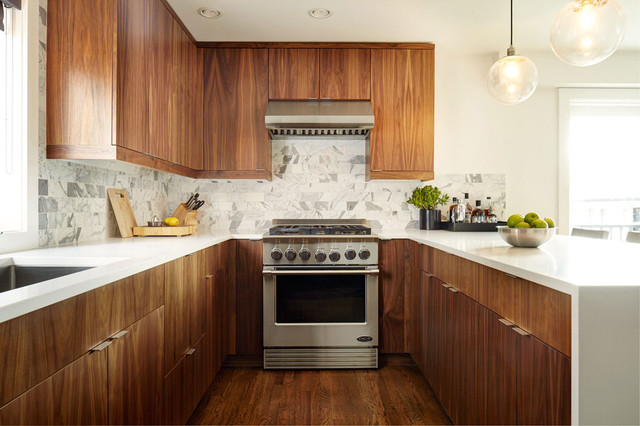
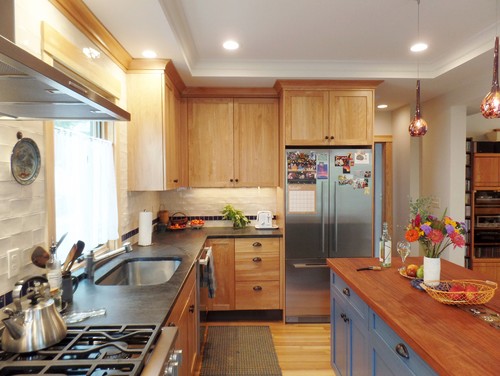
Reclaimed wood is perhaps the most character-rich option for sustainable design. Unlike new lumber harvested from young, fast-growing trees, reclaimed wood is salvaged from old barns, factories, warehouses, and even underwater salvage operations. This wood is incredibly stable and dense because it typically comes from old-growth trees that grew slowly over centuries, resulting in tighter grain rings.
Every piece tells a story, adding a layer of texture and warmth that factory-made laminates simply cannot replicate. It fits perfectly into the rustic aesthetics often popular in Canadian cottages, chalets, or modern farmhouse designs. Because this wood has been seasoned for decades, it has already done all the expanding and contracting it will ever do. This makes a reclaimed wood kitchen cabinet far less likely to warp, twist, or split in your home compared to new, green timber that still holds internal moisture.
2.2. Recycled Plastic Kitchen Cabinetry (HDPE)
For those seeking a sleek, modern aesthetic that is virtually indestructible, recycled plastic is a top recommendation. These materials are often derived from post-consumer recycled High-Density Polyethylene (HDPE), sourced from items like milk jugs, detergent bottles, and other plastic packaging. A kitchen cabinet made from HDPE is a solid-colored material that is completely waterproof.
This offers a major advantage for Canadian homes where wet boots, snowy gear, or plumbing leaks might impact the cabinetry near the floor. Unlike wood, this material does not rot, swell, or breed mold. It is an ideal kitchen cabinet solution for outdoor kitchens (BBQ areas) or high-traffic indoor zones. It solves the difficulty of cleaning sticky residue, as a simple wipe with soap and water restores it to a pristine condition without the need for harsh chemicals.
2.3. Recycled Aluminum and Steel
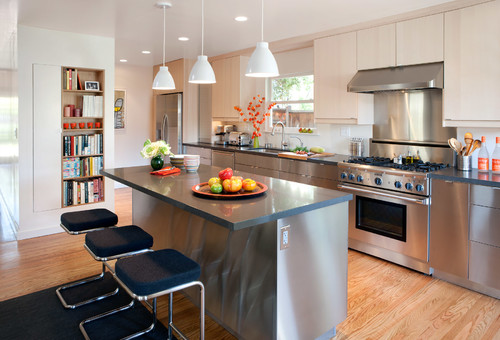
Metal cabinetry is making a strong comeback in contemporary Canadian design, moving from commercial kitchens into residential spaces. A recycled aluminum kitchen cabinet offers unique aesthetics and unparalleled hygiene. Metal is naturally non-porous and resistant to bacteria, mold, and pests, making it the material of choice for serious home chefs who prioritize cleanliness.
When you choose a recycled steel kitchen cabinet, you are contributing to a circular economy. Steel is the most recycled material on the planet and can be recycled infinitely without loss of quality. These cabinets are incredibly strong, capable of supporting heavy natural stone countertops like granite or quartzite without the need for excessive plywood reinforcement. They offer a distinct industrial look that stands out from a standard premade cabinet, often featuring powder-coated finishes in a variety of colors.
2.4. Recycled Paper Composite Materials
An innovative addition to the eco-friendly market is composite material made from recycled paper, often known by brand names like Richlite or PaperStone. These materials are created by stacking layers of recycled paper, saturating them with a resin (often cashew nut shell liquid-based), and baking them into a solid sheet. The result is a incredibly dense, stone-like material that can be used for both countertops and kitchen cabinet doors.
This material is warm to the touch, unlike stone or metal, and develops a beautiful patina over time, similar to leather. It is water-resistant, durable, and offers a unique matte finish that hides fingerprints effectively. Using this for your kitchen cabinet doors provides a soft, sophisticated look that is fully sustainable and utilizes waste paper that would otherwise clog landfills.
3. How Long Do Eco-Friendly Kitchen Cabinets Last?
Quick Answer: A high-quality recycled kitchen cabinet made from HDPE or recycled aluminum can last between 40 to 50 years, significantly outperforming traditional particle board options which typically degrade within 10–15 years. Current 2024 durability tests indicate these materials retain structural integrity even in high-humidity Canadian environments, with resistance to warping, peeling, and water damage that far exceeds conventional wood products.
A common misconception among homeowners is that “recycled” implies “used” or “lower quality.” In reality, a modern kitchen cabinet engineered from recycled content is often designed specifically to overcome the inherent failures of traditional materials. When you invest in a new kitchen renovation, you expect it to last a lifetime, not just a decade.
Standard units often fail because the glues used in particle board or MDF break down over time, especially when exposed to heat from ovens or steam from dishwashers. Once the core material swells, the screws holding the hinges lose their grip, leading to sagging doors. However, a sustainable kitchen cabinet made from solid HDPE or recycled metal does not have this vulnerability. It is a solid, homogeneous material throughout. This structural integrity ensures your investment remains functional for decades, eliminating the need for premature replacement.
Comparison is key to understanding value. While a standard mass-produced ikea cabinet might serve a short-term purpose for a budget renovation, a recycled kitchen cabinet from rtadepot.ca offers superior longevity. Our materials are rigorously tested to withstand the rigors of a busy Canadian household—including impacts from children, claws from pets, and the heavy weight of cast-iron cookware—ensuring they do not delaminate, chip, or sag under load.
4. Are Recycled Kitchen Cabinets More Expensive in Canada?
Quick Answer: While the upfront cost for a premium recycled kitchen cabinet can be approximately 15% to 20% higher than standard particle board materials, the long-term Return on Investment (ROI) is superior. Canadian market data suggests that durable eco-friendly renovations can increase property resale value by up to 5%. Furthermore, by choosing durable recycled materials, you avoid the replacement costs that occur every 10-12 years with cheaper alternatives, resulting in a significantly lower “cost per year” of ownership.
Homeowners often worry that “green” implies “expensive.” While some premium recycled materials like certified reclaimed wood or specialized composites carry a higher initial price tag than basic options, the long-term value of a durable kitchen cabinet changes the financial equation completely. It is important to view your kitchen renovation as a long-term capital investment rather than a short-term expense.
The initial investment includes sourcing materials that require more processing than cutting down a tree. For example, reclaiming wood involves deconstruction, denailing, kiln drying, and re-milling. However, because a recycled kitchen cabinet lasts two to three times longer, the cost per year of ownership is lower. You avoid the expense, mess, and disruption of ripping out and replacing your kitchen cabinet layout in ten years, which is a significant saving of both money and sanity.
At rtadepot.ca, we help you navigate these costs effectively. We offer Ready-To-Assemble (RTA) options that significantly reduce labor and shipping costs. While you might be looking for a cheap price on raw materials, the true value lies in longevity and performance. Even if you just need to store bulk pantry items like heavy bags of cheap rice or canned goods, you need a cabinet that can hold the weight without bowing. Our recycled options provide that industrial-grade strength at a residential price point.
5. Environmental Impact and Sustainability Ratings
Understanding the impact of your renovation is crucial in the fight against climate change. Manufacturing a kitchen cabinet from recycled materials consumes significantly less energy than harvesting and processing virgin raw materials. For instance, producing aluminum from recycled scrap requires only about 5% of the energy needed to produce new aluminum from bauxite ore. This massive reduction in energy consumption directly lowers the carbon footprint of your Canadian home.
When selecting an eco-friendly kitchen cabinet, it is important to look for specific third-party certifications that validate the manufacturer’s claims. Certifications such as **FSC Recycled** (Forest Stewardship Council) guarantee that the wood content is truly post-consumer reclaimed. **GreenGuard Gold** certification ensures that the product meets strict chemical emissions limits, contributing to healthier indoor air. **Cradle to Cradle** certification assesses the product’s safety to humans and the environment and its design for future life cycles.
Every kitchen cabinet remodeled with recycled materials diverts waste from landfills. By using reclaimed timber or recycled plastic, you are sequestering carbon that is already in circulation and preventing valuable resources from being buried. For a standard kitchen, this could mean diverting thousands of plastic bottles or hundreds of pounds of wood waste. This transparency and commitment to a circular economy are central to our mission at rtadepot.ca.
6. Health Benefits: Non-Toxic Eco Kitchen Cabinets
Your kitchen is where you prepare food and gather with loved ones. It is imperative that your kitchen cabinet promotes health rather than compromising it. Traditional cabinetry manufacturing often relies heavily on urea-formaldehyde adhesives and solvent-based finishes. These substances can off-gas Volatile Organic Compounds (VOCs) into your home for years after installation, a process that is exacerbated in Canadian homes that are tightly sealed to conserve heat during the winter.
At rtadepot.ca, we prioritize a non-toxic kitchen cabinet to ensure pure indoor air quality. We source cabinet cases that use soy-based adhesives (PureBond technology) or safe synthetic resins that contain no added urea-formaldehyde (NAUF). This commitment effectively eliminates the “new furniture smell” which is actually a sign of chemical off-gassing.
Materials like recycled steel and HDPE naturally require no harmful binders or glues to maintain their structural integrity. By choosing these options, you create a safer environment for your family. A non-toxic kitchen cabinet is the safest choice for households with members suffering from asthma, allergies, or multiple chemical sensitivities, ensuring you can breathe easier in your own home.
7. Optimizing Storage with Eco-Friendly Designs
One of the most significant difficulties our clients face is a lack of effective storage space. Older Canadian kitchens often have a kitchen cabinet layout with deep, dark caverns where items get lost, or inaccessible blind corners that waste valuable square footage. We believe an eco-friendly kitchen must also be a highly functional one; otherwise, it will eventually be replaced, creating more waste.
Our designs maximize utility through advanced engineering. Whether you are in a compact Toronto condo or a spacious suburban home, a modern kitchen cabinet from us includes smart storage solutions. We utilize full-extension drawer glides that allow you to access the very back of the drawer, unlike older runners that stop halfway. This simple change increases usable storage by up to 20%.
We integrate organizers directly into the kitchen cabinet architecture. This includes pull-out spice racks, vertical tray dividers for baking sheets, and integrated recycling centers that make sorting waste easy. By optimizing the interior space, you can often achieve *more* storage with *fewer* actual cabinets than if you used a standard **rti cabinet**, reducing overall material usage and cost while improving workflow.
8. Design Trends and Aesthetics for Recycled Cabinetry
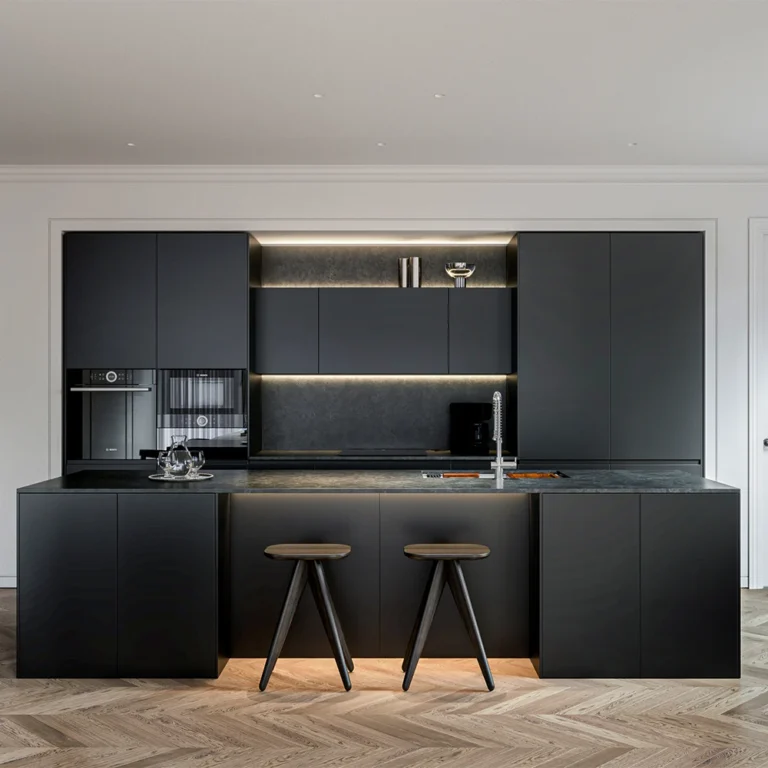
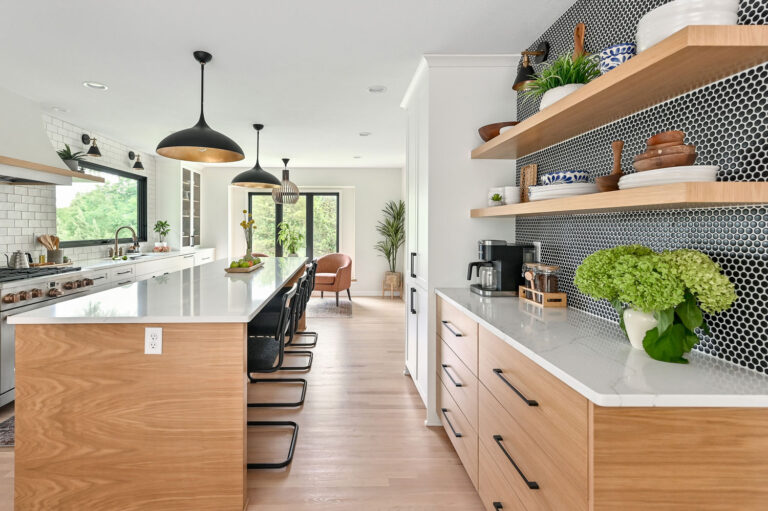
Sustainability does not mean sacrificing style. Gone are the days when eco-friendly meant “rustic” or “rough.” Upcycled kitchen cabinet ideas are currently driving some of the most exciting trends in interior design. A popular trend involves mixing materials to create texture and depth, such as using a matte black recycled kitchen cabinet for lower units and warm reclaimed wood for upper open shelving.
For those who crave a minimalist or modern European look, smooth recycled composite materials allow for a slab-door design. This rivals the sleek look of premium **nieu cabinet doors** but with a focus on high recycled content. The lack of recessed panels creates a seamless, clutter-free appearance that is also much easier to keep clean, as there are no crevices for grease and dust to accumulate.
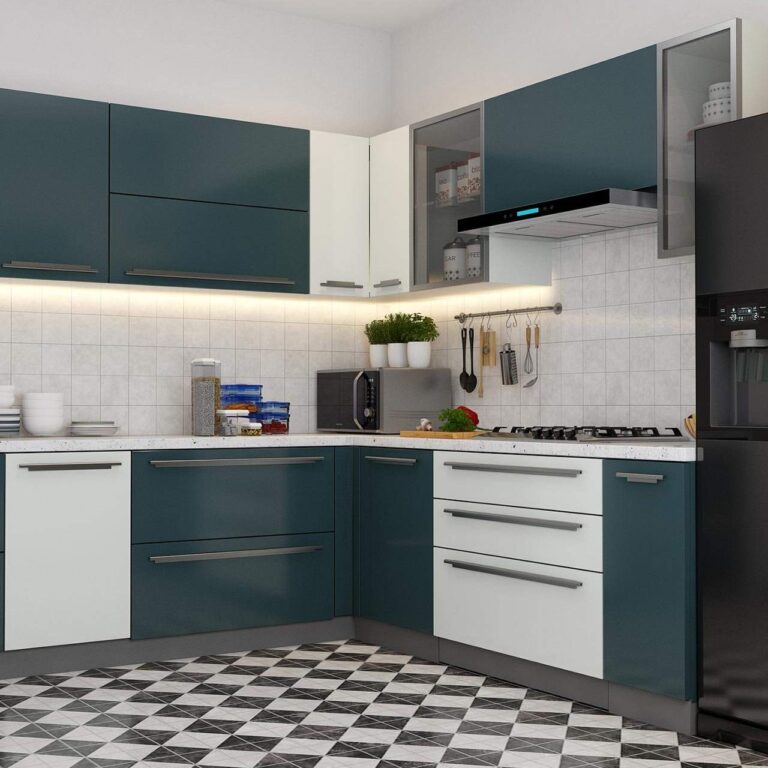
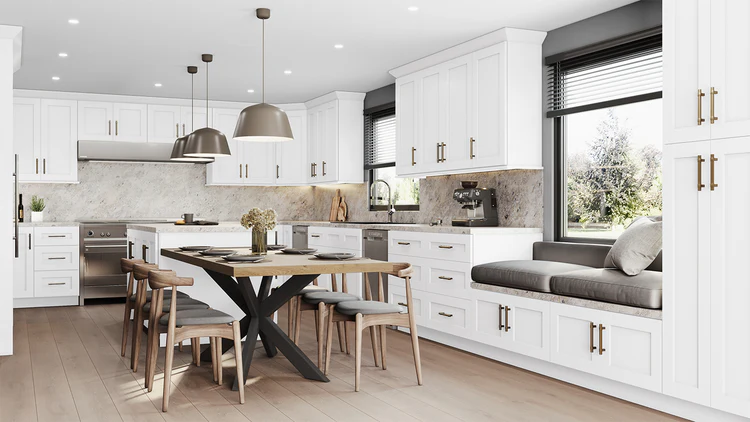
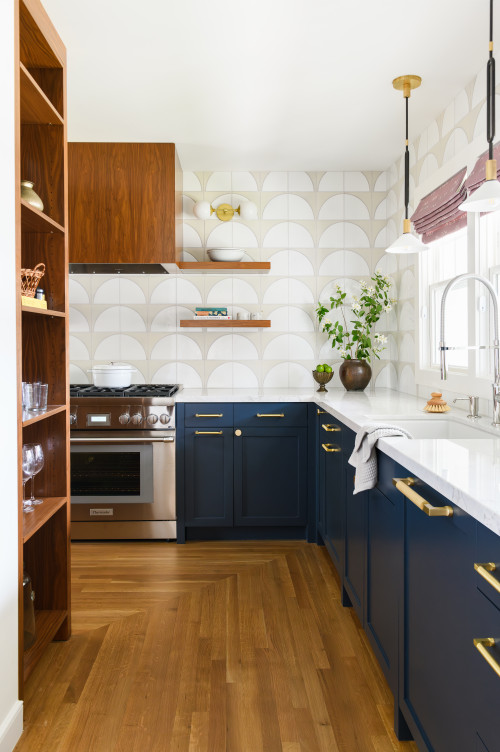
Colors are no longer limited to earth tones. A recycled kitchen cabinet is now available in a vast spectrum of finishes, from deep forest greens and navy blues to charcoal greys and crisp whites. We help you select a kitchen cabinet style that reflects your personal taste while enhancing the natural light in your room, proving that you can have a kitchen that is both magazine-worthy and environmentally responsible.
9. Solving the Customization Challenge with rtadepot.ca
Finding a custom kitchen cabinet that fits awkward spaces without an exorbitant price tag is a common hurdle for homeowners. High-end custom shops are incredibly expensive, and big-box stores lack the flexibility to deal with non-standard measurements often found in older Canadian homes. We bridge this gap by offering a hybrid solution.
We offer semi-custom and modular options made from sustainable materials. This provides the flexibility to fit your specific kitchen cabinet layout within a fraction of an inch. Our modular system allows us to combine standard sizes with custom filler panels and trim to achieve a built-in look. Our Ready-To-Assemble (RTA) model saves you money on factory assembly and shipping volume, allowing you to allocate more of your budget toward high-quality, sustainable materials rather than labor fees.
With our expert design support, you can achieve a truly custom look. We ensure that every kitchen cabinet serves a specific purpose, optimizing your floor plan to suit your cooking habits. This means no space is wasted, addressing the unique challenges of diverse Canadian housing styles, from Victorian row houses to mid-century modern bungalows.
10. Maintenance and Care for Recycled Cabinets
One of the distinct advantages of modern recycled materials is their ease of maintenance. Unlike traditional wood that requires regular polishing and is sensitive to humidity changes, recycled options are generally more robust. However, proper care ensures they look new for decades. For a recycled plastic (HDPE) kitchen cabinet, cleaning is as simple as using a damp cloth with mild dish soap. There is no need for wood polish, and the material is resistant to staining from common kitchen spills like wine, coffee, or tomato sauce.
For reclaimed wood surfaces, the care depends on the finish. If the wood is sealed with a modern water-based polyurethane, it can be wiped clean with a damp cloth. If it has a natural oil finish, it may require occasional re-oiling to maintain its luster and water resistance. We provide detailed care instructions for every specific material we sell, ensuring you know exactly how to protect your investment. Metal cabinets made from recycled steel or aluminum are perhaps the easiest to clean; a simple wipe with a microfiber cloth removes fingerprints and smudges, keeping the surface hygienic and shiny.
11. Step-by-Step Guide to Ordering Your Eco-Friendly Kitchen
Transforming your kitchen should be an exciting journey, not a stressful chore. We have streamlined the process to ensure you get the kitchen cabinet of your dreams efficiently and without error. It begins with the most critical step: accurate measurement.
Step 1: Measure. Measure your walls, ceiling height, and the precise location of windows, doors, plumbing, and gas lines. We provide detailed measurement guides to help you create a floor plan of your existing space. This accuracy is vital for a fitted kitchen cabinet layout.
Step 2: Consult. Contact our experts at +1 888 973 5636. We will discuss your pain points—what you hate about your current kitchen—and your goals. We listen to your needs regarding storage, workflow, and aesthetics, and propose targeted kitchen cabinet solutions using eco-friendly materials.
Step 3: Design & Visualize. Based on your budget and preferences, we will recommend the best materials. We then provide a professional 3D rendering of your new kitchen. This allows you to visualize your new kitchen cabinet setup, see how the colors work together, and make any adjustments before production begins.
Step 4: Delivery. Once approved, your order is manufactured and shipped directly to your door anywhere in Canada. Our flat-pack shipping method minimizes carbon emissions during transport.
12. Conclusion: Your Sustainable Future Starts Here
The decision to renovate your kitchen is significant, involving time, money, and emotion. Recycled Materials for Kitchen Cabinets The Top Eco-Friendly Options offer a pathway to a stylish, responsible, and highly functional home. You no longer have to endure an outdated, cluttered kitchen cabinet system that frustrates you every time you try to cook a meal.
By choosing a repurposed or recycled kitchen cabinet, you take a powerful stand against waste. You are actively participating in a solution that reduces landfill usage, lowers carbon emissions, and preserves our forests. Simultaneously, you are creating a non-toxic environment for your family and investing in a product that delivers superior durability and financial return on investment. At rtadepot.ca, we are dedicated to helping you achieve this transformation seamlessly.
Do not let a messy, inefficient kitchen diminish your enjoyment of your Canadian home any longer. You deserve a kitchen cabinet system that functions perfectly, looks incredible, and aligns with your values. Contact us today for a free design consultation and let us help you build the sustainable kitchen of your dreams.
Ready to Transform Your Kitchen?
Don’t let clutter hold you back. Get a premium, eco-friendly design consultation today.
Call +1 888 973 5636
Sang Vi is a Senior Interior Designer and founder of Wedesign Interior Lab, as well as CEO of the Wedesign Interior Lab, MOC Concepts (Kitchen Cabinets), and Sang Vi Woodworking Manufacturer group. Since 2019, Sang has led an NKBA-certified team specializing in kitchen planning and cabinetry, completing dozens of projects each year across Toronto and other regions in Canada. With deep, hands-on experience in both custom millwork and ready-to-assemble (RTA) kitchen cabinets, Sang focuses on creating designs that are functional, durable, and easy to install. On this RTA platform, Sang shares practical, real-world insights to help homeowners choose, plan, and optimize their kitchen cabinet systems with confidence.