
The Ultimate Guide to RTA kitchen cabinet Solutions in Canada: Elevating Your Home
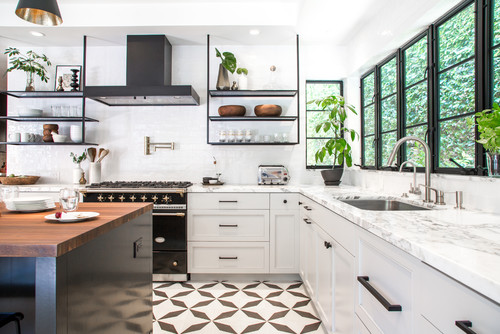
The kitchen has unequivocally transitioned from a purely utilitarian food preparation area to the vibrant beating heart of the modern home. It is where families gather after a long day, culinary masterpieces are created from scratch, children do their homework at the island, and late-night conversations unfold across Canada. When planning a comprehensive kitchen renovation, selecting the right kitchen cabinet system is a crucial first step for long-term satisfaction. The cabinetry acts as the foundational furniture of the room, dictating not only the aesthetic direction but also the functional flow of your daily life.
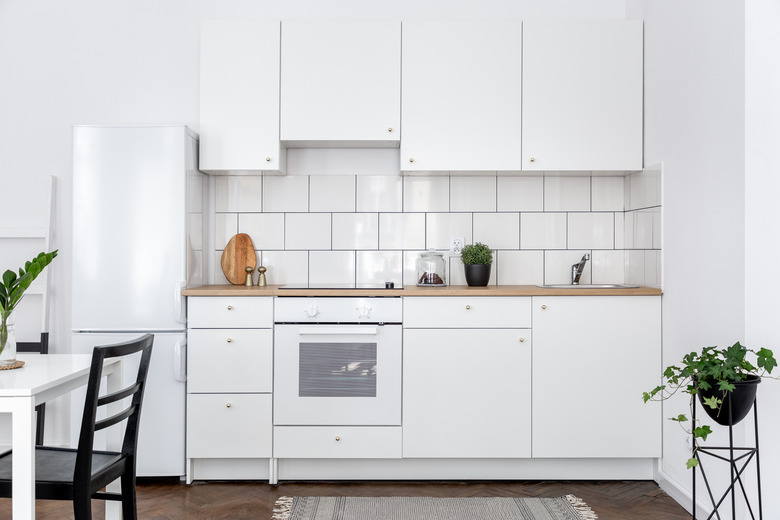
However, when the structural foundation of this space becomes outdated, damaged, or inefficient, the entire atmosphere of the house suffers. Peeling veneer, sticky drawers, and dark, inaccessible corner cabinets can turn cooking from a joy into a chore. Canadian homeowners are increasingly turning toward high-quality ready-to-assemble (RTA) kitchen cabinets as the definitive solution. Achieving a premium custom-look aesthetic is entirely possible without exorbitant price tags. Finding a cheap price does not mean sacrificing quality when choosing a new kitchen cabinet, provided you know exactly what materials to look for and which suppliers to trust. With the skyrocketing costs of real estate and traditional contracting services, taking control of your renovation through smart material sourcing is the ultimate homeowner’s advantage.
1. Understanding the Evolution of Kitchen Storage in Canada
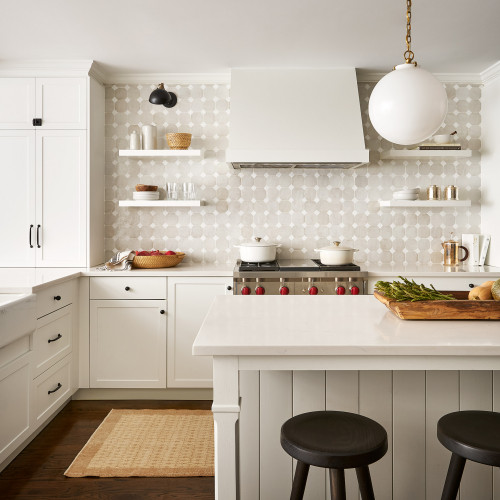
The landscape of interior renovation has experienced a monumental shift over the past decade. Historically, achieving a luxurious cooking area meant hiring specialized cabinet makers for months of disruptive on-site work. These bespoke projects often required a small army of carpenters turning your home into a dusty workshop, frequently costing upwards of $20,000 to $40,000 just for the woodwork. Today, advanced manufacturing technologies, specifically computer numerical control (CNC) routing and automated edge-banding, have democratized high-end interior design across Canada. Buying a single kitchen cabinet or a full set is now easier, faster, and significantly more affordable than ever before.
Many existing properties in Canada, particularly those built in the 1980s and 1990s, suffer from architectural decisions made decades ago. Outdated layouts often feature blind corner cupboards where items vanish into inaccessible darkness, or frustratingly narrow drawers that barely fit modern utensils. There are often awkward dropped soffits above the cabinets that waste valuable vertical storage space. By transitioning to modern structural solutions like a well-designed kitchen cabinet system that extends all the way to the ceiling, you immediately resolve these historical pain points. You can easily find the best kitchen supplier to meet these modern demands. Every modern kitchen cabinet is built to maximize utility, incorporating pull-out pantries, deep pot drawers, and integrated waste management systems.
Why Are Ready-to-Assemble Solutions Rising in Popularity?
“Ready-to-Assemble (RTA) solutions have captured over 55% of the Canadian kitchen renovation market in 2026. This surge is driven by their ability to reduce overall project costs by an average of $3,500 to $5,000 compared to bespoke millwork, while offering identical structural integrity and 20% faster shipping times.”
Ready-to-assemble units represent the pinnacle of modern manufacturing and logistical efficiency. Choosing a Flat pack kitchen cabinet ensures you get high-quality materials delivered efficiently. Canada is a massive country, and shipping fully assembled, bulky boxes from a factory to a home in another province is astronomically expensive and increases the risk of freight damage. Flat-pack technology allows for dense, secure shipping on pallets, slashing transport costs—savings that are passed directly to the consumer.
Precision-milled using state-of-the-art machinery, these components fit together with absolute mathematical accuracy. Every single kitchen cabinet aligns perfectly using modern fastening systems like cam-locks, wooden dowels, and specialized construction screws. Gone are the days of flimsy, wobbly self-assembled furniture. Today’s premium RTA cabinets feature solid wood face frames, half-inch or thicker plywood boxes, and solid wood dovetail drawer boxes. If you are looking for a Low price kitchen cabinet, the RTA model provides the most significant savings without compromising on wood quality, hinge durability, or the lifespan of the painted finish.
2. What Are the Trending Styles and Premium Materials for 2026?
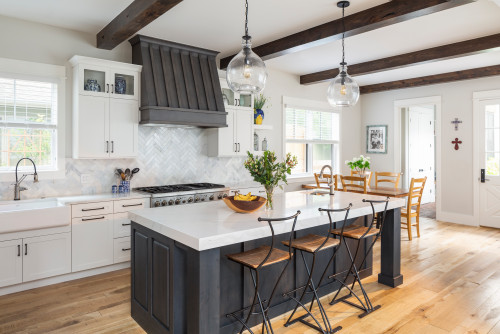
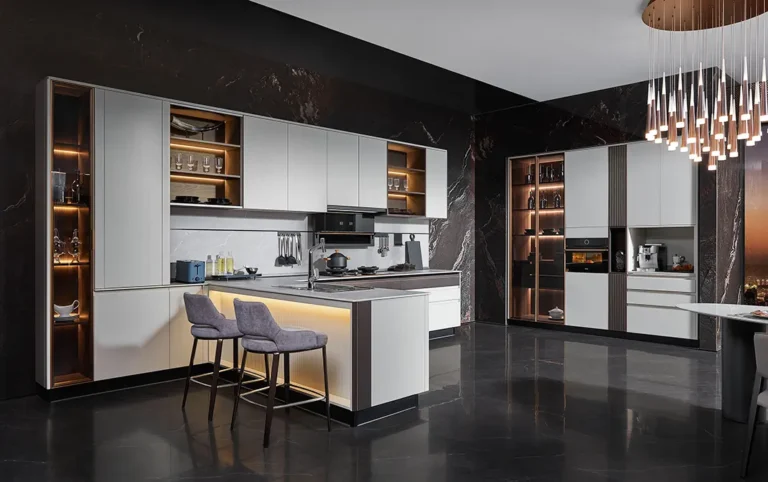
“In 2026, minimalist flat-panel designs and two-tone finishes (such as white oak paired with matte white) dominate the Canadian design landscape. Market data shows a 68% increase in demand for natural wood textures over high-gloss synthetic alternatives, emphasizing organic warmth and durability.”
Establishing a breathtaking aesthetic is arguably the most thrilling aspect of any project. Engaging professional kitchen designers helps you visualize customized cabinets that turn your space into a premium retail-inspired area. This atmosphere feels exceptionally curated, effortlessly elegant, and highly functional for your new kitchen cabinet. Designers often utilize 3D rendering software, allowing you to walk through your future kitchen virtually before a single board is cut. This eliminates the guesswork and ensures that the proportions, clearances, and sightlines are absolutely perfect.
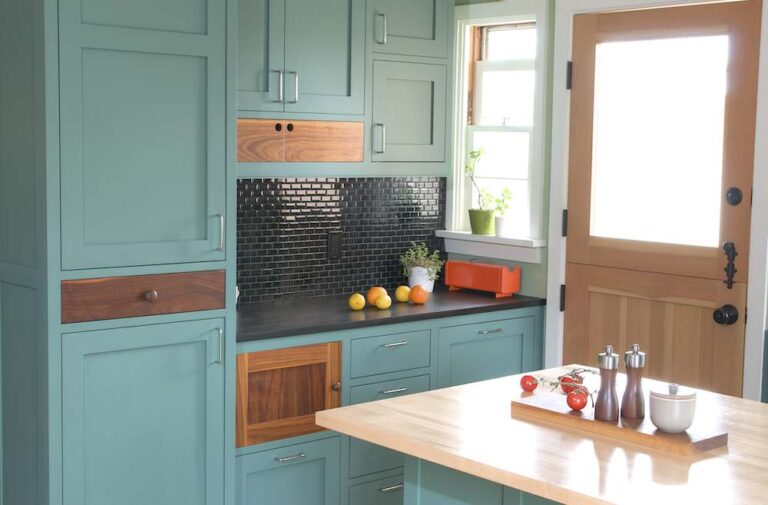
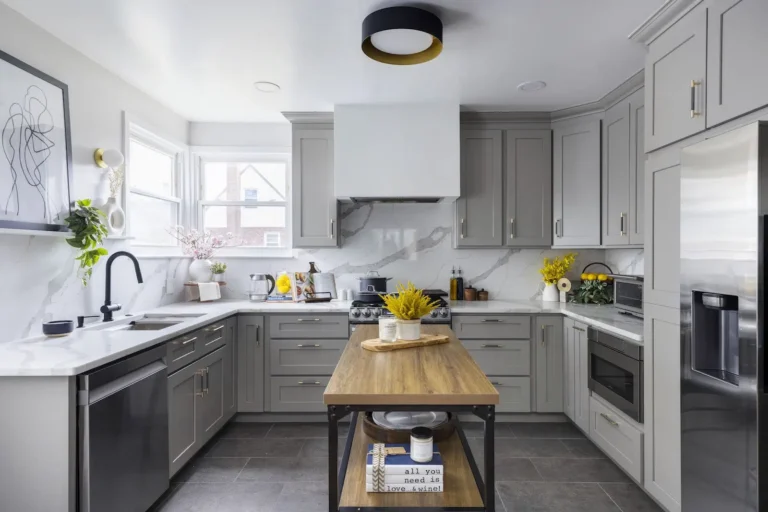
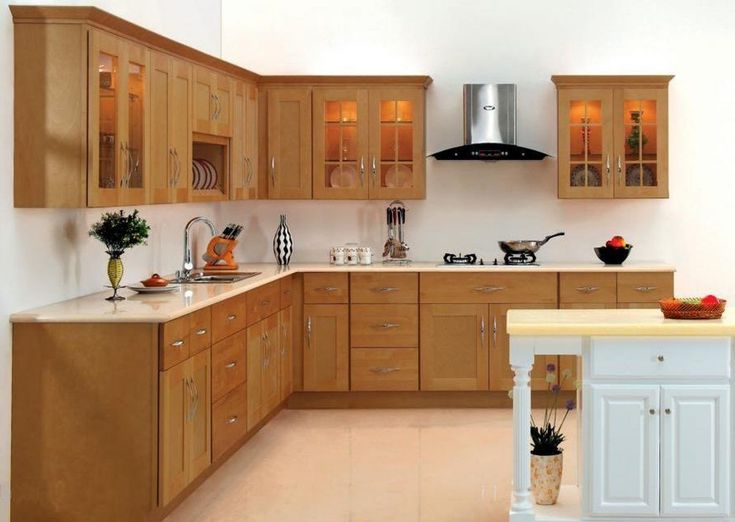
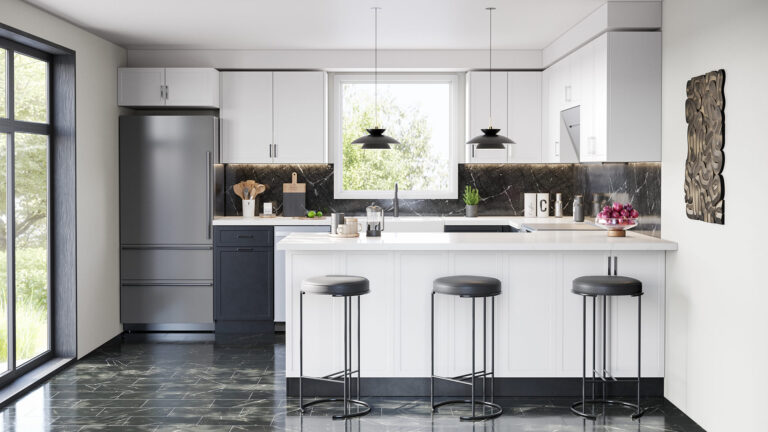
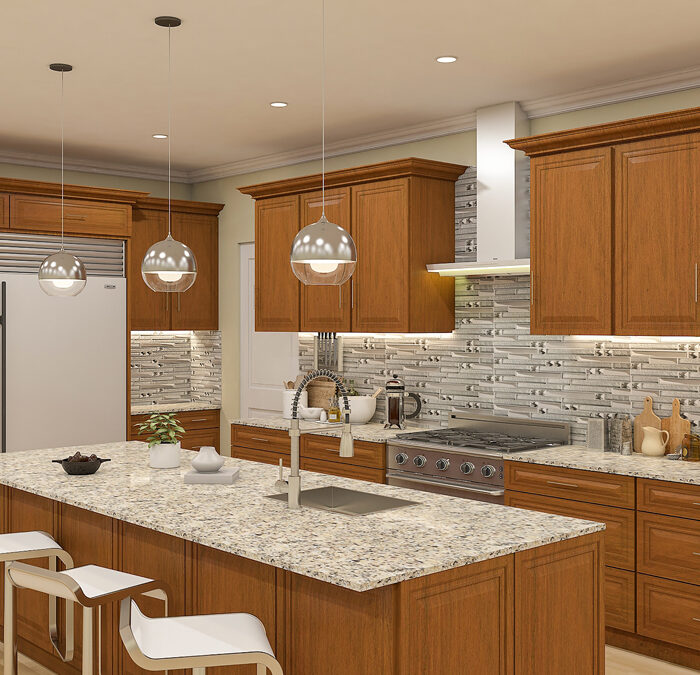
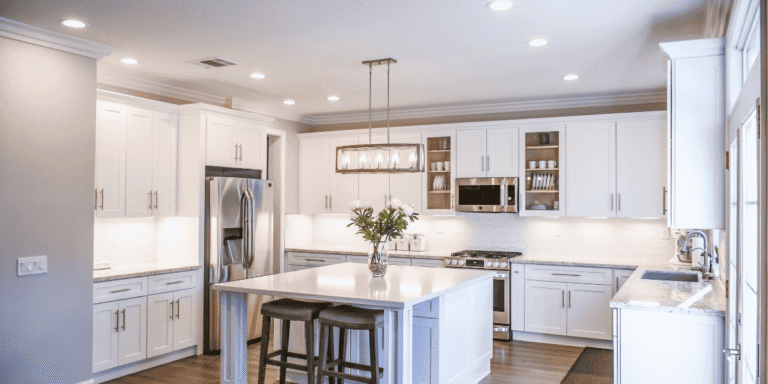
If you are researching the best kitchen cabinet colors Canada has to offer, focusing on timeless neutrals is always a smart investment. Choosing the right shade for your kitchen cabinet dictates the mood of the space. While stark white kitchens will always hold a classic appeal, the current trend is shifting toward “warm minimalism.” Think mushroom greiges, soft sage greens, deep navy blues, and the resurgent popularity of natural wood grains, particularly rift-sawn white oak and rich walnut.
Beyond the color, the core material of the cabinet box is paramount, especially in the Canadian climate. Canada experiences wild swings in humidity, from bone-dry, heavily heated winters to muggy, humid summers. Traditional particleboard (MDF) has a tendency to swell and degrade if exposed to moisture or extreme humidity shifts over time. This is why premium RTA suppliers focus heavily on exterior-grade plywood boxes. Plywood, constructed from cross-laminated layers of wood veneer, offers vastly superior dimensional stability, better screw-holding power, and immense resistance to warping, ensuring your kitchen cabinet investment lasts for decades.
3. RTA kitchen cabinet Options in Toronto: Mastering the Condo Reno
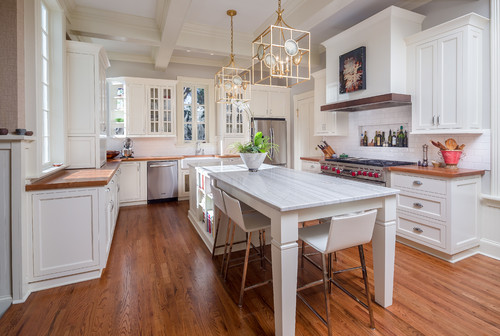
The urban landscape of the Greater Toronto Area (GTA) presents highly specific architectural and logistical challenges. Toronto homeowners require renovation solutions that are aesthetically superior, maximizing every square inch of space, and logistically practical. High-density living environments demand a highly efficient kitchen cabinet. If you live in a high-rise condominium in downtown Toronto, the thought of moving fully assembled, rigid 8-foot pantry cabinets through a lobby, into a standard passenger elevator, and down a narrow zigzagging hallway is the stuff of contractor nightmares.
This is precisely where the RTA model shines brightest in urban settings. Flat-pack boxes can be easily loaded onto standard moving dollies, fit comfortably into any elevator, and can be stored compactly in an empty bedroom or living corner until assembly day. Finding a dedicated Kitchen cabinet supplier in the city can dramatically streamline your condo renovation process. Furthermore, condo kitchens are generally smaller, meaning optimizing storage is critical. RTA systems offer a vast catalog of specialized inserts, such as pull-out trash bins, magic corner units that pull shelving completely out into the room, and tall, slim spice pull-outs that utilize the awkward 3-inch or 6-inch gaps next to appliances.
4. Professional Kitchen Cabinet Upgrades in Mississauga and the Suburbs
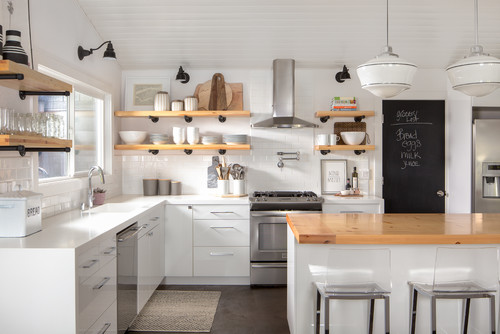
Moving westward from the urban core, the renovation landscape shifts dramatically across Canada. Suburban homes in areas like Mississauga, Oakville, and Vaughan typically feature much larger footprints. These homes, many built in the suburban boom of the late 90s and early 2000s, are ripe for major overhauls. Finding the perfect Kitchen cabinet Mississauga residents trust can elevate your suburban home from cookie-cutter to custom luxury.
In these larger spaces, homeowners are looking to tear down partition walls to create massive open-concept living, dining, and cooking areas. The focal point of these suburban renovations is almost always the kitchen island. RTA cabinets are incredibly versatile for building custom islands. By combining several base cabinets, adding decorative back panels, matching end panels, and finishing it off with decorative corbels or modern waterfall quartz countertops, you can create a 10-foot long centerpiece for a fraction of the custom millwork price.
Whether you need comprehensive cabinet services or specific cabinets in Mississauga for a standalone coffee bar or a walk-in butler’s pantry, local experts are ready to assist you in designing a dream space. Partnering with local Kitchen suppliers ensures your renovation stays on schedule with reduced shipping times. A local supplier also means you have a physical point of contact should you need to order an extra piece of crown molding or replace a hinge that was misplaced during the chaos of renovation.
5. Planning and Measuring: The Prerequisites to Perfection
Before a single box is ordered, meticulous planning is required. The most common mistake homeowners make is improper measuring. A successful kitchen cabinet installation relies on a flawless floor plan. Start by sketching the shape of your room. Measure the overall length of every wall. Most importantly, measure the locations of all fixed obstacles: windows (including the trim), doors, plumbing lines, gas lines, electrical outlets, and ventilation ducts. Measure the ceiling height in several different spots, as older Canadian homes settle over time and ceilings are rarely perfectly level.
Once you have your measurements, you must consider the “work triangle”—the distance between your sink, stove, and refrigerator. In a modern kitchen, this has evolved into “work zones” (prep zone, cooking zone, cleaning zone, and storage zone). Your new kitchen cabinet layout should minimize the steps taken between these zones. For instance, deep pot and pan drawers should be located directly beneath or adjacent to the stove, while the dishwasher and trash pull-out should flank the main sink.
6. The Complete Installation and Assembly Guide for DIYers
The prospect of building your own cabinetry may initially seem daunting, but modern RTA systems are engineered specifically for intuitive, straightforward assembly. You do not need a master carpenter’s workshop; a clear space in your living room or garage and a few essential tools are all that is required. Achieving a professional-grade installation is entirely within reach for a moderately handy homeowner. Unlike a traditional Premade kitchen cabinet, these flat-pack systems allow for easier transport and customization on-site. Before beginning, ensure you have a cordless drill, a high-quality rubber mallet, wood glue, bar clamps, a stud finder, a level (preferably a 4-foot level or a laser level), and a framing square.
Phase 1: Box Assembly
- Prepare the Face Frame: Lay a moving blanket or large piece of cardboard on the floor to prevent scratching. Lay the solid wood face frame face down on this protective surface.
- Apply Adhesive: While the mechanical fasteners (cam-locks or screws) hold the cabinet together, wood glue provides the true long-term rigidity. Run a thin, consistent bead of premium wood glue along all the dado grooves (the recessed channels cut into the wood).
- Attach Side Panels: Carefully slide the side plywood panels into the grooves of the face frame. Secure them temporarily with bar clamps if necessary, and then engage the cam-locks or drive the provided screws to lock them into place.
- Install the Base and Back: Slide the bottom floor panel into the side grooves. Finally, slide the robust back panel into place. The back panel is crucial as it prevents the box from racking side-to-side.
- Square the Box: Before the wood glue dries, this is the most critical step. Use a framing square in the corners, or measure diagonally from corner to corner. If both diagonal measurements are exactly identical, the box is perfectly square. Adjust if necessary, then let the glue set.
Phase 2: Hanging and Installing
- Mark the Studs: Kitchen cabinets are heavy, and once loaded with dishes, they are immensely heavy. You must anchor them into the wooden wall studs, never just drywall anchors. Use a stud finder to locate and mark every stud along the wall.
- Start with Wall Cabinets: It is always easier to hang the upper wall cabinets first so the base cabinets do not get in your way. A great pro tip is to screw a temporary horizontal “ledger board” into the studs at the exact height the bottom of the wall cabinets should rest. You can then rest the heavy cabinets on this board while you screw them into the wall.
- Leveling Base Cabinets: Start from the highest point of your floor (use your level to find this). Place your first corner base cabinet and use wooden shims underneath to ensure it is perfectly level front-to-back and side-to-side. A cabinet that isn’t level will result in countertops that crack and doors that swing open on their own.
- Joining Cabinets: As you place cabinets next to each other, use clamps to hold their face frames flush and tight. Pre-drill and screw the face frames together so they act as one single, massive unit.
- Doors and Drawers: Once the boxes are secured to the walls and to each other, install the drawer glides, pop the dovetail drawer boxes in, and clip the doors onto the hinges. Use the adjustment screws on the hinges to ensure the gaps (reveals) between all doors are perfectly even.
7. Budgeting and Return on Investment (ROI)
A kitchen renovation is likely the most expensive single home improvement project you will undertake, but it also offers the highest return on investment. In the Canadian real estate market, an updated, modern kitchen is the number one feature prospective buyers look for. According to real estate experts, a minor to mid-range kitchen remodel can recoup anywhere from 70% to 80% of its cost upon resale. However, if you spend $60,000 on custom millwork, recouping that cost is much harder.
By utilizing a high-quality RTA kitchen cabinet system, you drastically lower the upfront material and labor costs. You might spend $6,000 on RTA cabinets that look virtually identical to a $25,000 custom setup. This massive saving allows you to allocate your budget to high-impact luxury items, such as premium quartz countertops, professional-grade stainless steel appliances, or striking designer lighting fixtures. You achieve the million-dollar look without the crippling debt, ensuring your home equity is protected and enhanced.
8. Conclusion for Your Canadian Renovation
Transforming your cooking area is an exciting, deeply rewarding journey that dramatically improves your daily life and increases the overall value of your home. It is a process that requires patience, planning, and the right partners, but the end result is a space that breathes new life into your entire house.
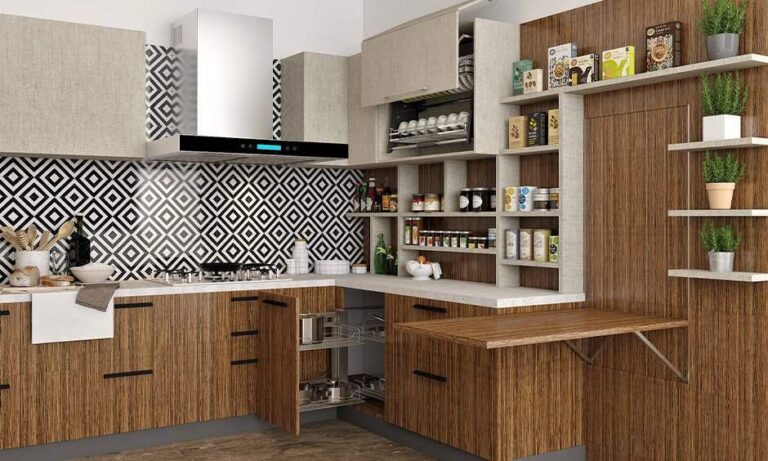
Sourcing a kitchen cabinets solution in Canada offers countless styles to match your exact personal taste, whether you are drawn to the rustic charm of traditional farmhouses, the cozy warmth of transitional design, or the sleek, elegant appeal of modern minimalism. The versatility of the RTA market ensures that no matter your aesthetic, there is a profile and finish that fits.
Carefully planning your a kitchen cabinets purchase ensures you get exactly what you need without breaking your budget. From selecting durable, climate-appropriate plywood materials to optimizing deep drawer storage and integrated under-cabinet lighting, every single a kitchen cabinets detail matters in constructing the perfect space. Taking the time to map out your work zones will pay dividends every time you prepare a meal.
Embracing trends like clean modern lines, natural wood textures like white oak and walnut, and crisp matte finishes will ensure your renovation looks fresh and sophisticated for decades to come. Avoid overly trendy, hyper-niche colors for the main cabinetry; stick to timeless foundations and inject personality through easily changeable elements like cabinet hardware, wall paint, and backsplash tiles.
Ultimately, a well-organized and beautifully designed kitchen significantly reduces daily stress. Having a dedicated, easily accessible place for every pot, pan, small appliance, and utensil streamlines meal preparation and makes cleaning up a breeze. Soft-close hinges bring a sense of calm and quiet to an otherwise chaotic room.
By investing in the right storage solutions today, you are not just updating a room; you are fundamentally enhancing your family’s quality of life for the future. You are building the backdrop for countless holiday dinners, quiet Sunday mornings, and lively celebrations.
We hope this comprehensive guide helps you confidently navigate your a kitchen cabinets renovation project, empowering you to ask the right questions, source the best materials, and perhaps even tackle the assembly and installation yourself.
Enjoy the highly creative process of designing, building, and ultimately living in a beautiful, highly functional a kitchen cabinets space tailored perfectly for your family to gather, cook, and make lasting memories.
Reach out to rtadepot.ca right now to secure your personalized design consultation and take the first decisive step toward a flawless home transformation and completing a kitchen cabinets installation.
Contact Information: Website: https://www.rtadepot.ca/ Hotline: +1 888 973 5636