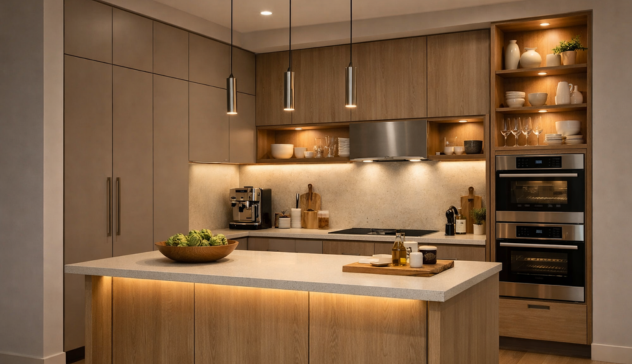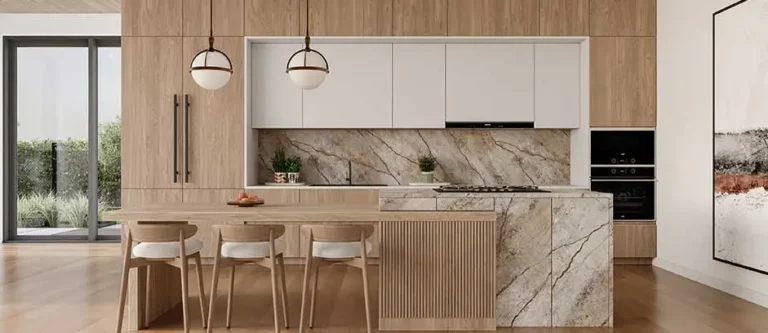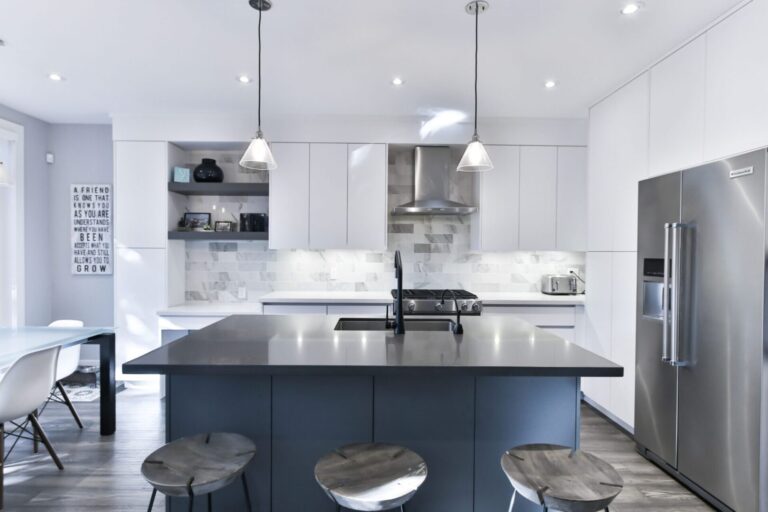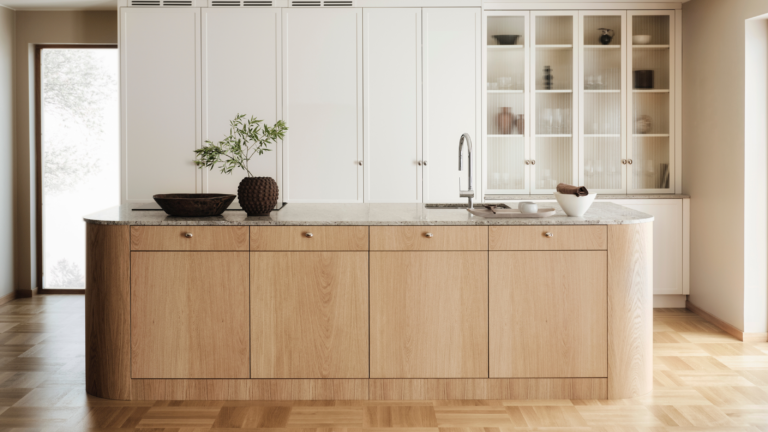

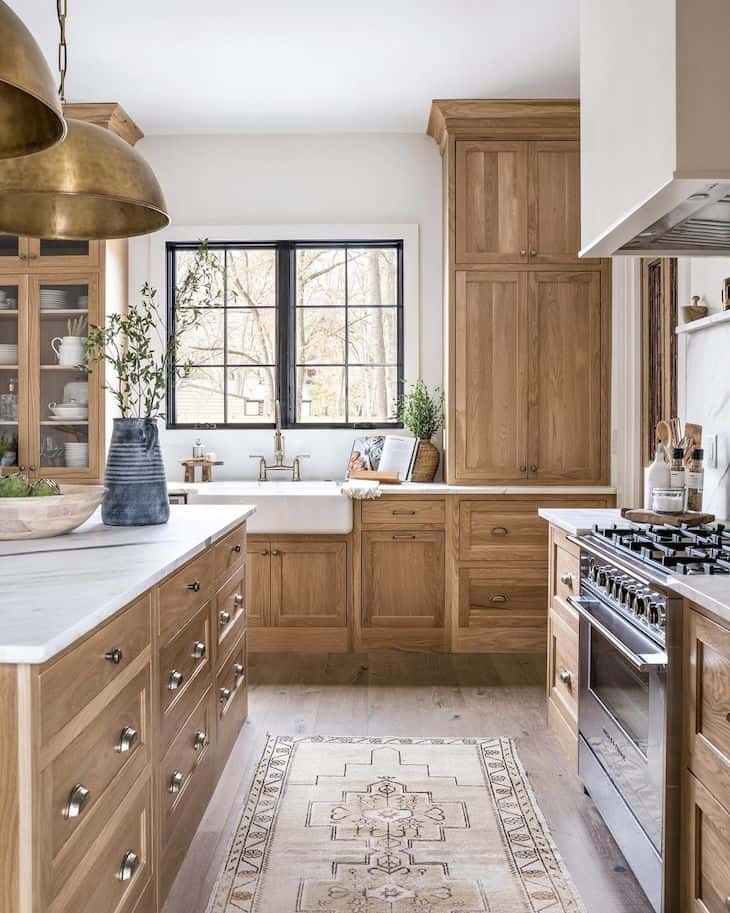
Comprehensive Guide to Choosing and Installing RTA Kitchen Cabinets in Canada
The kitchen serves as the undisputed heart of the home, functioning not only as a culinary workspace but also as a central gathering hub for family and friends. When this vital space, heavily reliant on your kitchen cabinet setup, becomes outdated, cluttered, or functionally inefficient, it impacts the daily rhythm of household life. Homeowners in Canada frequently encounter the dual challenge of desiring a premium, highly organized kitchen environment while simultaneously facing the steep financial barriers associated with fully custom casework. Fortunately, evaluating various kitchen suppliers can bridge the gap between premium quality and accessible pricing for your new kitchen cabinets.
Ready-to-assemble cabinetry has transformed the home improvement landscape in Canada, offering a pathway to achieve a luxurious aesthetic without the exorbitant costs traditionally associated with professional remodeling projects involving a custom kitchen cabinet. Choosing the best kitchen cabinet colors Canada has to offer can completely revitalize your home aesthetic. By working with the best kitchen supplier, you can find a reliable solution that fits your exact needs. Top kitchen suppliers always provide exceptional guidance to ensure your project is a resounding success.
This detailed guide explores every facet of ready-to-assemble cabinetry, providing Canadian homeowners with the comprehensive knowledge required to make informed decisions regarding materials, design, budgeting, and installation. Finding trustworthy kitchen suppliers is essential for this entire process. Whether you are navigating the unique spatial constraints of urban living or outfitting a sprawling suburban home, understanding the mechanics and benefits of these modular kitchen cabinet systems is the first crucial step toward realizing your ideal kitchen space.
1. Understanding Ready-To-Assemble Cabinetry
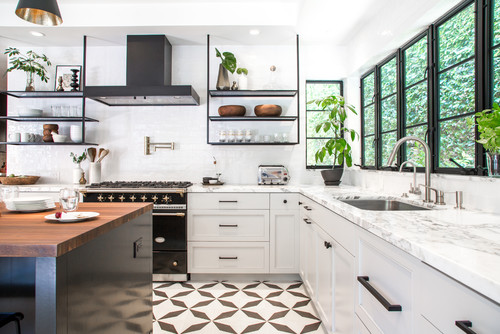
To fully appreciate the value proposition of modern modular casework, it is essential to understand how these systems are engineered, manufactured, and delivered. The ready-to-assemble model represents a significant departure from traditional kitchen cabinet procurement, prioritizing logistical efficiency and precision engineering. Many kitchen suppliers have adopted this model to serve customers better and provide incredible value compared to older methods. Leading kitchen suppliers now focus heavily on this innovative delivery system. Choosing a high-quality premade cabinet system can drastically reduce your renovation timeline.
1.1. The Anatomy of Flat-Pack Design
Ready-to-assemble kitchen cabinet units are manufactured in state-of-the-art facilities using advanced computer numerical control routing machines. These machines cut the various components with millimeter precision. Instead of assembling these components at the factory and shipping large, empty boxes filled mostly with air, the manufacturer packages the flat components densely into easily transportable cartons. Savvy kitchen suppliers pass these significant savings directly to the consumer. This flat-pack approach drastically reduces freight costs and minimizes the risk of transit damage to your kitchen cabinet components across Canada.
Choosing a Flat Pack Kitchen Cabinet system ensures that you save significantly on shipping and handling fees. Every carton includes the necessary specialized hardware designed specifically to create rigid, durable joints once constructed by the end user. You might even compare these options to an ikea cabinet setup, but professional options often offer superior materials. However, dedicated kitchen suppliers often offer superior structural materials, making high-end materials and finishes remarkably affordable.
1.2. Key Components of a Quality System
Not all modular kitchen cabinets are created equal. When evaluating potential options for your home, scrutinizing the individual components is vital. A premium system will feature a robust carcass, which is the main box structure, typically constructed from high-grade, multi-ply furniture wood. The face frame should be crafted from solid hardwood. Reputable kitchen suppliers will clearly specify these material grades. When consulting with kitchen suppliers, always ask about their hardware specifications to ensure long-lasting performance.
Equally important is the hardware. The hinges and drawer glides bear the brunt of daily wear and tear. High-quality systems utilize steel, six-way adjustable hinges with integrated soft-close mechanisms, ensuring doors align perfectly and shut silently. Your kitchen cabinet drawer boxes should feature solid wood sides joined by interlocking dovetail joints, resting on under-mount, full-extension steel glides. The most reliable kitchen suppliers guarantee these premium inclusions to support substantial weight capacities.
2. Material Deep Dive: Choosing the Right Foundation
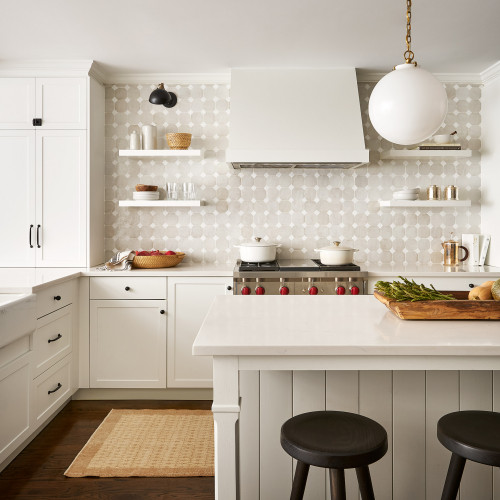
The longevity, durability, and visual appeal of your new kitchen rely entirely on the materials utilized in the kitchen cabinet construction. Navigating the terminology surrounding wood products can be complex, but understanding the core differences is paramount for a successful renovation. Canadian homeowners need materials that withstand distinct seasonal humidity changes. Experienced kitchen designers and kitchen suppliers can guide you through these critical selections to ensure your investment lasts for decades.
2.1. Solid Wood vs Engineered Substrates: Which is Better for Kitchen Cabinets?
Short Answer: Engineered substrates like 18mm furniture-grade plywood are structurally superior for cabinet boxes (carcasses) due to their 99% resistance to warping in high-humidity environments. Conversely, solid wood remains the premium choice for cabinet face frames and 5-piece doors due to its superior hinge-holding strength and aesthetic longevity.
Solid natural timber, harvested from hardwood species like oak, maple, birch, and cherry, is renowned for its inherent strength and unique, beautiful grain patterns, making it a highly desired kitchen cabinet material. In cabinetry, solid wood is predominantly used for the structural face frames, the intricately routed five-piece door fronts, and the robust drawer boxes. Its natural density provides excellent screw-holding power, which is critical for securing heavy door hinges securely. Premium kitchen suppliers source high-quality hardwoods for these specific components to ensure lasting durability.
Engineered wood products play an equally vital role in modern cabinetry construction. Furniture-grade plywood is constructed by pressing multiple thin layers of wood veneer together with industrial-grade adhesives. This cross-graining technique creates a substrate that is incredibly strong, highly resistant to moisture, and largely immune to warping. Because of these superior structural characteristics, most reputable kitchen suppliers prefer plywood over cheaper alternatives for the main kitchen cabinet carcass. If you want something unique, you might even ask customized cabinets specialists or kitchen suppliers about options like nieu cabinet doors to customize your space.
Another common engineered material is Medium-Density Fiberboard. This substrate is created by breaking down hardwood and softwood residuals into fine wood fibers, combining them with a resin binder under high pressure. Because it lacks a natural wood grain, it provides an exceptionally smooth surface that will not expand significantly. This prevents the hairline paint fractures that frequently occur at the joints of solid wood doors. Knowledgeable kitchen suppliers highly recommend this substrate for painted finishes in Canada.
2.2. Evaluating Moisture Resistance
Kitchens are inherently volatile environments, subjecting your kitchen cabinet to fluctuating temperatures, airborne cooking grease, and frequent moisture exposure. Evaluating how different materials respond to these elements is critical. Plywood offers excellent natural resistance to occasional water exposure, maintaining its structural integrity. Solid wood expands and contracts with ambient humidity, which must be accounted for in the design. Discussing these factors with local kitchen suppliers ensures you select the most appropriate foundation for your specific household environment.
3. RTA Kitchen Cabinets in Toronto
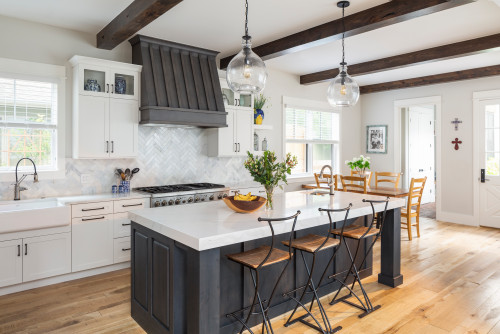
Urban living in Canada presents unique architectural and logistical challenges that require specific renovation strategies. For Toronto homeowners, maximizing every available square inch of space while navigating the complexities of city logistics is a primary concern for any kitchen cabinet upgrade. Specialized kitchen suppliers understand these unique urban demands perfectly and help streamline the entire delivery process for downtown properties.
3.1. Maximizing Space in Toronto Condos
The skyline of the city is defined by high-density vertical living. Kitchens in these units are frequently compact, requiring highly efficient spatial planning. Ready-to-assemble cabinetry is exceptionally well-suited for these environments. Because the units are delivered flat-packed, they can be easily transported in standard building elevators and maneuvered down narrow condominium hallways. Urban kitchen suppliers frequently recommend this logistical solution to avoid the nightmare of pre-assembled custom cabinets.
To optimize the limited footprint of these units, residents frequently utilize tall upper wall cabinets that extend completely to the ceiling (often 39-inch or 42-inch height models). Integrating space-saving interior accessories ensures that the compact kitchen remains highly functional and uncluttered. Opting for a reliable Premade kitchen cabinet setup helps expedite these urban renovations without sacrificing style. Consulting with expert kitchen suppliers can reveal innovative corner storage solutions. Many top kitchen suppliers offer specialized inserts designed specifically for tiny condos.
3.2. Upgrading Historic Urban Properties
Beyond the modern high-rises, executing a kitchen renovation in Toronto often involves updating historic, century-old properties. These homes frequently feature narrow footprints, uneven floors, and walls that are no longer perfectly plumb or square. The modular nature of ready-to-assemble systems provides the flexibility needed to address these architectural quirks. Local cabinet makers and kitchen suppliers often supply custom scribing panels for these exact situations to ensure a flawless fit.
Installers can easily scribe kitchen cabinet filler panels and carefully adjust toe kicks to seamlessly integrate the new casework with the historic, sloping architecture. By choosing classic shaker-style doors or elegant raised-panel profiles, property owners can respect the heritage aesthetic of their historic houses. At the same time, they benefit from the smooth, modern functionality of soft-close hinges. Trusted kitchen suppliers provide an array of historically accurate profiles that honor traditional Canadian architecture.
4. RTA Kitchen Cabinets in Mississauga
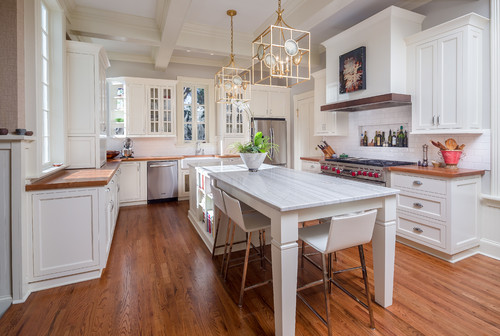
Moving westward into the expansive suburban landscapes of the GTA, the architectural dynamics and homeowner requirements shift significantly. The properties here generally offer vastly different spatial opportunities compared to the dense urban core. Suburban Canadian homeowners often prioritize large entertaining areas that flow into adjacent rooms. Regional kitchen suppliers stock inventories that reflect these larger layout requirements, ensuring local projects run smoothly.
4.1. Designing for Large Open-Concept Mississauga Homes
Suburban architecture frequently features expansive, open-concept floor plans where the culinary space flows seamlessly into the main living and dining areas. For families living in these environments, the kitchen is a sprawling centerpiece requiring a substantial volume of kitchen cabinet casework. Outfitting these large spaces with fully customized cabinets can easily consume the entirety of a renovation budget. However, sourcing from volume-based kitchen suppliers significantly reduces this financial burden.
By utilizing high-quality modular units, homeowners can achieve a grand, luxurious scale without the prohibitive price tag. The significant cost savings allow for the creation of massive, highly functional center islands with deep storage drawers. The flexibility of the modular catalog permits the design of extensive built-in pantry walls. Finding the right Kitchen cabinet Mississauga options through established kitchen suppliers makes a substantial difference. Many preferred kitchen suppliers showcase these expansive layouts directly in their local showrooms.
4.2. Enhancing Suburban Townhouses with Smart Storage
While single-family homes dominate much of the area, the region also features a massive concentration of attached housing. Mississauga townhouses typically offer moderate square footage that requires thoughtful design to prevent the main floor from feeling cramped. In these specific layouts, maximizing natural light and maintaining an open, airy feel is crucial. When looking for the best cabinets in Mississauga, relying on local kitchen suppliers ensures rapid project turnaround times and immediate access to necessary materials.
Homeowners often opt for lighter cabinet finishes, such as crisp white or soft dove gray, to visually expand the room. This proximity significantly reduces shipping delays and ensures that replacement parts can be acquired almost immediately. Relying on a trusted Kitchen Cabinet Mississauga provider ensures that these compact spaces are utilized efficiently. Working with local kitchen suppliers guarantees faster delivery and better cabinet services for your renovation. You might even consider an rti cabinet line from these local distributors to match modern aesthetics.
5. What is the Financial Advantage of Modular Systems vs Custom Cabinets?
Short Answer: RTA modular systems cost 50% to 70% less than fully custom cabinetry, saving Canadian homeowners an average of $8,500 to $15,000 per kitchen remodel in 2025. This massive cost reduction is achieved by eliminating exorbitant localized labor fees and utilizing highly efficient flat-pack shipping methods.
Undertaking a major home improvement project in Canada requires careful financial planning and resource allocation. The kitchen cabinet typically represents the single largest expenditure in any kitchen remodel, routinely accounting for forty to fifty percent of the total project budget. Understanding the cost disparity between different procurement methods is essential for maximizing your return on investment. Transparent kitchen suppliers will readily break down these cost differences to help you plan effectively.
5.1. Analyzing the Cost Disparity
Fully custom cabinetry commands premium pricing due to the extensive labor involved. You are paying for local cabinet makers to measure your space, design the units from scratch, manually cut materials, and physically transport bulky units. While the result is highly personalized, the labor burden makes this option incredibly expensive. Alternative options provided by modular kitchen suppliers eliminate these inflated labor costs, making upscale designs much more accessible.
Conversely, modular systems leverage the immense power of mass production. By standardizing cabinet box sizes (e.g., in precise 3-inch increments), manufacturers achieve massive economies of scale. The production is streamlined, the finishing process is automated, and flat-pack shipping slashes freight costs for your kitchen cabinet orders. Finding a Low Price Kitchen Cabinet that still offers durable construction is entirely possible. Competitive kitchen suppliers ensure you get the best value for your budget. You can easily achieve a cheap Price without sacrificing structural integrity or material quality.
5.2. Strategic Budget Allocation
The thousands of dollars saved on casework can be strategically reallocated to elevate other crucial aspects of the renovation. With the cabinetry budget managed efficiently, homeowners can comfortably afford premium quartz or natural granite countertops, high-end professional-grade stainless steel appliances, and sophisticated layered lighting designs. This holistic approach ensures that the entire space feels luxurious. Partnering with a direct Kitchen Cabinet Supplier eliminates middleman markups and keeps your budget intact. The most reputable kitchen suppliers actively encourage this smart budget reallocation for a better overall result.
6. Step-by-Step Guide to Planning Your Layout
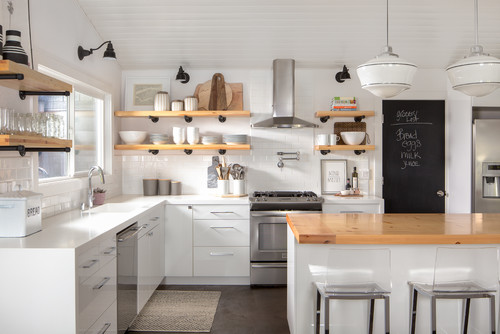
A successful installation is entirely dependent on meticulous planning and precise measurements. Rushing the design phase invariably leads to complicated installation errors, delayed timelines, and unnecessary frustration. Establishing a clear game plan from the beginning saves time and money. Professional kitchen designers and kitchen suppliers always recommend measuring your space multiple times before ordering to ensure absolute accuracy.
6.1. Measuring Your Space Accurately
Begin by sketching a rough, top-down outline of your room on grid paper. Note the location of all structural elements, including doors, windows, bulkheads, and existing plumbing and electrical supply lines. Use a high-quality steel tape measure to record the overall wall dimensions, measuring from the floor to the ceiling, and from corner to corner. Most kitchen suppliers provide detailed measurement guides to assist Canadian homeowners with this critical step.
Crucially, you must measure the exact placement of windows, noting the distance from the corner of the wall to the outside edge of the window trim, the width of the window itself, and the distance from the floor to the bottom of the windowsill. Always measure in standard inches, as this is the metric utilized by North American kitchen cabinet manufacturers. Sharing these precise measurements with your chosen kitchen suppliers ensures an accurate final design that fits perfectly.
6.2. The Work Triangle and Modern Zones
Traditional design principles rely heavily on the concept of the kitchen work triangle, which dictates that the three primary work areas—the refrigerator, the cooking surface, and the main sink—should form a clear, unobstructed triangle. The total distance of all three sides of this triangle should ideally measure between thirteen and twenty-six feet. This classic layout strategy ensures optimal ergonomic efficiency during daily meal preparation.
While the triangle remains a valuable foundational guideline, modern design often leans toward a zone-based approach, especially in larger homes. This involves creating distinct areas dedicated to specific tasks: a consumable storage zone, a non-consumable storage zone, a preparation zone, a cooking zone, and a cleaning zone. Designing your layout based on these functional zones ensures a highly intuitive and organized workspace that functions beautifully for multiple cooks.
7. Assembly and Installation Strategies
The prospect of assembling and installing a full room of casework can appear daunting, but it is a highly manageable process when approached systematically. Whether you are a seasoned DIY enthusiast or utilizing professional cabinet services, understanding the workflow is highly beneficial. Breaking the project down into smaller, logical steps removes the overwhelming nature of the installation process.
7.1. Tools Required for a Seamless Build
- A high-quality cordless drill with adjustable torque settings
- Various drill bits and Phillips head drivers
- A rubber mallet for tapping components
- A precise laser level and traditional four-foot spirit level
- A reliable stud finder and specialized cabinetry mounting screws
- A large bundle of wooden shims
Preparation is the key to efficiency. Before opening any cartons, gather the necessary tools. Having the right tools on hand prevents unnecessary delays once the building phase begins. Using these specific installation tools is the only way to ensure a plumb, level, and secure installation that will last for decades.
7.2. Best Practices for Box Construction
Establish a clean, expansive, and carpeted assembly area to protect the pristine exterior finishes from scratches during your kitchen cabinet construction. Open one carton at a time to prevent hardware packages and specific panels from becoming mixed up. Begin by laying the face frame face down on your protective surface. Apply a thin, continuous bead of high-quality wood glue into the pre-routed grooves before inserting the side panels.
While the mechanical fasteners provide the immediate structural hold, the wood glue creates an incredibly rigid, permanent bond once fully cured. Slide the bottom and top panels into place, ensuring all joints are perfectly flush. Finally, slide the rear panel into its designated grooves and secure the structural mounting rails. Assemble the entire order of boxes before attempting to mount anything to the walls.
7.3. Scribing and Leveling
The single most critical aspect of installation is achieving a perfectly level and plumb layout, regardless of the condition of your home walls and floors. Very few homes feature perfectly flat surfaces. Begin your installation in the corner of the room. Use your laser level to find the highest point on your floor and establish a level baseline around the entire perimeter of the room.
When setting your base units, place wooden shims beneath the bottom edges until the top of the box aligns perfectly with your laser line. Secure the boxes to the wall studs only after they are perfectly leveled and clamped tightly to adjacent boxes. If your walls are heavily bowed, you may need to use a scribing tool to trace the contour of the wall onto a filler panel, carefully cutting the panel for a seamless transition between the kitchen cabinet casework and the drywall.
8. Long-Term Maintenance and Care Protocols
Investing in premium storage solutions means bringing enduring value into your property. With a consistent, gentle care routine, your new cabinetry will retain its structural integrity and showroom brilliance for decades, resisting the wear and tear of daily culinary activities. Taking proactive steps to protect the finish ensures your kitchen looks brand new for years.
8.1. Daily Care and Cleaning Routines
The most effective maintenance strategy is proactive, daily care. Airborne grease, cooking steam, and natural oils from hands can rapidly degrade protective finishes if left unattended. Keep a supply of soft, non-abrasive microfiber cloths dedicated specifically to your kitchen cabinet woodwork. Lightly dampen a cloth with warm water and gently wipe down the door fronts, paying particular attention to the areas immediately surrounding the decorative hardware.
Immediately follow up with a dry microfiber cloth to absorb any residual moisture. Never allow water to pool or sit on wooden surfaces, especially near the sink base or dishwasher. Prolonged exposure can cause the substrate to swell or the finish to delaminate. Simple daily wiping is the best defense against long-term moisture and grease damage.
8.2. Protecting Surfaces and Hardware Adjustments
Avoid the use of harsh, abrasive chemical cleaners, ammonia-based glass cleaners, scouring pads, or heavy wax polishes. These aggressive substances will strip away the factory-applied catalyzed conversion varnish, leaving the raw wood vulnerable to damage. If a deeper clean is required to remove stubborn grease, mix a very small amount of mild liquid dish soap into a bucket of warm water, wash the area gently, and dry it instantly.
Furthermore, recognize that houses naturally settle over time, and regular usage will inevitably cause heavy kitchen cabinet doors to shift slightly out of alignment. Premium European-style hinges are engineered with a sophisticated multi-directional adjustment system. By simply turning the set screws located on the hinge arm with a standard screwdriver, you can easily adjust the doors horizontally, vertically, and in-depth, restoring perfect alignment and ensuring smooth operation.
9. Conclusion
Upgrading your culinary space is one of the most impactful investments you can make, dramatically enhancing both your daily quality of life and the long-term equity of your Canadian property. By choosing high-quality, ready-to-assemble cabinetry, you bypass the inflated costs of custom manufacturing while securing robust, beautiful, and highly functional kitchen cabinet storage solutions. This smart approach yields stunning results across Canada.
From understanding the superior structural benefits of plywood to mastering the nuances of spatial planning, you now possess the comprehensive knowledge required to execute a flawless kitchen cabinet renovation. By carefully evaluating your specific spatial requirements and committing to proper maintenance protocols, you can effortlessly transform your outdated environment into a breathtaking, modern sanctuary tailored for the Canadian climate that will serve your household faithfully for years to come.