
The Ultimate Guide to RTA Kitchen Cupboards: Transforming Your Home with Smart Design in Canada
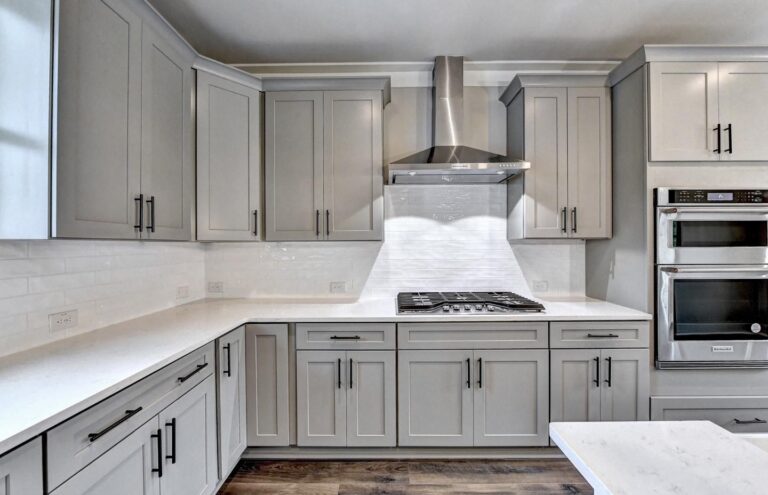
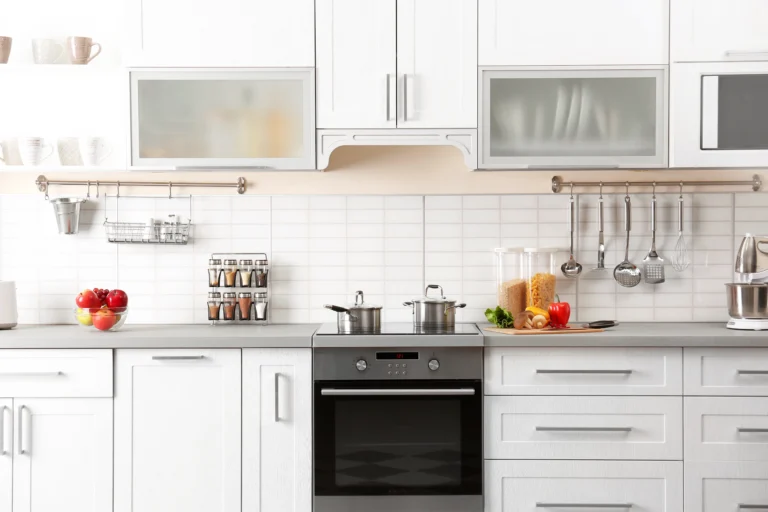
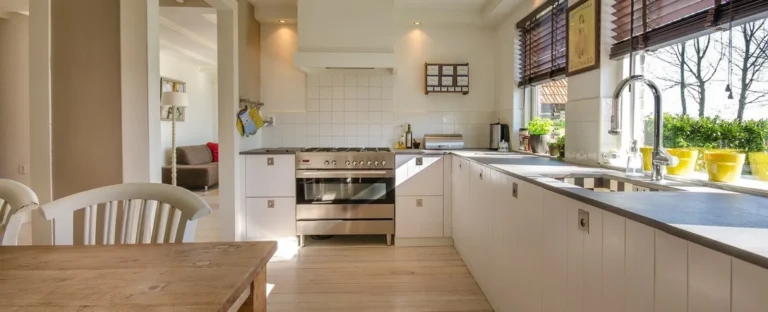
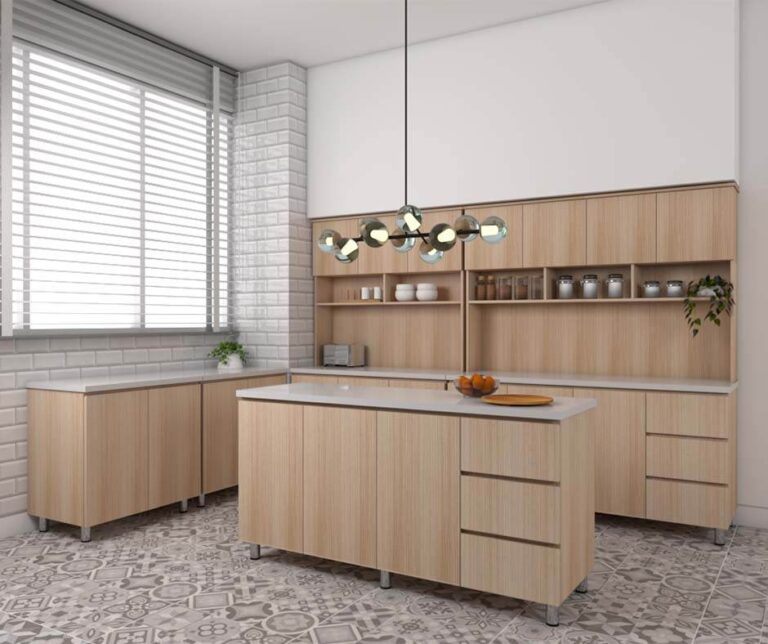
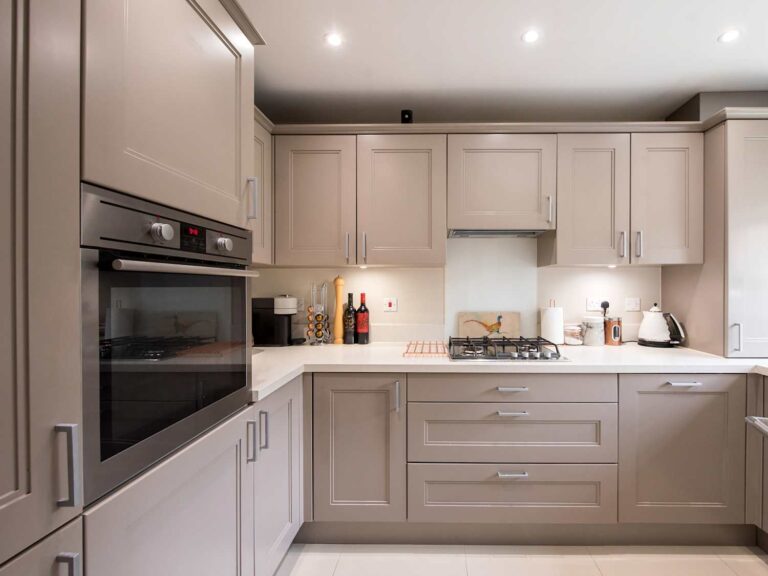
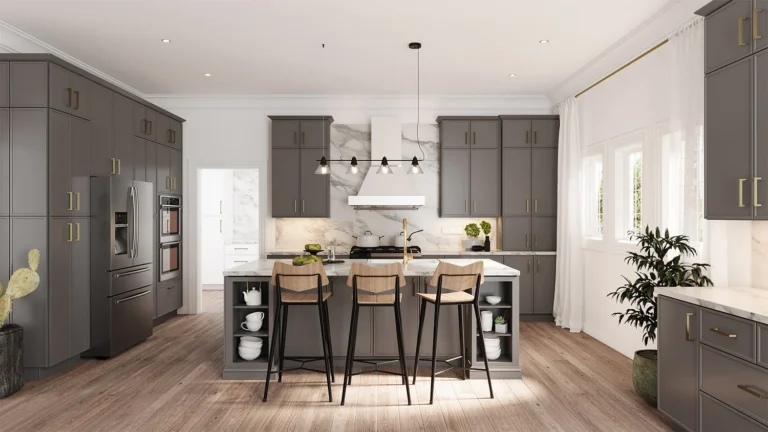
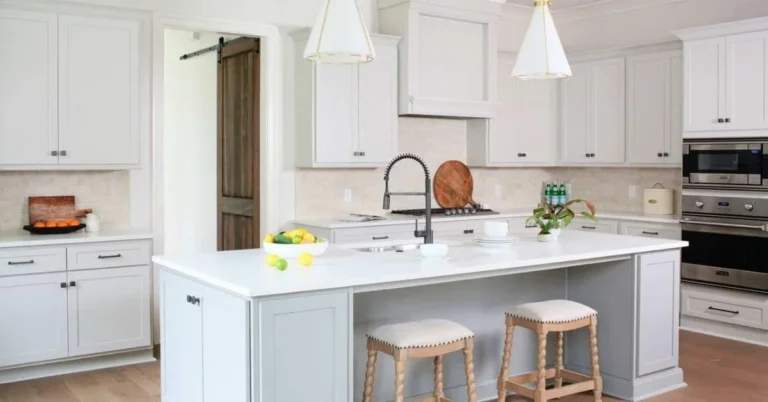
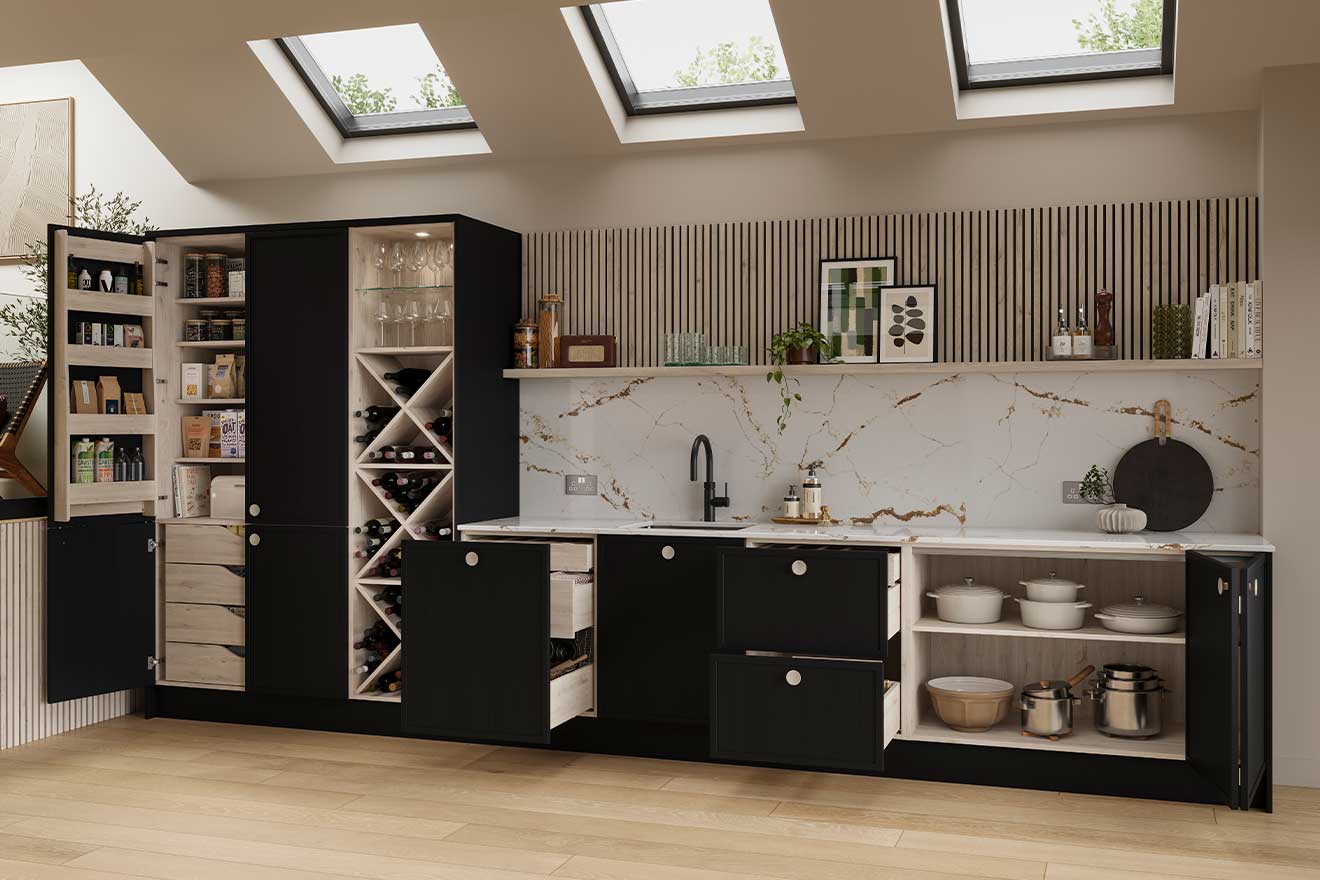
Revitalizing a cooking space in Canada is a highly impactful decision for property value. Outdated storage systems create daily frustrations for Canadian homeowners. Replacing them with a modern kitchen cabinet setup bridges the gap between affordable pricing and premium quality. Ready-to-assemble cabinetry provides unparalleled flexibility for the modern household. Exploring the best kitchen cabinet colors across Canada helps finalize your aesthetic vision before ordering.
Navigating a major Canadian renovation requires a clear understanding of materials and spatial optimization. Whether dealing with a compact urban footprint or a sprawling suburban layout in the Greater Toronto Area, understanding unassembled storage units empowers you. Selecting the right kitchen cabinet empowers you to make highly rewarding design choices. From choosing a premade cabinet to exploring custom options, the right strategy ensures success.
1. Understanding Ready-To-Assemble (RTA) Cabinetry
1.1. The Evolution of Flat-Pack Design
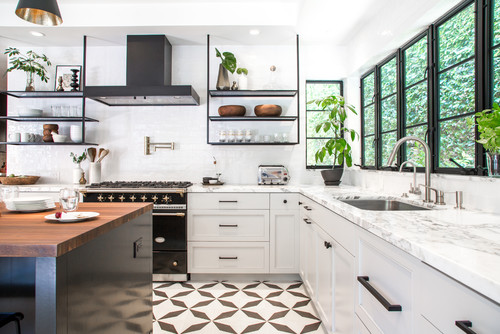
Historically, flat-pack furniture was associated with temporary residential solutions. However, advancements in computer numeric control machining and global material sourcing have revolutionized the industry. A high-quality flat pack kitchen cabinet offers the perfect blend of modern engineering and accessible pricing. Today, these systems are engineered with microscopic precision. Every single kitchen cabinet component is cut and drilled in state-of-the-art facilities.
This evolution means Canadian homeowners no longer compromise on quality for a budget-friendly renovation. Every piece aligns perfectly upon construction. Finding the best kitchen supplier ensures your project goes smoothly from start to finish.
1.2. Core Construction Differences
Unlike traditional pre-assembled units built in a factory and shipped in massive boxes, unassembled products are packaged securely. This manufacturing model shifts the final stage of construction to the installation site. Because manufacturers save on assembly labor, financial savings are passed to the consumer. This economic shift allows buyers to upgrade materials. Purchasing a superior kitchen cabinet becomes possible for the same cost as inferior particleboard.
You might consider an ikea cabinet for budget needs, but specialized ready-to-assemble options often provide thicker frames. Each modular kitchen cabinet delivers exceptional value and longevity for Canadian kitchens.
2. Material Selection: The Foundation of Longevity
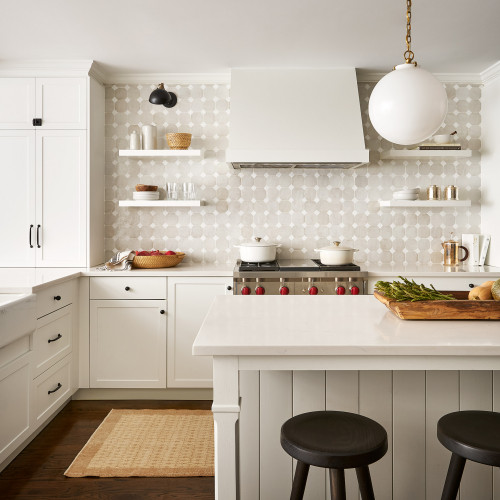
The secret to a space that lasts for decades lies beneath the exterior finish. Understanding the anatomy of a kitchen cabinet is crucial before making a purchasing decision. Working with a dedicated kitchen cabinet supplier ensures you get the best materials for your investment. Canadian kitchen trends heavily favor durable, weather-resistant core materials.
2.1. Cabinet Box Materials
The box or carcass is the structural shell of the unit. Often, a low price kitchen cabinet might use inferior particleboard, so evaluating the core material is essential. Let us explore the primary choices available in Canada.
- ✓ Furniture-Grade Plywood: This is the gold standard for high-quality products. Plywood is constructed from multiple layers of wood veneer glued together. It provides exceptional strength and moisture resistance, making it ideal for any kitchen cabinet structure.
- ✓ Medium-Density Fiberboard (MDF): Engineered from wood fibers, MDF is dense, flat, and lacks a noticeable wood grain. It is incredibly stable and does not expand significantly with temperature changes. A painted kitchen cabinet built with MDF resists cracking perfectly.
- ✓ Particleboard: Often found in budget-tier pre-assembled units, particleboard is made from wood chips and resin. While offering a cheap Price, it is highly susceptible to water damage and sagging. High-quality lines typically avoid standard particleboard for a primary kitchen cabinet chassis.
2.2. Door and Drawer Front Construction
The face of your storage system dictates the entire aesthetic tone of the room. When selecting a kitchen cabinet exterior, consider these popular options.
- ✓ Solid Wood: Classic, enduring, and robust. Wood species like Maple, Cherry, Oak, and Birch offer unique grain patterns and exceptional longevity. Solid wood is ideal for stained finishes on a premium kitchen cabinet layout.
- ✓ HDF (High-Density Fiberboard): Even denser than MDF, HDF is frequently used for center panels of painted Shaker-style doors. Upgrading with nieu cabinet doors can enhance this look significantly. Because it does not warp, it prevents paint from cracking at the joints, keeping your kitchen cabinet flawless.
- ✓ Thermofoil and Melamine: These are durable synthetic finishes applied over an engineered wood core. They offer a flawless uniform look and exceptional stain resistance. Such finishes are highly suitable for a sleek, ultra-modern flat-panel kitchen cabinet design.
2.3. Premium Hardware Mechanisms
A storage unit is only as good as its moving parts. High-end unassembled units distinguish themselves by including premium hardware as a standard feature rather than an expensive upgrade. Every quality kitchen cabinet requires smooth operational mechanisms.
- ✓ Soft-Close Hinges: Six-way adjustable hinges with integrated hydraulic dampeners ensure that doors close silently and smoothly. This feature prevents structural shock and protects your kitchen cabinet investment.
- ✓ Full-Extension Undermount Drawer Glides: These tracks are hidden beneath the drawer box, providing a clean look. The full-extension feature allows the drawer to open completely. This grants unobstructed access to items stored at the very back of the kitchen cabinet base.
3. RTA Kitchen Cupboards in Toronto
3.1. Navigating Kitchen Renovation in Toronto
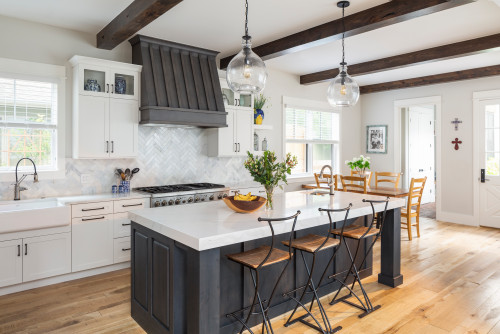
Undertaking a renovation in Toronto presents unique logistical and spatial challenges. The city features diverse housing stock, ranging from century-old Victorian homes to ultra-modern, compact living spaces. Toronto homeowners require renovation solutions that offer maximum flexibility. Selecting an adaptable kitchen cabinet ensures precision and modular planning. Reputable kitchen suppliers in the GTA provide modular options tailored specifically for tight condo restrictions. These flexible choices represent the best of modern Canadian renovation strategies.
3.2. Space-Saving Solutions for Toronto Condos
For those living in the downtown core, maximizing every square inch of a high-rise unit is a top priority. Toronto condos often feature single-wall or tight galley layouts where efficient storage is essential. High-quality unassembled configurations allow condo owners to utilize vertical space aggressively. Installing a tall kitchen cabinet that extends completely to the ceiling is highly recommended. Furthermore, integrating specialized accessories transforms a cramped cooking area into a highly functional workspace. Each kitchen cabinet addition maximizes utility perfectly.
3.3. Delivery and Assembly Realities in the City Core
One significant hurdle for urban dwellers is the logistics of material delivery. Transporting bulky cabinetry into a downtown high-rise involves navigating loading docks and narrow service corridors. Fully built units often fail to fit into standard condo elevators, necessitating expensive stairwell deliveries. Flat-packed units completely eliminate this stress. A compact kitchen cabinet box allows for easy, safe transport through tight hallways. This ensures materials arrive flawlessly without violating strict Canadian building management regulations.
4. RTA Kitchen Cupboards in Mississauga
4.1. Upgrading Mississauga Townhouses and Single-Family Homes
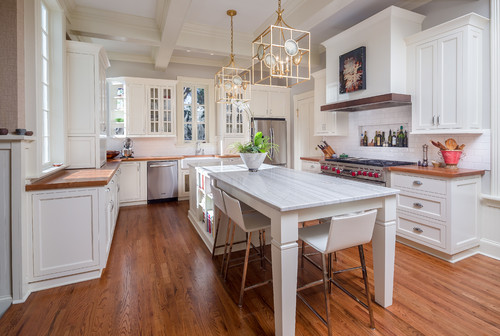
As families grow across Canada, suburbs offer expansive architectural footprints ripe for customization. Mississauga homes generally feature larger floor plans accommodating extensive culinary setups. For owners of townhouses and detached properties, creating an open-concept environment is paramount. Upgrading a suburban home often starts with finding the ideal kitchen cabinet Mississauga layout to suit your family needs. Flat-pack solutions allow homeowners to design expansive wrap-around layouts. Incorporating a massive central kitchen cabinet island adds immense practical value.
4.2. Finding Local Suppliers in Mississauga
The logistical landscape of the suburbs offers distinct advantages for renovation staging. Finding local suppliers in Mississauga means homeowners have direct access to vast distribution warehouses. Visiting a local kitchen cabinet warehouse gives you the advantage of picking up parts without shipping delays. Instead of waiting months for custom units, Canadian buyers can source systems locally. Arranging immediate warehouse pickup for a new kitchen cabinet reduces shipping damages. This keeps project timelines tightly on track.
4.3. Adding Property Value in the Suburban Market
The suburban real estate market is highly competitive. A modernized cooking space is consistently cited as a primary driver of property valuation. Investing in a solid wood, dovetail-constructed kitchen cabinet provides a massive return on investment. Prospective Canadian buyers actively look for premium features like soft-close drawers. Utilizing a cost-effective rti cabinet system allows budget reallocation toward luxury appliances. Each modern kitchen cabinet installed significantly elevates overall resale value.
5. Step-by-Step Guide to Planning Your Layout
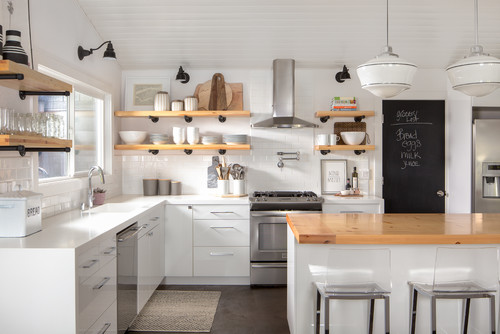
A successful installation is entirely dependent on meticulous planning and precise measurements. Rushing this phase inevitably leads to costly delays and structural compromises. Careful planning guarantees each kitchen cabinet fits securely and seamlessly.
5.1. Measuring Your Space Accurately
Before ordering any components, you must create a comprehensive floor plan.
- Draft the Perimeter: Draw the shape of your room on grid paper.
- Measure the Walls: Take horizontal measurements at three different heights. Houses settle, and walls are rarely perfectly plumb. Always use the smallest measurement to ensure your kitchen cabinet will fit.
- Locate Openings: Measure the exact placement of all windows and doors, including trim.
- Identify Utilities: Mark precise locations of plumbing, gas lines, and electrical outlets.
- Determine Ceiling Height: Measure from the finished floor to the ceiling in multiple locations.
5.2. Designing the Work Triangle
The foundation of ergonomic design is the classic work triangle, dictating the relationship between the refrigerator, sink, and stove. The distance between these three primary zones should be unobstructed. Standard incremental sizes allow you to easily piece together a layout that perfectly optimizes this workflow. Choosing the right kitchen cabinet dimensions creates an effortless culinary experience.
5.3. Selecting the Right Modules
Understanding standard dimensions helps you select the correct pieces for your design.
6. The Assembly Process: What to Expect
Building your own cabinetry might seem daunting, but modern systems are specifically engineered for intuitive assembly. The process is straightforward and incredibly rewarding for any Canadian homeowner.
6.1. Essential Tools and Preparation
Creating a dedicated, clean workspace is the first step. Lay down moving blankets to protect flooring and wood finishes. You will need a variable-speed cordless drill, a rubber mallet, wood glue, a level, and bar clamps. These tools ensure your kitchen cabinet assembly proceeds smoothly.
6.2. Common Assembly Mechanisms
Different manufacturers utilize various proprietary joining methods, but common ones include cam-lock systems, pocket hole screws, and dovetail joints. Pocket hole screws provide immense structural rigidity and are widely preferred by professional installers. Every assembled kitchen cabinet benefits greatly from these robust connecting systems.
6.3. Best Practices for Construction
- Unbox Systematically: Open one box at a time to prevent hardware from getting mixed up.
- Apply Wood Glue: Applying a thin bead of wood glue along grooves guarantees a rock-solid, squeak-free cupboard that lasts generations.
- Check for Square: Before fully tightening the back panel, measure diagonally from corner to corner. An out-of-square storage unit will result in doors that never align properly.
7. Installation Strategy and Execution
Once assembled, securing the built-in units to the walls and to each other is the final physical hurdle. This step requires precision and patience.
7.1. Preparation and Leveling
The most critical rule of installation is that your base must be perfectly level. Find the highest point of your floor using a long level to dictate the baseline. Draw a level reference line around the room representing the top of your lower cupboards. Use an electronic stud finder to locate every wall stud. You must anchor the kitchen units directly into the structural framing of the house.
7.2. Hanging Wall Units First
Professional installers almost always hang the upper wall units before installing the lower base ones. This prevents leaning awkwardly over lower units to lift heavy boxes above your head. Fasten a temporary ledger board to the wall studs precisely at the bottom edge line. This board physically supports the weight while you drill and secure the upper storage units to the studs.
7.3. Installing Base Units
Start from a corner and work your way outward.
- ✓ Place the corner unit first, ensuring it is perfectly level both front-to-back and side-to-side. Use wooden shims beneath the base to correct any unevenness.
- ✓ Once level, clamp the adjacent unit to the first one, ensuring the face frames are perfectly flush.
- ✓ Predrill and countersink screws through the face frames to connect the units, then secure the new cupboard to the wall studs.
- ✓ Repeat this process continuously until the run is complete.
8. Elevating the Aesthetic: Customization and Trim
The difference between an average installation and a spectacular showpiece lies in the finishing details. Ready-to-assemble systems offer extensive trim packages to hide seams and elevate the design of your kitchen cupboards.
8.1. Crown Molding and Light Valances
- ✓ Crown Molding: Installed at the very top of the wall units, crown molding bridges the gap between the wood and the ceiling. It provides a highly finished, customized, and elegant look.
- ✓ Light Valances: These are decorative trim pieces attached to the bottom of the wall units. They hide the physical fixtures and wiring of under-cupboard LED lighting, ensuring you only see the beautiful ambient glow.
8.2. Fillers and Scribe Moldings
Because rooms are never built to exact incremental dimensions, you will inevitably have small gaps.
- ✓ Filler Strips: These are lengths of finished wood cut to size to bridge gaps. They ensure doors and drawers have enough clearance to open without striking the adjacent wall.
- ✓ Scribe Molding: A thin, flexible piece of trim used to cover the uneven line where a straight unit meets a bowed wall. This provides a seamless, built-in appearance for your kitchen cupboards.
9. Maintenance, Care, and Long-Term Durability
Protecting your investment ensures that your space remains beautiful and functional for decades. Proper maintenance of the surfaces and moving parts of your kitchen units is straightforward but requires consistency.
9.1. Routine Cleaning Protocols
The harsh environment of cooking involves grease, steam, and acidic spills.
- ✓ Daily Care: Wipe down doors and hardware with a soft, damp microfiber cloth. For stubborn grease, use a mild solution of warm water and gentle dish soap.
- ✓ What to Avoid: Never use abrasive scouring pads, steel wool, or harsh chemical cleaners. These will rapidly degrade the protective clear coat, leading to premature discoloration.
9.2. Managing Environmental Factors
Wood is a hygroscopic material; it naturally absorbs and releases moisture. In regions like Canada, managing the indoor climate is crucial for preserving your beautiful cupboards.
- ✓ Humidity Control: During humid Canadian summers, utilize air conditioning. During dry winters, a whole-home humidifier prevents solid wood doors from shrinking. Ideal indoor humidity should be maintained between 35 and 50 percent.
- ✓ Ventilation: Always use a high-quality range hood that vents directly to the exterior. Steam is the primary cause of localized finish failure above stovetops.
9.3. Hardware Adjustments
Over years of repeated use, the heavy weight of doors may cause them to sag slightly. Modern soft-close hinges are engineered with adjustment screws that allow you to move the door in multiple directions. A simple turn of a screwdriver once a year will keep your sightlines straight and ensure mechanisms engage flawlessly on all your kitchen units.
10. Final Thoughts on Your Renovation Journey
Choosing to upgrade your home with high-quality storage solutions perfectly balances financial prudence with aesthetic excellence. In many cases, these modular solutions outshine a standard premade kitchen cabinet by offering superior hardware and better adaptability. By meticulously planning your spatial layout and executing a precise installation, you fundamentally enhance the operational heart of your Canadian home.
The modular nature of these systems empowers homeowners to take control of their domestic environment. It eliminates the lengthy delays and inflated costs of traditional bespoke joinery. Whether maximizing an urban condo or designing a suburban culinary haven, the intelligent engineering of these modern flat-pack cupboards will provide substantial long-term value to your property.
Are you ready to elevate your daily living experience with a beautifully organized, highly functional space in Canada? Contact the friendly experts at rtadepot.ca today to begin your wonderful home transformation. Call our dedicated design team at +1 888 973 5636 or visit our website at https://www.rtadepot.ca/ for a personalized consultation. Let us help you select the ideal components and arrange reliable delivery for a truly seamless and joyful upgrade.