
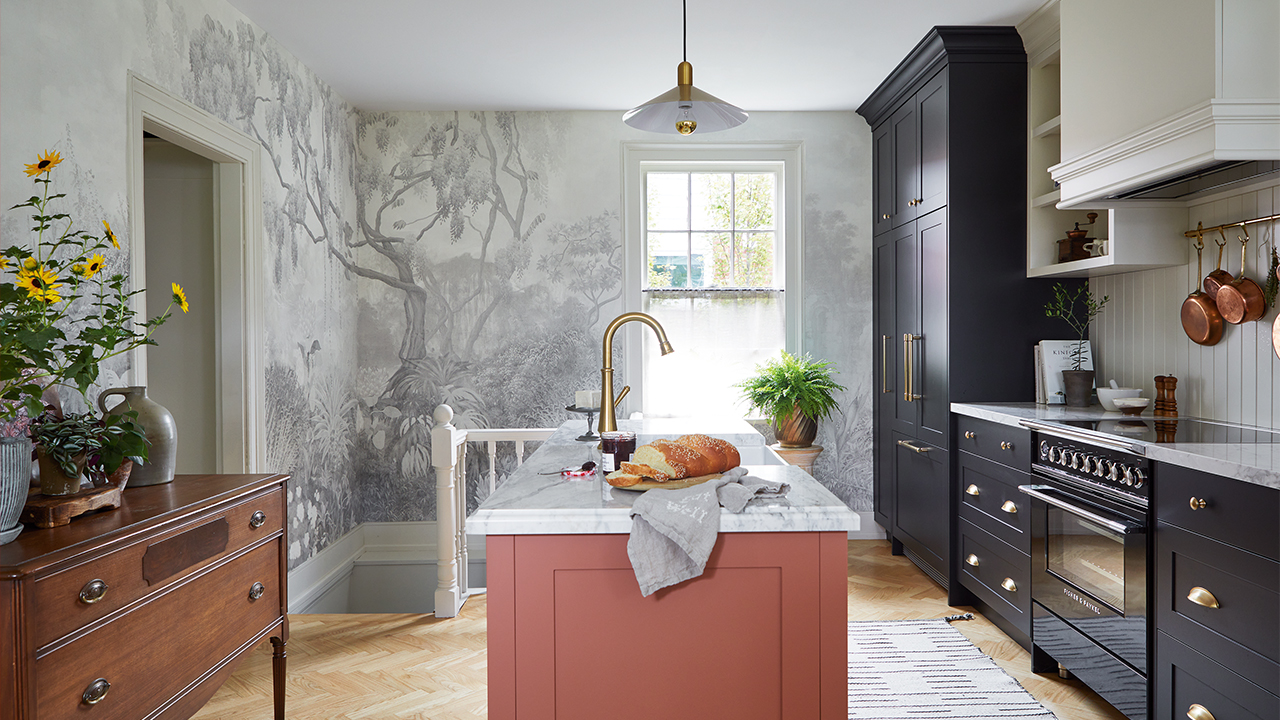
The Ultimate Guide to RTA Kitchen Cabinet Solutions in Canada (2026 Edition)
The kitchen functions as the undisputed heart of the home in Canada. It serves as a gathering place for family and a defining element of your property value.
When the time comes to upgrade this space, homeowners frequently face a challenging decision. You must balance the desire for premium aesthetics with the practical realities of a renovation budget.
Historically, choices were limited to prohibitively expensive custom woodwork or poorly constructed alternatives. Today, the landscape of home improvement has shifted dramatically. Upgrading your kitchen cabinet is now easier with the evolution of ready-to-assemble solutions.
1. What Is a Ready-to-Assemble (RTA) Kitchen Cabinet?
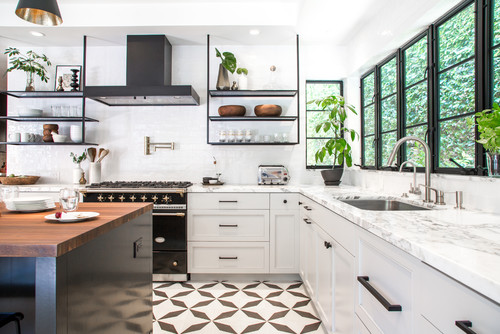
Quick Answer: RTA kitchen cabinets are premium, flat-packed, unassembled cabinet units shipped directly to Canadian consumers or contractors. As of early 2026, RTA systems account for over 46% of all residential kitchen upgrades across North America due to their streamlined logistics and exceptional 30-50% cost savings compared to pre-assembled alternatives.
A ready-to-assemble kitchen cabinet represents a sophisticated approach to home design and logistics. Unlike traditional pre-assembled units built in a factory, these modern kitchen units are manufactured, finished, and packaged in flat boxes.
These boxes contain all necessary components for a complete build. They are then shipped directly to the Canadian consumer or contractor.
The buyer assumes the responsibility of assembling the final product on-site. This method provides immense flexibility for homeowners looking to upgrade their homes efficiently with a new kitchen cabinet system.
2. What Are the Core Benefits of Choosing a Kitchen Cabinet Kit?
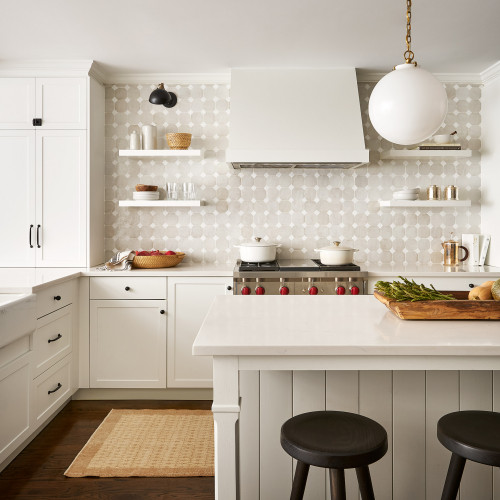
Quick Answer: Choosing a kitchen cabinet kit allows Canadian homeowners to cut their cabinetry budget by 35% to 55%, access superior architectural-grade plywood materials, and reduce waiting times from an average of 14 weeks down to just 3 to 7 days based on updated 2026 supply chain metrics.
The decision to utilize self-assembled casework for a home renovation is driven by several compelling advantages. These benefits appeal to both enthusiastic DIYers and seasoned general contractors across Canada.
Understanding these perks will help you make an informed decision for your upcoming kitchen cabinet project.
3. Decoding Kitchen Cabinet Materials and Construction
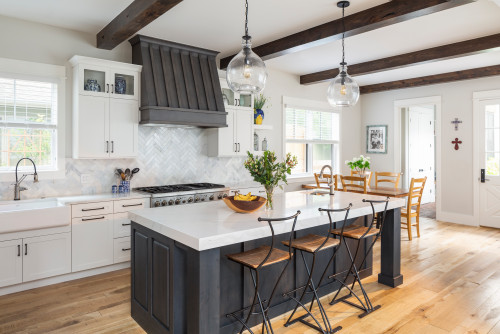
Quick Answer: Plywood is strictly better for structural cabinet boxes due to its 40% higher screw-holding power and superior moisture resistance. However, High-Density MDF is actually the superior choice for painted doors, as it prevents the hairline paint cracks that solid wood develops during Canada’s severe seasonal humidity shifts.
Understanding the anatomical components and material compositions of your kitchen cupboards is vital. Making an informed investment ensures longevity, structural integrity, and aesthetic resilience.
Your beautiful new kitchen cabinet relies entirely on what lies beneath the surface finish.
4. RTA Kitchen Cabinet Solutions in Toronto
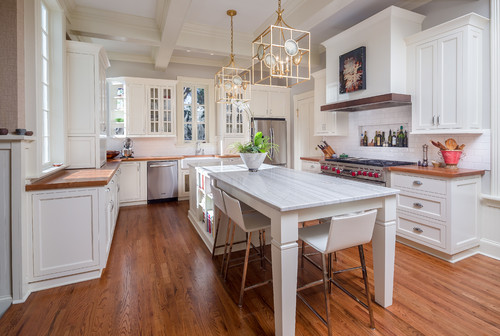
The bustling, densely populated urban environment of Canada’s largest city presents unique architectural challenges for home improvement projects. Toronto homeowners are increasingly turning to flat-pack solutions to achieve high-end aesthetics within the specific constraints of city living.
Whether renovating a century-old Victorian home in Cabbagetown or modernizing a compact condominium in CityPlace, space and logistics are always paramount.
Transporting fully assembled, rigid cabinets up narrow staircases or maneuvering them into tight service elevators often incurs massive delivery surcharges and risks damaging both the product and the property.
RTA cabinets elegantly bypass this issue. Because they are securely packed in flat, easily handled boxes, they can be transported into virtually any urban space without hassle, making the RTA kitchen cabinet the ultimate choice for condos.
Furthermore, Toronto’s fast-paced real estate market demands rapid turnarounds. Instead of waiting months for custom millwork, local contractors and DIY enthusiasts can order RTA stock and begin installation in a matter of days.
Modern frameless (European-style) RTA cabinets are particularly popular in the GTA, offering the sleek, minimalist aesthetic that urban dwellers crave while maximizing every square inch of interior storage.
5. RTA Kitchen Cabinet Solutions in Mississauga
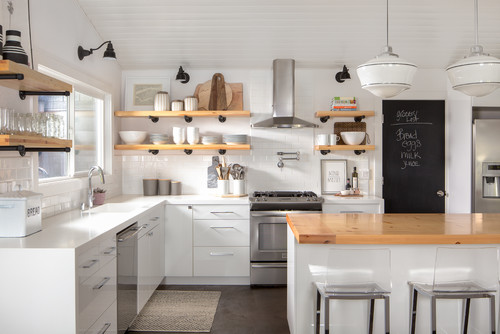
Moving westward from the immediate downtown core, the residential landscape shifts significantly. Mississauga homes represent a blend of expansive suburban properties, growing townhome communities, and established single-family neighborhoods.
Each property presents distinct opportunities for upgrading your kitchen cabinet Mississauga layout.
In Mississauga, kitchens tend to feature larger footprints, allowing for elaborate designs that include massive central islands, walk-in pantries, and extensive runs of base and wall cabinets. Here, the cost savings of RTA systems become exponentially more apparent.
Outfitting a large suburban kitchen with pre-assembled or custom cabinetry can easily drain a renovation budget. By utilizing RTA solutions, Mississauga homeowners can allocate their saved capital toward premium countertops, high-end appliances, or luxury backsplashes, while still enjoying a premium kitchen cabinet setup.
When planning a comprehensive kitchen renovation, finding the right local expertise can make all the difference. While DIY assembly is a popular route, many Canadian homeowners still prefer to consult with professional kitchen designers to optimize their specific layout.
Sourcing your materials from a dedicated kitchen cabinet supplier ensures you get hands-on support, 3D rendering services, and expert guidance throughout your project.
6. Step-by-Step Guide to Planning Your Kitchen Cabinet Layout
A successful installation is entirely dependent on meticulous upfront planning. Taking the time to properly design and measure your space will eliminate costly errors.
This process prevents ordering incorrect components and ensures a seamless installation process for every kitchen cabinet. Here is the definitive methodology for planning your layout:
- Step 1: Create a Floor Plan Sketch. Start with a rough drawing of your room. Measure the overall length of each wall, working clockwise from a specific corner. Record measurements in both inches and millimeters, as Canadian contractors frequently use both.
- Step 2: Map the Utilities. Precisely mark the locations of existing plumbing (center of the sink drain), electrical outlets, gas lines, and ventilation ducts. Moving these utilities drastically increases renovation costs, so designing around them is usually the most budget-friendly approach.
- Step 3: Measure Obstacles. Document the width, height, and exact placement of all windows and doors. Crucially, remember to include the trim (casing) in your measurements, as cabinets cannot sit flush against window trim without looking amateurish.
- Step 4: Establish the Work Triangle. The golden rule of kitchen design dictates that the path between your stove, sink, and refrigerator should form an unobstructed triangle. Keep the perimeter of this triangle between 13 and 26 feet for maximum culinary efficiency.
- Step 5: Utilize 3D Design Software. Most reputable RTA retailers in 2026 offer free online design tools or complimentary consultations with in-house designers. Input your precise measurements to generate a 3D model, allowing you to visualize filler pieces, crown molding, and exact cabinet sizing before placing an order.
7. The Kitchen Cabinet Assembly Process: What to Expect
The prospect of assembling an entire room’s worth of casework can initially seem daunting. However, modern engineering has refined the process to be highly intuitive.
It requires no advanced carpentry skills for the average Canadian homeowner. In fact, most standard cabinets can be assembled in 15 to 25 minutes once you find your rhythm with each kitchen cabinet.
The majority of premium RTA cabinets today utilize a combination of precisely milled dovetail joints (for drawer boxes) and cam-lock or specialized metal clip systems (for the cabinet carcass).
When your boxes arrive, start by inventorying all parts. Clear a large, flat workspace—preferably carpeted or covered with a moving blanket to avoid scratching the finish.
A pro tip for a rock-solid build: even if the manufacturer states that only screws or cam-locks are required, applying a thin bead of high-quality wood glue along all dowel holes and joints will dramatically increase the structural rigidity of the cabinet.
You will need a basic toolkit: a rubber mallet (never a steel hammer, which will dent the wood), a cordless drill with an adjustable clutch (to prevent stripping screws), wood glue, and a #2 Robertson (square) or Phillips screwdriver bit. Build the boxes first, ensure they are perfectly square, and leave the doors and drawers off until the cabinets are firmly secured to the wall.
8. Installation Masterclass: Hanging Your Cupboards
With the assembly phase completed, the physical installation transforms the empty room into a functional cooking space. Proper installation requires patience, precision, and an understanding of foundational carpentry principles to secure every kitchen cabinet.
Rushing this stage will result in crooked doors, gaps against the wall, and compromised structural safety.
Always start with the upper wall cabinets. If you install the base cabinets first, you will find yourself awkwardly leaning over them while trying to lift heavy boxes, risking injury and damage.
Use a stud finder to locate and mark every wall stud. A highly recommended technique is to temporarily screw a straight piece of 1×4 lumber horizontally across the wall—this is called a ledger board. It will support the weight of the upper cabinets while you screw them into the studs, making it an easy one-person or two-person job.
When installing the base cabinets, you must contend with the fact that no floor in Canada is perfectly level. Start at the highest point of your floor. Use wooden or composite shims beneath the cabinets to ensure they are perfectly level front-to-back and side-to-side.
If the base cabinets are not level, your expensive quartz or granite countertops will crack under uneven stress. Secure the cabinets not only to the wall studs but also to each other through the face frames (or side panels in frameless designs) using specialized cabinet screws.
9. Customizing Your Kitchen Design
One of the most appealing aspects of ready-to-assemble systems is their modular nature, meaning each kitchen cabinet can be tailored to your space.
This allows for extensive customization that mimics the look of high-end bespoke carpentry across Canada. An “off-the-shelf” RTA cabinet can easily be elevated to look entirely custom with the right finishing touches.
Moldings and Trim: The secret to a million-dollar look lies in the trim. Adding crown molding to the top of your upper cabinets bridges the gap to the ceiling, creating a seamless, built-in appearance.
Similarly, installing a light valance underneath the wall cabinets hides under-cabinet lighting fixtures and adds architectural depth. Matching toe-kicks at the base create a cohesive, finished floorline.
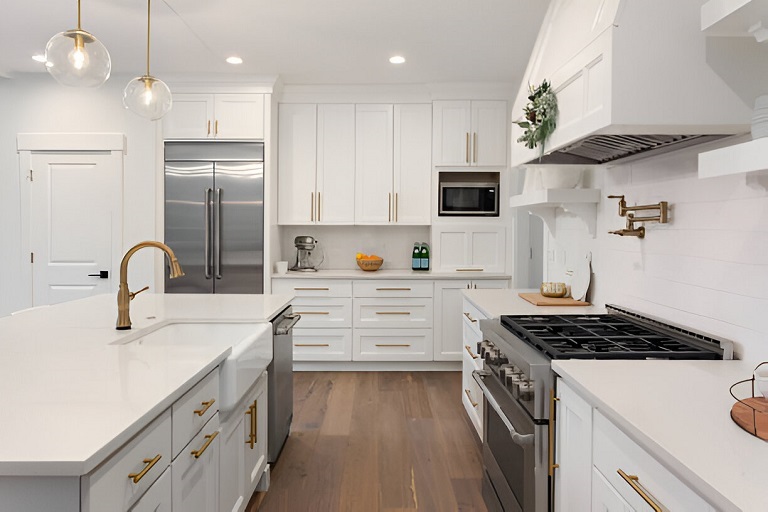
Hardware and Accessories: The knobs and pulls you choose act as the jewelry of the kitchen. In 2026, matte black, brushed brass, and champagne bronze are dominating Canadian kitchen trends.
Beyond aesthetics, consider functional upgrades: convert standard base cabinets into deep, three-drawer stacks for easier access to heavy pots and pans. Incorporate pull-out spice racks, integrated pull-out trash bins, and corner lazy susans to maximize utility. You can even order glass-ready door frames and have local glass cut to display your finest dishware.
10. Cost Analysis: RTA vs. Pre-Assembled vs. Custom
To truly understand the value proposition of flat-pack solutions in Canada, a direct financial comparison is necessary. Sourcing from reputable kitchen suppliers ensures you get the best low price kitchen cabinet deals without sacrificing durability.
The savings derived from RTA do not come from inferior materials, but rather from shifting the labor of assembly to the consumer and optimizing shipping density.
11. Maintaining and Caring for Your New Cupboards
Protecting your investment requires establishing a routine maintenance schedule for every kitchen cabinet. The durable factory finishes applied to modern built-in cabinets—often baked-on, multi-step polyurethane or UV-cured lacquers—are highly resilient.
However, they require proper care to maintain their luster and integrity over the years.
Cleaning Regimen: Never use harsh, abrasive cleaners, scouring pads, ammonia-based products, or bleach on cabinet surfaces. These will strip the clear coat and irreparably damage the paint or stain.
Instead, simply use a soft microfiber cloth lightly dampened with warm water and a few drops of mild dish soap. Wipe up spills immediately, especially acidic liquids like tomato sauce, vinegar, or citrus juices, which can stain even the most durable finishes if left unattended.
Climate Control: In Canada, the drastic shifts between humid summers and bone-dry, heated winters wreak havoc on natural wood. Wood expands and contracts based on ambient moisture.
To prevent doors from warping and joints from cracking, strive to maintain indoor humidity levels between 40% and 50% year-round using whole-home humidifiers or dehumidifiers. Additionally, check and adjust your cabinet hinges annually. Most premium RTA cabinets feature 6-way adjustable soft-close hinges, making it easy to realign doors that may have settled over time with a simple turn of a screwdriver.
12. Trending Styles and Color Palettes for 2026
A major advantage of sourcing modern RTA solutions is that top manufacturers rapidly adapt to current design trends. This ensures your Canadian home remains stylish and highly marketable.
As we navigate through 2026, several key aesthetic movements are dominating the kitchen design landscape.
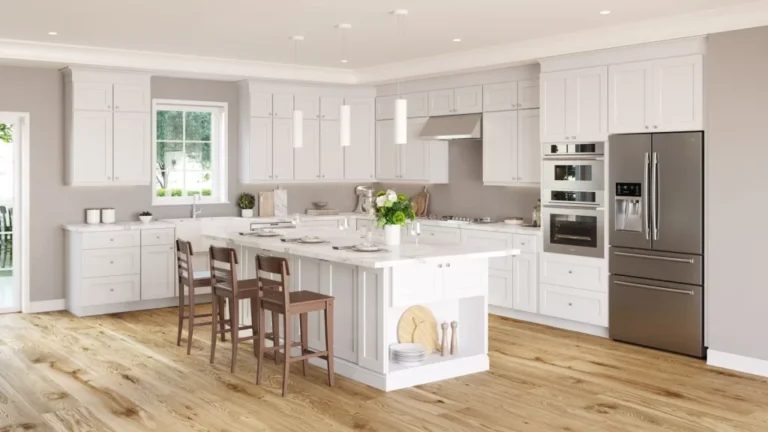
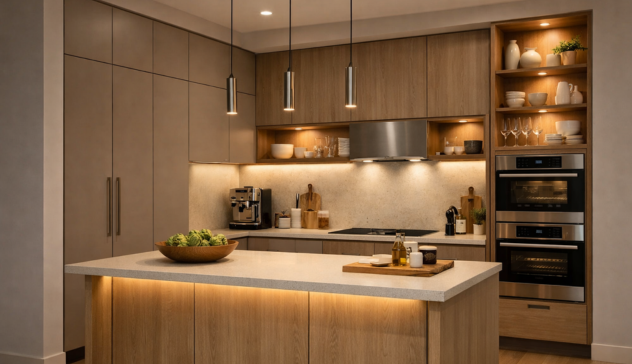
While the classic Shaker-style cabinet in bright white remains an undisputed, safe choice for resale value, we are seeing a massive shift toward “warm minimalism.” This involves blending painted finishes with natural wood textures.
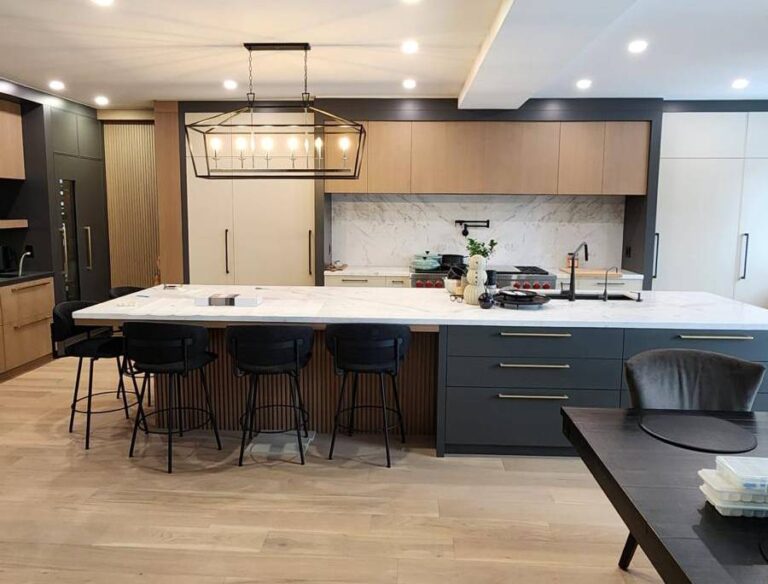
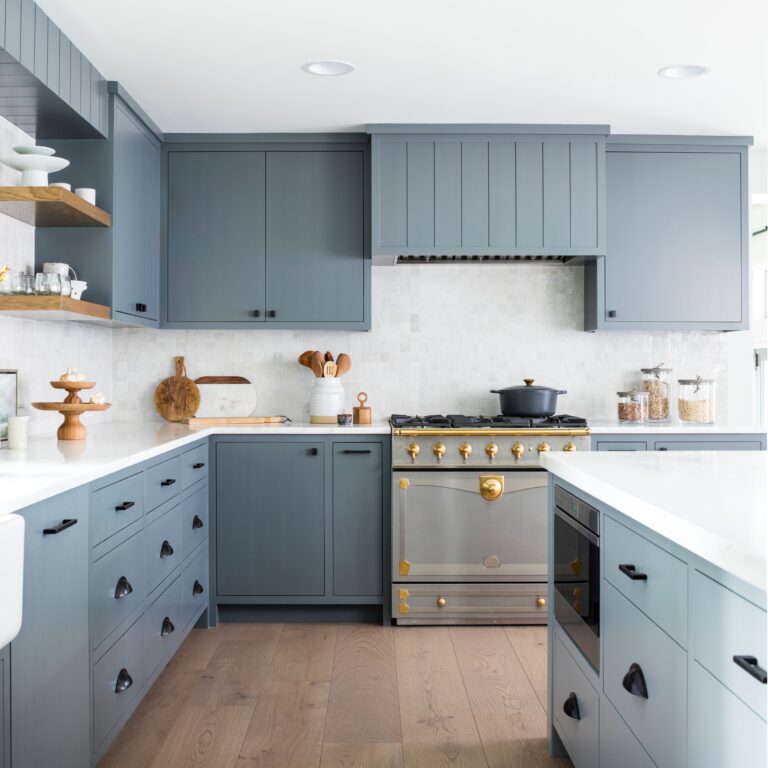
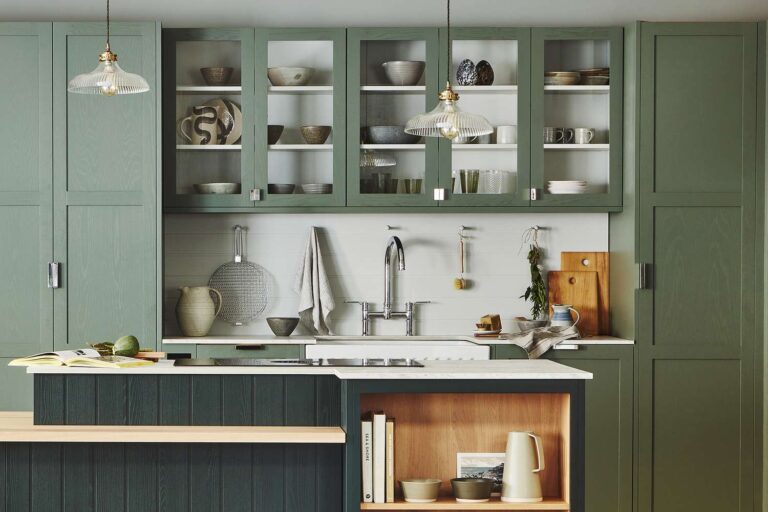
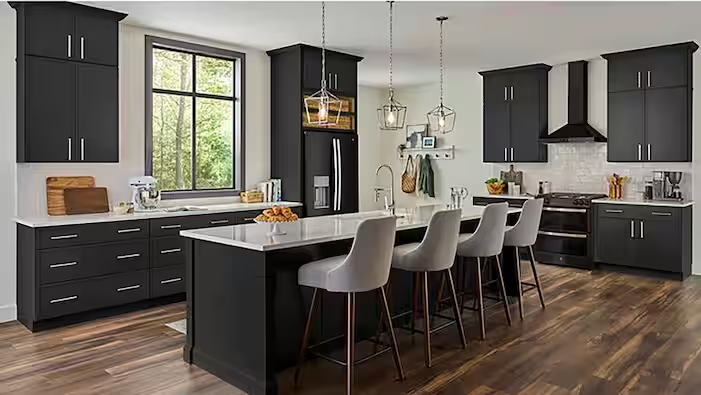
Two-tone kitchens are incredibly popular: homeowners are frequently choosing a grounded, earthy color for the base cabinets—such as forest green, deep navy, or muted terracotta—paired with white upper cabinets or natural white oak floating shelves. Furthermore, flat-panel (slab) cabinet doors are seeing a resurgence in urban markets, prized for their easy-to-clean surfaces and seamless integration with contemporary appliances.
13. Maximizing ROI and Property Value
When assessing the impact of a kitchen remodel, return on investment (ROI) is a crucial metric for Canadian homeowners. Historically, kitchen renovations offer one of the highest ROIs of any home improvement project.
A new kitchen cabinet installation often recuperates 70% to 80% of the cost upon resale, especially when featuring a high-quality design. However, spending exorbitant amounts on fully custom cabinetry can easily push you past the point of diminishing returns.
Because RTA cabinets provide the structural integrity of custom builds (solid plywood boxes, hardwood face frames, soft-close hardware) at a fraction of the cost, your potential ROI is significantly higher.
Real estate agents emphasize that prospective buyers cannot visually distinguish a high-quality, properly installed RTA kitchen from a custom-built one. They simply see a beautiful, durable, modern space. By making smart, budget-conscious decisions with flat-pack cabinetry, you ensure that your renovation adds genuine equity to your property without over-leveraging your finances.
14. Final Thoughts on Transforming Your Culinary Space
Embarking on a comprehensive kitchen renovation is a major milestone in Canadian homeownership. It requires vision, planning, and a careful balancing of resources.
The advent of high-quality premade kitchen cabinet and flat pack kitchen cabinet options has fundamentally democratized the process of achieving a luxury interior. You no longer have to compromise on quality or endure months of chaotic construction delays to create the kitchen of your dreams.
Whether you are a seasoned DIY enthusiast ready to tackle the assembly on a weekend, or a homeowner looking to stretch your budget while hiring a professional contractor, RTA systems provide an unparalleled blend of quality, speed, and affordability.
By investing time in proper layout planning, meticulous assembly, and thoughtful finishing touches, your revitalized room will serve as the vibrant, welcoming heart of your Canada home for generations to come.
Get Expert Help with Your Kitchen Renovation Today.
Browse our wide selection of kitchen cabinets and connect with our kitchen designers for personalized support. We offer professional cabinet services and high-quality Kitchen cabinet Mississauga solutions and throughout Ontario to ensure your project is a success. Contact us at +1 888 973 5636.
Shop Our Collection Now