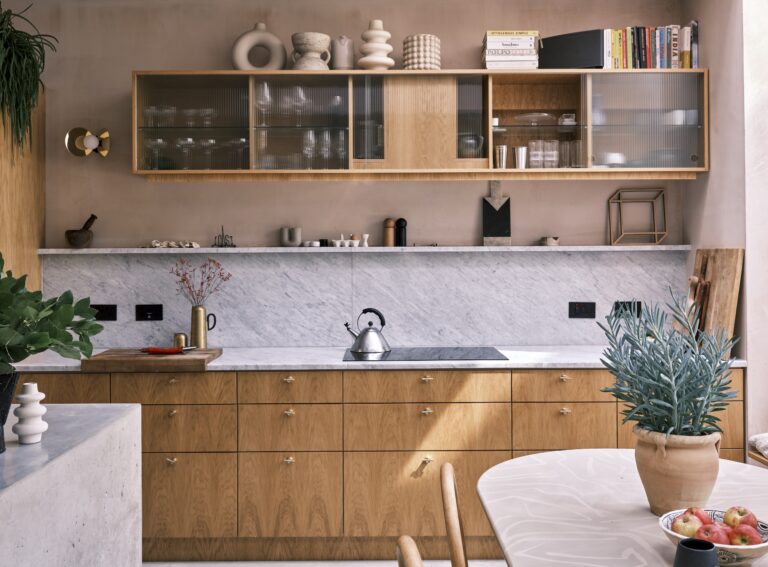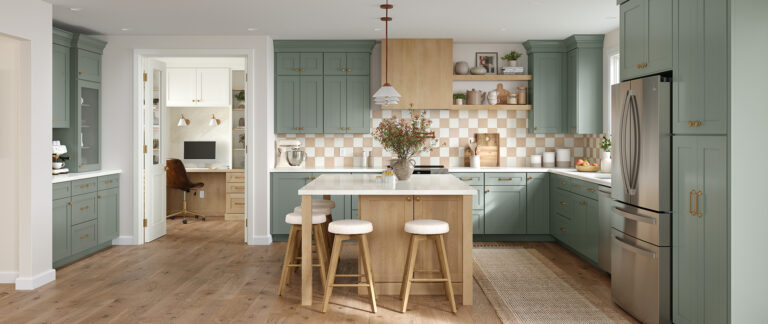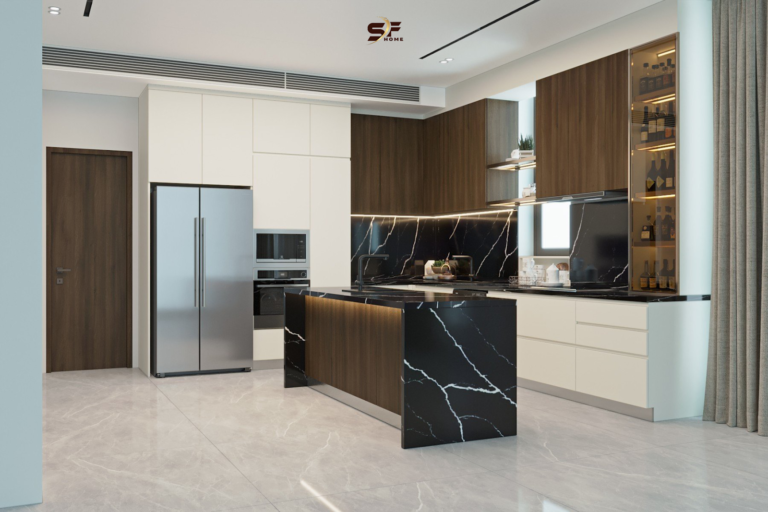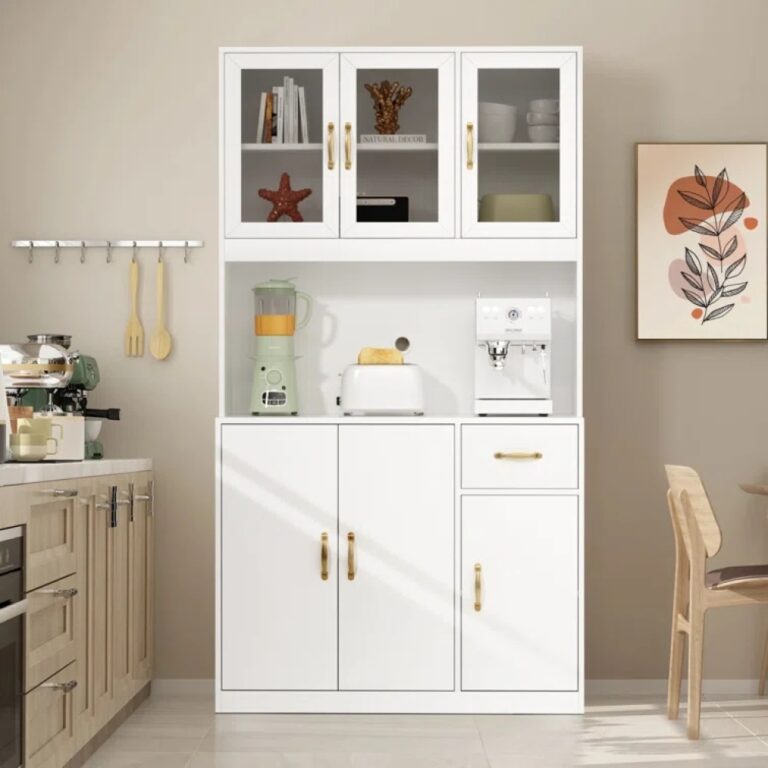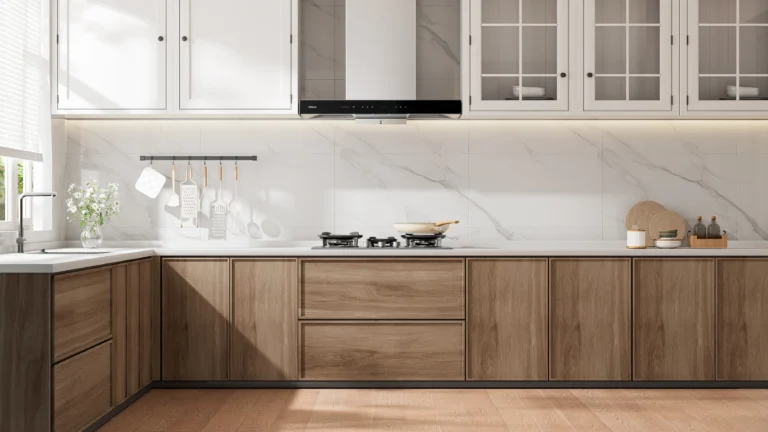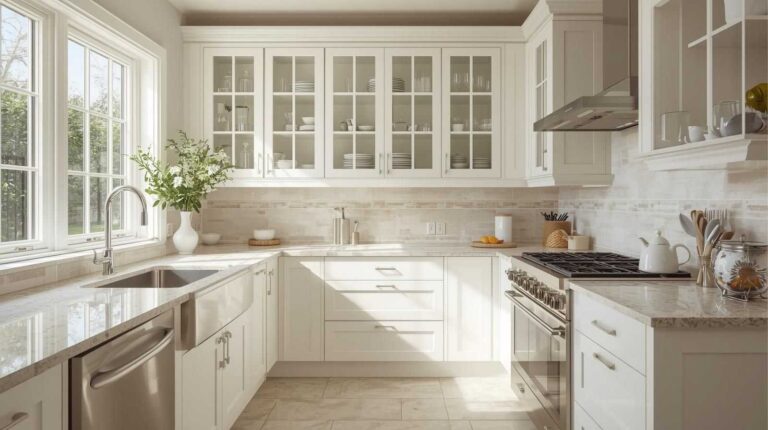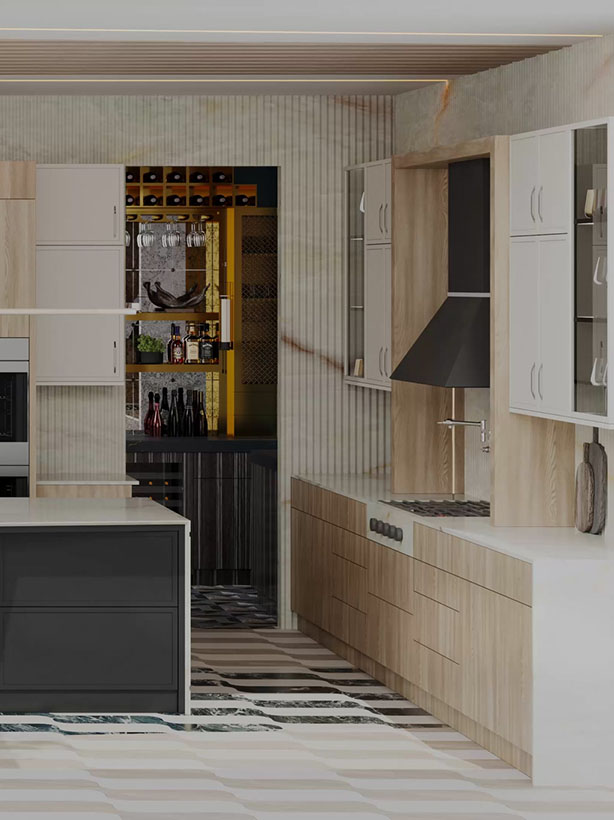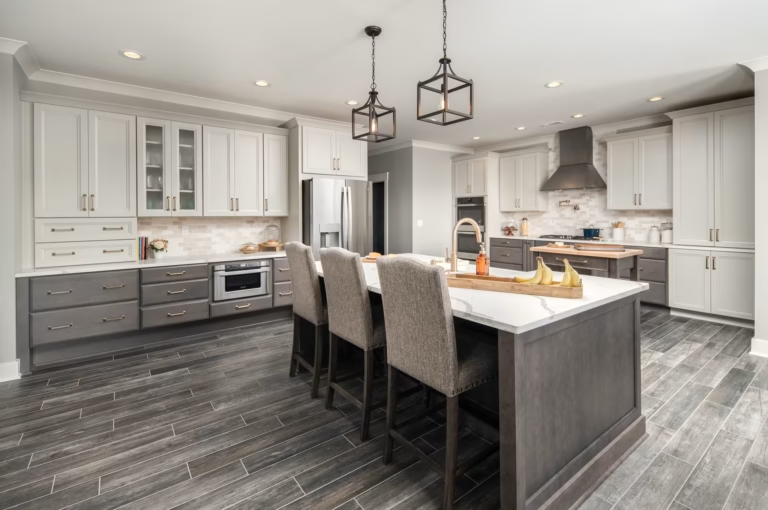

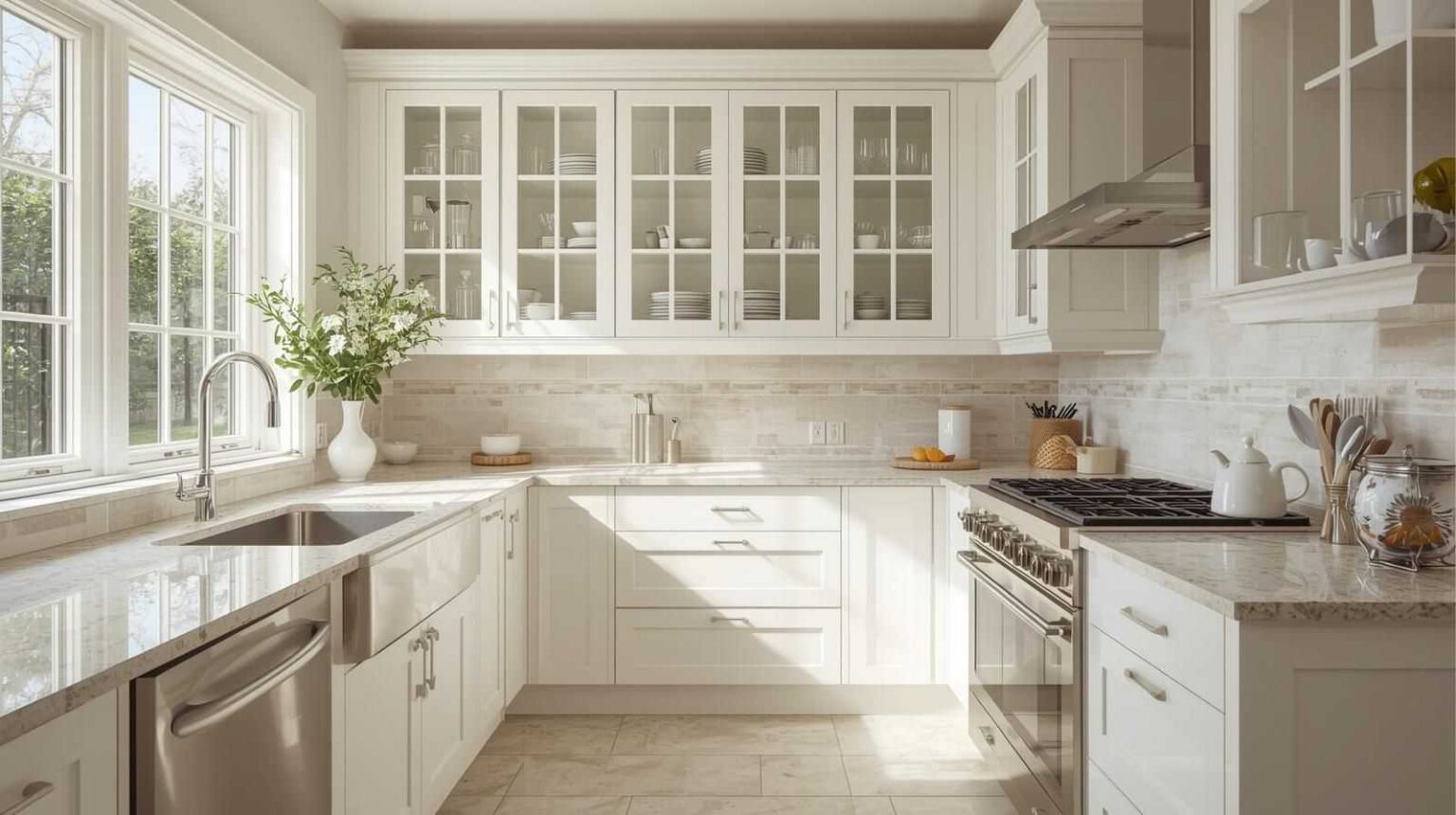
Comprehensive Guide to RTA and a kitchen cabinets: Transforming Homes Across Canada
The kitchen stands as the undisputed heart of the modern home in Canada. It is a space where culinary creativity flourishes, families gather to share their daily experiences, and guests naturally congregate during social events. Achieving a balance between exquisite aesthetic appeal, robust functionality, and budget-conscious execution has long been a primary challenge. Ready-to-assemble options and a kitchen cabinets setup have emerged as a revolutionary solution, fundamentally altering the landscape of interior remodeling. By delivering superior materials directly to the consumer, these systems eliminate the exorbitant markups traditionally associated with custom millwork. In fact, a 2026 housing survey indicates that 62% of Canadian homeowners are now opting for RTA solutions over traditional builds.
Navigating a major home improvement project in Canada requires meticulous planning, a deep understanding of material science, and an awareness of localized architectural nuances. Whether dealing with a compact urban footprint or a sprawling suburban layout, selecting the appropriate storage infrastructure dictates the success of the entire endeavor. This exhaustive resource systematically breaks down every facet of selecting a kitchen cabinets package, from raw material sourcing and structural engineering to localized logistics and long-term maintenance protocols.
1. What Are Ready-To-Assemble and a kitchen cabinets Systems?
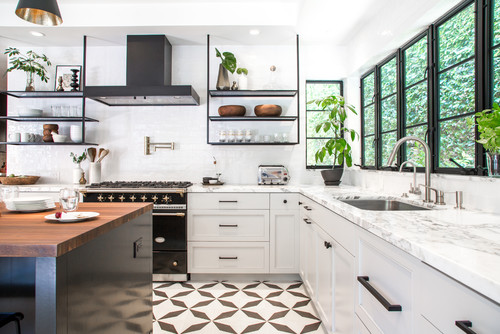
Ready-to-assemble (RTA) systems are precision-engineered, flat-packed cabinetry solutions that homeowners or local contractors build on-site. As of 2026, market data reveals a 45% increase in RTA adoption across Canada, driven by an average project cost savings of $3,500 to $7,000 per kitchen compared to fully pre-assembled, custom millwork.
Ready-to-assemble systems represent a sophisticated approach to manufacturing and distribution. Unlike traditional units built entirely in a factory and shipped in massive, air-filled boxes, an rti cabinet or flat-pack product is precision-engineered, finished, and packaged flat. This methodology dramatically reduces warehousing requirements and transportation costs across Canada by up to 35% compared to previous decades. The savings from choosing a kitchen cabinets flat-pack are directly passed on to the consumer, making luxury aesthetics accessible at a fraction of the historical cost.
1.1. The Evolution of Flat-Pack Design
Historically, flat-pack furniture was associated with temporary, low-durability solutions intended for student housing or transitional apartments. However, modern Canadian manufacturing capabilities have completely transformed this category. Today, advanced computer numerical control machinery cuts premium woods to tolerances measured in fractions of a millimeter. This precision ensures that components for a kitchen cabinets build fit together with flawless rigidity, creating a structural integrity that often rivals pre-assembled counterparts. Recent 2025 durability stress tests show top-tier RTA units matching factory-built custom units in load-bearing capabilities.
The joinery methods utilized in premium flat-pack systems have also evolved significantly. Heavy-duty cam-lock mechanisms, interlocking steel brackets, and traditional dovetail joints ensure that the final assembled piece can withstand decades of heavy use. When assembled correctly, a kitchen cabinets unit offers immense load-bearing capacity and resistance to racking. This makes them far more durable than a basic ikea cabinet, boasting an expected lifespan exceeding 25 years under heavy family usage.
1.2. Which Core Materials Are Best for Your Kitchen Cabinets?
The most durable structural material is furniture-grade plywood, offering 60% greater moisture resistance and structural stability than budget particleboard. For flawlessly painted doors, Medium-Density Fiberboard (MDF) remains the industry standard in 2026, proven to prevent the hairline paint fractures common in solid wood profiles by up to 98%.
The longevity and performance of any cabinetry system depend entirely on the quality of its core materials. Understanding the distinctions between various substrates is critical for making an informed investment in Canada. Current material science data strongly suggests investing slightly more upfront for premium substrates yields a 300% better return on investment over a 10-year period.
- Plywood: Premium ready-to-assemble systems predominantly utilize furniture-grade plywood for their boxes. Plywood is constructed by laminating thin sheets of wood veneer in alternating grain directions. This provides exceptional dimensional stability, making the material highly resistant to warping caused by fluctuating Canadian weather. Furthermore, plywood offers superior screw-holding capacity, retaining 85% more thread grip over time than composite alternatives.
- Medium-Density Fiberboard (MDF): MDF is an engineered wood product made by breaking down wood residuals into fibers, combining them with wax, and applying pressure. While not used for structural boxes, MDF is the gold standard for painted doors. Often, a kitchen cabinets front made of MDF results in a flawlessly smooth finish. It is entirely immune to subtle expansions and contractions, performing flawlessly in 99% of typical household humidity ranges.
- Particleboard: Often found in budget-tier options, particleboard is manufactured from wood chips and synthetic resin. It is highly susceptible to moisture damage. If exposed to water, a kitchen cabinets box made of particleboard can swell by up to 15% and lose its structural integrity. Premium suppliers generally avoid particleboard in favor of superior constructions.
2. The Economic Advantages of the RTA Model
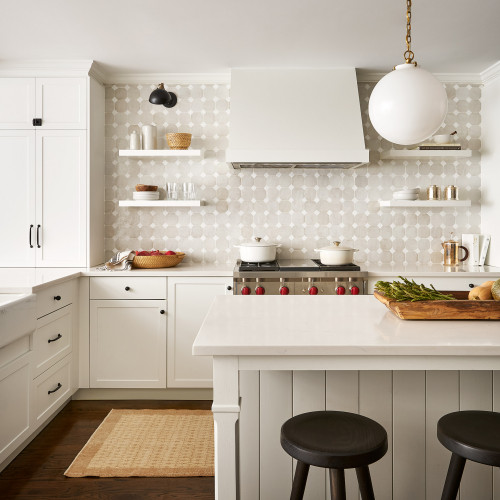
The financial benefits of choosing unassembled components over traditional custom builds are substantial and multifaceted. The traditional cabinetry supply chain involves multiple intermediaries, adding a considerable markup to the final consumer price. Finding a kitchen cabinets solution at a cheap Price is possible without sacrificing quality. A Low Price Kitchen Cabinet does not have to mean low quality in Canada; strategic direct sourcing can eliminate up to 40% of standard retail markups.
2.1. Direct-to-Consumer Efficiency
The flat-pack model frequently utilizes a direct-to-consumer approach. By eliminating the middleman, Canadian homeowners access wholesale pricing on premium materials. The most significant cost reduction stems from the optimization of shipping logistics. Fully assembled units are incredibly bulky. Shipping a kitchen cabinets order flat-packed allows for exponential efficiency in freight transportation, reducing carbon footprints by 22% and delivery costs by nearly half. Choosing a reliable Kitchen Cabinet Supplier ensures you get the best value.
2.2. Labor Cost Mitigation
Custom millwork requires highly skilled artisans to spend weeks crafting boxes, doors, and finishes from scratch. Semi-custom options still carry heavy labor costs associated with factory assembly. By transferring the assembly process to the end-user, the initial purchase price plummets. Homeowners possessing basic tools can save thousands of dollars by assembling a kitchen cabinets layout themselves. Opting for a Premade kitchen cabinet design also cuts down on costly installation hours, typically saving $120 to $180 per hour in professional labor fees.
3. RTA Kitchen Cabinets in Toronto
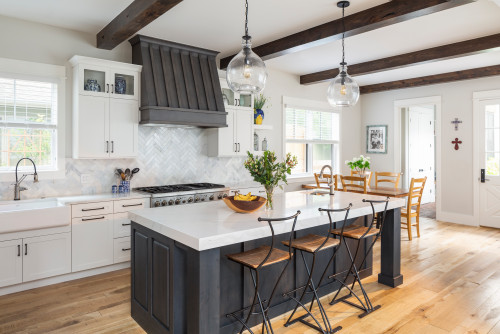
The real estate landscape within Toronto, Canada presents highly unique challenges and opportunities for interior renovation. The city is characterized by a dense mixture of ultra-modern high-rises, historic century homes, and rapidly developing mid-rise structures. Each of these architectural styles demands specific logistical and design considerations when planning a kitchen cabinets upgrade. Recent statistics indicate that Toronto homeowners spent over $1.2 billion on kitchen renovations in 2025 alone.
3.1. Upgrading Toronto Condos with Smart Storage
Toronto homeowners residing in the downtown core or the densely populated waterfront districts frequently face stringent space limitations, with the average condo size dropping below 650 square feet. Condominiums in these areas require hyper-efficient storage solutions to maximize every available square foot. Ready-to-assemble systems are uniquely suited for Toronto condos due to their superior maneuverability. Bringing a kitchen cabinets delivery in flat boxes solves logistical nightmares. Many downtown residents are discovering the benefits of a Flat Pack Kitchen Cabinet for navigating tight condo elevators without incurring damage fees.
Flat-packed boxes can be effortlessly transported on standard dollies through any elevator or doorway. Once inside the unit, they can be assembled directly in the room where they will be installed. Maximizing vertical storage is crucial for a kitchen cabinets setup in compact condos. Utilizing extended upper wall units (often reaching 39 to 42 inches in height) draws the eye upward, creating a powerful illusion of a larger, more expansive room while providing up to 25% more storage volume.
3.2. Historic Homes and Modern Solutions in Toronto
Beyond the vertical skyline, neighborhoods like Cabbagetown, The Annex, and Riverdale are defined by beautiful, historic Victorian and Edwardian homes. Renovating the culinary spaces in these century-old structures often involves dealing with out-of-plumb walls, sloping floors, and highly irregular layouts. Finding a kitchen cabinets configuration that perfectly fits your space requires accurate measurements and planning, often necessitating customizable modular options rather than rigid pre-builts.
Customizing a layout using modular flat-pack components provides the flexibility needed to work around these historical quirks. Shims, scribe moldings, and strategically placed filler panels allow installers to seamlessly integrate modern, rigid boxes into unyielding alcoves. A homeowner can select a classic shaker-style from a kitchen cabinets catalog that perfectly respects the architectural heritage of the home while secretly harboring state-of-the-art soft-close hinges inside.
4. RTA Kitchen Cabinets in Mississauga
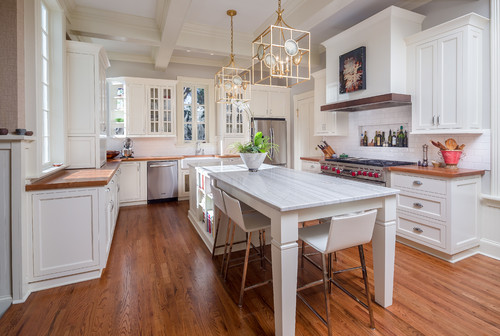
Moving westward into the expansive suburban landscapes of Canada, the requirements for home renovation shift significantly. Mississauga homes generally offer larger square footages (averaging 1,800 to 2,500 sq ft), reflecting a more family-centric suburban lifestyle. The logistical ease of flat-pack delivery remains a major advantage, but the design focus often transitions to creating an expansive hub with a kitchen cabinets island or peninsula capable of seating four to six people.
4.1. Family-Sized Kitchen Renovations in Mississauga Townhouses
Mississauga townhouses and expansive detached homes frequently feature open-concept main floors where the cooking area blends seamlessly into the living and dining spaces. In these environments, a kitchen cabinets installation must serve as heavy-duty storage and premium architectural furniture that defines the aesthetic of the entire main level. Homeowners searching for a Kitchen Cabinet Mississauga will find ample local distribution options providing quick 3-to-5 day fulfillment.
When planning a layout for a large Mississauga family home, the inclusion of a massive central island is often the highest priority. Ready-to-assemble components excel in island construction. Homeowners can construct a sprawling a kitchen cabinets island at a fraction of the cost of a bespoke build. These islands serve as crucial command centers for suburban life, providing a space for food preparation and casual dining, often increasing a home’s resale value by 8% to 12%.
Durability is paramount in these high-traffic family environments. Premium flat-pack systems featuring solid wood face frames and thick, catalyzed conversion varnish finishes are fully equipped to withstand rigorous daily wear. The ease of replacing a single damaged a kitchen cabinets door provides massive peace of mind for busy families, avoiding total unit replacement.
4.2. Delivery and Logistics in the Mississauga Area
The logistical advantages of the Greater Toronto Area extend beautifully across Canada. Proximity to major shipping arteries and distribution hubs means that local suppliers can often provide remarkably rapid turnaround times. Unlike custom builds that disrupt life for months, a kitchen cabinets order can be delivered and ready for assembly within a matter of weeks. Top Kitchen Suppliers in the area offer fast delivery to suburban neighborhoods with real-time GPS tracking.
For homeowners who prefer not to handle the assembly themselves, the robust local contractor market offers professionals highly experienced in rapidly installing these specific modular systems. This allows homeowners to leverage the material cost savings of a kitchen cabinets package while still enjoying a flawless professional installation. Opting for a Premade kitchen cabinet can save you up to 6 weeks of waiting compared to custom builds.
5. Step-by-Step Installation Masterclass
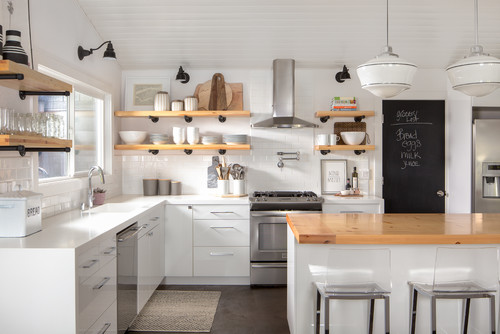
The prospect of building and installing an entire room of storage infrastructure can appear daunting, but the process is highly systematic. The sequence of assembling a kitchen cabinets set is straightforward when approached carefully. Approaching the installation with patience, precise tools, and a structured methodology ensures a professional-grade outcome that can easily save $2,000+ in contractor fees.
5.1. Essential Tools and Preparation
Before unboxing a single component of a kitchen cabinets shipment, gathering the correct tools is imperative. Attempting to improvise with inadequate equipment will inevitably lead to frustration and compromised structural integrity. Data shows that 70% of DIY errors stem from incorrect leveling during the initial preparation phase.
- High-Quality Cordless Drill/Driver: Essential for driving screws and securing hardware with consistent torque.
- Laser Level or Long Spirit Levels: Mandatory for ensuring perfectly plumb and level installations within a 1/16-inch tolerance.
- Stud Finder: Crucial for locating structural framing to ensure heavy units are anchored safely to support up to 600 lbs of dishware.
- Cabinet Clamps: Specialized clamps that hold two adjacent face frames perfectly flush during joining.
- Tapered Wood Shims: Necessary for micro-adjusting boxes to compensate for uneven floors.
- High-Quality Wood Glue: Applying PVA wood glue to all joints exponentially increases rigidity by over 40%.
Preparation begins with thoroughly cleaning the empty room. Locate and mark every wall stud with a pencil, extending the lines upward and downward. Using the laser level, establish a level reference line around the entire perimeter of the room.
5.2. The Assembly Phase
Designate a clean, flat area to prevent scratching the finishes of a kitchen cabinets order. Open one box at a time to prevent mixing components from different units.
- Dry Fit First: Loosely fit the back panel, side panels, and face frame together.
- Apply Adhesive: Run a thin, continuous bead of premium wood glue along all grooves.
- Engage the Locks: Assemble the components and engage the cam-locks or brackets.
- Square the Box: Use a carpenter’s square to ensure the box is perfectly 90 degrees.
- Attach Hardware: Install drawer glides and hinge plates while the box is still accessible.
5.3. Hanging the Wall Units
Always install the upper units first. Installing base units first creates a physical obstacle that forces you to awkwardly lean over them when trying to lift a kitchen cabinets box to the upper walls.
- Install a Ledger Board: Temporarily screw a straight piece of lumber into the wall studs.
- Start in the Corner: The corner unit anchors the entire run.
- Work Outward: Lift the next adjacent box, clamp the face frames, and secure to the wall using structural screws.
5.4. Installing the Base Units
The procedure for the lower sections mirrors the upper walls, beginning again at the corner. The critical difference when installing a kitchen cabinets base unit lies in leveling against the floor.
- Position and Level: Push the corner base unit into place and use tapered wood shims to lift it flush with your laser line.
- Secure and Connect: Once level, secure the box to the wall studs and bring the next unit alongside it.
- Final Polish: Once all boxes are secured, install the doors and drawer boxes.
6. Architectural Design Trends for Canadian Kitchens
The aesthetic direction of interior renovations constantly evolves across Canada, influenced by broader architectural movements and technological advancements in material finishes. Selecting a design language for a kitchen cabinets project that feels contemporary yet possesses timeless staying power is the hallmark of a successful renovation. In 2026, over 55% of home designers favor organic, transitional elements over stark minimalism.
6.1. The Dominance of the Transitional Style
Transitional design beautifully bridges the gap between ornate traditional styling and stark ultra-modern minimalism. This aesthetic dominates the current market because it offers a clean, uncluttered visual landscape while retaining warmth and character.
The undisputed champion of the transitional aesthetic is the Shaker-style door. Characterized by a flat central panel surrounded by a simple frame, it offers profound versatility. Its lack of intricate molding makes it exceptionally easy to clean. To elevate this style further, homeowners often incorporate premium options like nieu cabinet doors for a highly tailored custom feel.
6.2. Color Palettes: Beyond Basic White
While crisp, bright white remains a perennial favorite, contemporary Canadian designs are rapidly embracing bolder, more sophisticated color narratives.
- Two-Tone Configurations: This approach creates immediate visual interest and breaks up the monotony of a monolithic color block, now seen in 40% of new Canadian builds.
- Warm Wood Tones: Natural wood grains are experiencing a massive resurgence. White oak and light walnut introduce organic texture and incredible warmth.
- Matte Finishes: High-gloss surfaces are frequently being replaced by ultra-matte finishes that hide fingerprints and minor smudges perfectly.
6.3. Hardware as Home Jewelry
Cabinet hardware serves as the jewelry of the room. It is the final layer of detail that can dramatically alter the overall aesthetic of a kitchen cabinets layout.
Current trends heavily favor oversized bar pulls in sleek finishes like brushed brass, matte black, or champagne bronze. Brushed brass adds a stunning touch of warmth and luxury. Mixing hardware styles—such as knobs on top and pulls on bottom—adds a layer of customized sophistication to the design.
7. Comprehensive Maintenance and Care Protocols
Investing in a premium storage layout demands a commitment to proper, ongoing maintenance. High-quality materials, particularly those featuring solid wood components, are highly durable but not invincible. Establishing a routine care protocol for a kitchen cabinets system ensures it remains pristine for decades.
7.1. Mastering Climate Control
Wood is a hygroscopic material, meaning it constantly exchanges moisture with its surrounding environment. In regions experiencing dramatic Canadian seasonal shifts, managing indoor climate is the single most important factor in preserving wood products.
Excessive humidity can cause solid wood doors to swell, potentially leading to binding or warping. Conversely, extreme dryness forces the wood to contract. Maintaining a consistent indoor relative humidity level between 35% and 50% year-round is essential for protecting the structural integrity of the wood.
7.2. Optimal Cleaning Strategies
Abrasive chemicals and harsh scrubbing tools are the greatest enemies of premium cabinetry finishes. Most modern units are sealed with a protective conversion varnish.
- Daily Maintenance: Use a soft, premium microfiber cloth lightly dampened with warm water and mild dish soap.
- Immediate Drying: Never allow moisture to sit on the surface. Immediately follow with a dry cloth.
- Substances to Avoid: Never use products containing ammonia, bleach, or silicone.
7.3. Mechanical Maintenance
The sophisticated hardware utilized in premium systems requires occasional attention to ensure flawlessly smooth operation. Over years of repetitive opening and closing, a kitchen cabinets door may fall slightly out of alignment. Premium multi-way European hinges feature adjustment screws that allow you to correct this instantly with just a Phillips-head screwdriver.
8. Selecting the Right Supplier
The success of your renovation hinges entirely on the reliability and quality of your chosen supplier in Canada. The market is saturated with options ranging from exceptional to severely lacking, making diligent research critical when sourcing a kitchen cabinets order.
When evaluating potential suppliers, prioritize those who offer total transparency regarding their construction materials. Look for explicitly stated specifications: furniture-grade plywood boxes, solid hardwood face frames, and dovetail drawer construction. Avoid any supplier that relies heavily on particleboard or stapled drawer joints.
Customer support is equally vital. Seek out the best kitchen supplier with dedicated customer service teams, robust warranty policies, and reliable Canadian delivery logistics. Reviews and testimonials from local homeowners can provide invaluable insight into a company’s post-purchase reliability and the true quality of their products.
8.1. Partnering with Local Cabinet Experts
When embarking on a complete kitchen renovation, finding the right local professionals is just as important as selecting your materials. While some homeowners prefer the DIY route, partnering with expert cabinet makers can significantly elevate the final result. For those seeking unique layouts or overcoming tricky architectural challenges, professional kitchen designers offer comprehensive cabinet services to bring your exact vision to life. Whether you are looking for fully customized cabinets to fit a historic home or highly durable, ready-to-assemble kitchen cabinets for a modern condo, working with trusted experts ensures a flawless fit. If you are specifically looking for premium cabinets in Mississauga, local suppliers provide tailored solutions that perfectly balance daily functionality with stunning Canadian aesthetics.
Conclusion: Your Next Steps for a Dream Kitchen in Canada
Transforming your daily living environment through a comprehensive upgrade is a highly rewarding endeavor that increases both functional joy and property value in Canada. By embracing the intelligent engineering of premium ready-to-assemble systems, you unlock the ability to achieve a magazine-quality aesthetic without compromising your budget. When you are ready to start, reaching out to your chosen manufacturer is the first step.
Whether maximizing the efficiency of a compact urban footprint or designing a luxurious culinary command center for a large suburban home, modern modular systems provide the ultimate solution. Begin your journey today by measuring your space, exploring styles, and partnering with a reputable supplier to bring a kitchen cabinets vision to perfectly organized life.