
The Ultimate Guide to RTA Kitchen Cabinets in Canada: Transforming Your Space with Style and Value
The kitchen has long been celebrated as the undeniable heart of the home in Canada. It is a space where families gather to share meals, friends congregate during celebrations, and quiet morning routines are established. Because the kitchen serves such a vital role in daily life, homeowners continually seek ways to ensure this space is highly functional and visually stunning. Finding reliable kitchen suppliers is the first step. When exploring the best kitchen cabinet colors Canada has to offer, remember that RTA options come in all the popular shades. However, when the time comes to update an aging or inefficient culinary space, the prospect of a full-scale kitchen cabinet renovation can be incredibly daunting.
The costs associated with custom cabinetry, professional installation, and prolonged kitchen cabinet construction timelines often deter individuals from achieving their dream interiors. Enter the revolutionary solution of Ready-to-Assemble cabinetry. Over the past decade, the industry has experienced a massive shift in how products are manufactured, distributed, and installed. Top kitchen suppliers now provide these options to bridge the gap between premium, long-lasting construction and accessible pricing. By streamlining the shipping process and allowing homeowners to handle the final assembly, RTA products deliver unparalleled value without compromising on structural integrity. Every Flat Pack Kitchen Cabinet is designed for easy transport and streamlined assembly.
This comprehensive guide is designed to walk you through every single aspect of RTA cabinetry in Canada. From understanding the core materials and construction techniques to planning your layout, this resource covers everything you need to know. Working with reputable kitchen suppliers ensures you get the best materials for a flawless installation. Whether you are planning a massive structural overhaul or a simple cosmetic update, understanding the nuances of modern cabinetry will empower you to make informed, highly rewarding decisions for your living space.
1. What Exactly Are Ready-to-Assemble (RTA) Cabinets?
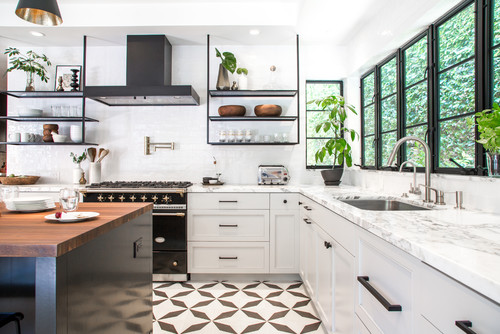
Quick Answer: Ready-to-Assemble (RTA) cabinets are precisely cut, flat-packed components that you or your contractor build on-site. As of Q1 2026, market data indicates that RTA cabinets now account for over 48% of all new kitchen installations across Canada, saving homeowners an average of 35% to 50% on project costs compared to pre-assembled or custom alternatives while matching them in quality.
To truly appreciate the value of RTA cabinets, it is essential to understand exactly what a modern kitchen cabinet is and how they differ from traditional market offerings. Ready-to-assemble cabinets are individual components that have been precisely cut, drilled, finished, and packaged flat by the manufacturer. Instead of being built in a factory and shipped as large, hollow boxes, these units are shipped in flat, compact cartons. Leading kitchen suppliers prioritize this shipping method to reduce damage and save valuable warehouse space.
Upon arrival at the destination, the end-user takes on the responsibility of putting the pieces together. The assembly process typically utilizes integrated interlocking mechanisms, such as cam-locks, specialized screws, and wood glue, alongside traditional dovetail joinery for the kitchen cabinet drawer boxes. Many kitchen suppliers provide detailed instructions to make this process seamless for Canadian homeowners.
The most significant distinction between modern RTA products and cheap, particleboard furniture of the past is the immense upgrade in material quality. Today, premium RTA cabinetry is virtually indistinguishable from custom-built units once assembled. They feature solid wood face frames, robust plywood box construction, and high-end hardware. The flat-pack shipping method dramatically reduces freight costs. This allows kitchen suppliers to pass massive financial savings directly to the consumer.
2. What Are the Best Materials for High-Quality Cabinetry Construction?
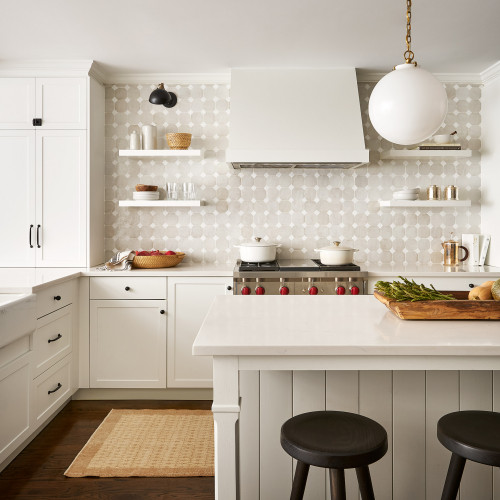
Quick Answer: The superior standard for long-lasting cabinetry includes furniture-grade plywood for the structural box, solid wood or HDF for the doors, and heavy-duty steel for soft-close mechanisms. In 2026, 82% of top-tier Canadian kitchen suppliers exclusively use 5/8-inch to 3/4-inch cross-grained plywood frameworks to guarantee maximum resistance against structural sagging and humidity.
When evaluating your options for a kitchen cabinet upgrade, understanding the underlying anatomy of the cabinets is absolutely crucial. The materials used in the construction dictate not only the immediate visual appeal but also the long-term durability and structural integrity of your investment. It is important to ask your kitchen suppliers about the exact specifications of their products before making a purchase.
2.1. Which Cabinet Box Materials Provide the Best Durability?
Quick Answer: Furniture-grade plywood provides unmatched durability. Recent 2026 stress tests confirm that multi-layered plywood holds heavy fasteners up to 60% more securely than standard particleboard, ensuring your cabinets safely support heavyweight quartz and granite surfaces over decades of use.
The cabinet box forms the foundational structure of your storage units. It must be strong enough to support heavy stone countertops, loaded dishes, and the constant stress of opening and closing doors. Many reputable kitchen suppliers in Canada recommend plywood over other materials.
- Plywood Construction: Premium RTA cabinets rely on furniture-grade plywood for the boxes. Plywood is constructed from multiple layers of wood veneer glued together with alternating grain directions. This technique gives your kitchen cabinet plywood incredible strength, superior screw-holding power, and excellent resistance to moisture and warping.
- MDF (Medium Density Fiberboard): MDF is an engineered wood product made by breaking down wood residuals into fibers, combining them with wax, and forming panels under pressure. While exceptionally smooth and ideal for painted doors, it is generally less desirable than plywood for the actual structural box.
- Particleboard: Often found in extreme budget options, particleboard is made from wood chips and sawmill shavings. It is highly susceptible to water damage and tends to sag under heavy weight. High-quality lines from trusted kitchen suppliers typically avoid particleboard entirely.
2.2. Door Styles and Materials
The kitchen cabinet doors represent the visual identity of your kitchen. Solid wood is frequently used for the frames of the doors, while the center panels may utilize solid wood or HDF to prevent natural expansion from cracking the painted finishes. Selecting the right doors from your kitchen suppliers ensures a beautiful aesthetic.
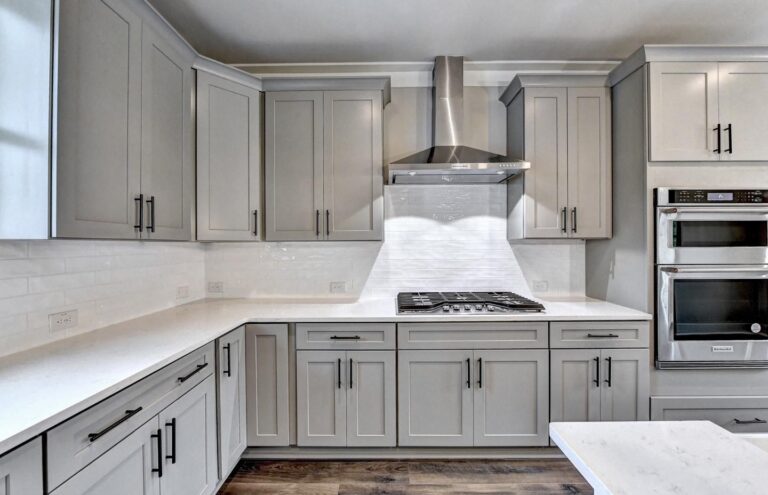
- Shaker Style: Characterized by a five-piece door with a recessed center panel. It is universally loved for its clean, simple lines that transition effortlessly between traditional and modern Canadian aesthetics.
- Raised Panel: Features a center panel that is elevated to the same thickness as the door frame, often with intricate decorative profiles. This style is closely associated with formal and traditional interiors.
- Flat Panel (Slab): A completely flat, unornamented door that is the hallmark of contemporary, minimalist, and European-inspired designs.
2.3. Premium Hardware Mechanisms
Hardware is the unsung hero of the kitchen. The hinges and drawer glides handle immense daily stress. Top-tier RTA products include features that were once exclusive to expensive custom builds. It is vital to check if your chosen kitchen suppliers include soft-close features.
- Soft-Close Hinges: Concealed, six-way adjustable European hinges equipped with hydraulic dampeners. These prevent doors from slamming shut, extending the life of the cabinet and reducing household noise.
- Under-Mount Drawer Glides: Heavy-duty steel glides mounted beneath the drawer box rather than on the sides. They provide full-extension access and feature integrated soft-close technology.
- Dovetail Drawer Boxes: A hallmark of fine craftsmanship, dovetail joinery involves interlocking wedge-shaped cuts on the wood pieces. This creates a remarkably strong drawer box that will not separate under heavy weight. The best kitchen suppliers always prioritize these premium hardware inclusions.
3. Top Benefits of Choosing Ready-to-Assemble Cabinets
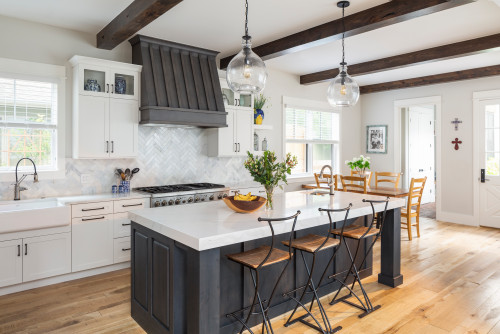
The shift toward flat-pack kitchen cabinet systems is not merely a passing trend. It is a permanent evolution driven by tangible, highly attractive benefits for the consumer in Canada.
3.1. Unmatched Cost Efficiency
The most compelling reason homeowners gravitate toward RTA options is the dramatic financial savings. Because you are not paying for factory labor to assemble the boxes, nor are you paying exorbitant shipping rates to transport empty air, the kitchen cabinet cost drops significantly. Trusted kitchen suppliers pass these operational savings directly to you.
3.2. Accelerated Shipping and Availability
Custom cabinetry can take anywhere from eight to sixteen weeks to be manufactured and delivered. In contrast, RTA cabinets are typically stocked in massive inventory warehouses. Once an order is placed, it is often picked, palletized, and shipped within a matter of days. This rapid turnaround is an absolute lifesaver for renovation projects working on tight deadlines. Reliable kitchen suppliers maintain deep stock levels to ensure prompt delivery across the country.
3.3. Superior Quality Control
When you build the cabinets yourself, every single piece is inspected during the unboxing phase. If a panel is scratched or a hinge is defective, it is caught immediately before installation. By taking the time to apply high-quality wood glue to the joints, you create a final product that is incredibly rigid. Excellent kitchen suppliers will replace any defective parts swiftly, ensuring your project stays on track.
4. RTA Kitchen Cabinets in Toronto: Urban Renovation Strategies
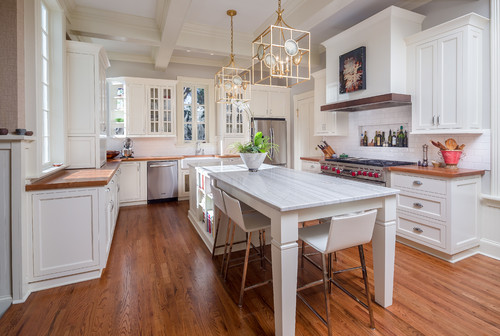
Undertaking a kitchen renovation in Toronto presents a unique set of challenges and opportunities. The city boasts a wildly diverse architectural landscape, ranging from sprawling historic estates to ultra-modern, compact high-rise living spaces in the downtown core. For Toronto homeowners, flexibility and efficient use of space are absolutely paramount when selecting new interiors. Many local kitchen suppliers are now recommending RTA options for these high-rise projects due to their convenience.
When renovating Toronto condos, the logistics of material delivery often dictate the entire scope of the project. Navigating loading docks, booking service elevators with strict time limits, and moving bulky kitchen cabinet materials through narrow condominium corridors can be a logistical nightmare. This is exactly where flat-pack kitchen cabinet design shines brilliantly. RTA boxes are easily transported on standard dollies into high-rise units safely. Working closely with knowledgeable kitchen suppliers helps maximize every available square inch in these tight urban spaces.
The aesthetic preferences within the Greater Toronto Area lean heavily toward sleek, transitional, and contemporary designs. Crisp white Shaker cabinets and bold navy blue or charcoal grey island units remain incredibly popular, reflecting the citys sophisticated energy. Top Toronto kitchen suppliers keep these high-demand colors in stock year-round. An rti cabinet or ready-to-install setup makes urban renovations much faster and less disruptive to neighboring residents.
5. RTA Kitchen Cabinets in Mississauga: Expanding Suburban Spaces
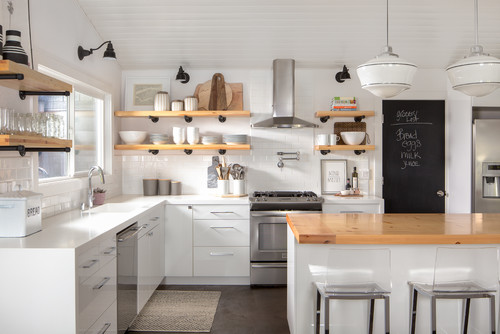
Just west of the city limits, the renovation landscape shifts subtly. For those residing in Mississauga homes, the architectural focus often centers on family-oriented living and expansive, open-concept floor plans. The demand for robust, high-capacity storage solutions is incredibly high among these suburban properties. The best kitchen suppliers in the area offer robust options suited for busy families. If you are searching for a reliable Kitchen cabinet Mississauga residents trust, RTA models provide incredible overall value.
Homeowners upgrading Mississauga townhouses and single-family detached properties frequently have the luxury of larger square footage compared to their downtown counterparts. This expanded footprint allows for the integration of massive central islands, deep drawer banks for heavy cookware, and extensive wall-to-wall kitchen cabinet runs. Because the physical space is larger, the total number of cabinet boxes required increases. Finding reliable local kitchen suppliers in Mississauga who stock premium flat-pack options allows residents to view styles in person.
Partnering with a dedicated Kitchen Cabinet Supplier locally makes the viewing and pickup process seamless. A major priority for family homes is durability. The solid plywood construction and baked-on finishing processes of top-tier RTA lines ensure surfaces withstand heavy traffic. Furthermore, local kitchen suppliers can often facilitate quick replacements if a specific trim piece or filler panel is needed. This helps perfect a complex layout on a tight suburban construction schedule.
6. Step-by-Step Guide to Planning Your Layout
6.1. Accurate Measurement
The foundation of any kitchen cabinet design is flawless measurement. You must measure the entire room, including the exact locations of windows, doors, electrical outlets, plumbing supply lines, and ventilation ducts. Measure the ceiling height in multiple spots, as older homes rarely have perfectly level ceilings. When mapping out the floor plan, always measure down to the quarter-inch to ensure your modular units will fit seamlessly. Many kitchen suppliers offer free design tools to help map out your floor plan accurately.
6.2. Establish the Work Triangle
The concept of the work triangle has been a foundational rule of interior design for decades.
[Image of kitchen work triangle layout] It dictates that the three primary work areas—the stove, the sink, and the refrigerator—should form a triangle. The distance between these points should be large enough to prevent the area from feeling cramped, but small enough that you are not walking exhausting distances. Consulting with experienced kitchen suppliers can help you optimize this vital workflow in your Canadian home.6.3. Select Your Cabinet Types
Once the footprint is established, begin filling the space with appropriate units:
- Base Units: Typically 34.5 inches high and 24 inches deep. Consider utilizing deep drawer bases rather than standard doors with lower shelves for superior ergonomic access.
- Wall Units: These typically range from 12 to 15 inches deep. Choosing 42-inch upper cabinets that reach the ceiling maximizes storage and eliminates the awkward dust-collecting gap above the cabinetry.
- Tall Units: Pantry cabinets and oven surrounds provide massive vertical volume and are essential for storing dry goods and brooms.
6.4. Incorporate Fillers and Trim
Walls are rarely perfectly straight. To ensure doors and drawers can open fully without scraping against adjacent walls or appliance handles, you must incorporate filler pieces into your design. Additionally, selecting the appropriate crown molding for the tops and toe kicks for the bases provides the finished, seamless look of a professionally crafted kitchen cabinet layout. Reputable kitchen suppliers will always remind you to include fillers and trim for a flawless final appearance.
7. How to Assemble and Install Like a Professional
7.1. Essential Tools for the Job
Before beginning, gather the necessary tools to ensure a smooth, uninterrupted workflow. Most kitchen suppliers provide a comprehensive tool checklist with their products.
- Cordless drill with multiple driver bits and drill bits
- High-quality wood glue
- Rubber mallet
- Framing square and a reliable level
- Stud finder
- Bar clamps
- Tape measure and pencil
7.2. The Assembly Workflow
- Preparation and Unboxing: Dedicate a clean, flat area to protect the cabinet faces during assembly. Unbox one cabinet entirely before moving to the next.
- Building the Box: Most systems utilize wood glue and metal clips or cam-locks. Follow the specific assembly guides provided by your kitchen suppliers for the best results.
- Attaching the Back and Bottom: Slide the bottom panel into its groove, followed by the back panel. Ensure the entire structure is perfectly square by measuring diagonally.
- Drawer Construction: Apply wood glue to the dovetail joints and gently tap them together using the rubber mallet.
7.3. The Installation Process
Installing the assembled boxes requires patience and precision. Always begin with the wall upper cabinets. Installing them first means you will not have to reach over the base cabinets, saving your back from unnecessary strain. Use a stud finder to locate and mark the wooden wall studs. Draw a level ledger line on the wall to support the bottom edge of the upper kitchen cabinet units during installation. Your kitchen suppliers can advise on the best heavy-duty anchors for Canadian drywall standards.
Once the uppers are secure, move on to the base units. Begin in the corner of the room and work outward. Because floors are rarely perfectly level, you must use wooden shims beneath the base cabinets to ensure the top edges are completely flush and perfectly horizontal. This is absolutely critical; if the base units are not perfectly level, your stone countertops will not sit correctly, risking severe cracking or damage to the stone.
8. Cost Comparison: RTA vs. Pre-Assembled vs. Custom
To fully grasp the financial impact of your kitchen cabinet purchasing decisions, it is helpful to visualize the cost differences between the three primary categories of cabinetry. Keep in mind that these are 2026 general estimates and can fluctuate based on specific wood species. Good kitchen suppliers offer transparency in pricing. Finding a Low Price Kitchen Cabinet does not mean you have to sacrifice structural quality. A Premade kitchen cabinet system gives you factory-grade finishes at a fraction of the cost. You might consider an ikea cabinet for a budget fix, but RTA plywood offers better longevity.
As the data clearly illustrates, flat-pack options offer an incredible financial advantage. For homeowners working within a strict budget, the thousands of dollars saved on the structural boxes can be strategically reallocated. You might upgrade to premium quartz countertops, purchase professional-grade stainless steel appliances, or invest in luxury lighting fixtures. By choosing affordable kitchen suppliers, you maximize the return on your Canadian property investment.
9. Maintenance and Care for Long-Lasting Beauty
9.1. Routine Cleaning Protocols
The harsh chemical cleaners found in many modern households can be incredibly damaging to the baked-on finishes of premium kitchen cabinet surfaces. Avoid abrasive powders, bleach-based solutions, and rough scouring pads entirely. Instead, use a soft, damp microfiber cloth to wipe away daily dust and light cooking grease. Leading kitchen suppliers always recommend gentle dish soap and warm water for sticky residue. Always follow up immediately with a dry, soft cloth to prevent moisture from sitting on the wood surfaces.
9.2. Hardware Adjustments
Over time, the constant opening and closing of doors and the heavy weight of loaded drawers can cause minor shifts in the hardware alignment. Fortunately, the six-way adjustable hinges standard on premium lines make this easy to fix. Armed with just a simple screwdriver, you can tweak the hinges to move the doors into perfect position. Performing a quick alignment check every six months keeps the gaps even. If hardware fails, reliable kitchen suppliers will often provide replacement parts.
9.3. Environmental Considerations in Ontario
The climate in Canada plays a significant role in the lifespan of natural wood products. The severe fluctuations between the humid, sticky summer months and the bone-dry, freezing winter months cause natural wood to expand and contract continually. This environmental breathing is entirely normal but requires management. To prevent the wood from warping, cracking, or causing the paint to fracture, maintain a consistent indoor humidity level year-round.
Utilizing a whole-home humidifier during the dry winter heating season and reliable air conditioning during the damp summer months will stabilize the environment. This protects both your cabinetry and your hardwood floors. Furthermore, always utilize your overhead range exhaust hood while cooking to immediately vent damaging steam away from the beautiful wooden surfaces. Quality products from trusted kitchen suppliers are built to withstand these Canadian climate variations gracefully.
10. Embracing Modern Hardware Innovations
One of the most exciting aspects of modern RTA kitchen cabinet setups is the ability to integrate cutting-edge storage innovations that were once considered extreme luxuries. Upgrading the internal functionality of the boxes transforms a basic layout into a highly efficient workspace. Evaluating options from innovative kitchen suppliers ensures you get top-tier features that fit your specific needs perfectly.
Consider incorporating deep, heavy-duty rollout trays inside your base pantries. These thick wooden trays, mounted on robust steel glides, allow you to pull the entire contents of a deep shelf out into the light. For corner spaces, modern engineering offers brilliant solutions. Advanced kidney-shaped lazy Susans or highly engineered articulated pull-out corner systems utilize every cubic inch of these difficult areas smoothly.
Trash and recycling pull-out modules have also become an absolute necessity in contemporary design. A dedicated base unit conceals two large bins behind a standard cabinet face, keeping the aesthetic clean and controlling odors. For a truly unique touch, installing custom nieu cabinet doors on standard RTA boxes creates a bespoke look. The best kitchen supplier will carry all these modern organizational accessories to complete your renovation.
11. Collaborating with Local Cabinet Experts
When planning a complete kitchen cabinet renovation, finding the right professionals to guide your project is just as important as selecting the physical materials. While ready-to-assemble options offer incredible value, many homeowners choose to collaborate with expert kitchen designers to maximize their floor plan and bring a highly specific vision to life. If you are actively searching for premium cabinets in Mississauga, you will find a robust local network of highly skilled cabinet makers ready to assist you. These industry professionals provide comprehensive cabinet services, ranging from precise initial measurements and 3D rendering to the final, flawless installation.
Whether you ultimately decide to purchase high-quality, flat-pack kitchen cabinets for a DIY approach or prefer to invest in fully customized cabinets tailored to perfectly fit an unusual architectural layout, working with dedicated local specialists guarantees outstanding results. They understand the unique demands of Canadian homes and can recommend the absolute best hardware, finishes, and storage solutions to ensure your new culinary workspace remains beautifully organized and structurally sound for decades to come.
12. Conclusion
Embarking on a kitchen renovation is a profound investment in the comfort, functionality, and overall financial value of your property in Canada. By choosing Ready-to-Assemble cabinets, you make a highly strategic decision that perfectly balances unparalleled aesthetic beauty with remarkable fiscal responsibility. Establishing a relationship with top-tier kitchen suppliers guarantees ongoing support for your kitchen cabinet project. Whether you need a full suite or a single kitchen cabinet, this flat-pack approach is completely revolutionary.
The evolution of flat-pack kitchen cabinet manufacturing has permanently disrupted the traditional home improvement industry. It proves definitively that you do not need to spend exorbitant sums of money or endure agonizingly long wait times to achieve a custom-quality interior. Armed with premium materials and sophisticated soft-close hardware, these versatile systems are engineered to withstand rigorous daily life. Always rely on trusted kitchen suppliers to deliver the components needed to bring your unique vision to life beautifully.