
The Ultimate Guide to Every RTA Kitchen Cabinet in Canada: Transforming Your Home
The kitchen undeniably serves as the heart of the modern Canadian home. It acts as a central hub for culinary exploration, family gatherings, and everyday entertainment.
When outdated aesthetics, inefficient storage solutions, and deteriorating materials compromise this space, a comprehensive renovation becomes a pressing necessity.
Upgrading your culinary workspace alters how you interact with your environment. It vastly improves daily workflows while boosting the overall market value of your property.
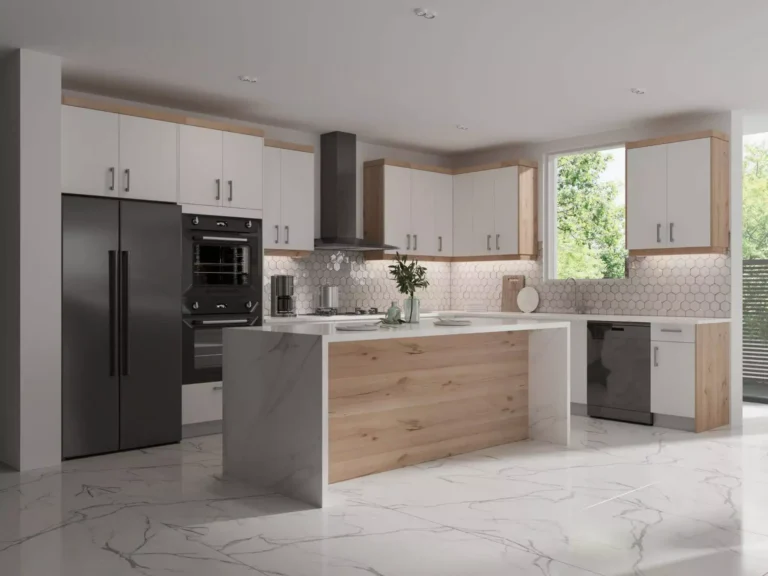
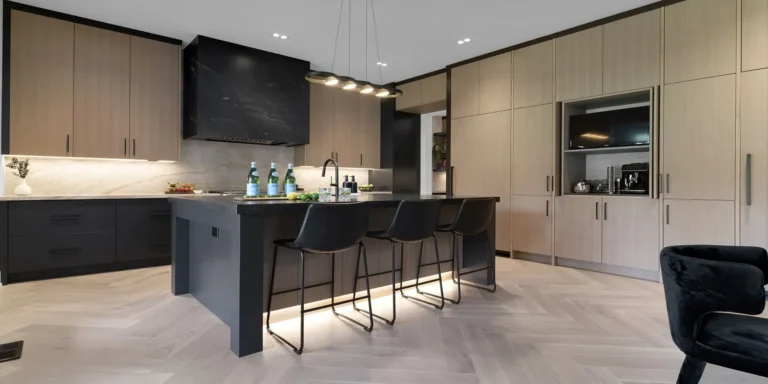
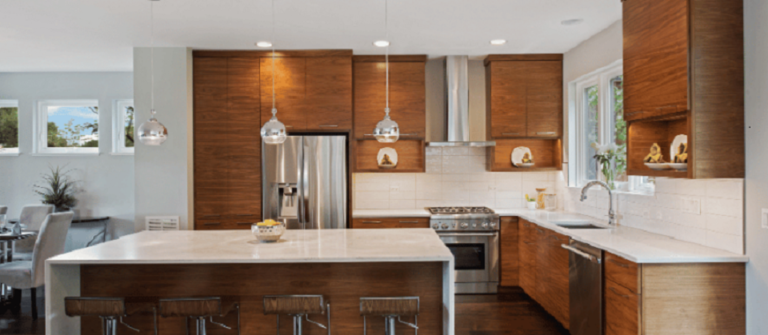
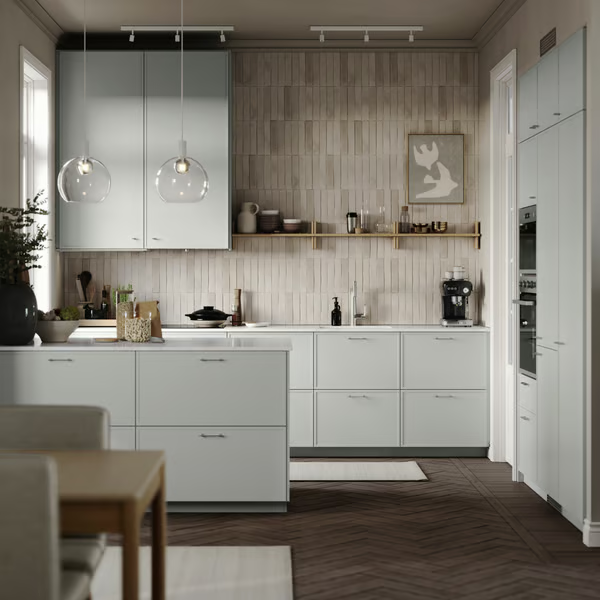
Choosing the right kitchen cabinets can completely redefine your cooking space. Each carefully selected kitchen cabinet contributes to a harmonious design.
Navigating a major remodeling project requires careful consideration of materials, spatial layouts, and budgetary constraints. Homeowners across Canada are consistently seeking innovative ways to achieve a luxurious, custom built look.
They want to avoid the exorbitant costs and extended timelines traditionally associated with bespoke millwork. By choosing a high quality flat pack kitchen cabinet, you gain unparalleled control over your design narrative. Every kitchen cabinet you install adds tangible value.
This comprehensive guide delves deep into the selection process for your ideal kitchen layout. We explore material science, advanced layout planning, and meticulous organizational strategies.
We also cover geographic considerations for urban and suburban installations across Canada to help you achieve the culinary space of your dreams with the perfect kitchen cabinet.
1. What Are Ready to Assemble (RTA) Storage Solutions?
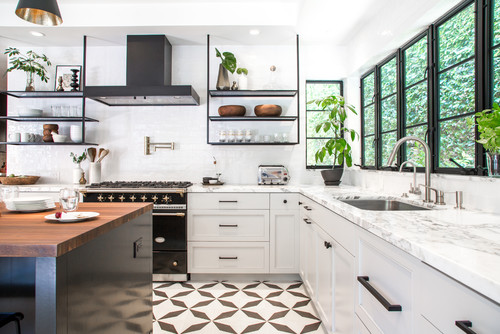
Ready to Assemble (RTA) storage solutions, commonly known as flat-pack units, are precisely manufactured unassembled parts shipped directly to consumers. As of early 2026, the RTA furniture market in North America reached an estimated $5.2 billion, driven by a 15% annual increase in DIY home renovations. They offer premium materials like solid birch and HDF at a fraction of custom-build costs, reducing logistical footprint by up to 60%.
Before embarking on a transformative renovation journey in Canada, it is crucial to understand fundamental mechanics. You must learn the industry terminology surrounding modern storage solutions.
The market is broadly categorized into pre assembled units and fully custom builds. A popular alternative is finding a ready to assemble kitchen cabinet unit.
1.1. What Exactly Are Flat Pack Units?
A modular kitchen cabinet is a precisely manufactured storage box. It is shipped directly from the factory in individual pieces rather than as fully constructed boxes.
A high quality premade kitchen cabinet offers the perfect blend of durability and affordability for Canadian homeowners. Each kitchen cabinet package contains all the necessary components required to build a complete unit.
This includes the box panels, face frames, doors, drawer boxes, glides, hinges, and essential assembly hardware.
The primary distinction between flat pack systems and traditional options lies in the manufacturing model. Because the units are not built prior to shipping, they consume significantly less space in warehouses—often taking up 60% less volume than pre-assembled counterparts.
This highly efficient logistical approach reduces overhead, storage, and transportation costs. Manufacturers pass these substantial financial savings (often 30% to 50%) directly to the consumer.
Despite arriving unassembled, a premium kitchen cabinet utilizes high grade materials. You will find solid birch and robust plywood typically seen in luxury showrooms.
1.2. The Evolution of Flat Pack Storage
Historically, flat pack furniture carried an unfair stigma, often associated with flimsy particleboard. However, the modern industry has undergone a technological renaissance.
Today leading manufacturers utilize computer numerical control machining to cut wood panels with microscopic precision, operating within tolerances of 0.1 millimeters. This technological advancement ensures that every dovetail joint aligns perfectly.
Consequently, the structural integrity of a modern kitchen cabinet frequently surpasses standard builder grade units. Opting for a reliable kitchen cabinet alternative saves you from unpredictable custom build delays in Canada.
2. Why Should You Choose Modular Solutions for Your Canadian Renovation?
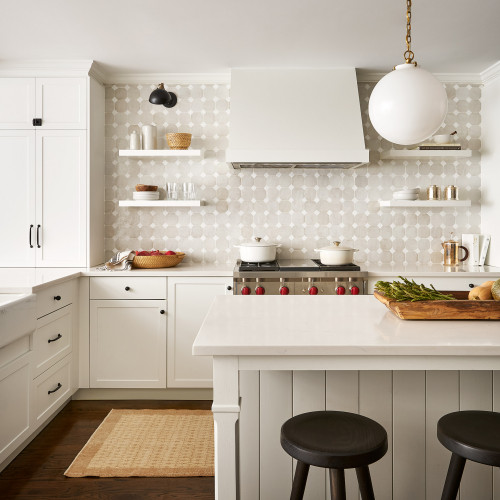
Choosing modular solutions can reduce your total kitchen renovation costs by up to 40% compared to custom millwork. Recent 2026 data shows that Canadian homeowners save an average of $6,500 to $12,000 on labor and shipping by opting for flat-pack units, while concurrently cutting delivery timelines from a frustrating 12-16 weeks down to just 7-14 days.
Selecting the right foundation for your culinary space is a decision that impacts your daily life for decades. The advantages of flat pack systems extend far beyond the initial purchase price.
They offer a holistic suite of benefits. A single kitchen cabinet can streamline the entire remodeling experience from start to finish. Every new kitchen cabinet improves organization.
2.1. Significant Cost Savings Without Compromising Quality
The most compelling argument for modular systems is the dramatic reduction in overall project expenditure. Finding a low price kitchen cabinet does not mean sacrificing premium features.
A well-made kitchen cabinet reduces long-term expenses. Traditional custom millwork requires extensive skilled labor for both construction and installation. This drives prices into the tens of thousands, often averaging $25,000 to $40,000 for a standard Canadian home.
Pre assembled retail units still embed the cost of factory labor into their retail price. By taking on the assembly process yourself, you eliminate the premium markups associated with factory construction.
Finding a cheaper price on materials allows budget conscious Canadian homeowners to reallocate funds. You can invest in luxury upgrades like high end quartz countertops or professional grade stainless steel appliances.
Every kitchen cabinet you assemble yourself keeps money in your pocket. Building your own kitchen cabinet is highly rewarding.
2.2. Faster Turnaround and Delivery Times
Waiting for a custom kitchen cabinet takes months. Traditional custom woodworking often involves agonizingly long lead times, sometimes ranging from twelve to sixteen weeks.
This extended waiting period can paralyze a Canadian remodeling project. Families are left without a functional cooking space for months. Conversely, finding an in stock kitchen cabinet means rapid fulfillment because they are kept in active inventory.
Once an order is finalized, these flat packed boxes can often be shipped from the warehouse within days. They arrive at your doorstep in under two weeks.
This rapid fulfillment schedule is an absolute game changer for projects operating on tight deadlines. A readily available kitchen cabinet keeps your project moving swiftly.
2.3. Unprecedented Flexibility and Customization Options
A common misconception is that modular, unassembled systems limit your creative freedom. In reality, the modular nature offers incredible versatility.
Manufacturers provide an expansive catalog of unit dimensions, including base cupboards, wall units, and tall pantry towers. By mixing and matching standard sizes, you create a customized layout.
Finding the perfect kitchen cabinet fit ensures a seamless integration for any architectural nuance. Furthermore, the availability of specialized finishing elements allows you to achieve a deeply personalized aesthetic.
You can incorporate decorative crown molding, light valances, decorative end panels, and custom corbels. Every individual kitchen cabinet contributes to a beautifully cohesive built in appearance that enhances your Canadian property.
3. Decoding Cupboard Materials and Construction Quality
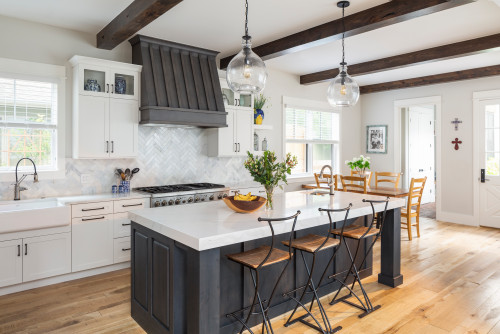
The longevity and durability of your investment depend entirely on the physical materials used. This includes the construction of the boxes, doors, and drawers.
Understanding these materials empowers you to make an informed, value driven purchasing decision. A durable kitchen cabinet base requires high quality core components. Evaluating each kitchen cabinet material is essential.
3.1. Solid Wood vs Plywood vs MDF
The structural core of the storage box is arguably its most critical component.
- Plywood Construction: Premium systems utilize furniture grade plywood for the sides and back panels. Plywood provides exceptional dimensional stability, making the box highly resistant to temperature fluctuations. This is a vital characteristic for any Canadian cooking environment. A plywood based kitchen cabinet resists warping and expanding over time.
- Medium Density Fiberboard: MDF is an engineered wood product. It is incredibly dense and perfectly smooth, making it the absolute best material for painted doors. Unlike solid wood, a painted MDF kitchen cabinet door will never crack at the joints.
- Solid Wood: While solid hardwood is rarely used for hidden box construction due to weight, it remains the gold standard for stained doors. Solid wood offers unparalleled natural beauty and robust strength for your kitchen cabinet.
3.2. Hardware Matters: Hinges, Glides, and Brackets
A storage kitchen cabinet is only as reliable as its moving parts. High quality systems feature premium, heavy duty hardware that elevates the user experience.
- Soft Close Hinges: Six way adjustable concealed European hinges prevent doors from slamming shut. This preserves the peace of your home. It also protects your kitchen cabinet unit from physical impact damage over time.
- Undermount Drawer Glides: Full extension glides allow you to pull the box out entirely, granting complete access.
- Dovetail Drawer Boxes: The hallmark of premium construction is the dovetail joint. It secures drawer sides together without mechanical fasteners. It creates an incredibly strong kitchen cabinet drawer capable of supporting heavy loads up to 75 lbs per drawer.
3.3. Comparative Analysis of Cupboard Materials
Selecting optimal materials ensures your investment lasts for generations. A well constructed kitchen cabinet withstands daily residential use with ease.
4. Storage Solutions in Toronto: Navigating Urban Renovations
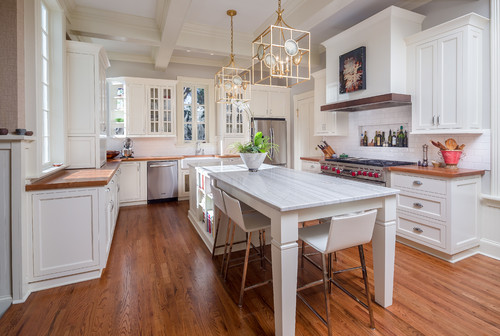
Executing a renovation in Toronto presents a unique set of logistical and architectural challenges. The right kitchen cabinet design makes all the difference in tight spaces. Finding the ideal urban kitchen cabinet is key.
Homeowners often consult the best kitchen suppliers to find the most efficient layouts. The housing landscape in Canada largest metropolis is incredibly diverse. It ranges from ultra modern high rise condominiums to historic Victorian homes.
4.1. Tailoring Designs for Toronto Condos
Space is an absolute premium for Toronto condos. The compact footprints of downtown apartments necessitate highly strategic storage solutions. Flat pack systems are particularly advantageous in these environments due to their ease of transport.
Navigating a bulky pre assembled kitchen cabinet through narrow condo hallways is a logistical nightmare. Because flat pack boxes arrive disassembled, they can be easily transported via standard elevators.
Maximizing vertical space is crucial in condo design. Utilizing upper wall units that stretch completely to the ceiling provides massive amounts of additional storage. Incorporating sleek slab doors on each kitchen cabinet complements the contemporary downtown aesthetic.
4.2. Historic Toronto Homes and Modern Upgrades
Toronto homeowners living in older properties often face the challenge of updating while respecting historic charm. These homes frequently feature uneven floors, out of plumb walls, and quirky architectural bump outs.
The modular nature of these systems allows for the intelligent use of filler strips. This seamlessly bridges gaps between a perfectly square kitchen cabinet unit and asymmetrical heritage walls.
Opting for classic Shaker style doors in crisp whites or deep navy blues bridges the gap between traditional architecture and modern functionality. This creates a timeless environment that honors the city architectural legacy. Selecting a versatile kitchen cabinet design honors both the past and present aesthetics of the home.
5. Expanding Suburban Spaces in Mississauga
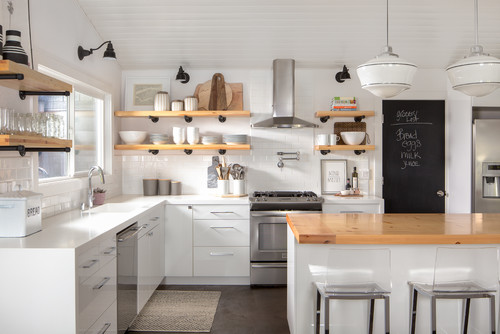
Just west of the city limits, the renovation landscape shifts significantly. When planning a comprehensive kitchen renovation, finding the right storage solutions is crucial to both the functionality and beauty of your home.
A larger kitchen cabinet setup accommodates growing families. While big-box stores offer standard options, working with professional cabinet makers allows you to achieve a truly personalized look.
By opting for top-tier cabinet services, homeowners can transform their cooking spaces with stunning customized cabinets that perfectly fit their unique floor plans. If you are looking to upgrade your storage, collaborating with experienced kitchen designers ensures that every inch of space is maximized.
For those specifically seeking high-quality kitchen cabinet Mississauga options, there are numerous local experts ready to bring your dream kitchen to life, blending expert craftsmanship with modern design trends.
5.1. Maximizing Storage in Mississauga Townhouses
For families residing in Mississauga townhouses, balancing open living areas with adequate storage is the primary goal. Working with a dedicated kitchen cabinet supplier guarantees you get the right dimensions.
These homes often feature long galley style or L shaped layouts. Utilizing high quality modular units allows homeowners to build massive multi functional islands. A well placed kitchen cabinet island base can double your under counter storage capacity.
Accessing local suppliers in Canada ensures that homeowners can easily source specific trims and matching toe kicks. They avoid long cross border shipping delays and keep projects on track. A locally sourced kitchen cabinet supply keeps your renovation timeline moving perfectly.
5.2. Large Scale Renovations for Detached Mississauga Homes
Owners of large detached Mississauga homes frequently undertake massive down to the studs renovations. In these expansive environments, the cost savings of utilizing flat pack systems become exponentially more apparent.
Outfitting a large U shaped layout with custom millwork can easily exceed sixty thousand dollars. Choosing a ready to assemble kitchen cabinet unit achieves the same grand scale.
By leveraging premium solutions, homeowners can achieve a luxurious aesthetic for a fraction of the cost. This allows for the inclusion of highly specialized organizational units like built in wine racks.
The robust delivery networks servicing the Greater Toronto Area ensure that these large orders arrive safely. Every kitchen cabinet box reaches your suburban driveway efficiently.
6. Step by Step Guide to Planning Your Layout
A successful renovation is heavily dependent on meticulous planning long before the first box is ordered. Designing an efficient layout requires a deep understanding of ergonomics, spatial flow, and safety clearances.
The classic Work Triangle connects the center of the sink, stove, and refrigerator. Today, modern Canadian culinary spaces often require Zone Planning. Each kitchen cabinet section must serve a specific functional area efficiently.
- Consumables Zone: The refrigerator and pantry areas for storing fresh and dry foods.
- Non Consumables Zone: Storage for everyday dishes, bowls, glasses, and silverware.
- Preparation Zone: The primary stretch of countertop space, ideally located between the sink and stove.
- Cooking Zone: The area immediately surrounding the range, oven, and microwave.
- Cleaning Zone: The sink, dishwasher, and pull out trash receptacles.
6.1. Measuring Your Space Accurately
Flawless installation begins with absolute precision in measurement. A discrepancy of even half an inch can derail an entire layout. This ensures your new kitchen cabinet setup fits perfectly.
- Draft a Floor Plan: Use grid paper to sketch the exact shape of your room.
- Measure the Perimeter: Record the length of every wall from the floor up to the ceiling.
- Locate Openings: Measure the exact width of all windows and doors.
- Identify Utilities: Accurately mark center points of existing plumbing and electrical lines.
- Note Architectural Obstacles: Account for radiators, bulkheads, and load bearing columns.
6.2. Choosing the Right Configuration
Based on your meticulous measurements, select the configuration that best maximizes your specific footprint.
- The Galley: Characterized by two parallel runs of kitchen cabinet cupboards, highly efficient for single cooks in tight apartments.
- The L Shape: Utilizing two adjoining walls, this layout naturally opens up the room.
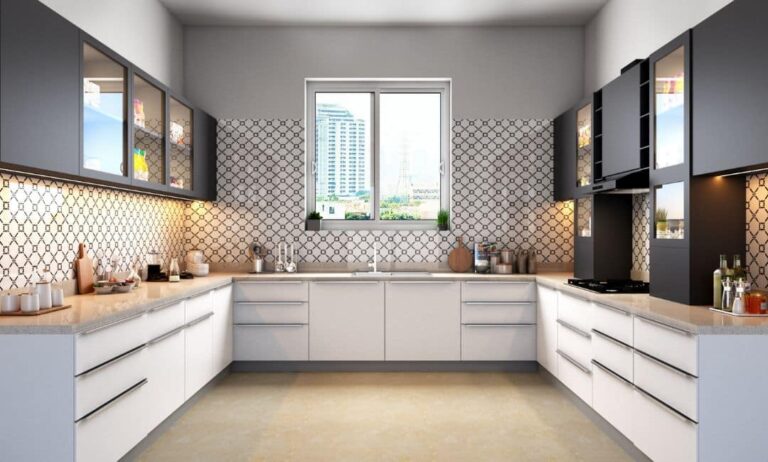
- The U Shape: Covering three walls, this design provides massive continuous countertop space ideal for large suburban homes.
7. The Assembly and Installation Process Explained
The prospect of assembling an entire kitchen cabinet layout may seem daunting, but premium systems are engineered specifically for straightforward construction.
With the right tools and a methodical approach, achieving a professional grade build is highly accessible.
7.1. Essential Tools Required for Assembly
- A high quality cordless drill with multiple torque settings.
- A non marring rubber mallet for gently tapping joints into place.
- A comprehensive set of screwdrivers.
- A high quality carpenter square.
- Wood glue to reinforce joints and ensure long term stability. Ensure every kitchen cabinet box is absolutely square before the glue sets.
- Bar clamps to hold panels tightly together while mechanical fasteners are secured.
7.2. Step by Step Construction Methodology
- Preparation: Clear a large staging area to prevent scratching finishes. Open one box at a time.
- Box Assembly: Apply a consistent bead of wood glue to all interlocking grooves and dovetail joints.
- Securing the Structure: Use provided cam locks to secure panels.
- Back Panel Installation: Attach the back panel to provide crucial structural rigidity.
- Hardware Application: Install undermount drawer glides and attach hinge mounting plates.
- Final Touches: Assemble drawer boxes, slide them into the kitchen cabinet glides, and attach doors.
7.3. DIY Assembly vs Hiring a Professional Contractor
While assembling the kitchen cabinet boxes is a highly rewarding DIY project, the actual installation requires precision.
Hanging the wall units level and securing base units firmly to the wall studs requires experience. If your walls are heavily bowed, hiring a professional carpenter for the installation phase is highly recommended.
8. Maximizing Organization Inside Your New Units
A beautiful exterior is only half of the renovation equation. True efficiency is achieved through intelligent internal organization.
Deep base kitchen cabinet cupboards can often become dark abysses where pots and pans are lost. Installing heavy duty full extension roll out trays fundamentally changes this dynamic.
For tall pantry units, multi tiered pull out racks allow you to access dry goods from both sides simultaneously.
8.1. Conquering the Corner Storage Spaces
Corners are notoriously difficult to utilize effectively. Traditional blind corners are ergonomic nightmares.
To solve this, implement advanced organizational hardware. The classic Lazy Susan featuring rotating circular shelves remains highly effective.
For a more modern approach, Magic Corner pull outs feature articulated metal shelving systems. These physically pull the hidden contents of the blind corner kitchen cabinet entirely out into the main room space.
8.2. Drawer Inserts and Vertical Dividers
Drawers are inherently more ergonomic than standard base kitchen cabinet cupboards with doors, but they require strict internal management.
- Cutlery and Utensil Trays: Utilize custom sized wooden or acrylic dividers to separate forks and knives.
- Peg Systems for Dishes: Deep base drawers outfitted with adjustable pegs provide secure alternatives to stacking heavy plates.
- Vertical Tray Dividers: Install vertical wooden slats above the oven to store baking sheets and cutting boards.
9. Maintenance and Care for Long Lasting Beauty
Protecting your kitchen cabinet investment requires establishing a consistent and gentle maintenance routine. High quality finishes are designed to withstand daily residential use across Canada.
However, aggressive chemicals or prolonged exposure to moisture can cause irreversible damage. Dust and light splatters should be addressed daily using a soft damp microfiber cloth.
9.1. Cleaning Protocols for Different Finishes
- Routine Wipedowns: Dust and light splatters should be addressed daily using a soft damp cloth.
- Deep Cleaning: For stubborn grease buildup, mix a solution of mild dishwashing liquid and warm water.
- What to Avoid: Never use abrasive scouring pads or harsh chemical cleaners on your kitchen cabinet.
9.2. Moisture and Environmental Management
Wood naturally absorbs and releases moisture in response to its environment. To prevent your kitchen cabinet from warping, utilize your stove ventilation hood to extract excess steam.
Clean up water spills around the sink base immediately. Maintaining a consistent indoor humidity level provides the optimal environment for the longevity of your millwork.
Conclusion: Making the Right Investment for Your Canadian Home
Embarking on a remodel is a profound commitment of time, energy, and financial resources. However, the rewards of cooking and entertaining in a meticulously tailored space are immeasurable.
By opting for a premium kitchen cabinet solution, you bypass inflated costs. You avoid the frustrating delays of traditional renovation methods without sacrificing quality or style.
Whether maximizing a compact urban footprint or updating a sprawling suburban home, modern solutions provide the foundational building blocks for success.
By carefully selecting robust materials and meticulously planning your layout, your newly transformed culinary space will thrive. Your new kitchen cabinet layout will serve as the beautiful, highly efficient heart of your home in Canada for generations to come.
We are incredibly ready and delighted to assist you with highly personalized advice from our expert kitchen designers. Contact rtadepot.ca immediately for a customized consultation. Call our friendly experts at +1 888 973 5636.
Visit our Website at https://www.rtadepot.ca/ to explore our stunning collections. Securely lock in your perfect kitchen renovation today. We are proud to be your trusted kitchen suppliers in Canada.