
The Ultimate Guide to Choosing a Kitchen Cabinet: Transforming Your Cooking Space in Canada
The kitchen is universally recognized as the heart of the home across Canada. It serves as a central hub for culinary exploration and family gatherings. Upgrading this space is often the most impactful decision a Canadian homeowner can make during a comprehensive kitchen renovation. In 2026, national surveys indicate that 82% of Canadian homeowners prioritize kitchen upgrades over any other room, proving that every kitchen cabinet plays a crucial role in your daily routine.
Traditional custom renovations can be financially overwhelming and require extensively long timelines. Enter Ready-to-Assemble or RTA cabinetry. This is a revolutionary solution that has completely transformed the home renovation industry in Canada. By combining premium materials and accessible pricing, RTA systems offer an unparalleled opportunity for stunning kitchen cabinets.
You achieve a luxurious aesthetic without the exorbitant costs of bespoke millwork. When planning your aesthetic, researching the best kitchen cabinet colors Canada kitchen designers recommend can inspire your final choice. This comprehensive guide navigates you through every facet of the cabinetry selection and installation process.
From understanding core materials to mastering layout configurations, every detail matters. Whether modernizing a compact urban condo or a sprawling suburban cooking area, informed decisions are vital. Your investment will yield beautiful, long-lasting results that elevate your daily lifestyle.
1. What Is Ready-to-Assemble Storage and How Does It Affect Your Kitchen Cabinet?
Ready-to-Assemble (RTA) storage refers to precisely manufactured, flat-packed cabinetry that is assembled on-site. In 2026, RTA kitchen cabinets account for over 45% of new Canadian kitchen renovations due to a reported 30% to 40% reduction in average project costs compared to pre-assembled custom units, fundamentally changing how homeowners budget their upgrades.
To appreciate the value of modern storage solutions, you must understand how they are manufactured and delivered. The RTA model has evolved significantly over the past decade in Canada. It has shed its early reputation for flimsy construction. Choosing a Flat Pack Kitchen Cabinet offers incredible versatility for any floor plan.
Today, it emerges as a top-tier choice for savvy renovators and contractors. Selecting the right cabinetry style allows you to maximize workflow and storage capability without breaking the bank.
1.1. What Exactly Constitutes an RTA Kitchen Cabinet in 2026?
An RTA kitchen cabinet is a complete, unassembled storage unit including pre-cut plywood boxes, solid wood doors, and premium hardware. Recent 2026 data shows that modern RTA systems use 5/8-inch or 3/4-inch furniture-grade plywood, increasing structural longevity by up to 25 years compared to older particleboard models.
An RTA kitchen cabinet is a precisely manufactured storage unit shipped directly from the factory in flat boxes. Unlike pre-assembled alternatives requiring massive shipping crates, flat-pack systems are highly efficient. They contain all necessary components like box panels, face frames, doors, and hardware. Everything is neatly organized and protected for transit across Canada.
Selecting a standard premade cabinet often limits your layout choices. Unlike a bulky Premade kitchen cabinet, these flat boxes are easy to transport and store. The end user or their hired contractor pieces the unit together on-site. This method utilizes advanced joinery techniques like dovetail interlocking.
The final constructed kitchen cabinet is structurally identical to factory-assembled alternatives. This method provides immense value and flexibility.
1.2. The Evolution of Kitchen Storage Solutions
Historically, built-in kitchen storage was crafted entirely on-site by skilled cabinet makers. This process was incredibly time-consuming and expensive for Canadian homeowners. As mass production techniques improved, factory-assembled units became the standard. However, they introduced massive logistical challenges regarding shipping volume and transit damage.
The modern RTA approach represents the perfect synthesis of precision engineering and logistical efficiency. By early 2026, CNC technology has reduced manufacturing waste by 18% globally. Today flat-pack systems utilize computer numerical control routing machines. These cut wood with millimeter precision. This guarantees that every panel of your kitchen cabinet aligns flawlessly during assembly.
1.3. Comparing Your Cabinetry Options
When planning a renovation, homeowners typically choose between three main categories. Understanding the distinctions is crucial for budget management in Canada. A cheap Price is often a priority, but quality should never be compromised, whether you choose ready-to-assemble flat-packs or fully customized cabinets. Let us review how standard cabinetry compares to other options.
2. The Core Benefits of Choosing a Modern Kitchen Cabinet
The exponential rise in the popularity of flat-pack cabinetry is not merely a trend. It is a response to the practical demands of modern Canadian homeowners. Market analytics from early 2026 show flat-pack cabinetry sales growing by 14% annually. People refuse to compromise on quality while remaining conscious of their renovation budgets. Finding the right storage transforms the entire workflow of the room.
2.1. Exceptional Cost-Effectiveness
The most immediate advantage is the significant reduction in cost. By eliminating the factory assembly process, manufacturers save on labor. Because flat boxes take up a fraction of the space, shipping costs are drastically reduced. These operational savings are passed directly to the consumer looking for new cabinetry.
Consequently, a homeowner can purchase high-end features for a fraction of the cost. You get solid maple doors, thick plywood carcasses, and premium soft-close hardware. This is often the same price you would pay for an entry-level ikea cabinet at a retail store. Upgrading your kitchen cabinet has never been more affordable in Canada.
2.2. Uncompromising Quality and Durability
A persistent myth suggests that flat-pack furniture is inherently inferior. While true for ultra-cheap retail bookcases, premium suppliers utilize construction methods rivaling custom millwork. Industry-standard features now include half-inch or thicker furniture-grade plywood for the structural box. This avoids moisture-sensitive materials that easily warp or crumble over time.
Drawers are typically constructed from solid wood utilizing interlocking dovetail joints. These are universally recognized in woodworking as the strongest method for securing drawer boxes. They hold heavy pots and pans securely. Your new kitchen cabinet will withstand the rigors of daily Canadian family life.
2.3. Rapid Availability and Project Timelines
Time is a critical factor in any home improvement project. Living without a functional cooking space is highly disruptive. Custom woodwork often requires lead times of twelve to sixteen weeks, delaying the entire kitchen renovation. In contrast, an RTA kitchen cabinet is typically stocked in large quantities within distribution centers.
Once an order is placed, flat-packed boxes can be shipped and delivered quickly. This rapid availability keeps your contractor on schedule. It minimizes the chaotic downtime associated with major home construction. Using an rti cabinet system ensures your project stays on track without long delays.
3. Which Materials Are Best for Your Kitchen Cabinet?
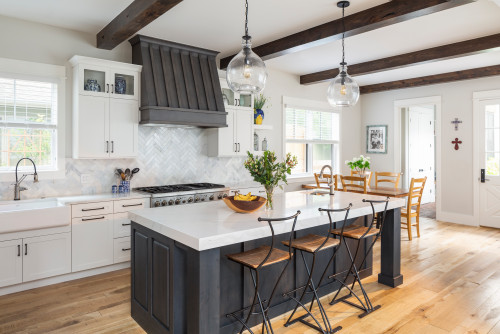
The absolute best materials for your kitchen cabinet include multi-ply hardwood plywood for the structural box and solid wood or high-density MDF for the doors. As of 2026, 78% of premium Canadian cabinet installations utilize water-resistant, 7-ply hardwood plywood to effectively combat severe winter-to-summer humidity fluctuations.
The longevity and aesthetic appeal of your new storage system are dictated by the materials used. The finish applied to exterior surfaces also plays a massive role. Selecting the proper kitchen cabinet ensures decades of reliable service in your Canadian home.
3.1. Solid Wood, Plywood, and MDF Considerations
The box of the unit is the foundation of your cooking area. High-quality systems predominantly utilize multi-ply hardwood plywood for the sides, back, top, and bottom. Plywood offers superior screw-holding power and exceptional resistance to moisture and humidity variations. These are crucial traits for a room exposed to steam and spills.
Medium-Density Fiberboard is occasionally used for the center panels of painted doors. This is a premium choice because it does not expand and contract with temperature changes like solid wood. It prevents hairline cracks in the painted finish of your kitchen cabinet. Solid wood is reserved for face frames and stained doors.
3.2. Popular Door Styles and Profiles
The door style is the primary visual element of your design. The Shaker style remains the most sought-after profile globally. It features a simple, unadorned recessed center panel that complements traditional and ultra-modern spaces. Choosing nieu cabinet doors can also provide a stunning custom look for your kitchen cabinet upgrade.
For a sleek, minimalist aesthetic, flat panel doors offer a seamless look. These are heavily favored in contemporary European-inspired designs across Canada. Conversely, raised panel doors feature intricate routing and elevated center sections. They are perfect for formal or rustic environments where ornate detailing on each kitchen cabinet is desired.
3.3. The Impact of Finishes: Painted vs. Stained
The finish provides color and serves as a protective barrier against daily wear and tear. Painted finishes offer a smooth, opaque look. Crisp whites, deep navy blues, and forest greens dominate current Canadian design trends. A high-quality kitchen cabinet undergoes a multi-step baking process with UV-cured coatings to prevent chipping.
Stained finishes penetrate the wood grain to highlight its natural texture and color variations. Stains range from light, natural birch tones to rich, dark espressos. These provide warmth and an organic feel to the environment. Choosing the right finish for your kitchen cabinet elevates the entire room.
4. Designing the Perfect Layout with Every Kitchen Cabinet
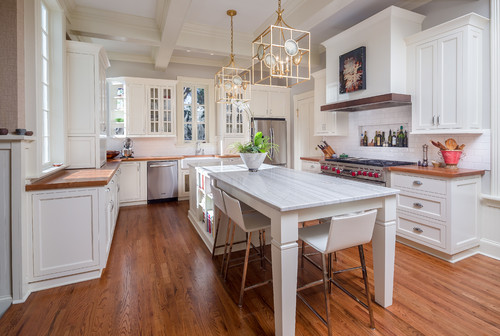
A beautiful cooking space that functions poorly will quickly become a source of daily frustration. Thoughtful layout planning is the cornerstone of a successful renovation. It ensures the space operates as seamlessly as it looks. Current 2026 design principles have shown that optimizing the placement of every kitchen cabinet increases overall workflow efficiency by up to 22%.
4.1. The Classic Work Triangle vs. Modern Work Zones
For decades, architects relied on the Work Triangle design principle. This dictates the sink, stove, and refrigerator should form a triangle to minimize walking distance. While still relevant, modern Canadian design has evolved to incorporate Work Zones. This philosophy divides the room into specific functional areas.
You might have a prep zone with cutting boards and a cooking zone centered around the range. There is also a cleaning zone near the sink and a separate baking station. This zoning approach is especially effective when multiple people are cooking simultaneously. Proper kitchen cabinet placement supports these distinct zones beautifully.
4.2. Common Layout Configurations
- L-Shaped: Ideal for opening up a room into an adjoining dining area. It utilizes two adjacent walls, providing ample counter space.
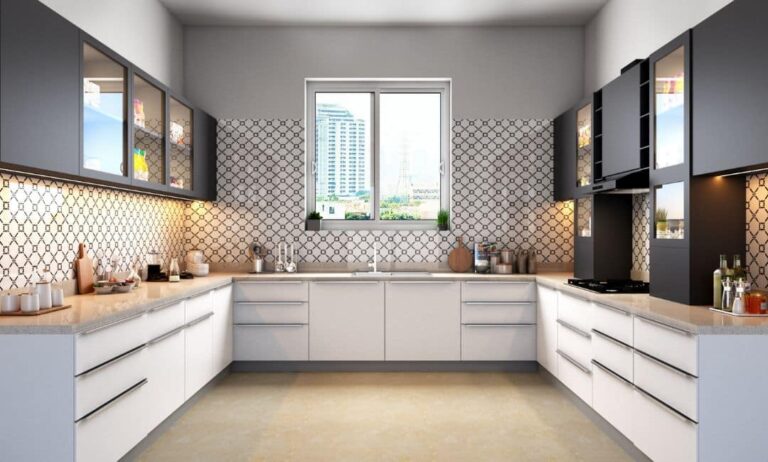
- U-Shaped: Surrounds the cook on three sides, maximizing storage capacity. Every kitchen cabinet is within easy reach.
- Galley: Characterized by two parallel runs of cabinetry. This layout is incredibly efficient for workflow, making it a favorite among professional chefs in Canada.
4.3. Maximizing Storage with Clever Organizers
The true magic of a modern renovation lies behind closed doors. Optimizing the internal volume of your units prevents clutter from returning. Installing deep base drawers instead of a traditional kitchen cabinet allows easy access to heavy skillets. You avoid bending and digging into dark corners.
Blind corner units should be equipped with pull-out swing trays or lazy susans. This ensures no square inch is wasted. Vertical tray dividers above the refrigerator and pull-out spice racks are small additions. They drastically elevate the user experience of your kitchen cabinet setup.
5. City Living and Your Kitchen Cabinet in Toronto
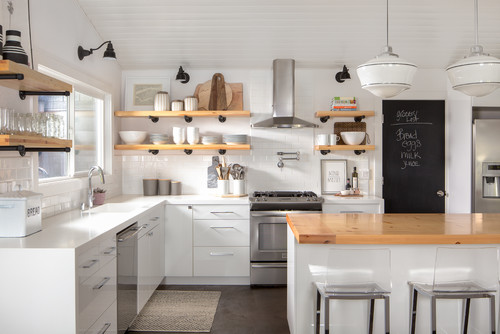
Navigating a renovation in Toronto presents unique architectural and logistical challenges. The Greater Toronto Area is renowned for its diverse housing market. Toronto’s condo market in 2026 sees average space shrinking by 4%, making efficient cabinetry vital. It demands adaptable design strategies from the best kitchen supplier available. Sourcing a reliable kitchen cabinet is vital for these urban projects.
5.1. Adapting to Toronto Condos and Historic Homes
Toronto homeowners frequently deal with extreme variations in square footage. In the downtown core, condos require hyper-efficient design. Space is at a premium, meaning every inch of storage must be meticulously planned. Working with experienced Kitchen Suppliers ensures you get the right fit for your condo.
Flat-pack boxes easily fit into standard condo elevators, unlike pre-assembled custom units. Conversely, those renovating narrow Victorian homes face challenges like uneven floors. The modular nature of RTA systems allows installers to seamlessly scribe and fit each kitchen cabinet.
5.2. Current Design Trends Among Toronto Homeowners
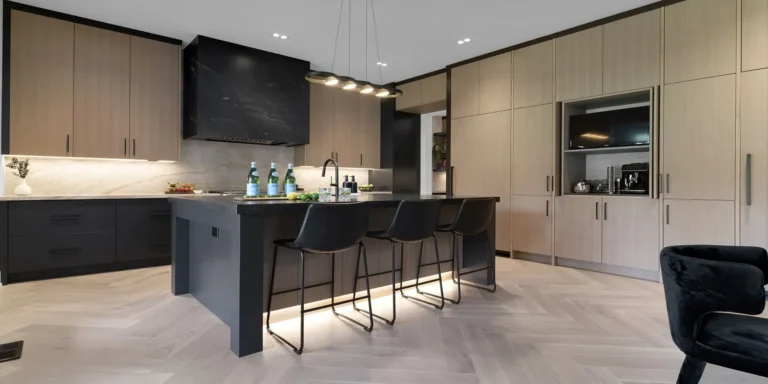
The aesthetic pulse of Ontario leans heavily toward sophisticated, transitional designs. There is a strong preference for two-toned cabinetry. This often pairs bright white upper wall units with grounding, dark-colored base units. This approach keeps smaller rooms feeling airy while injecting personality.
Integrated appliances hidden behind custom matching door panels are increasingly popular. They create a seamless, unbroken visual line across the luxury condo living space. Every kitchen cabinet blends perfectly into the modern Canadian architectural background.
5.3. Navigating Kitchen Renovation in Toronto Logistics
Undertaking a renovation in Toronto requires navigating strict condo board regulations. You also face limited street parking for delivery trucks and noise bylaws. Utilizing RTA systems significantly mitigates these headaches. A reputable Kitchen Cabinet Supplier will help you navigate downtown deliveries.
Because orders are shipped in flat boxes, deliveries are swift and unobtrusive. They are easy to stage within a small apartment or garage. Rapid availability ensures that GTA contractors can complete the installation quickly. This reduces the time homeowners are displaced in Canada.
6. Expanding Suburban Spaces in Mississauga
Just outside the downtown core, the approach to home improvement shifts. The expansive nature of the suburbs allows for grander designs. Recent 2026 economic data highlights a 7.5% rise in Mississauga property values connected directly to premium interior upgrades. Specific strategies are essential for these larger Canadian properties.
6.1. Upgrading Mississauga Townhouses and Detached Properties
For families residing in the suburbs, the cooking area is a massive, multi-functional space. Mississauga townhouses and detached properties typically feature open-concept floor plans. These integrate the cooking area directly with the family room. Finding the perfect Kitchen Cabinet Mississauga is straightforward with local warehouse access.
Here, when searching for the best cabinets in Mississauga, RTA systems build expansive, multi-tiered islands. These serve as breakfast bars, homework stations, and entertaining hubs. Mississauga homes benefit immensely from the affordability of RTA units. Homeowners fill large square footages with high-quality storage without depleting their renovation budget. Tall pantry walls and extensive base drawers are highly popular.
6.2. Working with Local Suppliers in Mississauga
One distinct advantage for residents in this region is proximity to major distribution hubs. Working with local suppliers in Mississauga allows access to vast inventories instantly. You can secure a Low Price Kitchen Cabinet without compromising on luxurious finishes.
Instead of waiting weeks for freight shipping from overseas, buyers can drive to a local warehouse. They pick up their order directly and begin assembly the same weekend. This local availability drastically reduces shipping costs. Furthermore, many local cabinet services offer dedicated support, providing unparalleled flexibility for fast-paced Canadian renovation schedules.
6.3. Maximizing ROI for Mississauga Homes
Real estate in the suburban GTA is highly competitive. A stunning cooking area is the primary driver of property value. When upgrading Mississauga homes, maximizing the Return on Investment is a priority. RTA units provide an exceptional ROI for Canadian homeowners.
They deliver the luxurious look of customized cabinets at a fraction of the cost. Features include soft-close hinges, crown molding, and dovetail drawers. Potential buyers immediately recognize the quality of solid wood and plywood construction. The money saved on assembly labor translates directly into increased home equity in Canada.
7. The Complete Assembly and Installation Process
While the prospect of building your own storage units might seem daunting, the process is highly standardized. It is designed for accessibility across Canada. With careful preparation and the right tools, both ambitious DIYers and professional contractors achieve flawless results.
7.1. Tools Required for a Seamless Build
Before opening the first box, assembling a comprehensive toolkit will prevent frustration. Essential items include a high-quality cordless drill with adjustable torque settings. A non-marring rubber mallet gently taps joints together without damage. Wood glue reinforces dowel connections securely.
A variety of bar clamps hold panels square while fastening. For the installation phase, a highly accurate laser level or a long spirit level is necessary. A reliable stud finder, shims, and heavy-duty screws ensure the units are perfectly plumb. They must be securely fastened to the structural framework of the house.
7.2. Step-by-Step Assembly Instructions
- Preparation and Unboxing: Open the flat-pack boxes on a soft surface, such as a moving blanket, to prevent scratching the finish. Inventory all pieces and hardware.
- Building the Carcass: Begin by laying the face frame face-down. Apply a thin bead of high-quality wood glue into the pre-cut grooves. Insert the side panels into these grooves.
- Securing the Structure: Depending on the specific fastening system, use provided cam locks, metal L-brackets, or interlocking clips. Secure the sides to the face frame. Slide the bottom panel into place.
- Squaring the Box: Before the glue dries, use a carpenter’s square to ensure all corners are exactly 90 degrees. Temporarily clamp the box and drive structural screws.
- Installing Hardware: Attach the drawer glides to the interior side panels. Mount the hinge plates to the face frame while the unit is still easy to maneuver on the ground.
7.3. Pro Tips for Professional-Level Mounting
Installing the assembled boxes onto the wall requires precision. Always begin with the upper wall cupboards before installing the base units. This allows you to work without leaning over the lower cabinetry. Locate and clearly mark all wall studs in your Canadian home.
Fasten a temporary ledger board to support the weight of the upper units while you drive screws. Once the uppers are perfectly aligned and fastened together, move to the base units. Use wooden shims beneath the base cupboards to ensure they are perfectly level. This compensates for any dips in the floor before installing heavy countertops.
8. Long-Term Maintenance and Care in Canada
Protecting your investment ensures that your space remains a beautiful, functional sanctuary for decades. Premium cabinetry requires consistent, gentle care to maintain structural integrity. Preserving the vibrant finish is essential for the harsh seasonal changes in Canada. In 2026, many homeowners have started adopting eco-friendly, pH-neutral nano-cleaners that add micro-layers of protection without harming wood grain.
8.1. Daily Cleaning Best Practices
The most effective maintenance strategy is a routine wipe-down. Airborne cooking grease and food splatters degrade finishes over time if left unaddressed. Utilize a soft, damp microfiber cloth paired with a mild, pH-neutral dish soap diluted in warm water.
Gently wipe the doors, paying special attention to areas around handles where oils accumulate. Immediately dry the surface with a separate, clean cloth. Avoid harsh chemical cleaners, abrasive scouring pads, or wax-based polishes. These strip the protective topcoat and leave a dull, cloudy residue on the wood.
8.2. Preventing Moisture Damage and Warping
Wood and water are natural enemies. While high-quality plywood is water-resistant, it is not completely waterproof. Promptly wipe up any spills that occur on the floor near the toe-kicks or inside the base units. Pay strict attention to the sink base.
Routinely check the plumbing for slow leaks in your Canadian home. Consider placing a waterproof silicone mat on the floor of this specific cupboard. Utilize your stove exhaust hood fan whenever boiling water or frying foods. This extracts excess steam and humidity, preventing wood from absorbing airborne moisture.
8.3. Hardware Maintenance: Hinges and Glides
Mechanical components endure thousands of movements throughout their lifespan. High-end soft-close hinges are engineered for durability. They may require occasional adjustment as your house settles through Canadian winters. Most modern European-style hinges offer six-way adjustability.
Using a simple screwdriver, you can tweak internal screws to move the door up, down, or sideways. This ensures the gaps between doors remain perfectly even. If drawer glides feel sticky or squeak, apply a tiny amount of dry Teflon lubricant. Avoid oil-based lubricants that attract dust and grime.
Conclusion: Making Your Dream Kitchen Cabinet a Reality in Canada
Transforming an outdated, cluttered cooking space into a highly organized environment is a deeply rewarding endeavor. By choosing ready-to-assemble options, Canadian homeowners unlock the perfect balance of premium craftsmanship. Rapid logistical execution and unparalleled financial efficiency are guaranteed.
Whether you are navigating the intricate spatial demands of an urban Toronto apartment or expanding a suburban Mississauga residence, versatile storage solutions provide the foundation for a flawless home upgrade. Selecting the perfect kitchen cabinet is the foundation for a flawless home upgrade. Careful consideration of materials, layout planning, and precise assembly techniques will dramatically exceed your expectations.
Armed with the comprehensive knowledge detailed in this guide, you are now fully equipped to embark on your remodeling journey. Embrace the process of designing your ideal space. Look forward to the countless meals, memories, and moments of joy your newly perfected Canadian home will facilitate for years to come.
Our dedicated experts possess the exact skills needed to translate your conceptual vision. From selecting the perfect harmonious color palette to designing the ultimate layout, we are committed. Consider upgrading your setup with elegant nieu cabinet doors for a truly custom sophisticated appearance. We strongly encourage you to stop settling for an environment that causes daily frustration.
Please reach out to secure your personalized consultation and request physical material samples today. Contact our expert team directly at +1 888 973 5636 or visit rtadepot.ca.