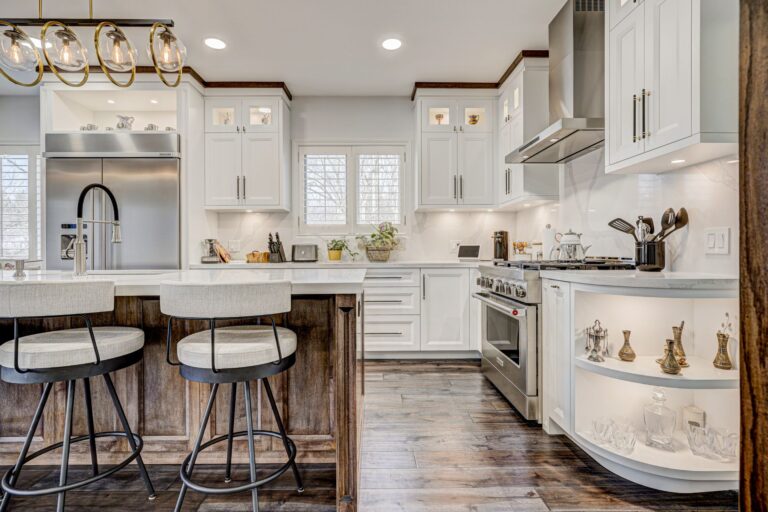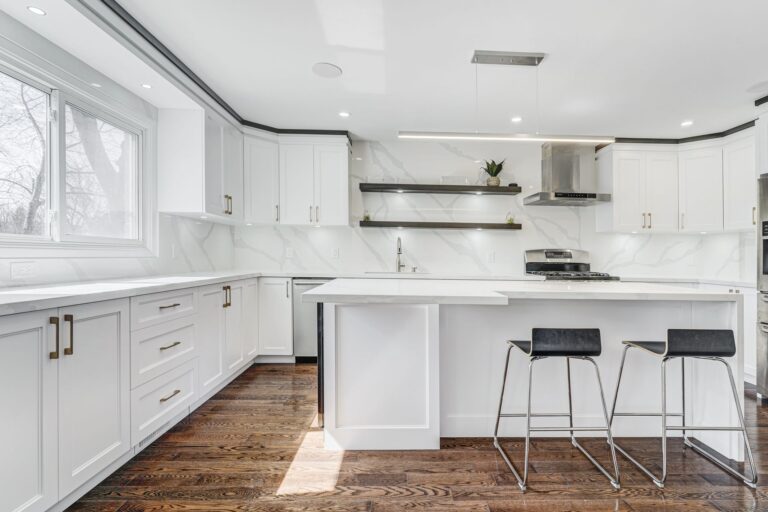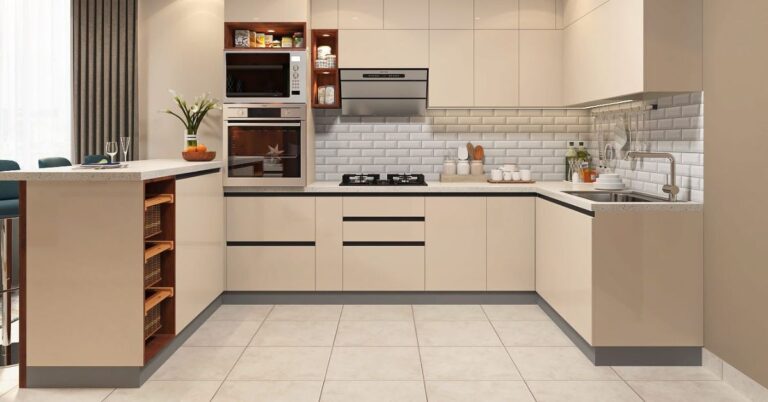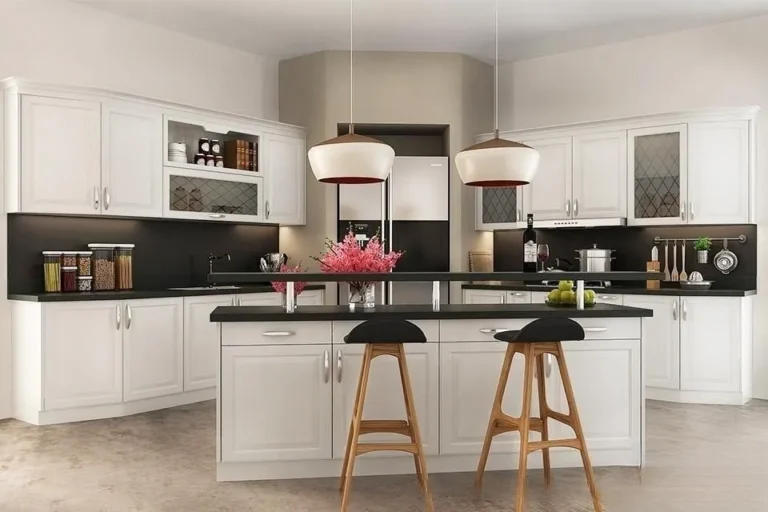

The Complete Guide to Elevating Your Home with RTA Kitchen Cabinetry in Canada
Upgrading a culinary space is a significant milestone for Canadian property owners aiming to enhance both daily functionality and long-term real estate value. Among the numerous options available in the renovation market, ready-to-assemble units have emerged as a premier choice. Finding the right kitchen cabinet balances aesthetics, structural integrity, and financial efficiency.
Transforming an outdated cooking area into a modern, highly organized environment requires a deep understanding of materials, spatial planning, and local logistics. Whether dealing with a compact urban footprint or an expansive suburban layout, selecting the ideal kitchen cabinet directly impacts the success of your entire kitchen renovation project.
This comprehensive guide explores every facet of planning, purchasing, and installing these versatile interior elements and kitchen cabinets for Canadian homeowners. By examining architectural nuances, material science, and detailed assembly protocols, property owners gain the necessary knowledge to execute a flawless home improvement endeavor. Every kitchen cabinet you install brings you closer to your dream home.
1. Understanding the Fundamentals of Ready-to-Assemble Cabinetry
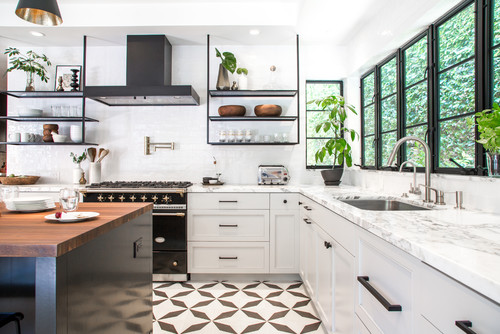
The Canadian home improvement industry has witnessed a massive shift toward modular and user-assembled furnishings. Modern manufacturing techniques now allow factories to produce highly precise, durable components that rival traditional custom carpentry previously dominated by local cabinet makers. A single kitchen cabinet can now offer premium features previously reserved for luxury builds.
1.1. The Evolution of Modular Design
Historically, user-assembled furniture was associated with temporary or lower-tier housing solutions. Today, advancements in computer numerical control routing and edge-banding technology have revolutionized the sector. Manufacturers now utilize premium woods, high-density fiberboards, and robust hardware to create a kitchen cabinet that delivers exceptional longevity.
These units are flat-packed, which significantly reduces shipping volumes and warehousing expenses. These savings are directly passed on to the consumer, making high-end design accessible without the premium price tag. Choosing a reliable Premade kitchen cabinet can instantly streamline your renovation timeline. Using a premade cabinet is highly efficient.
1.2. Core Components and Engineering
A standard modular unit consists of several key elements engineered for seamless integration. The box, often constructed from furniture-grade plywood, provides the foundational strength for each kitchen cabinet. The face frame or frameless structure dictates the aesthetic style, while the doors and drawer fronts serve as the primary visual focus.
Premium units utilize interlocking joints, such as dovetail construction for drawers, ensuring they can withstand heavy daily use. Soft-close hinges and full-extension drawer glides are now industry standards. They add a touch of luxury and prevent premature wear on your beautifully installed kitchen cabinet.
2. RTA Kitchen Cabinetry in Toronto
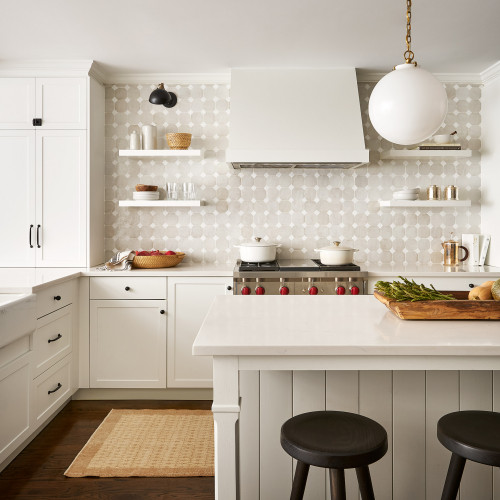
The urban landscape of Ontario presents unique architectural and logistical challenges. Toronto homeowners frequently deal with diverse property types, ranging from century-old detached houses to ultra-modern high-rises. Navigating a renovation in Toronto requires specific strategies to ensure every kitchen cabinet fits perfectly.
2.1. Adapting to Toronto Condos and Compact Spaces
Space is a premium commodity in the downtown core. Toronto condos often feature galley layouts or single-wall configurations that demand brilliant spatial optimization. Ready-to-assemble units are highly advantageous here because their flat-packed nature makes them incredibly easy to transport in standard service elevators and through narrow condo corridors. A flat-packed kitchen cabinet avoids tight space restrictions easily.
When selecting your ideal kitchen cabinet, exploring the best kitchen cabinet colors Canada has to offer can beautifully modernize your condo. A high-quality Flat Pack Kitchen Cabinet is especially convenient for navigating these tight high-rise spaces.
To maximize these limited footprints, professional kitchen designers frequently utilize tall pantry units that extend entirely to the ceiling. Integrating specialized interior organizers, such as pull-out spice racks and blind corner swing-outs, ensures that every cubic inch is functional. The sleek European-style kitchen cabinet is particularly popular in these urban dwellings, as the clean lines create an illusion of a larger, more open environment.
2.2. Overcoming Structural Challenges in Historic Homes
Beyond the high-rises, areas like the Annex or Cabbagetown are filled with historic properties. Renovating these spaces often uncovers uneven floors, non-plumb walls, and complicated plumbing runs. Ready-to-assemble solutions offer the flexibility needed to address these quirks. Installers can easily modify a kitchen cabinet on-site to achieve a custom-fitted appearance against irregular surfaces.
2.3. Logistics, Delivery, and Installation in the City
A successful renovation in Toronto requires meticulous planning regarding delivery logistics. Securing street parking for delivery trucks or booking condo service elevators demands advance coordination. Because each kitchen cabinet arrives in a manageable flat box, specialized moving equipment is unnecessary, streamlining the initial phase of the renovation.
3. RTA Kitchen Cabinetry in Mississauga
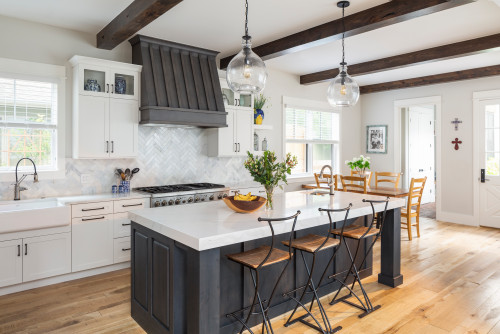
Moving westward across the GTA, the housing dynamic shifts significantly. Mississauga homes typically offer larger square footage, allowing for expansive, open-concept designs. The priorities for property owners in this region dictate a different approach when selecting a kitchen cabinet.
3.1. Upgrading Suburban Mississauga Townhouses and Detached Homes
Suburban architecture often features dedicated, spacious cooking areas that serve as the central gathering hub for families. Mississauga townhouses and large detached properties benefit immensely from the extensive catalog of modular sizes. Homeowners can easily design expansive layouts by utilizing a versatile kitchen cabinet selection.
Finding a trusted Kitchen Cabinet Mississauga provider ensures you get the finest cabinets in Mississauga, giving your suburban home the durable quality it deserves. These larger footprints allow for specialized zones, such as dedicated baking stations, coffee bars, and deep drawer stacks for heavy cookware. The robust construction of each kitchen cabinet ensures it can withstand the high-traffic environment typical of active suburban households.
3.2. Family-Centric Design and Durability
For families residing in Mississauga homes, durability is just as important as aesthetics. Kitchens in these properties see heavy daily use, from morning breakfasts to evening homework sessions. Opting for scratch-resistant finishes ensures your kitchen cabinet maintains its pristine appearance over time. Selecting solid hardwood doors with a catalyzed conversion varnish provides excellent resistance to moisture and impacts.
Upgrading your space with durable nieu cabinet doors can refresh an older layout beautifully. A well-built kitchen cabinet is essential for handling the demands of a bustling Canadian household.
3.3. Sourcing Local Suppliers in Mississauga
Working with local suppliers in Mississauga provides several distinct advantages. Proximity allows homeowners to visit showrooms, inspect the build quality of each kitchen cabinet firsthand, and interact with design professionals who understand the specific architectural trends of the region.
Working closely with dedicated Kitchen Suppliers simplifies the entire design and delivery process, often providing access to expert cabinet services. Partnering with the best kitchen supplier nearby ensures peace of mind. Sourcing materials locally reduces transit times and shipping costs, ensuring the renovation schedule for your new kitchen cabinet remains tightly controlled.
4. Comprehensive Material Breakdown and Quality Indicators
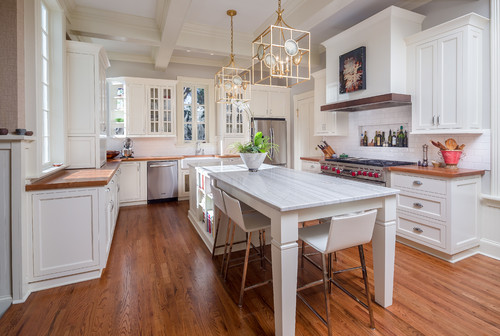
Understanding the materials used in construction is critical for making an informed investment. The core materials directly dictate the strength, moisture resistance, and overall lifespan of your chosen kitchen cabinet.
4.1. Analyzing Core Construction Materials
The Canadian industry utilizes several standard materials, each offering specific benefits depending on the application and environmental conditions.
For optimal longevity, particularly in the fluctuating humidity of Canada, a combination of materials is often best. Plywood boxes offer superior structural integrity and screw-holding capacity. Meanwhile, MDF provides a flawlessly smooth substrate for painted finishes. This prevents hairline cracks, ensuring every kitchen cabinet remains beautiful.
4.2. The Importance of Premium Hardware
The mechanical components undergo the most stress. High-quality hinges and drawer slides are non-negotiable for a premium feel on any kitchen cabinet.
- ✓ Concealed Hinges: Six-way adjustable hinges allow for precise alignment of doors, ensuring perfectly even gaps across the entire kitchen.
- ✓ Drawer Glides: Undermount, full-extension glides with soft-close pneumatic cylinders provide smooth, silent operation and allow complete access to the back of the drawer.
- ✓ Joinery: Look for dovetail joints on drawer boxes rather than simple stapled or glued butt joints. Dovetailing provides a mechanical lock that withstands decades of pulling and pushing.
5. What is the Financial Analysis and Investment Value of RTA Cabinets in 2026?
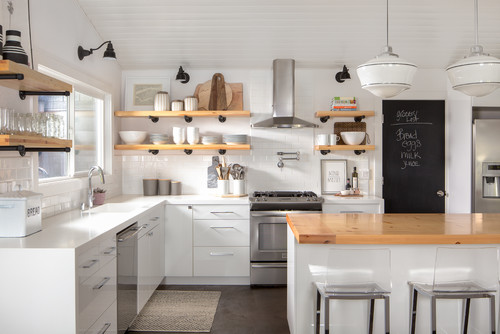
In 2026, opting for RTA (Ready-To-Assemble) kitchen cabinets saves Canadian homeowners an average of 40% to 55% compared to custom cabinetry, with average full-kitchen modular setups costing between $3,500 and $7,000 CAD versus $12,000+ for custom builds. These modern installations currently yield an estimated 78% to 85% ROI upon property resale in the competitive GTA market.
One of the primary drivers behind the popularity of modular cabinetry is the compelling financial advantage. Canadian property owners can achieve a high-end look while allocating their renovation budget more efficiently. Choosing a cost-effective kitchen cabinet does not mean sacrificing quality.
5.1. How Do Costs Compare Across Different Cabinet Categories?
As of late 2025 and 2026, fully custom cabinets average $550 to $1,400 CAD per linear foot. Pre-assembled factory units sit at $250 to $500 per linear foot, while RTA cabinets offer the most budget-friendly premium option at just $160 to $280 per linear foot, reducing both product and shipping expenses.
To understand the value proposition, it is helpful to compare the three main tiers of cabinetry available in the current market.
- Fully Custom Cabinetry: Built from scratch to exact specifications. These customized cabinets offer limitless options but come with exceptionally high material and labor costs, often taking months to produce.
- Pre-Assembled Cabinetry: Factory-built standard sizes. Faster delivery than custom, but shipping fully constructed boxes is expensive and highly susceptible to transit damage.
- Ready-to-Assemble Cabinetry: Mass-produced standard sizes shipped flat. Offers the highest quality-to-price ratio by eliminating factory assembly and reducing shipping volume.
By choosing modular units, homeowners can save up to fifty percent compared to custom builds. Partnering with a reputable Kitchen Cabinet Supplier allows you to maximize your renovation budget effectively. You can easily secure a Low Price Kitchen Cabinet without ever sacrificing structural integrity or beautiful aesthetics.
Whether you choose an rti cabinet or a stylish ikea cabinet, the modular approach offers substantial benefits. Securing a cheap Price allows you to redirect funds toward premium stone countertops, professional-grade appliances, or luxury lighting fixtures, elevating the overall caliber of the renovation.
5.2. Enhancing Real Estate Value in the GTA
A well-executed upgrade yields one of the highest returns on investment in real estate. For properties across Canada, modern, functional culinary spaces are a major selling feature. Potential buyers look for ample storage, durable finishes, and ergonomic layouts. Installing a high-quality kitchen cabinet addresses all these buyer preferences, potentially increasing the property valuation significantly.
6. Step-by-Step Design and Layout Strategy
A successful installation begins long before the first box is opened. Meticulous planning and precise measurements form the foundation of an ergonomic and beautiful space in your Canadian home. Properly measuring for your new kitchen cabinet is absolutely critical.
6.1. Executing Precision Measurements
Accuracy at this stage is absolutely critical. A fraction of an inch can determine whether a crucial component fits properly or requires costly on-site modifications.
- ✓ Creating the Floorplan: Sketch the outline of the room, noting all walls, windows, and doors.
- ✓ Measuring Dimensions: Record the exact length of every wall segment. Measure the height from the finished floor to the ceiling in multiple locations to identify settling or unevenness.
- ✓ Locating Utilities: Mark the exact center points of existing plumbing lines, gas valves, ventilation ducts, and electrical outlets.
- ✓ Accounting for Obstructions: Note the location of radiators, baseboard heaters, and any architectural bulkheads that might interfere with upper wall units.
6.2. Applying Ergonomic Principles and the Work Triangle
The efficiency of a kitchen relies heavily on the spatial relationship between the three primary work zones: the refrigerator, the sink, and the stove. This concept, known as the work triangle, dictates that the path between these elements should be unobstructed.
- ✓ The total length of the three sides of the triangle should ideally fall between thirteen and twenty-six feet.
- ✓ No single leg of the triangle should be shorter than four feet or longer than nine feet.
- ✓ Major traffic patterns should not intersect the core working area.
By strategically placing every modular kitchen cabinet around this ergonomic framework, Canadian homeowners create a fluid, highly functional environment that makes meal preparation highly efficient and deeply enjoyable.
6.3. Common Layout Mistakes to Avoid Proactively
Careful planning helps bypass frequent design errors that plague poorly executed renovations.
- Ignoring Clearance Requirements: Ensure appliance doors, such as ovens and dishwashers, can open fully without striking opposing cabinets or islands.
- Inadequate Lighting: Plan for dedicated task lighting beneath upper units before installation begins to ensure wiring can be hidden cleanly.
- Trapped Corner Space: Always utilize specialized corner mechanisms like lazy susans or articulated pull-outs to prevent creating dark, inaccessible voids.
7. Assembly Guidelines and Best Practices
Constructing modular furniture is a highly structured process that rewards patience and attention to detail. Establishing a proper workflow ensures swift and accurate assembly. Building your own kitchen cabinet correctly guarantees long-term durability.
7.1. Preparing the Essential Toolkit
Having the correct tools readily available streamlines the building process and prevents frustration.
- ✓ Cordless drill with adjustable torque settings
- ✓ High-quality wood glue for reinforcing joints
- ✓ Rubber mallet for tapping interlocking pieces into place without damaging finishes
- ✓ Framing square and a reliable tape measure
- ✓ Non-marring bar clamps to hold boxes square while securing fasteners
7.2. The Step-by-Step Construction Workflow
Creating a clean, dedicated workspace is the first critical step. Lay down moving blankets or thick cardboard to protect the pristine exterior finishes during the build.
- Component Sorting: Unpack one box at a time. Identify all panels, hardware, and fasteners according to the provided schematic.
- Dry Fitting: Briefly assemble the main structural panels without glue or screws to understand how the locking mechanisms engage.
- Applying Adhesives: For maximum structural rigidity, apply a thin, consistent bead of wood glue along the grooves and interlocking joints before final assembly.
- Securing the Frame: Use the provided locking cams or specialized screws to pull the panels tightly together. Ensure the drill torque is set appropriately to avoid stripping the wood fibers.
- Squaring the Box: Before attaching the back panel, use a framing square or measure diagonally from corner to corner. The measurements must be identical to ensure the box is perfectly square.
- Hardware Installation: Attach hinge mounting plates and drawer glide tracks to the interior panels while the box is easily accessible on the work surface.
8. Professional Installation Protocols
Transitioning from perfectly assembled boxes to a flawlessly installed kitchen requires precision leveling and secure anchoring. Proper anchoring of a kitchen cabinet guarantees the safety and stability of the entire system, especially when supporting heavy stone countertops.
The installation environment must be thoroughly prepped. Remove all old cabinetry, repair any drywall damage, and ensure a smooth, clean surface. Using a high-quality laser level, establish a continuous benchmark line around the entire perimeter of the room. This line represents the highest point of the finished floor and serves as the ultimate reference guide for perfectly level base units.
8.2. Securing the Structural Elements
- ✓ Locating Studs: Use a reliable electronic stud finder to locate and clearly mark the center of every wooden or metal wall stud.
- ✓ Hanging Upper Units First: Installing wall cabinets before the base units prevents installers from having to reach awkwardly over the lower boxes. Support ledgers can be temporarily screwed to the wall to hold the heavy uppers perfectly level during fastening.
- ✓ Connecting Base Units: Position the base boxes along the layout line. Use wooden shims beneath the toe-kick area to level each unit precisely. Once leveled front-to-back and side-to-side, clamp adjacent boxes tightly together and secure them through the face frames or side panels to create a monolithic structure.
- ✓ Anchoring to the Wall: Drive heavy-duty cabinet screws through the reinforced hanging rails at the back of the boxes directly into the pre-marked wall studs.
8.3. Final Adjustments and Finishing Touches
The hallmark of a professional-grade installation lies in the final details.
- Door and Drawer Alignment: Utilize the adjustment screws on the concealed hinges to align all doors perfectly. The horizontal and vertical gaps between doors should be uniform across the entire room.
- Installing Trim and Molding: Apply crown molding to the top of the upper cabinets to bridge the gap to the ceiling. Attach toe-kick panels to the base units to conceal the leveling shims and raw floor edges.
- Mounting Decorative Hardware: Use a specialized drilling template to ensure perfectly consistent placement of all handles, knobs, and pulls.
9. Long-Term Maintenance and Care Strategies
Protecting your Canadian home investment ensures the space remains beautiful and fully functional for decades. Establishing a simple, consistent maintenance routine preserves the integrity of the materials and hardware.
9.1. Establishing Cleaning Protocols
Different finishes require specific care to maintain their luster and prevent surface degradation.
- ✓ Wood Finishes: Wipe spills immediately. Use a soft, damp microfiber cloth for daily cleaning. Avoid harsh chemical degreasers or abrasive sponges, which can strip the protective topcoat. Periodically apply a high-quality furniture polish to nourish the wood grain.
- ✓ Painted Surfaces: A mild solution of warm water and dish soap is highly effective for removing cooking residue. Dry the surface completely after wiping to prevent moisture penetration at the joints.
- ✓ Hardware Maintenance: Wipe down stainless steel hinges and drawer glides occasionally to remove accumulated dust. If a squeak develops, apply a minimal amount of dry silicone spray lubricant.
9.2. Addressing Minor Wear and Tear
Even with meticulous care, busy Canadian households will eventually see minor imperfections. Being proactive prevents small issues from becoming major repairs.
- ✓ Touch-Up Kits: Keep a manufacturer-provided touch-up pen or wax fill stick on hand. These tools perfectly match the factory color and easily mask minor scratches or dents.
- ✓ Hinge Adjustments: Over time, the weight of the doors may cause them to sag slightly. Revisit the adjustment screws on the hinges annually to bring everything back into perfect alignment.
- ✓ Moisture Management: Be hyper-vigilant around the sink and dishwasher areas. Ensure that wet towels are not draped over the doors, as prolonged exposure to moisture will eventually damage even the most resilient finishes.
Conclusion
Embracing the transition to a modernized, highly efficient culinary space is a deeply rewarding endeavor for Canadian homeowners. By thoroughly understanding the intricate details of material selection, ergonomic design, and precise installation techniques, property owners can confidently navigate the complexities of home renovation.
Whether optimizing a compact urban footprint or expanding a sprawling suburban layout, ready-to-assemble solutions provide the perfect synthesis of architectural beauty, rugged durability, and financial intelligence.
Committing to meticulous planning, sourcing high-quality components, and executing the assembly with precision guarantees an outcome that elevates daily living. A beautifully organized, structurally sound environment not only enhances the immediate comfort of the family but also stands as a lasting investment in the overall value and appeal of the property. With the right knowledge and approach, creating a truly spectacular interior space is an entirely achievable and deeply satisfying reality.
Expert Consultation For Your Kitchen Project
Ready to upgrade your home with a premium kitchen cabinet? Contact us today for a free design consultation and find the perfect fit for your lifestyle and budget in Canada.
Hotline: +1 888 973 5636 | Website: www.rtadepot.ca