
Comprehensive Guide to Selecting and Installing Kitchen Cabinets
It looks like you are looking for information on kitchen cabinets! Whether you are planning a major renovation to upgrade your old kitchen cabinet setup, exploring a flat pack kitchen cabinet option, or looking to hire professional makers for fully customized kitchen cabinets, having a solid grasp of the basics is incredibly helpful before starting your project. Finding a reliable kitchen cabinet supplier can make all the difference in achieving a high-end look without the premium price tag.
1. The Anatomy of a Kitchen Cabinet
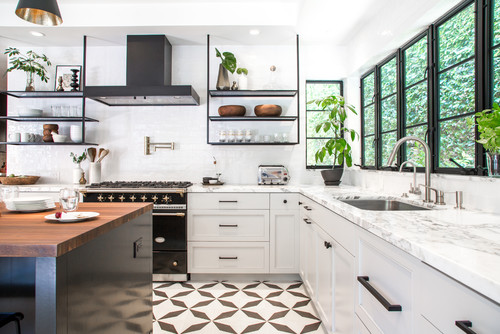
If you are evaluating different services, comparing local suppliers, or building them yourself, understanding how a kitchen cabinet is constructed helps you gauge its quality and durability. Even a low price kitchen cabinet can be well-built and long-lasting if you know what materials to look for. Kitchen cabinets generally consist of a structural box and the front-facing hardware/doors.
- ✓ The Box: The main structural component of any kitchen cabinet, consisting of the side, back, top, and bottom panels. High-quality boxes are typically made of 1/2-inch to 3/4-inch plywood, while budget options use particleboard.
- ✓ Face Frame (Framed Cabinets): A wooden frame attached to the front of the kitchen cabinet box. Every framed unit relies on this structure for rigidity and to provide a base for attaching hinges.
- ✓ Frameless (European Style): These kitchen cabinets lack a face frame. The doors attach directly to the inside of the box side panels, offering a sleeker, more modern look and slightly more interior storage space.
- ✓ Drawer Box and Glides: The drawer itself (often featuring dovetail joints in premium kitchen cabinets) and the metal tracks it slides on. Under-mount, full-extension, soft-close glides are the current gold standard.
- ✓ Hinges: The hardware connecting the kitchen cabinet door to the frame or box. Concealed, adjustable hinges are the most common in modern design.
2. Types of Kitchen Cabinets
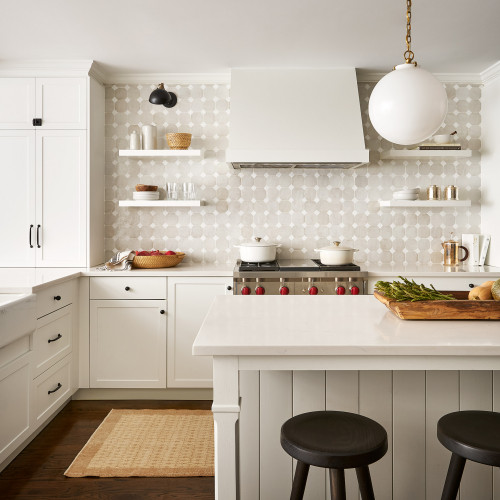
A functional culinary space relies on a strategic mix of kitchen cabinet types designed to maximize both storage and workflow. When consulting with expert designers, searching for a quick premade kitchen cabinet solution, or shopping for the best kitchen cabinet Mississauga has to offer, you will typically plan around these three primary structural units:
- ✓ Base Cabinets: These rest directly on the floor and support your countertops, sinks, and heavy appliances. A sturdy base kitchen cabinet is typically 34.5 inches tall and 24 inches deep.
- ✓ Wall (Upper) Cabinets: Mounted directly to the wall studs above the countertops. Every upper wall kitchen cabinet is usually 12 to 15 inches deep to ensure you have enough clearance to work comfortably on the counter below.
- ✓ Tall (Pantry) Cabinets: The tall pantry kitchen cabinet extends from the floor to the ceiling (or top of the wall cabinets) and ranges from 84 to 96 inches tall. They are excellent for storing brooms, bulk dry goods, and small appliances.
3. Popular Kitchen Cabinet Door Styles
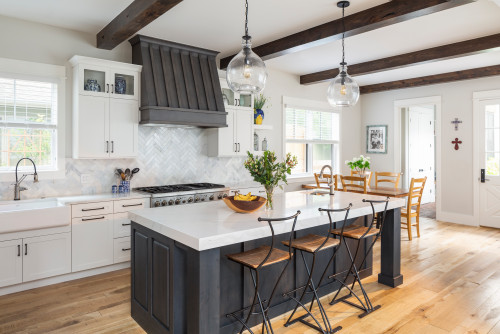
The kitchen cabinet door style is the most significant visual element of your space, heavily influencing the room’s overall aesthetic.
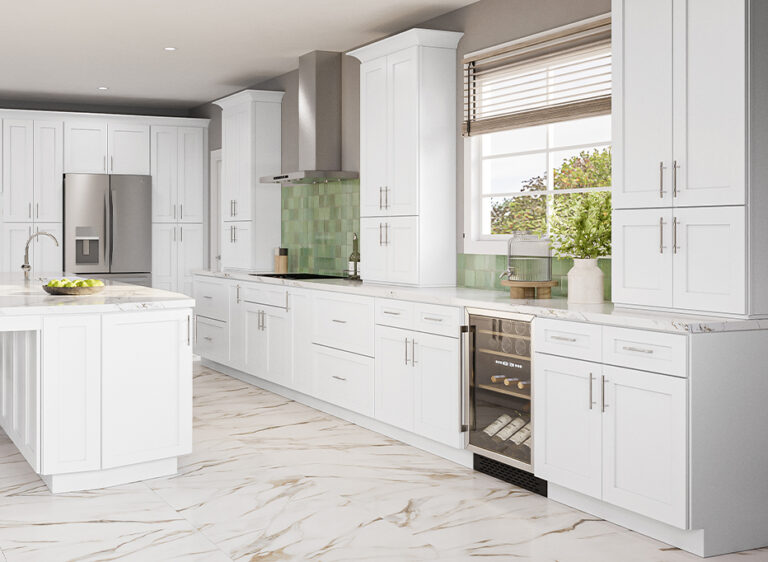
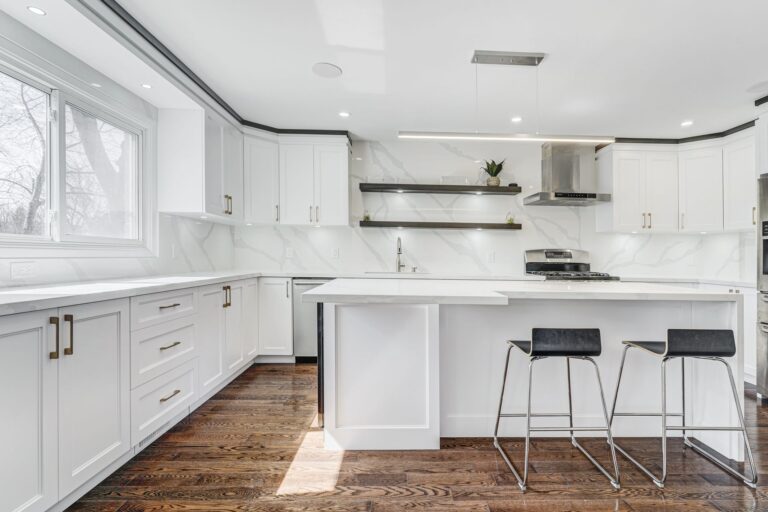
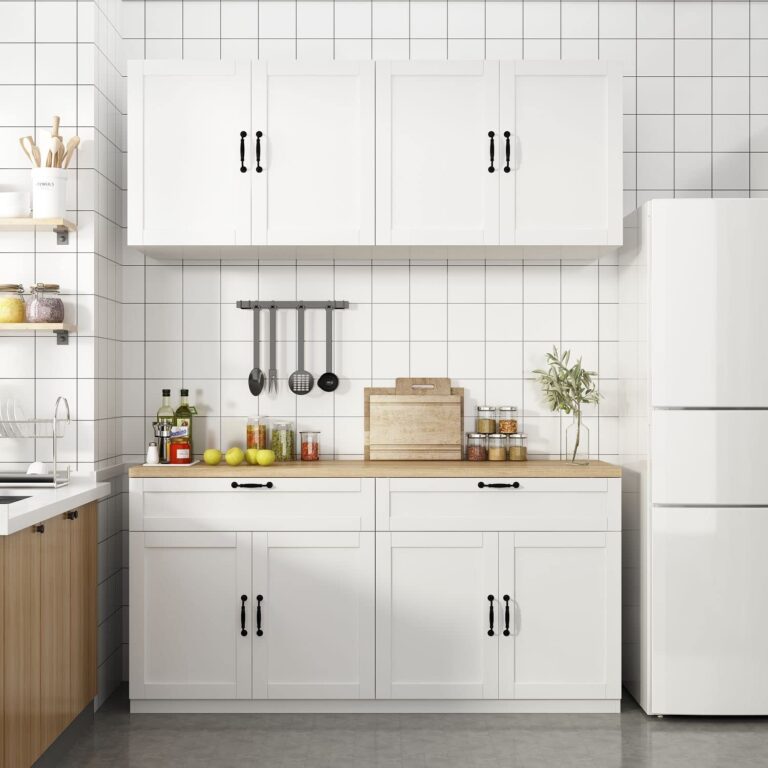
- ✓ Shaker: Characterized by a simple, clean design consisting of a recessed flat center panel and a four-piece wood frame. It is incredibly versatile, fitting seamlessly into traditional, transitional, and modern homes. A shaker kitchen cabinet is truly timeless.
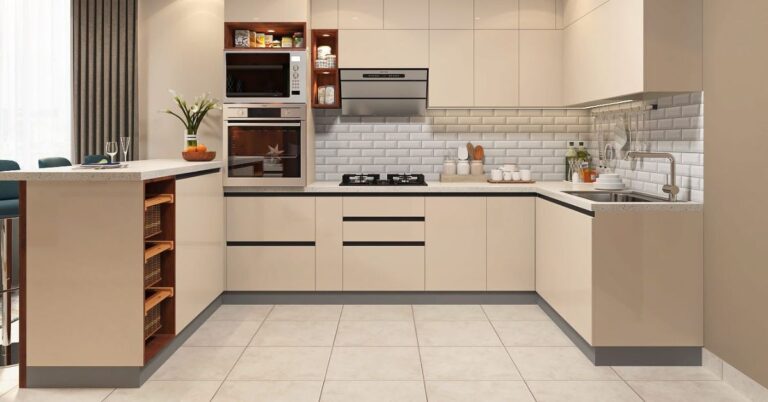
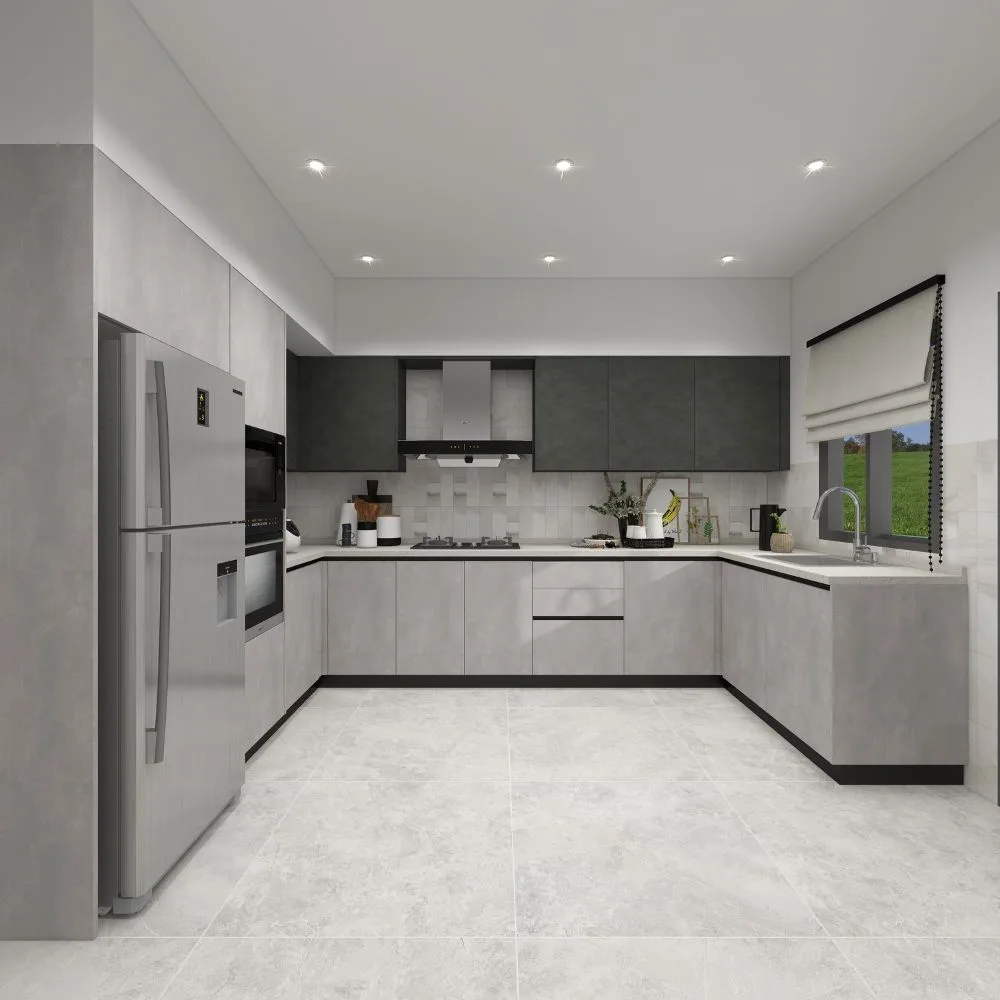
- ✓ Flat-Panel (Slab): A single, smooth piece of wood or engineered material with no framing or detailing. This style is the hallmark of modern, minimalist, and contemporary designs. The flat-panel kitchen cabinet is wonderfully sleek.
- ✓ Raised-Panel: Features a center panel that is elevated to the same thickness as the outer frame, often with intricate carved detailing around the edges. This style is best suited for formal, traditional, or rustic aesthetics. A raised-panel kitchen cabinet brings undeniable elegance.
- ✓ Inset: Rather than resting on the outside of the kitchen cabinet frame, the door is set completely inside the frame flush with the edges. This requires precise craftsmanship and usually comes at a premium price.
4. Assessing Material Quality in Kitchen Cabinets
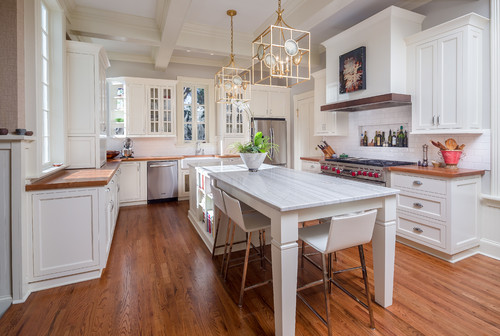
To ensure a long-lasting and durable renovation, it is critical to evaluate the specific materials used. Not all flat-pack products are created equal, and understanding the terminology is essential. Selecting the right kitchen cabinet material dictates the overall strength and load-bearing capacity of your unit. Premium lines will exclusively feature half-inch or five-eighths-inch plywood for the box, providing superior rigidity and longevity compared to standard particleboard alternatives.
When we look at the exterior components, a solid wood kitchen cabinet door is generally the preferred choice for doors and drawer fronts due to its classic appeal and robustness. Woods like maple, cherry, oak, and birch are renowned for their incredible strength. However, if your design calls for a smoothly painted finish rather than a stained look, High-Density Fiberboard (HDF) or Medium-Density Fiberboard (MDF) center panels are often highly recommended. Unlike natural solid wood, HDF does not contract and expand significantly with temperature and humidity fluctuations. This prevents the unsightly hairline cracks that can sometimes form along the joints of painted solid wood doors.
The quality of the interior kitchen cabinet finish also matters. Many top-tier manufacturers offer UV-coated natural wood interiors. This clear coat not only highlights the beauty of the wood grain but also provides a hard, washable surface that easily resists stains from inevitable household spills. When shopping, always ask your supplier about the specific core materials and the protective finishes applied to both the interior and exterior of the units.
5. Kitchen Cabinet Installation and Assembly Best Practices
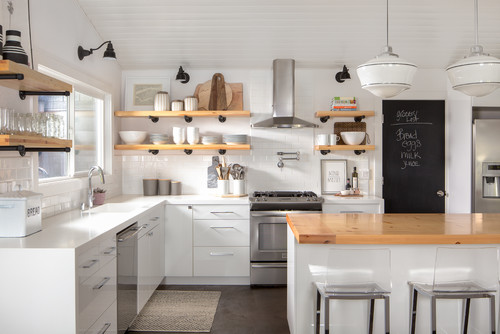
Assembling the kitchen cabinet boxes is only the first phase; installing your units correctly onto the walls is where true craftsmanship is demonstrated. Storage units carry an immense amount of weight and must be anchored directly into the structural wooden studs of the wall, never just into the drywall. Use a reliable electronic stud finder to locate and mark every stud.
To ensure a perfectly level installation for upper wall units, temporarily screw a straight piece of lumber directly into the wall studs just below your leveled reference line. This supports the heavy weight of the upper cupboards while you adjust their positioning. Selecting to renovate with a flat-packed kitchen cabinet setup represents a highly intelligent, economically sound strategy for modernizing your home.
For the base kitchen cabinets, shimming is an absolute necessity. Residential floors are rarely perfectly level, and if your base units are even slightly tilted, your expensive stone countertops will not sit flush. This uneven pressure can eventually cause natural stone or quartz to crack. Use wooden shims under the base of the units to ensure they are perfectly plumb and level from front to back and side to side before securing them together and driving the final screws into the wall studs.
6. Advanced Kitchen Cabinet Layout Strategies
Before you finalize your order for new storage units, meticulously planning your layout is essential. The classic “work triangle” has long been the gold standard in design. This concept dictates that the three main work areas—the sink, the refrigerator, and the stove—should form a triangle to optimize movement. Every layout should optimize movement. The total distance between these three points should ideally be between 13 and 26 feet, preventing the space from feeling too cramped or unnecessarily sprawling.
However, modern culinary spaces often evolve past the traditional triangle, favoring a “work zone” approach. Because multiple people may cook or socialize simultaneously, setting up specific zones—a prep zone, a cooking zone, a baking zone, and a cleanup zone—can be much more efficient. When planning these zones, ensure your new units cater to specific tasks. Place deep drawer bases in the cooking zone for heavy pots and pans, and situate your pull-out trash and recycling units directly inside the cleanup zone near the sink.
Clearance is another critical factor that is easily overlooked during the excitement of a renovation. You must ensure there is ample space for multiple doors and appliances to open simultaneously. The industry standard recommends a minimum of 42 inches of clearance between opposite counter runs for a single-cook room, and 48 inches if multiple people frequently cook together. Properly measuring these clearances before installing your island or base units prevents frustrating bottlenecks in your daily routine.
7. Decoding Cabinet Finishes and Colors
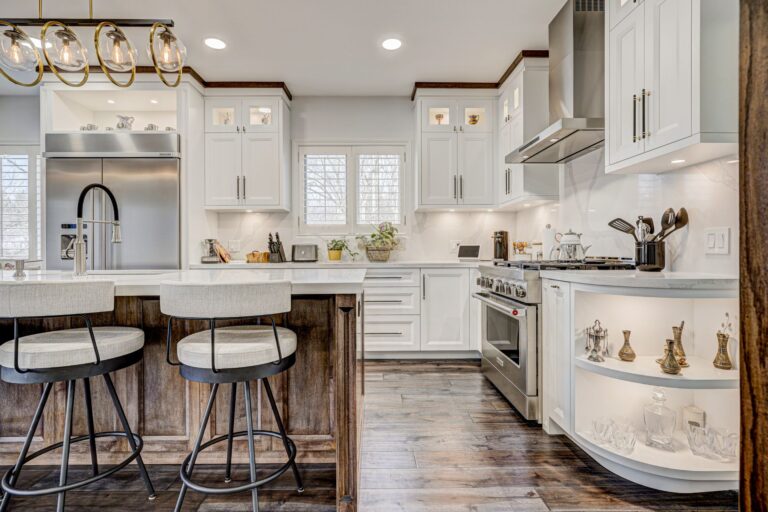
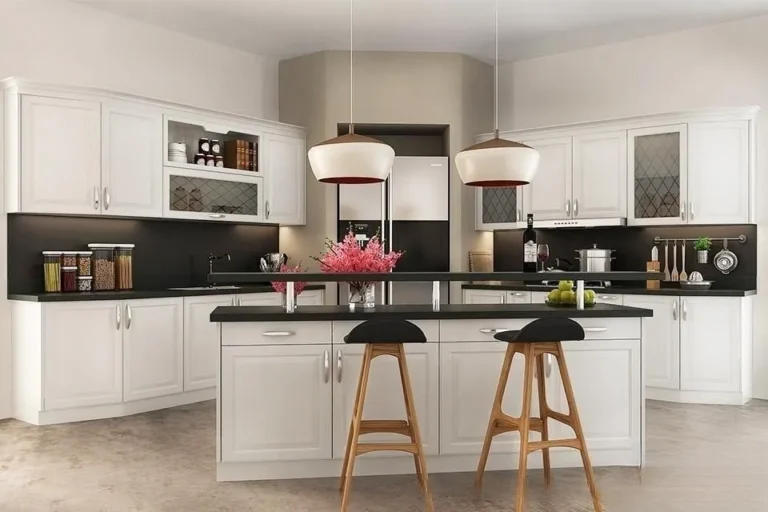
The finish applied to your doors and face frames dramatically dictates the mood of the room. Painted finishes have dominated the market in recent years, offering a clean, uniform look that brightens the space. Crisp whites, deep navy blues, and moody forest greens are incredibly popular. The two-tone trend—where the upper wall units are painted a light, airy color like white, and the base units or island are grounded with a darker, bolder shade—adds immense visual interest and breaks up the monotony of a single color palette.
Stained wood finishes are also experiencing a massive resurgence, particularly warm, mid-tone woods like walnut, rift-sawn oak, and natural maple. Stains permeate the wood fibers, beautifully highlighting the natural grain patterns, knots, and textures of the material. A well-applied stain adds a layer of organic warmth and texture that paint simply cannot replicate, pairing beautifully with both sleek modern hardware and traditional rustic decor.
Beyond paint and stain, alternative materials like Thermofoil and Melamine offer unique benefits. Thermofoil involves a vinyl film heated and pressurized onto an MDF core, resulting in a seamless, highly moisture-resistant surface that is exceptionally easy to wipe down. Melamine is a resin-infused paper permanently bonded to a substrate, popular for its incredible durability and resistance to scratches and fading. Understanding the maintenance requirements and visual traits of these finishes will guide you toward the perfect choice for your lifestyle.
8. Maximizing Interior Storage with Organizers
A truly luxurious culinary space is defined just as much by what is hidden inside the cupboards as by its exterior aesthetic. Investing in clever interior organizers transforms chaotic, cluttered spaces into streamlined hubs of efficiency. Every organized space transforms chaotic workflows. Gone are the days of kneeling on the floor and blindly digging into the dark recesses of a lower shelf to find a specific baking sheet or blender.
Roll-out trays (ROTs) are an essential upgrade for any base unit. These functioning shelves operate on sliding tracks, allowing you to pull the entire contents of the shelf out into the light. For awkward blind corner units, consider installing a “Magic Corner” pull-out or a tiered Lazy Susan. These engineered hardware solutions swing out from the depths of the corner, utilizing every square inch of previously wasted space.
Do not forget about vertical storage. Slim, pull-out spice racks positioned right next to the cooking range keep flavorings accessible without monopolizing counter space. Tall pantry units can be outfitted with heavy-duty pull-out wire baskets, acting as a mini-supermarket aisle right in your home. Even small additions, like built-in cutlery dividers, peg systems for organizing heavy ceramic plates in deep drawers, and under-sink cleaning caddies, dramatically elevate the functionality of your renovation.
9. Framed vs. Frameless Construction Explained
When navigating the market, you will consistently encounter the terms “framed” and “frameless.” This refers to the fundamental structural manufacturing of the box itself. Framed construction is highly traditional and predominantly seen in North American manufacturing. A solid wood face frame is securely attached to the front of the plywood box. The hinges attach directly to this frame, adding incredible structural rigidity and preventing the box from skewing or warping over time. It gives the unit a classic, sturdy appearance.
Within framed construction, you have options for how the door sits on the frame. “Standard overlay” doors leave a portion of the face frame exposed, while “full overlay” doors completely cover the frame, mimicking the sleek look of modern European design. “Inset” doors, as mentioned earlier, are set perfectly flush inside the face frame, requiring meticulous hinges and stops.
A frameless design, often called European-style, entirely eliminates the front face frame. The box is formed strictly by the thick side panels, top, and bottom, and the doors attach directly to the interior walls via concealed hinges. This design offers a much sleeker, seamless visual plane across the room. Furthermore, because there is no center stile or lip around the opening, frameless designs offer slightly more accessible interior space, making it easier to maneuver wide dinner plates or large appliances in and out.
10. The Ultimate Guide to Hardware Selection
Hardware is frequently referred to as the jewelry of the room. Knobs, pulls, and handles may seem like minor details, but they have a profound impact on tying the entire aesthetic together. The finish you choose should complement both your paint color and your major appliances. Matte black hardware provides a striking, modern contrast against crisp white shaker doors, while brushed brass or champagne bronze adds an elegant, vintage warmth that pairs beautifully with deep blues, greens, or natural wood tones.
Beyond color, consider the ergonomics. Pulls (handles) are generally easier to grip and are highly recommended for heavy base drawers holding pots and pans. Knobs are traditionally used for lighter upper wall doors. Mixing knobs on top and pulls on the bottom is a classic design choice that balances form and function. When choosing sizes, a general rule of thumb is that the pull should be roughly one-third the width of the drawer front it is attached to, ensuring it looks proportional and provides adequate leverage.
Placement is just as crucial as the hardware itself. Consistent alignment is key to a professional finish. Investing in a simple plastic hardware template or jig will ensure that every single hole you drill is perfectly positioned, saving you from disastrous, irreversible mistakes on your brand-new, expensive door fronts.
11. Environmental and Health Considerations
In today’s environmentally conscious landscape, what your home improvement products are made of matters deeply. Plywood and MDF products utilize adhesives to bind the wood fibers or veneers together. Historically, some of these adhesives released urea-formaldehyde, a volatile organic compound (VOC) that can negatively impact indoor air quality. When sourcing your products, always look for manufacturers that strictly adhere to CARB2 (California Air Resources Board) compliance or TSCA Title VI standards.
These stringent regulations ensure that the composite wood products emit safely low, virtually untraceable levels of formaldehyde, keeping the air inside your home safe when installing a new setup. Additionally, many premium lines utilize water-based, UV-cured finishes instead of harsh solvent-based lacquers, drastically reducing off-gassing upon delivery and installation.
Sustainability is also a critical factor. Look for suppliers that source their solid woods from sustainably managed forests, often certified by organizations like the FSC (Forest Stewardship Council). By choosing responsibly harvested materials and low-VOC finishes, you are not only protecting your immediate family’s health but also contributing to broader environmental conservation efforts without sacrificing durability or style.
12. Cost Expectations and Smart Budgeting
A full remodel is a significant financial investment, and the storage units typically consume the largest portion of the budget—often accounting for 30% to 40% of the total project cost. Custom-built units from a local bespoke carpenter are the most expensive route, offering infinite personalization but often exceeding tens of thousands of dollars. Pre-assembled semi-custom options sold at big-box retailers sit in the mid-range, offering good convenience but often utilizing inferior particleboard cores.
This is precisely why RTA (Ready-to-Assemble) systems have dominated the market. By removing the factory labor cost of assembly and the massive shipping costs associated with transporting bulky, empty boxes, RTA manufacturers can provide premium materials—like solid maple face frames and multi-ply plywood boxes—at a fraction of the cost. The money saved by choosing flat-pack options can be reallocated to higher-end quartz countertops, professional-grade appliances, or intricate lighting fixtures.
To keep your budget firmly in check, prioritize the features that matter most. Dovetail drawers and soft-close hinges are non-negotiable for longevity and daily comfort. However, you can save money by limiting the number of expensive, highly customized pull-out inserts, opting for standard shelving instead. Additionally, open shelving for a portion of your upper walls not only creates a trendy, airy aesthetic but also reduces the total number of expensive wall units you need to purchase.
13. Sourcing and Delivery: Navigating the Market
When you decide to purchase, the logistics of acquiring the materials are just as important as the design. Sourcing locally offers tremendous advantages. If you are residing in Canada, finding a trusted supplier that warehouses their products domestically eliminates the frustrating, unpredictable delays associated with cross-border shipping and unexpected customs duties. A local distributor ensures that your project timeline remains tight and predictable.
Furthermore, local suppliers provide a vital safety net during the installation phase. Mistakes happen—a contractor might accidentally cut a trim piece too short, or a specific filler panel might be required to accommodate an un-plumb wall. When dealing with an overseas or cross-country supplier, waiting for a replacement part can halt your entire project for weeks. A regional warehouse allows you to simply pick up the required missing component the very same day, keeping the momentum of your renovation moving forward smoothly.
Upon delivery, preparation is key. Ensure you have a clean, dry, and climate-controlled space to store the flat-packed boxes before assembly. Wood is an organic material that absorbs and releases moisture. Allowing the boxes to sit inside your home for 48 to 72 hours before assembly allows the wood to acclimatize to your home’s specific humidity levels, reducing the risk of minor warping during the assembly process.
14. Comprehensive Care and Maintenance
Once your stunning new installation is complete, a proactive maintenance routine is crucial to preserving your investment for decades. The cooking area is inherently a harsh environment, subjected to daily steam, airborne grease, food splatters, and fluctuating temperatures. The most critical rule of maintenance is to address spills immediately. Standing water, particularly near the sink base or dishwasher, can seep into seams and eventually cause the wood to swell or the finish to bubble.
For daily cleaning, harsh chemical solvents, bleach, abrasive scouring pads, and ammonia-based glass cleaners must be strictly avoided. These aggressively strip the protective clear-coat finish over time, leaving the raw wood vulnerable. Instead, use a soft, damp microfiber cloth paired with a very mild, pH-neutral dish soap solution. Wipe the surfaces gently to remove grease, and immediately follow up with a dry cloth to absorb any lingering moisture.
Hardware requires attention as well. Over years of repeated opening and closing, heavy doors may begin to sag slightly. Modern concealed hinges feature a multi-axis adjustment system. Armed with a simple Phillips-head screwdriver, you can easily tweak these hidden screws to move the door up, down, left, right, or closer to the frame, ensuring your gaps remain perfectly parallel. Regularly vacuuming the metal tracks of your drawer glides prevents dirt buildup from compromising the smooth, silent soft-close action.
Conclusion
The journey toward a perfectly organized cooking space does not need to be stressful or overwhelmingly expensive. By choosing premium ready-to-assemble solutions, you embrace a highly intelligent path to total home transformation. Upgrading your foundational storage infrastructure immediately resolves all persistent clutter issues and significantly enhances your overall property value.
You absolutely deserve a home that beautifully reflects your deeply personal style. Stop struggling daily with poorly designed layouts and insufficient organization. Our highly expert team stands completely ready to provide immediate deeply customized solutions. Embrace the remarkable opportunity to permanently optimize your space and dramatically elevate your daily living experience in Canada.
Ready to transform your kitchen with premium, ready-to-assemble kitchen cabinets that perfectly match your style and budget?
Contact rtadepot.ca today for a professional consultation and secure your ideal culinary space.
📞 Hotline: +1 888 973 5636 | 🌐 Website: https://www.rtadepot.ca/