
The Ultimate Guide to the Perfect kitchen cabinet in Canada: Transforming Your Space
Embarking on a renovation is an exciting yet challenging project for any homeowner in Canada. The cooking area is undeniably the heart of the home where families gather and memories are made. However, outdated layouts and peeling finishes can make remodeling feel overwhelming. This is especially true when evaluating the high costs associated with custom builds. Ready-to-assemble options have emerged as a premium alternative. A modern kitchen cabinet bridges the gap between affordable pricing and luxurious design.
By choosing to explore modular units, you open the door to a streamlined renovation process. You stay in control of your budget, timeline, and aesthetic choices. This guide walks you through selecting, planning, and installing your new setup. We offer specialized insights tailored for different living environments across Canada. From understanding material composition to navigating local delivery logistics, this resource provides fundamental knowledge. You will easily execute a flawless kitchen cabinet transformation.
1. What Is A Ready-To-Assemble (RTA) kitchen cabinet?
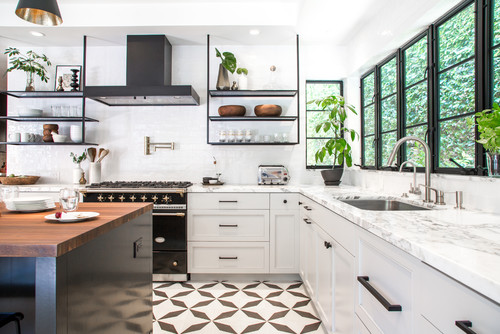
A ready-to-assemble unit is exactly what the name implies. It is a high-quality component manufactured, flat-packed, and shipped directly to your residence for on-site assembly. Unlike pre-assembled units that take up massive space in shipping trucks, these models are packaged efficiently. This method drastically reduces freight costs and warehouse storage fees across Canada. These savings are passed directly to you. Choosing a reliable flat pack kitchen cabinet makes the entire assembly process much smoother.
1.1. What Are the Basics of RTA Cabinetry You Need to Know?
RTA (Ready-To-Assemble) cabinetry consists of flat-packed, precision-cut components including solid wood face frames, 1/2-inch to 5/8-inch plywood boxes, and soft-close hardware. They can be quickly assembled on-site using intuitive cam locks or metal clips, reducing the shipping footprint by up to 70% and saving homeowners significant transit costs.
When you order a new setup, you receive individual boxes containing necessary parts. As of 2026, standard premium RTA packaging has evolved to include advanced protective materials, ensuring a 98% damage-free delivery rate. A standard box includes the face frame, side panels, back panel, shelves, and doors. It also holds drawer boxes and required hardware like hinges and glides. Everything needed to build one kitchen cabinet is neatly included in the package.
The assembly process is designed to be accessible to the average Canadian homeowner. It utilizes intuitive locking systems like cam locks, metal clips, or traditional wood glue. Precision routing and pre-drilled holes ensure each piece fits perfectly together. This creates a structurally sound kitchen cabinet that rivals custom woodshop creations, often supporting up to 250 lbs of internal weight.
1.2. The Evolution of RTA Quality and Design
Historically, flat-pack furniture suffered from a reputation for using low-grade particleboard. Today, the premium market in Canada has completely revolutionized this standard. Modern units are frequently constructed from cabinet-grade plywood with solid hardwood frames. Many homeowners compare these favorably against a standard ikea cabinet.
Advanced manufacturing allows for precise dovetail joinery in drawer boxes. You also get full-extension metal drawer glides and multi-way adjustable hinges. The finishes applied to your kitchen cabinet are often cured in UV-ovens. This ensures a hardened exterior that withstands decades of daily use.
2. Why Should You Choose an RTA kitchen cabinet Over Pre-Assembled Options?
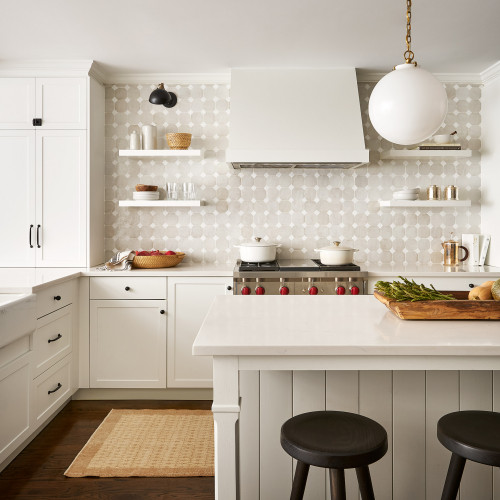
Choosing an RTA kitchen cabinet saves Canadian homeowners an average of 30% to 50% (roughly $3,500 to $6,000) on renovation costs compared to pre-assembled big-box options. Additionally, RTA units feature superior materials like A-grade plywood and cut delivery times down to just 1-3 weeks, compared to the 8-12 weeks required for custom builds.
The decision to utilize modular units comes with many distinct advantages. These benefits extend far beyond the initial purchase price. Exploring options like a premade kitchen cabinet might seem convenient at first glance. However, the modular route often provides significantly better overall value for your Canadian home based on current 2026 market supply chain metrics.
2.1. Significant Cost Savings
The most immediate benefit is the dramatic reduction in cost. The manufacturer does not pay laborers to assemble the units. They also avoid exorbitant shipping fees for transporting empty air inside built units. As a result, the retail price drops significantly for each kitchen cabinet.
Recent market reports indicate that homeowners can often save between thirty to fifty percent on their budget. These savings allow you to reallocate funds toward luxury countertops or high-end appliances. Finding a low price kitchen cabinet without sacrificing quality is a primary goal for many budgeting homeowners. You can easily achieve this balance today.
2.2. Faster Shipping and Turnaround Times
Custom builds often require lead times stretching from eight to twelve weeks. This causes major delays in your renovation schedule. Because modular units are manufactured in large quantities, they ship within days. This rapid turnaround is essential for anyone needing a quick kitchen cabinet upgrade. It minimizes the disruption to your daily life in Canada.
2.3. Superior Material Construction
Many consumers are surprised to learn about the high-end materials used. Premium lines utilize thick A-grade plywood for the boxes. This provides superior resistance to moisture and prevents sagging. The solid wood doors ensure longevity and a luxurious tactile feel for every single kitchen cabinet.
3. RTA Options in Toronto and Across Canada
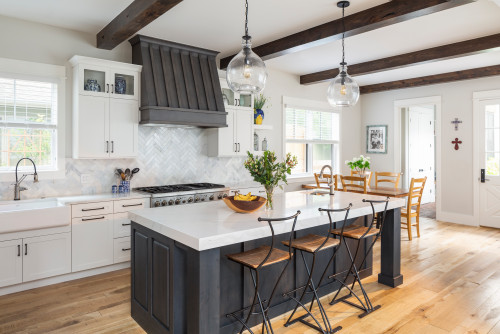
Navigating a home renovation in a dense urban environment presents unique challenges. Homeowners require specific strategies when planning a remodel. You must consider architectural restrictions, space limitations, and urban logistics. Working with the best kitchen suppliers ensures your urban renovation stays firmly on track.
3.1. Navigating Space Constraints in Toronto Condos
The real estate landscape in downtown cores is dominated by high-rise living. Condos often feature compact spaces that demand maximum efficiency. Transporting a pre-assembled kitchen cabinet can be an absolute nightmare in these buildings.
Navigating narrow condo corridors and fitting oversized boxes into service elevators is tough. It often results in damaged goods and intense frustration. Because modular units arrive flat-packed, they are remarkably easy to transport into high-rise buildings. A single homeowner can easily load a boxed kitchen cabinet onto a standard dolly.
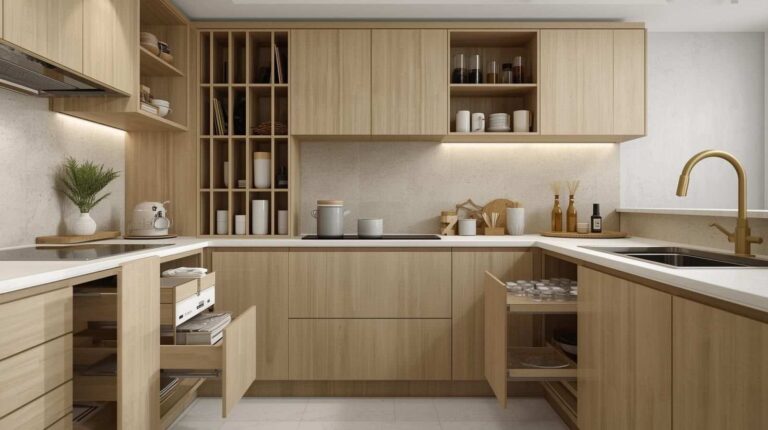
Furthermore, the extensive catalog of sizes allows owners to utilize every square inch. Incorporating tall pantry units and blind corner pull-outs maximizes vertical storage. This turns a cramped condo area into a highly functional culinary workspace. Every installed kitchen cabinet plays a vital role in this transformation.
3.2. Upgrading Historic and Modern Toronto Homes
Beyond the condo market, Canada is renowned for diverse residential architecture. Older homes often possess quirky layouts, unlevel floors, and non-standard ceiling heights. When looking for the best kitchen cabinet colors Canada has to offer, homeowners have many contemporary options.
Modular units offer the flexibility needed to address these architectural idiosyncrasies. Trim pieces and scribe moldings seamlessly bridge the gaps between square units and uneven heritage walls. Sleek, flat-panel styles provide the minimalist aesthetic that contemporary homeowners covet. Finding the perfect kitchen cabinet is easier than ever.
3.3. Local Delivery and Logistics in the City
Coordinating delivery in a congested city requires careful planning. Flat-pack delivery means smaller trucks can be used. This is highly beneficial when navigating narrow streets. The compact nature of the boxes also means you can store a disassembled kitchen cabinet in a spare bedroom easily.
4. RTA Kitchen Units in Mississauga
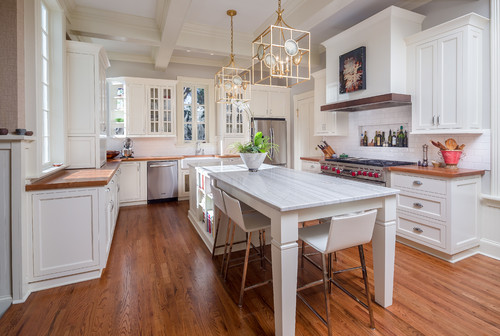
When planning a complete kitchen renovation, finding the right balance between high-end quality and affordability is absolutely essential. While traditional cabinet makers are known for building beautiful customized cabinets, the overall expense and long wait times can quickly exceed your budget. Fortunately, modern ready-to-assemble kitchen cabinets provide a versatile and premium alternative. If you are actively looking for the best kitchen cabinet Mississauga residents love, collaborating with experienced kitchen designers can help you maximize your layout. Furthermore, many reputable local suppliers now offer comprehensive cabinet services, ensuring that your entire project runs smoothly from the initial design phase all the way to final installation.
4.1. Expanding Storage for Mississauga Townhouses and Single-Family Homes
The suburban landscape is characterized by expansive single-family homes and townhouses. These residences typically feature larger, open-concept floor plans. The cooking area flows seamlessly into the dining and family rooms. Here, updating a single kitchen cabinet is just the beginning of a larger transformation.
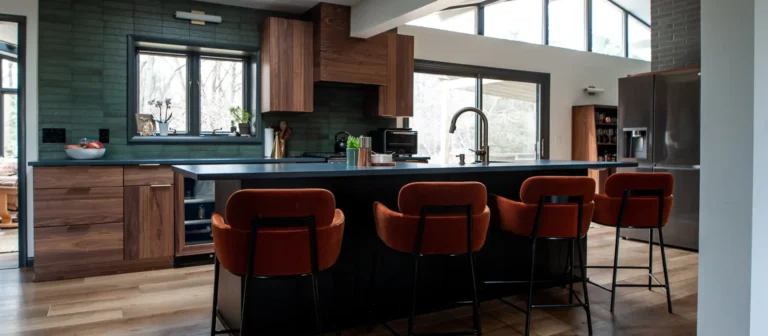
With larger square footage, homeowners can design expansive layouts. You can feature massive center islands and extensive runs of base drawers. Purchasing this volume of storage through a custom builder could easily exhaust a renovation budget. RTA units allow residents to fill these large spaces with premium storage affordably. Adding one extra kitchen cabinet makes a huge difference in utility.
4.2. Enhancing Property Value in Growing Neighborhoods
The real estate market across Canada remains highly competitive. Ensuring your property stands out requires high-quality finishes. A freshly updated room is widely recognized as the best way to increase a home resale value. Upgrading each outdated kitchen cabinet helps you achieve a high-end, custom look.
4.3. Sourcing Local Suppliers in Mississauga
Another distinct advantage for suburban residents is proximity to major shipping hubs. Many distributors stock vast inventories of modular components. Working with a dedicated kitchen cabinet supplier in your region can expedite material delivery significantly. This ensures your renovation proceeds smoothly and efficiently.
5. Step-by-Step Guide to Planning Your Renovation
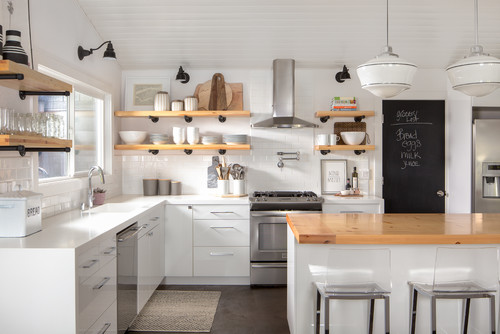
A successful transformation begins long before the first piece is assembled. Meticulous planning is the cornerstone of a smooth renovation process. Every single kitchen cabinet must be accounted for in your initial layout design.
5.1. Measuring Your Space Accurately
Precision is paramount when dealing with modular components. Begin by mapping out the exact dimensions of your room.
- Draw a Floor Plan: Sketch the shape of your room, noting all walls, windows, and doors.
- Measure Wall-to-Wall: Record the length of every wall at the floor line to accommodate your new kitchen cabinet perfectly.
- Locate Utilities: Mark the exact center points of plumbing and electrical outlets.
- Measure Vertical Space: Note the ceiling height and dimensions of bulkheads.
5.2. Designing the Optimal Layout
Once measurements are secured, determine the most efficient workflow. The classic work triangle optimizes the distance between the sink, stove, and refrigerator. Consider exploring an rti cabinet layout if you prefer modern modular systems.
- U-Shaped Kitchens: Excellent for larger rooms, providing massive counter space.
- L-Shaped Kitchens: Perfect for open-concept homes, allowing for easy island integration.
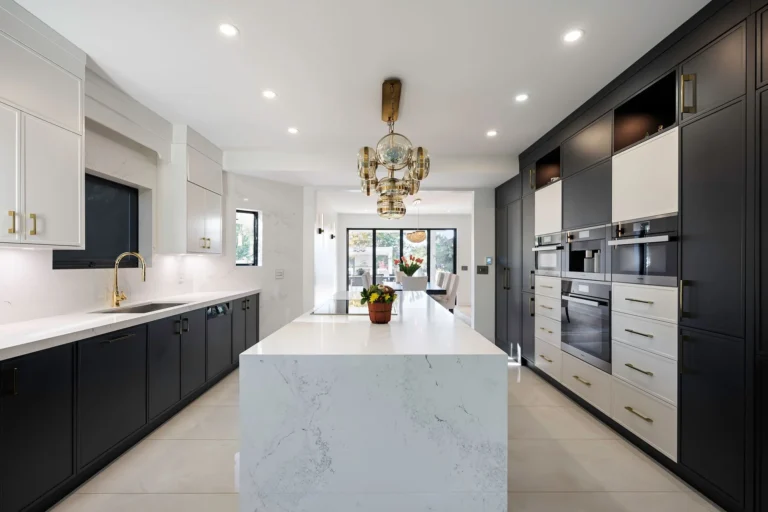
- Galley Kitchens: Highly efficient, utilizing two parallel runs of storage. These maximize vertical space to fit an extra kitchen cabinet easily.
5.3. Selecting the Right Finishes and Door Styles
The style of your doors dictates the entire personality of the room.
- Shaker Style: Timeless, blending perfectly with traditional and modern decors. White shaker remains a popular choice. You might also consider upgrading with custom nieu cabinet doors for a unique touch.
- Raised Panel: Features a decorative center panel, offering a classic aesthetic.
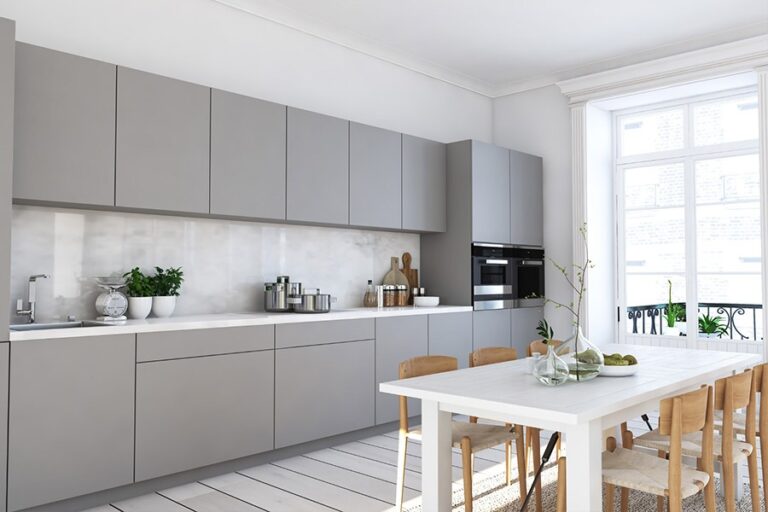
- Slab/Flat Panel: Completely smooth doors for a sleek look. Often finished in high-gloss laminates, these are highly favored in contemporary Canadian designs. Selecting the right kitchen cabinet finish is crucial.
6. The Assembly Process: What to Expect
The prospect of building an entire room from flat-packed boxes may seem daunting. However, manufacturers have refined the process to be incredibly user-friendly. Building a kitchen cabinet requires patience but is highly rewarding.
6.1. Tools Required for Assembly
You will not need an extensive professional workshop to build your units. The essential tools include:
- Rubber mallet to tap joints safely
- Cordless drill with bits
- Wood glue for joints
- Screwdrivers
- A tape measure and a carpenter square
- Clamps to assemble each kitchen cabinet securely
6.2. Unboxing and Inventory Management
Before assembling a single box, clear a large, flat workspace. Open your deliveries carefully to avoid slicing into the wood finishes. Cross-reference every piece against your packing slip and layout design. Organizing your hardware will save you immense frustration when building your first kitchen cabinet.
6.3. Step-by-Step Construction Methods
While specific instructions vary, the assembly sequence follows a predictable path:
- Lay Out the Face Frame: Place the solid wood front frame face down on a soft surface.
- Attach the Side Panels: Apply a thin bead of wood glue along the grooves. Insert the side panels using the provided locking mechanisms.
- Insert the Bottom and Top: Slide the bottom panel into the routed grooves.
- Secure the Back Panel: Ensure the unit is perfectly square. Once squared, secure the back panel tightly.
- Install Hardware: Attach the drawer glides to the side panels.
- Assemble Drawers: Build the dovetail boxes and install under-mount glides.
- Attach Doors: Snap the soft-close hinges onto mounting plates and adjust until the kitchen cabinet sits flush.
7. Professional Installation vs. DIY Approach
A common dilemma Canadian homeowners face is choosing how to install the units. You must decide whether to install the completed components yourself or hire a contractor. Installing a kitchen cabinet requires basic carpentry knowledge.
7.1. When to Tackle it Yourself
If you possess moderate DIY experience, installing base and wall units is achievable. You must be comfortable locating wall studs and using shims. Ensuring base units are perfectly level across uneven floors is mandatory. Taking the DIY route maximizes your financial savings.
7.2. When to Hire a Professional Installer
If your renovation involves complex architectural adjustments, hiring a carpenter is recommended. Complex crown molding requires compound miter cuts that can be tricky. A professional ensures that every heavy kitchen cabinet is safely and permanently anchored to the wall.
8. Maintaining and Caring for Your New Units
Protecting your investment requires simple but consistent maintenance. High-quality finishes are durable, but they still require appropriate care. A well-maintained kitchen cabinet will last for decades.
8.1. Cleaning Guidelines for Different Finishes
Avoid harsh chemical cleaners, abrasive scouring pads, or wax-based polishes. For painted or stained wood doors, a simple solution of warm water and mild dish soap works best. Wipe spills immediately with a soft microfiber cloth. Always dry the surface thoroughly after cleaning your kitchen cabinet.
8.2. Hardware Adjustments and Upkeep
Over time, seasonal changes in humidity can cause doors to shift slightly. Modern adjustable European hinges allow these shifts to be corrected in seconds. Wiping down the metal drawer glides annually removes dust. This ensures the soft-close mechanisms continue to operate silently and smoothly.
9. Cost Breakdown and Budgeting for Your Project
Understanding the financial landscape of a remodel helps you make informed decisions. Below is a comparative look at how different options impact your budget in Canada.
9.1. Hidden Costs to Watch Out For
When budgeting, remember to account for necessary accessories that elevate the final design. These include crown molding for the top and light rails for the bottom. You also need organizational inserts like pull-out trash cans. Finally, factor in hardware and installation materials for your new setup.
10. Frequently Asked Questions
Are these units strong enough to support heavy stone countertops? Absolutely. Premium modules constructed with half-inch plywood boxes easily support granite or quartz.
Can I paint my doors later? Yes. If you purchase solid wood doors, they can be sanded and repainted in the future. However, factory-applied finishes are incredibly durable.
How do I handle corners in my layout? Catalogs offer multiple solutions for corners, including classic lazy Susans or blind corner units fitted with advanced pull-out shelving.
Conclusion: Your Path to a Beautiful Home
Transforming your cooking space no longer requires draining your savings. Ready-to-assemble units represent the perfect synthesis of high-end manufacturing and accessible pricing. By leveraging flat-pack technology, you elevate your home aesthetic in Canada. Every premium module installed is a step closer to your dream home.
Whether you are navigating an urban high-rise or a suburban residence, modular systems offer flexibility. Careful measurement and thoughtful design planning yield breathtaking results. Achieving a magazine-quality space is entirely within your grasp today.
Ready to transform your kitchen with premium, ready-to-assemble kitchen cabinets that perfectly match your style and budget?
Contact rtadepot.ca today for a professional consultation and secure your ideal culinary space.
📞 Hotline: +1 888 973 5636 | 🌐 Website: https://www.rtadepot.ca/