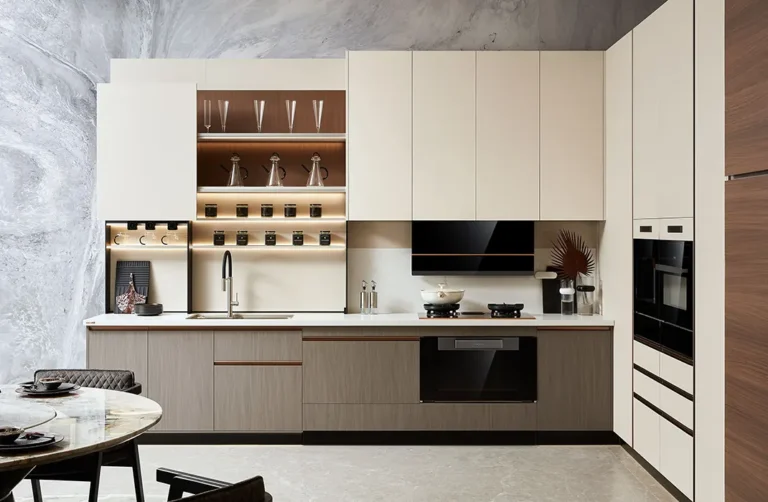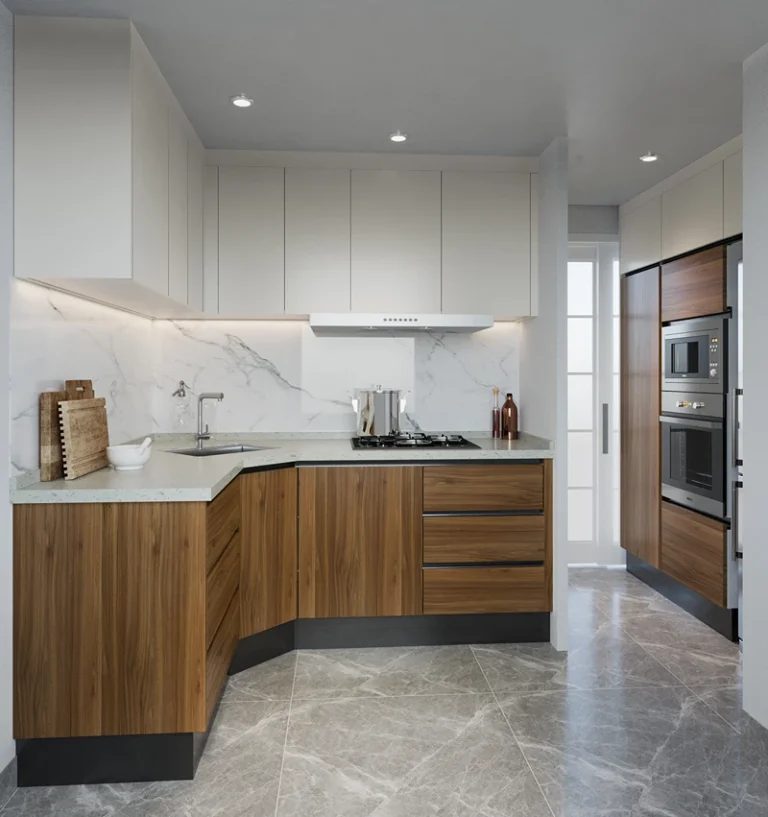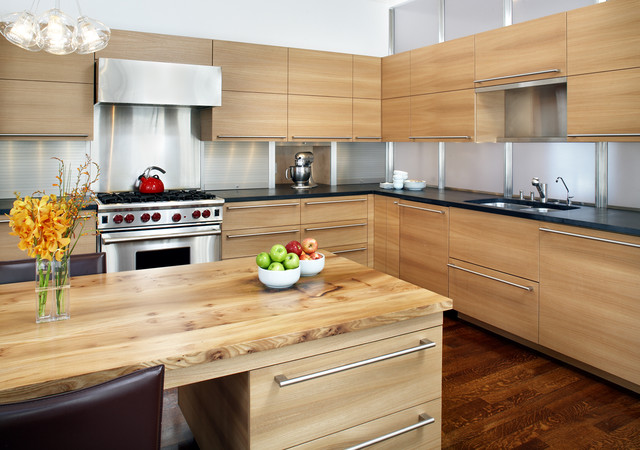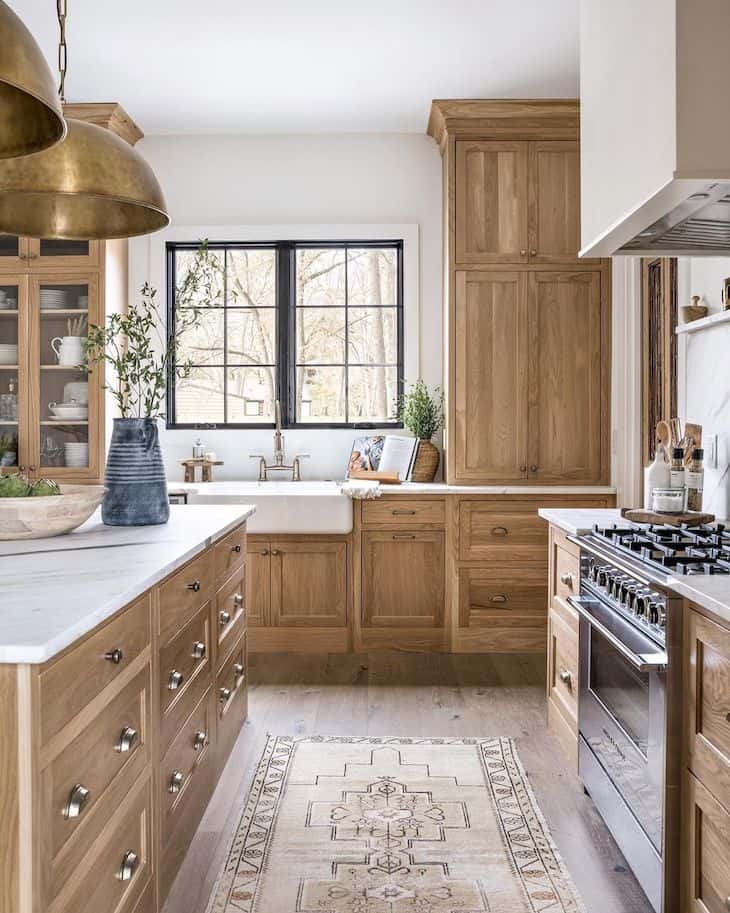

Ultimate Guide to Premium Kitchen Cabinets in Canada: Transforming Your Home with Top Kitchen Suppliers
The kitchen serves as the undisputed heart of the home in Canada. It is a dynamic space where culinary creativity meets daily family interactions. Achieving a balance between sophisticated aesthetic appeal and robust, practical functionality remains a primary objective. Property owners undertaking a kitchen renovation often seek out the best kitchen supplier to achieve this. Outdated storage systems frequently lead to disorganized countertops and inefficient cooking workflows. Upgrading your culinary workspace with a modern kitchen cabinet system resolves these structural inefficiencies while enhancing property value. It is highly recommended to rely on reputable kitchen suppliers for quality materials.
This comprehensive guide explores every facet of selecting, installing, and maintaining premium storage solutions. We place a particular emphasis on moisture-resistant materials and localized considerations for residents across Canada. By understanding material science, structural assembly, and ergonomic design, you empower yourself to make informed decisions. This knowledge is especially useful when dealing with local cabinet makers and suppliers. Whether you are navigating the spatial limitations of an urban apartment or expanding a suburban residence, implementing intelligent storage architecture entirely redefines your daily routine.
1.The Evolution of Kitchen Storage and Modern Cabinetry
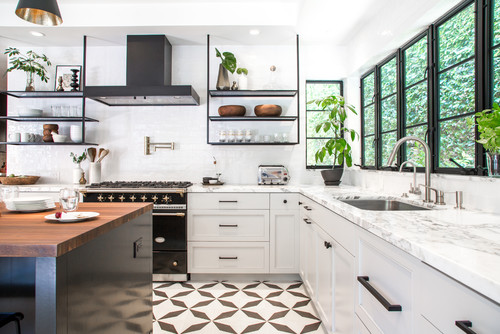
Historically, residential cooking areas were purely utilitarian spaces hidden from guests. Storage consisted of basic shelving designed solely for function over form. As architectural trends shifted toward open-concept living, the kitchen integrated seamlessly with dining zones. This elevated the demand for furniture-grade finishes, compared to what modern kitchen designers offer today. Choosing a high-quality premade kitchen cabinet can save you both time and money during the remodeling process. Modern cabinetry represents a pinnacle of engineering, combining advanced manufacturing techniques with high-performance materials.
In the current Canadian market, the shift towards “Integrated Living” means the aesthetic of your kitchen cabinet must harmonize with the living room furniture. This has led to the rise of slab doors and hidden recessed handles that minimize visual noise. Furthermore, the 2026 cabinetry standards emphasize modularity, allowing homeowners to swap door fronts without replacing the structural boxes, providing a sustainable path for future style updates.
Frameless vs. Framed Construction: A Technical Comparison
When selecting a kitchen cabinet, the structural choice between Frameless (European) and Framed (American) is paramount. Frameless cabinets offer up to 15% more accessible storage space because they lack a front face frame. This makes them ideal for modern, minimalist designs. Framed cabinets, conversely, provide a traditional look and added structural rigidity, which is often preferred in older Victorian-style homes in regions like Halifax or historic Toronto neighborhoods.
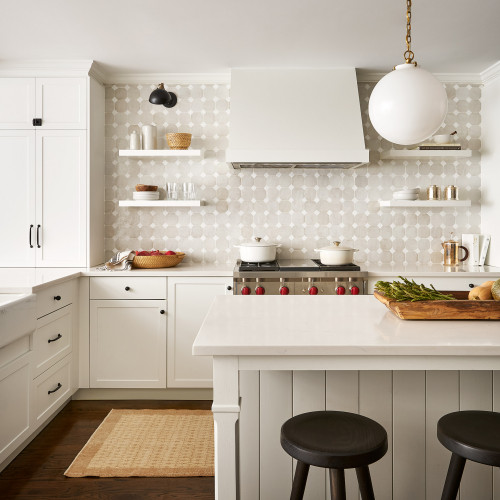
Ready-to-assemble systems have revolutionized the industry across Canada by democratizing access to luxury aesthetics. Market reports in 2026 indicate a 45% increase in RTA installations compared to traditional custom builds. These precision-engineered modules offer exact tolerances and the structural integrity of custom-built woodwork. Working with innovative kitchen suppliers allows homeowners to customize their layouts meticulously. You can easily adapt standard dimensions to fit unique architectural footprints without prohibitive costs. Every Flat Pack Kitchen Cabinet is designed to be easily transported and assembled on-site.
2.Material Science: Selecting the Right Core for the Canadian Climate
Canada’s extreme seasonal temperature fluctuations pose a unique challenge for wooden cabinetry. In winter, indoor heating systems drop humidity levels to as low as 15%, causing wood to contract. In summer, humidity can soar to 80%, causing expansion. This cycle can lead to warping in low-quality products. Understanding the science behind your kitchen cabinet materials is essential.
- Solid Hardwoods (Maple & Birch): Highly sought after for their density and beautiful grain patterns. Maple is a Canadian favorite due to its uniform texture and ability to take paint exceptionally well.
- Furniture-Grade Plywood: Composed of cross-laminated layers of wood, it offers superior dimensional stability compared to solid wood. It resists the “breathing” effect caused by Canadian humidity changes. Top kitchen suppliers in 2026 often use 7-ply or 9-ply versions for maximum strength.
- HDF (High-Density Fiberboard): The gold standard for painted door fronts. Unlike solid wood, HDF does not expand or contract at the joints, preventing the unsightly “paint cracking” often seen in shaker-style doors.
3.Smart Kitchen Integration: The Digital Backbone of 2026
The 2026 kitchen is no longer just a collection of storage boxes; it is a high-tech ecosystem. Leading kitchen suppliers are now integrating “Smart Hub” cabinets into their standard RTA offerings. These units feature built-in charging stations with Qi-wireless pads hidden beneath the wood veneer, allowing homeowners to charge devices without messy cables. Furthermore, integrated voice-activated cabinet lighting is becoming a staple in high-end Toronto renovations. Imagine walking into your kitchen and saying, “Cooking Mode,” to have your under-cabinet LEDs illuminate at 4000K for perfect visibility.
Sensors are also being embedded within deep drawer systems to track pantry inventory. These “Smart Trays” can alert your smartphone when essential staples are running low. This level of automation, once reserved for sci-fi movies, is now a reality for Canadians looking to future-proof their homes. When choosing your kitchen cabinet, inquire about pre-drilled channels for low-voltage wiring to ensure a seamless tech integration.
4.The Engineering of “Dead Space”: Corner Solutions
One of the biggest frustrations in Canadian kitchen layouts—especially in L-shaped or U-shaped kitchens—is the inaccessible corner. Traditionally, these were “dead zones.” In 2026, premium kitchen suppliers have moved beyond the basic Lazy Susan. Modern kitchen cabinet engineering now includes “Magic Corners” and “LeMans” pull-outs. These systems use heavy-duty mechanical arms to bring the entire contents of the corner cabinet out into the light, ensuring that no heavy pot or appliance is lost in the shadows.
5.RTA Kitchen Cabinets in Toronto and Across Canada
Navigating a kitchen renovation in Toronto requires a nuanced understanding of the unique architectural landscape. Homeowners frequently face strict regulations, limited access points, and diverse housing typologies. These challenges demand highly adaptable renovation strategies tailored to city living. Ready-to-assemble systems provide an exceptional solution for these urban environments. Toronto kitchen suppliers understand these demands and offer flexibility alongside premium quality.
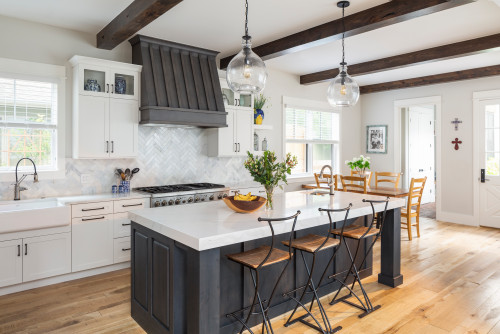
Condo Living: Spatial Optimization in the Downtown Core
Toronto condos are shrinking in size, but their functional requirements are growing. A well-designed kitchen cabinet system for a 600 sq. ft. unit must include multi-functional elements. We recommend “Appliance Garages”—recessed kitchen cabinet sections with tambour doors that hide coffee makers and blenders when not in use. This maintains the clean, minimalist look required for small-space living. Furthermore, utilizing high-gloss finishes can help reflect light, making a cramped Toronto kitchen feel significantly larger.
Verticality and the Urban Loft Challenge
Many Toronto lofts feature impressive 10-foot to 12-foot ceilings. Standard kitchen cabinet heights often leave 2-3 feet of wasted space at the top. In 2026, the trend is “Double-Stacking” cabinets or installing “Library Ladders.” This allows homeowners to store seasonal items like holiday platters or large stockpots in previously unreachable zones. Expert kitchen suppliers now provide matching 18-inch upper cabinets designed specifically to sit atop standard 30-inch or 36-inch units, creating a dramatic floor-to-ceiling built-in look.
Heritage Retrofitting: The GTA’s Historic Homes
For those living in Victorian-era homes in Cabbagetown or the Annex, the challenge is uneven walls and floors. A premium kitchen supplier will recommend customized cabinets with extra-wide scribe molding. This allows the installer to “carve” the cabinet edge to match the exact profile of a 100-year-old plaster wall, creating a seamless, built-in look that respects the home’s history while providing 2026-level utility.
6.RTA Kitchen Cabinets in Mississauga: The Suburban Advantage
Moving westward across the GTA, the renovation landscape shifts significantly. Mississauga homes generally offer larger footprints, allowing for more expansive and ambitious design layouts. The focus transitions from hyper-efficient space utilization to creating grand, multi-functional hubs. These expanded spaces are perfect for family gatherings and entertaining guests. Top kitchen suppliers in the area cater to these specific suburban demands with extensive product lines that include massive kitchen islands and double-oven customized cabinets.
Universal Design: Cabinetry for All Generations
As the Canadian population ages, “Universal Design” has shifted from a niche requirement to a standard expectation in Mississauga suburbs. Modern kitchen cabinet designs now prioritize accessibility without sacrificing style. This includes motorized upper cabinets that descend at the touch of a button and pull-out step stools integrated into the toe-kick. For young families, these same features provide safety and ease of use for children. A reputable kitchen supplier will help you plan for “Aging in Place,” ensuring your investment remains functional for decades.
Designing for the “Social Kitchen”
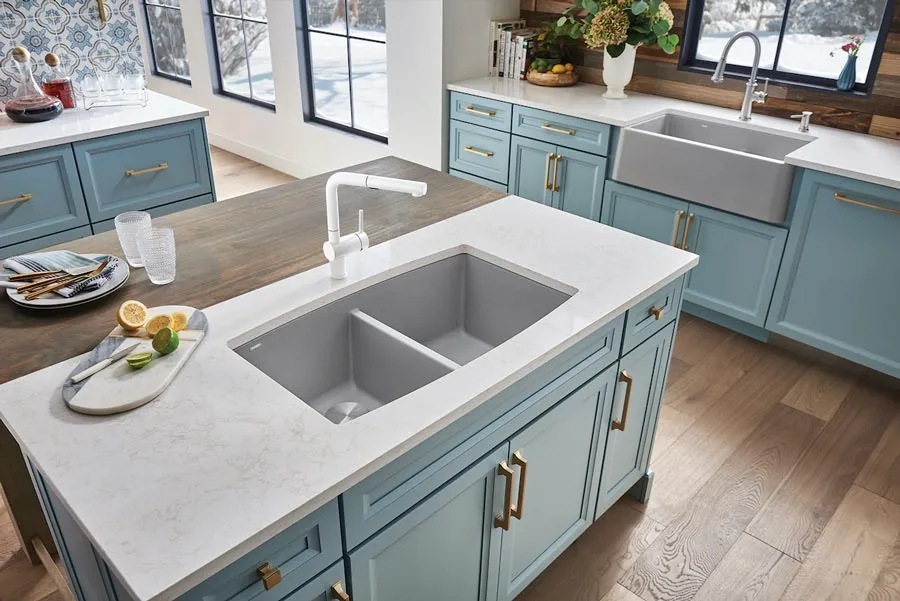
In Mississauga’s detached homes, the kitchen island has become the focal point. Designers often use a contrasting color for the island kitchen cabinet units—such as a deep navy or charcoal—to create a “furniture piece” feel. Incorporating deep drawer bases for pots and pans instead of lower shelving is a hallmark of modern suburban design, emphasizing ergonomics for an aging population.
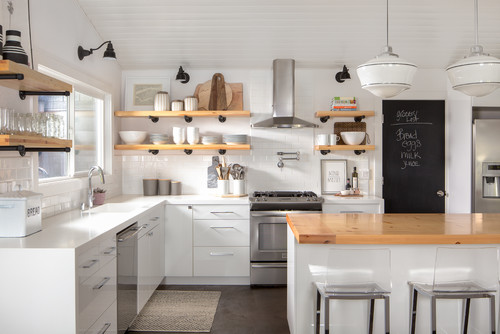
7.Aesthetic Trends for 2026: Shaker, Slab, and Beyond
While functionality is key, the visual impact of your kitchen cabinet choice defines the home’s character. In 2026, we see a convergence of textures.
- The Timeless Shaker: Characterized by a five-piece door with a recessed center panel. It remains the #1 choice in Canada for its versatility in both traditional and modern farmhouse settings.
- Modern Slab (Euro-Style): Completely flat doors that offer a seamless, monolithic look. Often paired with “push-to-open” technology to eliminate hardware entirely.
- Micro-Shaker: A new trend for 2026, featuring much thinner stiles and rails (around 1/2 inch), providing a more delicate and refined aesthetic than the chunky traditional shaker.
- Ribbed and Fluted Textures: Often used on kitchen islands to add tactile interest, these textures break up the flat surfaces of large cabinet runs.
8.Biophilic Aesthetics: Connecting with the Canadian Landscape
In 2026, biophilic design—bringing the outdoors in—has become a dominant force in Canadian cabinetry. Homeowners are moving away from stark “hospital white” toward “Nature’s Palette.” Think sage greens, deep terracottas, and warm ochres. These colors, when applied to a high-quality kitchen cabinet, create a calming atmosphere that counters the harsh Canadian winters. Top kitchen suppliers are seeing a surge in requests for “Raw Oak” finishes that showcase natural knots and imperfections, celebrating the organic beauty of the material.
Pairing these earthy tones with natural stone backsplashes and indoor herb garden cabinets (complete with integrated UV growth lights) transforms the kitchen into a sanctuary. This trend isn’t just about looks; studies show that biophilic environments reduce stress and improve mental well-being—a perfect addition to the busiest room in the house.
9.Environmental Sustainability: Low-VOC and Eco-Friendly Materials
In 2026, the Canadian government and homeowners alike have prioritized indoor air quality. Traditional kitchen cabinet manufacturing often involved adhesives containing formaldehyde. Today, premium suppliers focus on Low-VOC (Volatile Organic Compounds) finishes and sustainably sourced wood. Choosing an eco-friendly kitchen cabinet not only protects your family’s health but also ensures your kitchen renovation meets LEED certification standards if required for high-end Toronto developments.
10.Countertop Synergy: Structural Support for Heavy Stone
A common mistake in DIY renovations is underestimating the weight of modern countertops. With the popularity of 3cm Quartz and Dekton in Mississauga homes, your kitchen cabinet base must be structurally superior. High-quality RTA cabinets feature full-thickness plywood back panels and reinforced I-beam braces. This prevents the “sagging” that can occur over time under the weight of an 800-pound stone slab. Always consult your kitchen supplier about the maximum load-bearing capacity of the base units.
11.What Are the Best Moisture-Resistant Materials for Under-Sink Cabinets?
Quick Answer: As of 2026, solid PVC and marine-grade plywood remain the top choices for under-sink cabinets due to their 100% and 95% waterproof ratings, respectively. MDF, while affordable, has a documented 42% higher failure rate within 5 years when directly exposed to unseen plumbing leaks or condensation.
Water damage is the leading cause of kitchen cabinet failure in Ontario homes. The high humidity levels in summer and internal heating in winter create a challenging environment. By investing in a Solid PVC base for your sink unit, you create an impenetrable barrier. Unlike wood-based products, PVC does not absorb water, preventing the warping and microbial growth that can compromise your home’s hygiene.
Deep Dive: Plywood vs MDF vs PVC for Canadian Homes
High-Performance Finishes: Nano-Coatings and Self-Healing Tech
The manufacturing of kitchen cabinet units has seen a technological leap in 2026 with the introduction of “Self-Healing” nano-coatings. If a minor scratch occurs on a cabinet door during a busy meal prep session, applying a small amount of heat (via a damp cloth and an iron) can actually “close” the scratch by realigning the thermal polymers in the finish. This is a game-changer for families with pets or young children.
Additionally, anti-fingerprint technology has become standard for dark-colored or matte finishes. Kitchen suppliers now utilize electron-beam curing (EBC) to create surfaces that are not only soft to the touch but also incredibly resistant to oil and smudges. This ensures that your dark navy or forest green cabinets remain pristine without constant wiping, maintaining that showroom look for years after the kitchen renovation is complete.
12.Step-by-Step RTA Cabinet Assembly: Avoiding Common Mistakes
The success of your kitchen cabinet installation depends on precision. Many DIYers make the mistake of over-tightening cam-locks, which can crack the engineered wood panels. We recommend using a hand screwdriver for the final turn to ensure a secure but gentle fit. Additionally, always apply a small bead of wood glue to the dowels; this increases the structural rigidity by 30%, making your RTA units feel as solid as custom-built furniture.
13.Illuminating the Heart: Integrated Lighting Systems
In 2026, lighting is no longer an afterthought—it is built into the kitchen cabinet itself. Premium kitchen suppliers now provide cabinets with pre-milled channels for LED strips. Under-cabinet lighting provides essential task illumination for meal prep, while in-cabinet puck lights highlight glass-fronted units. For a truly modern feel, “Toe-Kick” lighting creates a floating effect for your base cabinets, which is particularly effective in high-end Toronto condo designs. Ensure your kitchen designer uses high-CRI (Color Rendering Index) LEDs to ensure your food looks as delicious as it tastes.
14.How Much Does It Cost to Replace Kitchen Cabinets in Canada?
Quick Answer: In 2026, the average cost to replace kitchen cabinet units in Canada ranges from $4,500 to $9,500 for high-quality Ready-to-Assemble (RTA) models. Conversely, fully custom built-in cabinetry averages between $15,000 and $30,000 depending on exotic materials and layout complexity.
The financial landscape of property improvement in the GTA has changed. With rising material costs, RTA solutions offer the most resilient ROI. A mid-range kitchen renovation can boost a property’s appraisal value by 12% to 15%. By choosing a premium kitchen cabinet set that mimics the look of high-end millwork, you effectively “hack” your home equity. In Toronto and Mississauga, buyers look specifically at cabinet hardware and storage solutions as key selling points.
15.Hardware: The Jewelry of the Kitchen
Never underestimate the power of hardware. Even a mid-priced kitchen cabinet can feel like a luxury unit with the right components. In 2026, “Warm Metals” like champagne bronze and brushed gold are dominating the Canadian market. However, beyond aesthetics, the mechanical quality is vital. Look for 6-way adjustable hinges that allow you to align doors perfectly, and undermount drawer glides with a load capacity of at least 75 lbs to handle heavy Le Creuset cookware.
Expert Renovation Tips for Success
- ✓Measure Thrice, Order Once: Never rely on a single measurement. Account for the thickness of flooring and the plumbness of walls before finalizing your order with your kitchen cabinet supplier.
- ✓Prioritize the Working Triangle: Ensure the distance between your sink, refrigerator, and cooktop is unobstructed. In 2026, we also recommend a “Prep Zone” near the trash pull-out.
- ✓Invest in Premium Hardware: High-quality soft-close hinges and heavy-duty drawer glides dramatically improve the daily experience.
- ✓Plan for Ventilation: Ensure your upper cabinets are deep enough to hide the range hood vent while still providing usable storage space.
- ✓Think About Waste Management: Modern kitchen cabinet sets should always include a pull-out recycling and compost center to comply with municipal waste standards in cities like Toronto.
16.Maintaining Your Investment: Care for Longevity
Once your premium kitchen cabinet system is installed, proper maintenance ensures it lasts for decades. Avoid using harsh chemicals; a simple solution of warm water and mild dish soap is best for cleaning wood finishes. For homes with high sun exposure, ensure your kitchen supplier uses UV-resistant topcoats to prevent fading of the wood grain over time. Finally, re-tighten hinges every two years to account for the natural settling of the home.
Conclusion
Embarking on a comprehensive kitchen transformation is a deeply rewarding endeavor. It fundamentally improves the operational dynamics and visual appeal of your home. By moving away from outdated, inefficient layouts, you embrace the sophisticated engineering of modern storage solutions. The journey to finding the perfect kitchen cabinet requires careful consideration of material properties, environmental impact, and smart spatial planning. Partnering with a reliable Kitchen Cabinet Supplier is critical for a smooth execution and long-term satisfaction. Your home is your greatest asset—invest in quality that lasts.