
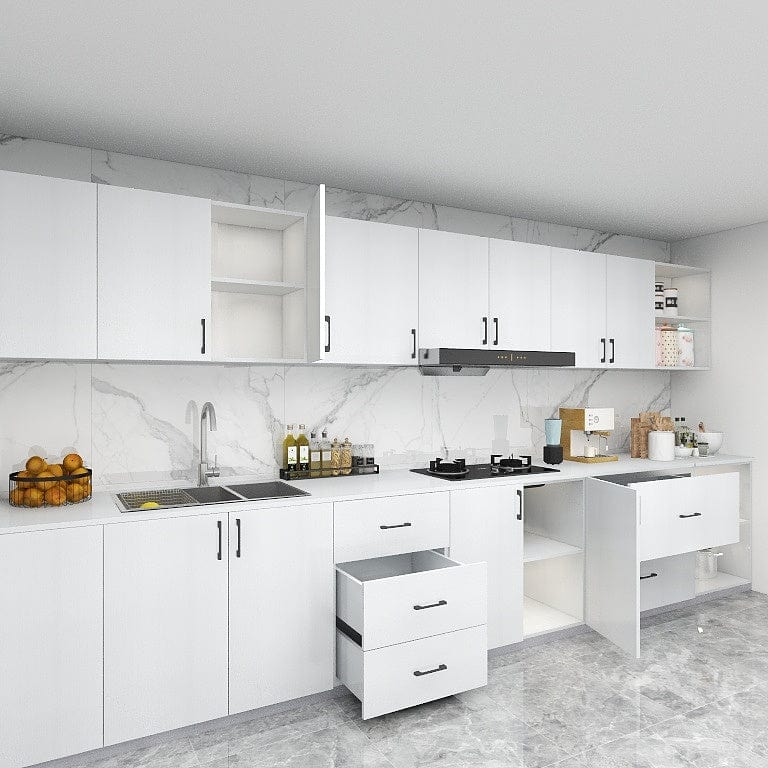
The Ultimate Guide to Ready-to-Assemble Kitchen Cabinets for Modern Home Renovations in Canada
The kitchen serves as the central hub of daily life across Canada. It is a space where meals are prepared and families gather. A high-quality kitchen cabinet is the cornerstone of any beautiful kitchen renovation. Older culinary spaces often become inefficient and visually displeasing over time. Embarking on a renovation project is a significant decision. It is heavily influenced by budget, timeline, and the desired quality. The Canadian home improvement industry has seen a shift toward ready-to-assemble cabinetry. This approach to interior storage provides homeowners with a pathway to achieve a luxurious appearance. It avoids the exorbitant costs and extended wait times associated with custom millwork.
Navigating the world of home remodeling requires a deep understanding of materials and local market dynamics. Meticulous planning is vital for success. This guide explores every facet of upgrading your culinary workspace in Canada. It provides detailed insights into material selection and layout planning. We explain the structural benefits of a premade kitchen cabinet. We will help you find the best kitchen supplier for your needs.
1. What Is the Framework of RTA Kitchen Cabinets?
Quick Answer: Ready-to-Assemble (RTA) kitchen cabinets are modular storage units manufactured in bulk and shipped flat-packed directly to consumers or contractors. According to the 2026 Canadian Home Builders’ Association (CHBA) remodeling report, these flat-pack systems now account for over 58% of all new kitchen renovations nationwide. They combine premium furniture-grade plywood construction with advanced European-style hardware, effectively bypassing the 8-to-12-week delays and inflated labor costs associated with traditional custom carpentry.
Before diving into the specifics of design and installation, it is crucial to understand what ready-to-assemble units actually entail. You must know how they differ from other options on the market. Modern engineering has completely transformed how these units are structurally designed, ensuring they meet the heavy load-bearing requirements of thick stone countertops.
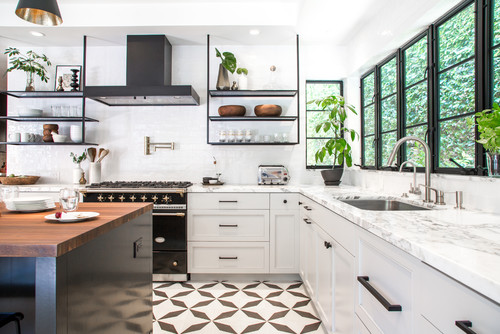
1.1. The Evolution of Flat-Pack Storage Solutions
Historically, Canadian homeowners had two primary choices for kitchen storage. They could buy expensive custom-built units crafted by local cabinet makers. Alternatively, they could choose pre-assembled stock cupboards found at large home improvement stores. Custom units offered unparalleled quality but required massive budgets. Stock units were affordable but often lacked durability. The introduction of ready-to-assemble methodology bridged this gap. Choosing a Flat Pack kitchen cabinet ensures you get premium quality. It is a fantastic alternative to an ikea cabinet. You avoid the custom price tag.
By manufacturing premium components in bulk, manufacturers drastically reduce freight costs. These savings are passed directly to the consumer offering a cheap Price. Today, these flat-pack solutions feature robust materials and sophisticated joinery. They rival expensive custom shops.
1.2. Core Components and Hardware Mechanics
A high-quality kitchen cabinet consists of several critical components working in harmony. The main box forms the structural foundation. The face frame provides rigidity and a mounting surface for doors. Frameless styles offer a sleeker look and slightly more interior volume.
The hardware is equally important for your kitchen cabinet. Premium systems utilize six-way adjustable, soft-close hinges. These prevent doors from slamming, protecting the wood finish. Drawer boxes should feature full-extension, under-mount glides. This allows full access while supporting substantial weight from heavy pots.
2. Material Selection and Manufacturing Quality
The longevity and resilience of your new culinary space depend entirely on the materials chosen during the manufacturing process. Understanding these materials ensures an investment that withstands decades of daily use.
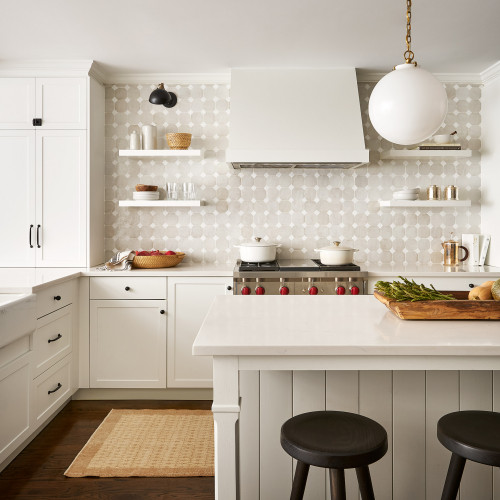
2.1. Kitchen Cabinet Construction Materials
The industry standard for a premium kitchen cabinet is furniture-grade plywood. Plywood consists of thin layers of wood veneer glued together. This creates a remarkably strong core that resists warping in humid Canadian environments. Plywood boxes hold screws securely and provide excellent structural integrity for heavy stone countertops.
Alternatively, some manufacturers use Medium Density Fiberboard. While engineered woods are cost-effective, they are more susceptible to moisture damage. If water penetrates the outer laminate, the core can swell. For a lasting investment, plywood remains the superior choice for your kitchen cabinet.
2.2. Door Styles and Surface Finishes
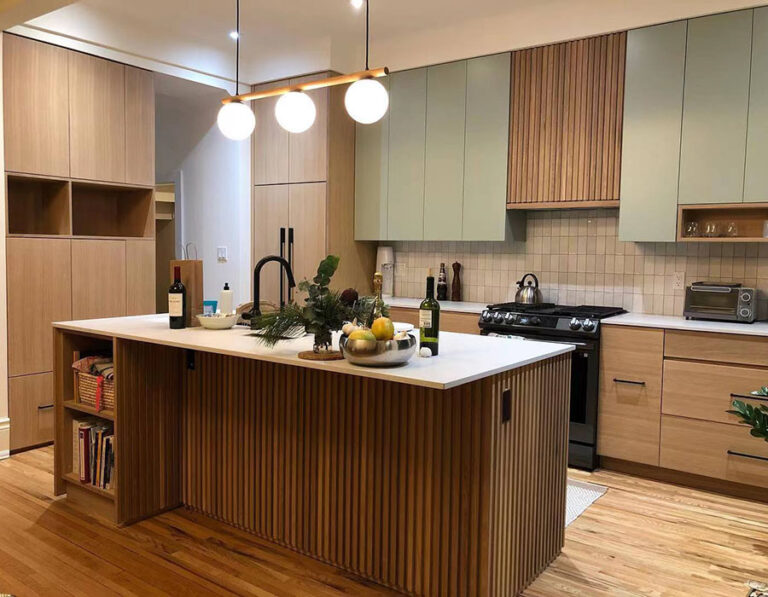
The doors of your kitchen cabinet dictate the entire aesthetic of the room. The Shaker style remains incredibly popular due to its versatile nature. It blends seamlessly with both traditional and contemporary Canadian decors. Raised panel doors offer a more formal appearance. Upgrading with nieu cabinet doors can also modernize your space instantly.
Finishes vary from natural wood stains to high-quality painted finishes. Homeowners often search for the best kitchen cabinet colors Canada to match their regional lighting. Premium manufacturers utilize a multi-step finishing process. This creates a hard, durable surface that resists scratches and chemical wear.
3. RTA Kitchen Cabinets in Toronto
Homeowners residing in the metropolitan hub of Ontario face unique challenges and opportunities. The architectural diversity of the city requires adaptable and intelligent design solutions.
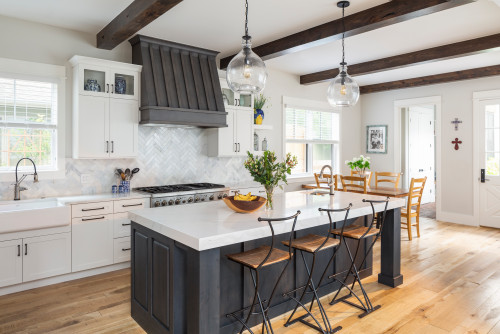
3.1. Navigating Renovations in Toronto Condos
A significant portion of the city population resides in high-rise buildings. A kitchen cabinet renovation in Toronto condominiums presents logistical hurdles. Elevators have strict size limitations. Working with reliable Kitchen Suppliers makes the entire condo renovation process smoother.
Ready-to-assemble units are the perfect solution for this environment. Because every kitchen cabinet arrives in flat boxes, they can be easily transported. Toronto homeowners can store the flat boxes in a spare bedroom until assembly. This keeps the living space relatively uncluttered during the chaotic demolition phase.
3.2. Maximizing Space in Urban Dwellings
Many older properties in the downtown core feature narrow footprints. In these spaces, every square inch of your kitchen cabinet matters. By utilizing clever internal organizers, homeowners can double their functional storage capacity. Designing vertically is a crucial strategy for maximizing utility in constrained urban environments. Tall upper kitchen cabinets that reach the ceiling are ideal here.
3.3. Climate Considerations for Ontario Kitchens
The Greater Toronto Area experiences extreme seasonal shifts. These fluctuations cause natural wood products to expand and contract. A high-quality plywood kitchen cabinet combined with properly sealed doors is essential to withstand the climate. Maintaining a consistent indoor humidity level will protect the structural integrity over the long term.
4. RTA Kitchen Cabinets in Mississauga
Moving west of the city core, Mississauga homes boast larger footprints. This allows for more expansive and ambitious design layouts.
4.1. Upgrading Suburban Mississauga Townhouses
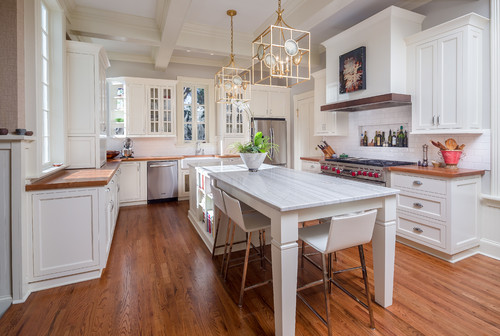
Finding the right Kitchen Cabinet Mississauga options can elevate your entire layout, providing you with the best cabinets in Mississauga for your specific needs. Owners of Mississauga townhouses frequently choose to remove partition walls. This creates a seamless flow between the cooking area and the living room.
This open layout often centers around a large island. A modular kitchen cabinet allows for the affordable creation of massive islands that rival high-end customized cabinets. These feature deep drawer bases and integrated waste sorting systems. This transforms the space into a true gathering hub for family and guests in Canada.
4.2. Sourcing from Local Suppliers in Mississauga
Logistics play a massive role in the timeline of any renovation. Finding a dedicated Kitchen Cabinet Supplier nearby guarantees excellent customer support and comprehensive cabinet services. Sourcing materials locally dramatically reduces shipping transit times. If a specific kitchen cabinet component is accidentally damaged, having a distribution center nearby prevents frustrating delays.
4.3. Family-Friendly Designs in Peel Region
Suburban living often revolves around family dynamics. Mississauga homes require a highly durable kitchen cabinet to handle daily traffic. Designing with a focus on durability means selecting finishes that hide fingerprints. Creating a designated baking station enhances the daily rhythm of family life.
5. The Design Phase: Planning Your Layout
A successful renovation begins long before any demolition occurs. Meticulous planning and thoughtful spatial design are the bedrocks of a functional cooking environment.
5.1. The Classic Work Triangle vs. Work Zones
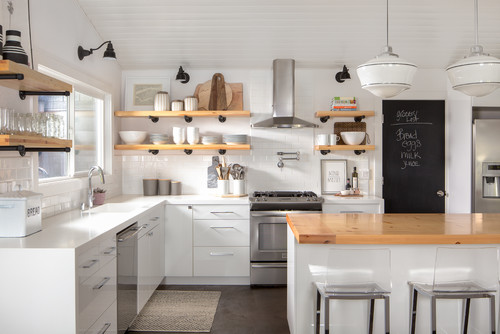
For decades, professional kitchen designers relied on the concept of the work triangle. Modern design often shifts toward the concept of work zones. Zone design segments the room into specific functional areas. This methodology allows multiple people to work around the kitchen cabinet simultaneously without crossing paths.
5.2. Popular Architectural Layouts
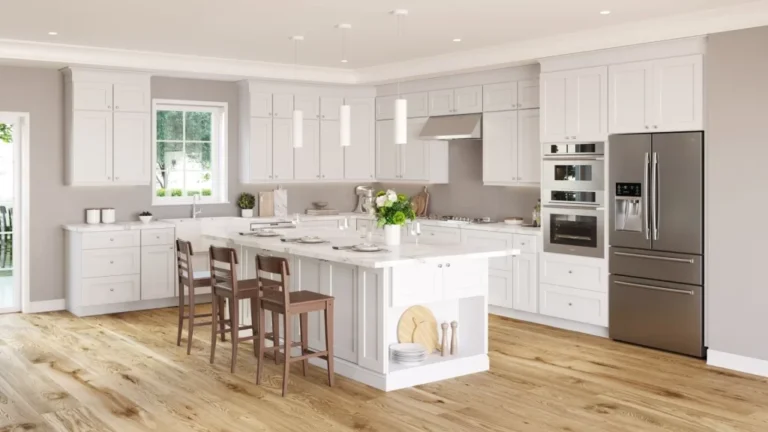
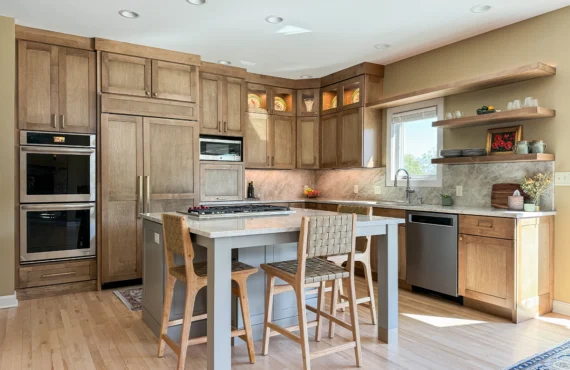
Selecting the correct layout depends entirely on the architectural footprint of your room. The L-Shaped Layout is highly versatile. It naturally accommodates a center island if floor space permits. The U-Shaped Layout maximizes your kitchen cabinet storage capacity. It creates an efficient, enclosed cooking environment.
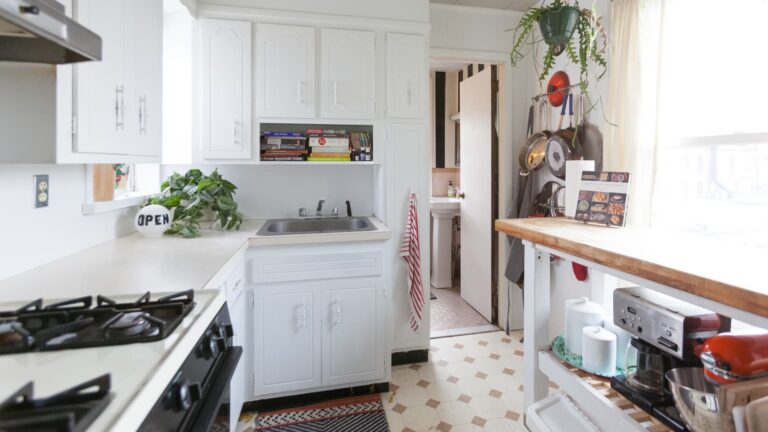
The Galley Layout features two parallel runs of cabinetry. It is incredibly efficient for a single cook. The Island-Centric Layout serves as a backdrop. A massive central island houses the primary sink and preparation area. Finding the right rti cabinet style makes any layout shine.
5.3. How Much Do Kitchen Cabinets Cost in Canada (2026)?
Quick Answer: As of early 2026 data, fully custom cabinets in Canada average $800 to $1,500 CAD per linear foot. In contrast, RTA kitchen cabinets range strictly from $250 to $550 CAD per linear foot. Homeowners typically save 35% to 50% by opting for ready-to-assemble units, allowing budget reallocation toward premium countertops and appliances while maintaining excellent structural longevity.
Financial planning is arguably the most stressful aspect of home improvement. Understanding where to allocate your budget ensures you achieve the best possible return on investment. Below is a detailed breakdown of current comparative pricing structures.
| Cabinet Type | Average Cost per Linear Foot (CAD) | Customization Level | Delivery Timeline |
|---|---|---|---|
| Fully Custom | $800 – $1,500+ | Limitless | Eight to Twelve Weeks |
| Pre-Assembled Stock | $200 – $400 | Very Low | Immediate to Two Weeks |
| Ready-to-Assemble (RTA) | $250 – $550 | High | One to Three Weeks |
Choosing the modular flat-pack route often saves homeowners between thirty and fifty percent. A Low Price kitchen cabinet does not mean sacrificing durability. Opting for a ready-to-assemble kitchen cabinet is a smart strategy for strict timelines. These savings can be reallocated to other premium upgrades like stone countertops.
5.4. Establishing a Realistic Budget
A general rule in Canadian real estate suggests that a remodel should cost between five and fifteen percent of the total home value. Allocate approximately thirty percent to your kitchen cabinet budget. Reserve the final fifteen percent as a contingency fund for unexpected structural or plumbing issues.
6. Step-by-Step Assembly Guide
The prospect of building your own furniture can seem daunting. However, manufacturers engineer their products for intuitive assembly requiring only basic hand tools.
6.1. Workspace Preparation and Inventory
Premium manufacturers engineer every kitchen cabinet for straightforward assembly. Begin by clearing a large area to protect the wood finishes. Upon delivery, cross-reference every box. Open one kitchen cabinet box at a time to prevent mixing up hardware.
6.2. Understanding Joinery Methods
Different manufacturers utilize varying assembly techniques. Cam-lock systems use metal pins and rotating discs. This method is fast and requires no glue for your kitchen cabinet. Dado joints provide superior structural rigidity. These joints require the application of high-quality wood glue along the seam.
6.3. The Assembly Sequence
- Lay out the face frame face down on your protective blanket.
- Apply wood glue to the grooves and secure the side panels.
- Slide the bottom panel into its grooves to form the kitchen cabinet base.
- Use specialized assembly clips or brad nails to lock the structure.
- Attach the drawer glide brackets and mount the hinge plates to the frame.
7. Professional vs. DIY Installation
Once assembled, the units must be securely anchored to your walls. This stage requires precision, patience, and a basic understanding of structural framing.
7.1. Assessing Your Capabilities
Installing a kitchen cabinet requires lifting heavy boxes and locating structural wall studs. If you possess a laser level and a high-quality stud finder, tackling the installation yourself saves thousands of dollars in Canada.
However, if your walls are severely out of plumb, hiring a professional contractor is a wise investment. They ensure every single kitchen cabinet hangs perfectly straight. This guarantees a flawless finish for your entire home renovation project.
7.2. Executing the Wall Installation
Installation always begins with the upper wall units. Use a stud finder to locate every wooden stud behind your drywall. Fasten a temporary ledger board to support the weight. Connect adjacent boxes together using specialized joining screws. Ensure the face frames of each kitchen cabinet are perfectly flush.
7.3. Setting the Base Units
Move on to the lower boxes, beginning in the prominent corner. Use wooden shims beneath the base to ensure the box is perfectly level. A perfectly level base is absolutely critical. Failure to achieve this will result in cracked stone countertops down the line. Cut and install a solid toe-kick panel along the bottom to hide the adjustable legs.
8. Integrating Countertops and Backsplashes
The casework provides the foundation, but the horizontal surfaces and vertical accents complete the visual story of the room.
8.1. Pairing Surfaces with Your Cupboards
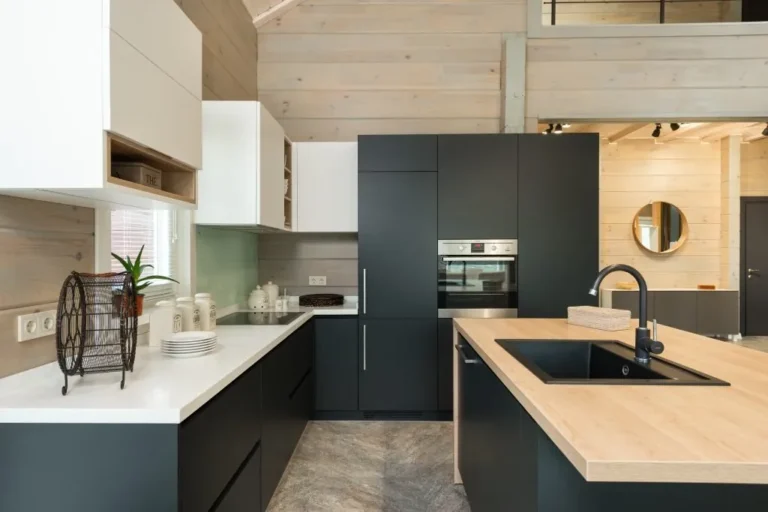
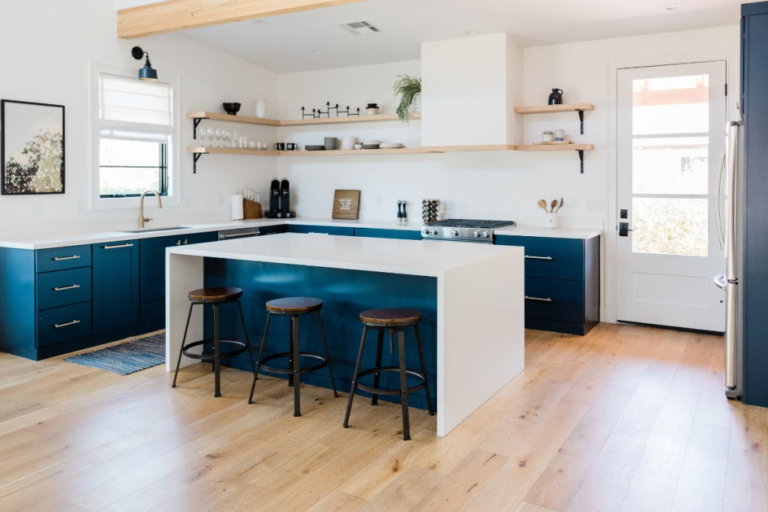
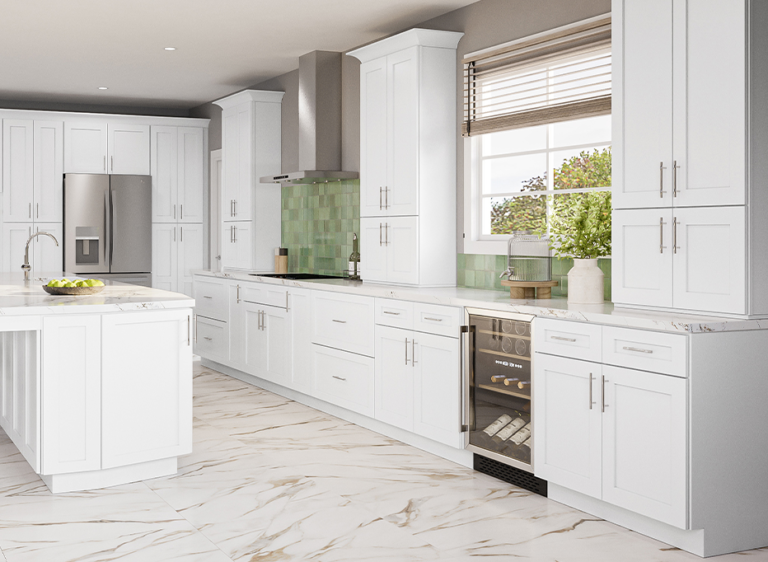
White or light gray Shaker storage units pair beautifully with white quartz countertops. These feature subtle grey veining, mimicking natural marble. For a dramatic aesthetic, pair dark navy lower built-in cabinets with pure white upper units and a warm butcher block surface.
The backsplash serves as the protective barrier against culinary splatters. Classic subway tile laid in a brick pattern offers timeless appeal. Intricate geometric mosaics provide a distinctly modern, luxurious edge to Canadian homes.
9. Finishing Touches: Lighting and Hardware
Lighting and hardware are often referred to as the jewelry of the room. These elements elevate the space from functional to exceptional.
9.1. Implementing Layered Lighting
A successful lighting plan incorporates three distinct layers. Ambient lighting illuminates the general space. Task lighting is crucial for safety; installing low-voltage LED light strips hidden behind the bottom lip of the upper casework provides bright illumination. Accent lighting adds visual drama and personality.
9.2. Selecting Knobs and Pulls
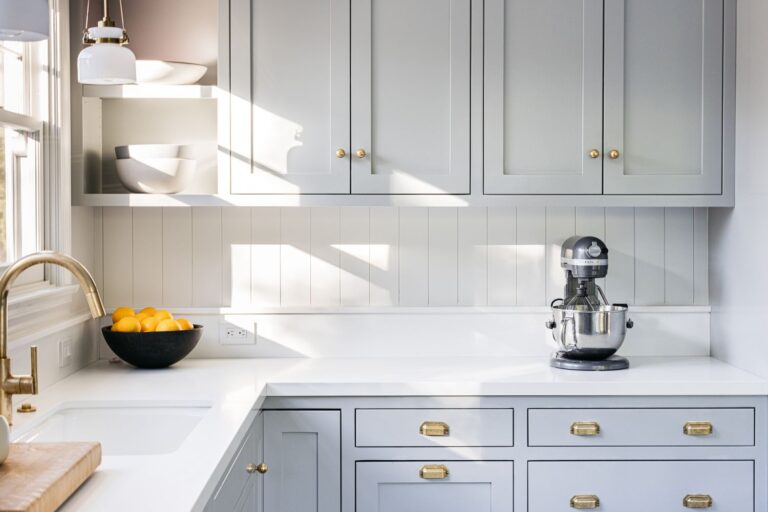
The style and finish of your hardware dramatically impact the overall design. Sleek, elongated bar pulls in brushed brass complement modern doors perfectly. Ensure the hardware finish coordinates thoughtfully with your sink faucet and visible lighting fixtures to maintain a cohesive aesthetic.
10. Long-Term Maintenance and Care Protocols
Investing in a beautiful new culinary space requires a commitment to routine care to preserve its structural integrity.
10.1. Routine Cleaning Procedures
Dust surfaces weekly using a soft microfiber cloth. For deeper cleaning, use a mild solution of warm water and a gentle dish soap. Lightly dampen the cloth, wipe the surface, and immediately follow with a dry cloth to prevent moisture damage. Never use abrasive scouring pads on painted wood surfaces.
10.2. Environmental Controls
Wood is an organic material that reacts to its environment. High humidity can cause doors to swell and stick. Maintain a stable indoor humidity level between thirty-five and fifty percent year-round in Canada to protect your investment. Keep heat-producing appliances pulled forward to prevent steam damage.
10.3. Hardware Adjustments
Over the years, the constant opening and closing of doors may cause them to shift. Premium soft-close hinges feature multi-directional adjustment screws. By carefully turning these screws, you can easily shift the door up, down, left, or right, restoring perfect symmetry.
Final Considerations for Your Renovation Journey
Transforming a dated room into a breathtaking culinary haven is a deeply rewarding endeavor. By carefully planning a layout optimized for your routines, you add immense functional value to your property. Modern flat-pack solutions provide the ultimate balance of superior craftsmanship and striking aesthetic versatility for Canadian homeowners.
Call our dedicated design hotline directly at +1 888 973 5636 to speak with a highly knowledgeable cabinet expert right now. You can also thoroughly explore our expansive premium material collections, view inspiring project galleries, and easily request a highly detailed personalized quote by visiting https://www.rtadepot.ca/ today. Your magnificent new home environment awaits your vision.