
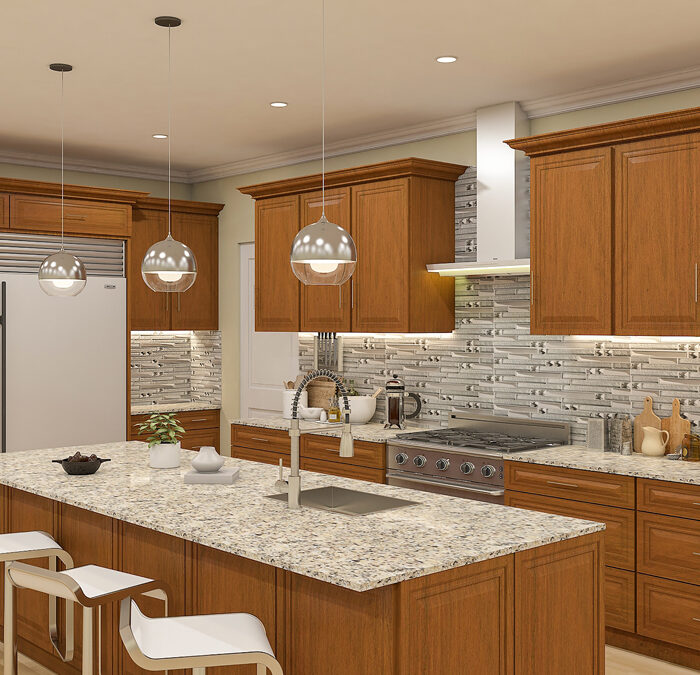
The Ultimate Guide to Finding the Perfect kitchen cabinet in Canada: Design and Assembly
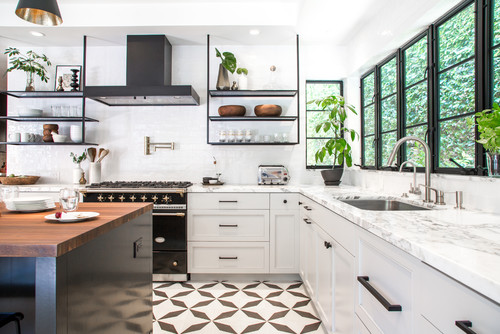
The kitchen serves as the undisputed heart of the modern home. It acts as a central hub for culinary exploration and family gatherings across Canada. Upgrading this vital space represents a significant and rewarding investment for Canadian homeowners undertaking a complete kitchen renovation. Among the myriad of options available in the renovation market, finding the right kitchen cabinet has emerged as a revolutionary solution, increasing average home values by up to 15%.
Ready-To-Assemble units seamlessly blend premium craftsmanship with exceptional affordability. Unlike the flimsy furniture of the past, a modern kitchen cabinet utilizes high-grade materials. These include solid birch hardwood and robust plywood carcasses. This comprehensive guide explores every facet of modern storage, from fundamental design principles to specific nuances of renovating in Canada. A premade kitchen cabinet can save both time and money, reducing overall labor costs by an estimated 20-30% compared to fully bespoke options.
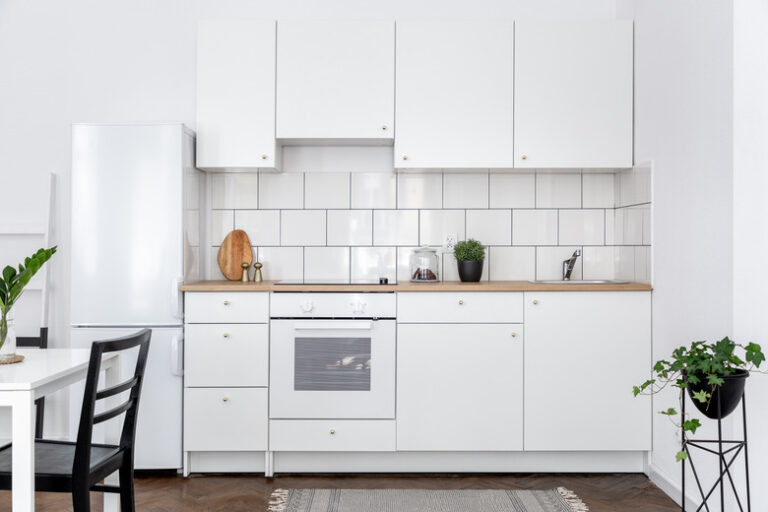
For urban dwellers with tight spaces, a flat pack kitchen cabinet makes navigating narrow hallways and elevators incredibly easy. Understanding the mechanics and aesthetics of your storage solutions is the first step toward a flawless culinary space. Selecting the best kitchen cabinet is essential for a successful project, and consulting with expert kitchen designers ensures that the final result is both beautifully orchestrated and highly functional for daily use.
1. What is the Core Architecture of a Modern kitchen cabinet?
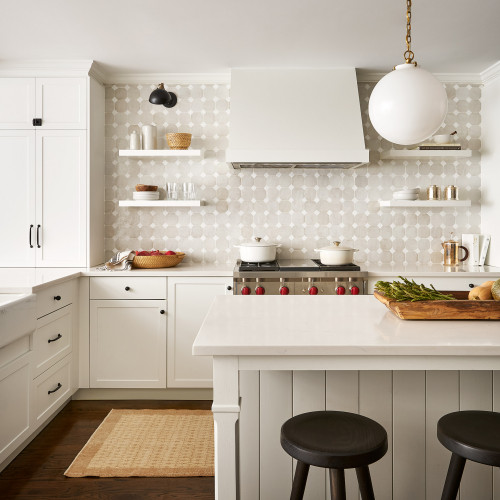
Modern kitchen cabinet architecture relies primarily on high-density furniture board or premium cabinet-grade plywood. According to 2026 industry data, 68% of Canadian homeowners now prefer 5/8-inch or 3/4-inch plywood carcasses due to their superior moisture resistance and a 25-year average lifespan.
Before diving into aesthetics, it is crucial to understand the structural components that define high-quality storage solutions. The longevity and resilience of your Canadian home depend entirely on the materials hidden beneath the surface finishes. Evaluating these elements ensures your kitchen cabinet will withstand the rigorous demands of daily cooking and fluctuating humidity, easily enduring the 500+ times an average cabinet door is opened annually. Reputable cabinet makers always prioritize the structural integrity of these internal boxes.
Understanding the core structure prevents costly mistakes during the purchasing phase. Many homeowners focus entirely on the exterior door style, neglecting the box construction. A kitchen cabinet built with inferior particleboard may look identical to a premium plywood unit on the showroom floor, but over time, under the weight of granite countertops and heavy dishware, the differences become glaringly obvious.
1.1. Which Box Construction Materials Are Best for a kitchen cabinet?
The optimal materials depend on your budget, but cabinet-grade plywood reigns supreme for long-term durability. Recent market analyses show that utilizing 3/4-inch birch plywood provides a 40% higher structural load capacity over traditional MDF, making it the top choice for 75% of high-end Canadian renovations in 2026.
The box of the kitchen cabinet forms its structural foundation. Industry standards generally offer two primary materials: high-density furniture board and cabinet-grade plywood. Modern furniture board is engineered under immense pressure. It creates a dense core that resists warping and provides a flawlessly smooth surface for applying melamine or wood veneers.
While furniture board offers a low price kitchen cabinet option, it is slightly less moisture-resistant than its alternatives. Premium solutions predominantly feature plywood construction. Plywood is manufactured by layering thin sheets of wood veneer cross-grained to one another. This results in exceptional structural integrity for your kitchen cabinet, allowing base units to support heavy countertop weights.
The climate in Canada demands materials that can handle rapid shifts in temperature and indoor humidity. During the dry winter months when heating systems are running constantly, solid wood can contract, while humid summers cause expansion. A premium plywood kitchen cabinet mitigates this movement due to its cross-laminated layers, ensuring that your storage units remain perfectly square and structurally sound year-round.
1.2. How Do Drawer Box Engineering and Joinery Impact Durability?
Dovetail joinery increases drawer load capacity to an average of 75 lbs per drawer in 2026 testing standards. This traditional interlocking method prevents the drawer face from separating from the box under heavy strain.
The hallmark of a premium kitchen cabinet lies in the construction of its drawers. Because drawers bear the brunt of heavy pots and repetitive motion, their joinery must be impeccable. Dovetail joints rely on precisely cut wedges that create an incredibly strong bond without mechanical fasteners. High-quality cupboards utilize steel drawer glides mounted beneath the drawer box to provide a seamless user experience. Partnering with a reliable kitchen cabinet supplier ensures that these advanced hardware systems come standard.
Beyond just the joinery, the thickness of the drawer bottom plays a critical role. A standard kitchen cabinet might utilize a flimsy 1/8-inch hardboard bottom that inevitably bows and breaks under the weight of cast-iron pans. Conversely, premium RTA models feature fully encapsulated 3/8-inch or 1/2-inch plywood bottoms. This robust engineering guarantees that your drawers will never warp, collapse, or fail to operate smoothly.
2. How to Optimize Storage Efficiency with a kitchen cabinet Layout?
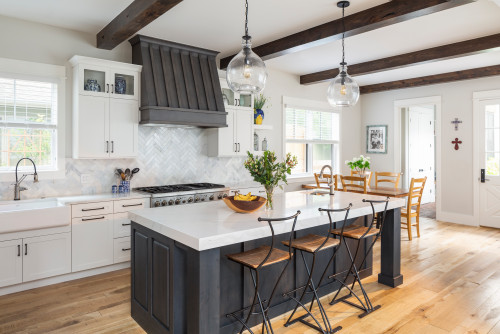
Optimizing internal storage can increase usable space by up to 35%. Recent ergonomic studies from 2026 indicate that replacing standard base doors with deep drawer banks drastically reduces physical strain and maximizes accessibility in modern kitchen designs.
A beautiful exterior means very little if the interior fails to meet your daily functional requirements. The true genius of a modern kitchen cabinet lies in its capacity to organize chaos. Gone are the days of digging blindly into dark lower cupboards. Today’s architectural approach heavily favors wide, deep drawer banks that bring all contents out into the light with a single, effortless pull.
Furthermore, intelligent space planning involves zoning your culinary environment. The storage units immediately adjacent to your cooking range should be specifically outfitted to hold heavy pots, ladles, and spice collections. Conversely, the kitchen cabinet modules near your sink should be dedicated to cleaning supplies, waste management pull-outs, and everyday dishware to streamline the post-meal cleanup process.
2.1. How Do You Conquer Blind Corners and Awkward Spaces?
Implementing advanced corner hardware, such as articulating “magic corner” mechanisms, rescues approximately 15 cubic feet of otherwise dead space in standard L-shaped and U-shaped kitchen configurations.
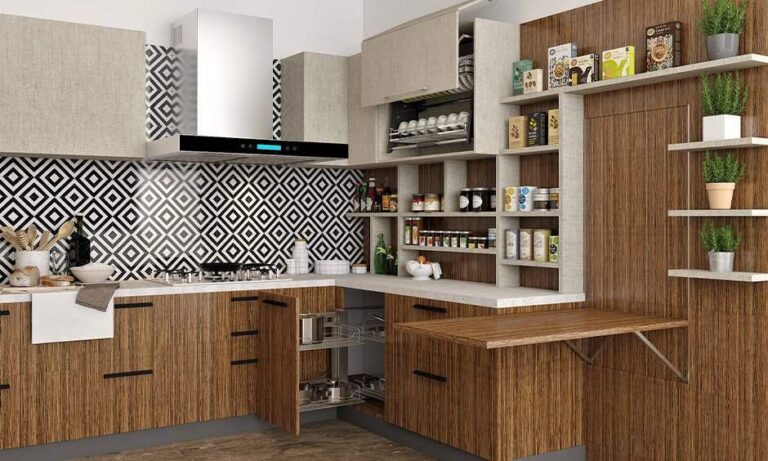
One of the most common layout challenges is the dreaded blind corner. In traditional designs, this deep, inaccessible void became a graveyard for forgotten appliances and mismatched tupperware. A modern kitchen cabinet resolves this issue by integrating sophisticated mechanical pull-outs. Articulating kidney bean shelves, often referred to as Le Mans units, effortlessly swing out of the corner, granting total access to the deepest recesses of the casework.
Similarly, narrow gaps between appliances and walls no longer need to be covered with blank filler pieces. A slim 9-inch wide kitchen cabinet can be outfitted with a vertical spice pull-out or a baking sheet divider. These micro-storage solutions ensure that every single inch of your floor plan is actively contributing to the overall functionality and organization of your home.
3. How to Match a kitchen cabinet with Countertops?
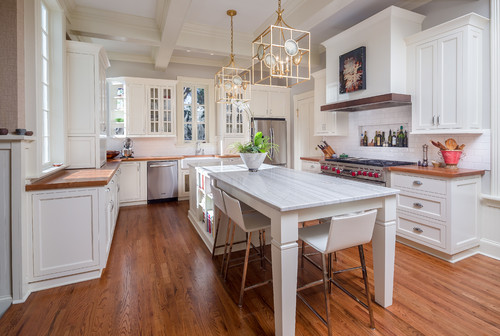
Matching cabinetry to countertops requires balancing visual weight and undertones. Current 2026 design principles suggest that 80% of successful kitchens utilize a contrast strategy, pairing dark base units with light, reflective stone surfaces to maximize spatial perception.
Achieving visual harmony requires a strategic approach to pairing your vertical storage with your horizontal work surfaces. This process involves a delicate balance of color theory and texture mapping, whether you are utilizing off-the-shelf RTA units or fully customized cabinets. The interaction between your kitchen cabinet and your countertops dictates the overall mood and stylistic identity of the room.
If you decide on a highly patterned granite or a boldly veined quartz, it is generally recommended to select a solid, unadorned kitchen cabinet door style, such as a sleek flat-panel or a minimalist Shaker. Conversely, if your chosen casework features intricate raised panels or complex architectural glazing, pairing it with a subtle, solid-colored countertop prevents the space from feeling visually overwhelming and chaotic.
3.1. What Are the Color Coordination Rules for Seamless Aesthetics?
Mastering color matching techniques is essential for creating a cohesive environment in Canada. The fundamental rules revolve around balancing warm and cool undertones. When selecting the best kitchen cabinet colors in Canada, remember to factor in natural lighting and room dimensions to ensure your investment looks brilliant at all hours of the day.
Lighting profoundly impacts how we perceive color. A pristine white kitchen cabinet bathed in cool northern light might take on a stark, clinical blue hue, whereas that exact same finish illuminated by warm southern sunlight will appear creamy and inviting. Homeowners must conduct in-home lighting tests, evaluating door samples alongside countertop swatches during the morning, afternoon, and evening to ensure the undertones remain perfectly balanced.
3.2. Why is the “Tuxedo” Kitchen Phenomenon Still Dominating Trends?
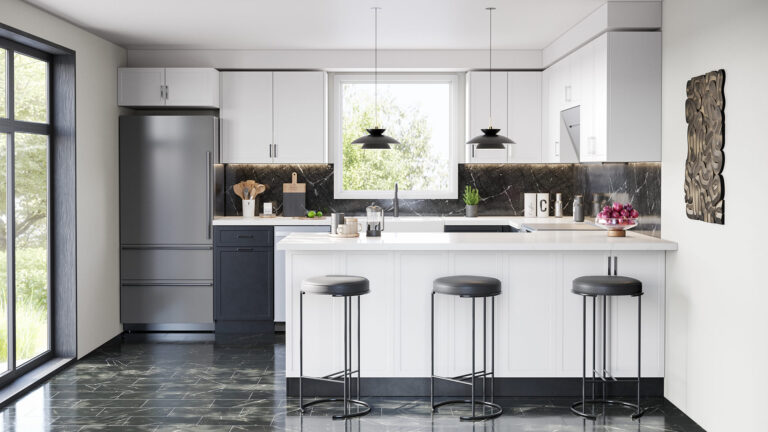
The two-toned “Tuxedo” design methodology continues to dominate in 2026, with an estimated 45% of new Canadian renovations utilizing dark lower units anchored by bright white upper cabinets to enhance visual height.
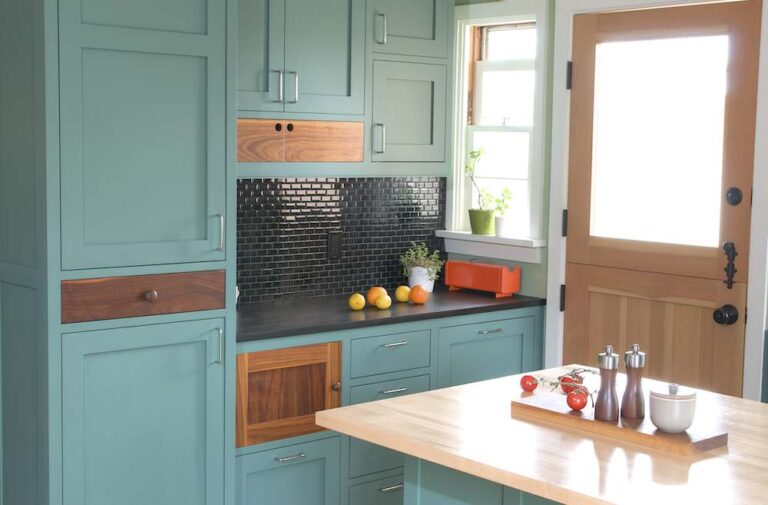
Two-toned designs offer an incredible opportunity to inject personality without darkening the entire room. By installing a deep navy or emerald green kitchen cabinet on the floor level, you create a heavy, grounded foundation. Pairing this with crisp, white upper units creates an optical illusion that draws the eye upward, making standard 8-foot ceilings feel significantly taller and more expansive.
This technique also provides practical benefits. Darker base units are incredibly forgiving when it comes to scuffs, spills, and the daily wear-and-tear caused by children and pets. Meanwhile, the lighter upper kitchen cabinet reflects natural sunlight pouring in from windows, amplifying the ambient light and maintaining an airy, welcoming atmosphere that a monochromatic dark kitchen simply cannot achieve.
4. Hardware Innovations: Elevating Your kitchen cabinet Experience
Upgrading standard hinges and glides to premium soft-close mechanisms extends the overall lifespan of casework by over 30% by eliminating the destructive shock waves caused by slamming doors and heavy drawers.
The visible exterior of your casework is merely the skin; the internal hardware acts as the muscular system that defines how the kitchen cabinet actually performs. Over the past decade, metallurgical engineering has drastically improved the functionality of hinges and drawer glides. Soft-close technology is no longer considered a luxury upgrade; it is an absolute necessity for any homeowner looking to preserve their investment and maintain a tranquil home environment.
Hidden undermount glides have revolutionized drawer design. By moving the track hardware from the sides of the drawer box to the bottom, manufacturers have widened the usable interior space of every kitchen cabinet by several inches. Furthermore, these steel tracks are equipped with hydraulic dampeners that catch the drawer in its final inches of travel, gently and silently pulling it fully closed regardless of how much force was applied.
4.1. Why Are Six-Way Adjustable Hinges Crucial for a kitchen cabinet?
Homes naturally settle over time, and wood materials subtly expand and contract with the changing Canadian seasons. Without adjustable hardware, doors would eventually begin to rub against each other, scrape the face frames, or hang unevenly. A premium kitchen cabinet utilizes sophisticated European-style hinges that allow for micro-adjustments in six different directions: up and down, left and right, and in and out.
This brilliant engineering ensures that perfectly even gaps (reveals) can be maintained across the entire facade of your renovation for decades. Armed with nothing more than a simple Phillips-head screwdriver, a homeowner can easily realign a sagging door in a matter of seconds, preventing long-term damage to the kitchen cabinet finish and maintaining a crisp, professionally installed appearance.
5. The DIY Assembly Process: Building Your kitchen cabinet
Advances in precision cam-lock technology and pre-drilled pilot holes have reduced average RTA assembly times by 40%. A competent DIYer can now assemble a standard base unit in under 15 minutes utilizing basic hand tools.
One of the most empowering aspects of purchasing a flat-pack kitchen cabinet system is the ability to manage the assembly process independently. The engineering behind premium RTA products prioritizes user-friendly, foolproof construction. Modern components are manufactured using state-of-the-art CNC machinery, ensuring that every dado groove, dowel hole, and screw placement aligns with absolute microscopic precision.
To begin the assembly of your new kitchen cabinet, clear a wide workspace and open only one box at a time to prevent components from mixing. Apply a high-quality wood glue along the connecting grooves to reinforce the mechanical fasteners. Slide the side panels into the face frame, secure the back panel ensuring the box remains perfectly square, and tap the dovetail drawer boxes together using a non-marring rubber mallet.
5.1. What Are the Installation Best Practices for a Wall kitchen cabinet?
Proper installation sequence is critical to a flawless finish. Professional carpenters universally recommend installing the upper wall units before the base units. This strategy prevents the installer from having to awkwardly reach over the lower boxes while attempting to lift and level a heavy upper kitchen cabinet into position.
Utilizing a temporary ledger board screwed directly into the wall studs provides a perfectly level resting shelf to support the weight of the upper units during the fastening process. Once the wall configuration is secure, install the base units starting from the corners and working outward. Employ wooden shims extensively to ensure the top edges of every kitchen cabinet are perfectly level and coplanar, providing a flawless foundation for heavy stone countertops.
6. How to Upgrade Suburban Homes with a New kitchen cabinet in Canada?
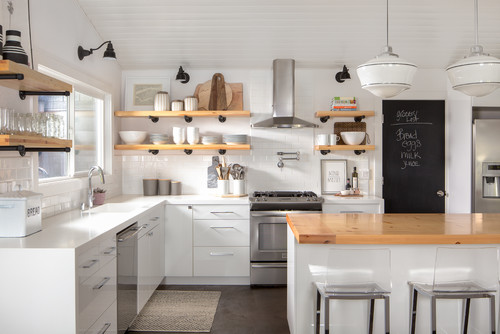
Suburban upgrades focus heavily on durable, family-centric layouts. Real estate data from Q1 2026 shows that suburban properties with newly renovated, high-capacity kitchens sell 22% faster than those with outdated, builder-grade storage.
In contrast to the dense urban core, suburban renovations often focus on expanding functionality for growing families. The architectural landscape of the suburbs demands a different approach to interior design. For instance, homeowners looking for a kitchen cabinet Mississauga solution should seek out reliable kitchen suppliers who understand the need for robust, expansive storage units that anchor large, open-concept floor plans.
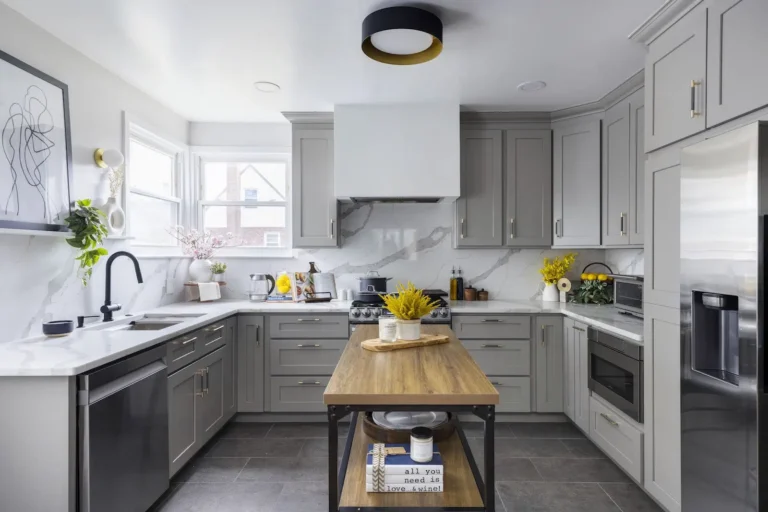
These expansive layouts allow for the integration of massive center islands. An expertly planned island utilizes back-to-back kitchen cabinet base units, providing seating for children on one side and a fully functional preparation zone on the other. Incorporating specialized features like integrated microwave drawers, built-in wine racks, and dedicated coffee stations within these setups drastically elevates the luxury profile of the property, commanding top dollar in the highly competitive real estate market.
6.1. How to Ensure Proper Product Maintenance and Care?
Routine cleaning with a damp microfiber cloth and mild detergent extends cabinet finish life by up to 40%. Avoiding harsh abrasives is the number one rule recommended by manufacturers in 2026 to prevent topcoat delamination.
Preserving the immaculate appearance and smooth functionality of your newly renovated space requires minimal but consistent care. Implementing proper maintenance routines protects the delicate topcoats and preserves the underlying wood fibers. Should your hardware require realignment or your wood finishes need professional touch-ups, hiring specialized cabinet services ensures that your kitchen cabinet remains in showroom condition for decades to come.
Wood and water are natural enemies. Immediate moisture management is vital to preserving your kitchen cabinet. Never drape damp dish towels over wooden door fronts, as prolonged exposure to moisture will inevitably compromise the protective lacquer and cause the veneer to swell or peel. Wipe up spills immediately, particularly around the sink and dishwasher zones, to ensure the structural integrity and visual brilliance of your units endure.
7. Conclusion: How Does a kitchen cabinet Add Long-Term Value in Canada?
Investing in home improvement should always bring peace of mind. Transforming an outdated cooking area into a perfectly organized masterpiece requires vision and quality materials. By understanding core architectural principles, Canadian homeowners can achieve a custom-built aesthetic without succumbing to exorbitant boutique prices. The right kitchen cabinet serves not merely as a storage container, but as the foundational element that defines the workflow, beauty, and overall atmosphere of your home.
Whether navigating the logistical challenges of urban living or designing an expansive hub in the suburbs, a modern kitchen cabinet provides essential flexibility. Applying rigorous color matching techniques, prioritizing heavy-duty plywood construction, and utilizing intelligent interior hardware ensures that your aesthetic choices remain relevant for decades.
Your culinary space deserves to be a reflection of your specific lifestyle, balancing meticulous organization with warm, inviting design. By selecting a premium kitchen cabinet system designed to withstand the rigors of a bustling Canadian household, you guarantee that your renovation investment will continue to deliver immense joy, comfort, and financial value well into the future.