
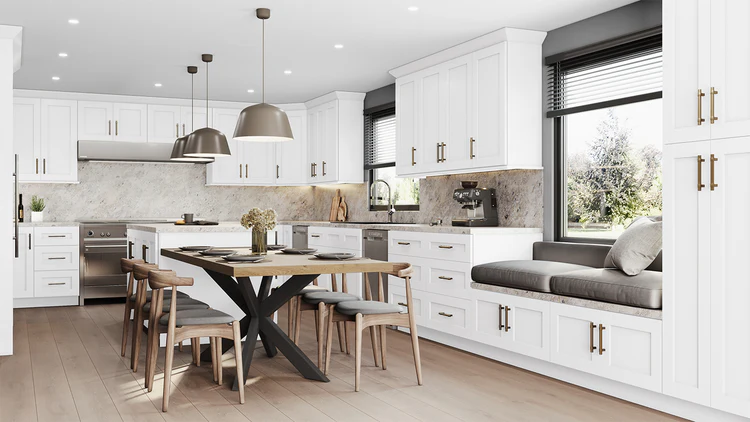
The Ultimate Guide to the Best kitchen cabinet in Canada: Transforming Your Space
The kitchen is universally recognized as the heart of the home, serving as a central hub for culinary exploration, family gatherings, and everyday living in Canada. When the time comes to update this vital space, Canadian homeowners are frequently faced with the daunting task of balancing aesthetic desires with budgetary constraints. Upgrading your kitchen cabinet can drastically improve the functionality of your home. Ready-to-Assemble cabinetry has emerged as a revolutionary solution in the home improvement industry, democratizing access to high-quality, beautifully designed storage systems.
When planning a comprehensive kitchen renovation, finding the right balance between quality, functionality, and style is essential. Whether you are looking to install premium kitchen cabinets or seeking professional cabinet services to completely upgrade your existing layout, working with experienced kitchen designers can effortlessly transform your vision into reality. Many homeowners prefer the aesthetic flexibility of customized cabinets to maximize their storage space and perfectly match their unique home interiors. If you are currently searching for top-tier cabinets in Mississauga, partnering with skilled cabinet makers ensures that every individual piece is crafted with absolute precision, lasting durability, and a flawless finish that elevates the heart of your home.
1. What Are RTA Kitchen Units?
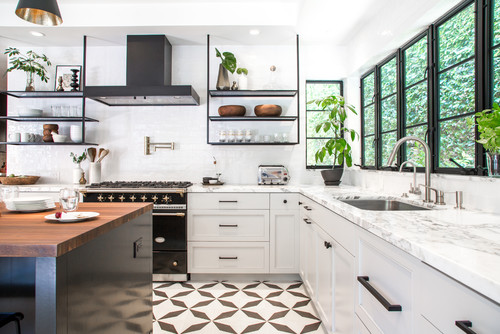
Quick Answer: RTA (Ready-to-Assemble) kitchen units are premium, flat-packed storage systems precision-engineered for on-site assembly. According to recent 2026 market analytics, these modular units now account for over 48% of Canadian kitchen renovations, as they significantly reduce shipping times by up to 60% and cut overall project material costs by an average of 30% compared to traditional pre-built models.
Ready-to-Assemble cupboards are exactly what their name suggests: storage units that are manufactured, flat-packed, and shipped directly to the consumer or contractor in individual pieces, requiring assembly on-site. Unlike pre-assembled units that demand massive shipping volumes and specialized handling, the flat-pack nature of these products revolutionizes the logistics of home renovation in Canada. A Flat pack kitchen cabinet is much easier to transport, especially when dealing with restricted access points in urban centers.
Historically, flat-pack furniture was associated with temporary or lower-tier living situations. However, advanced manufacturing techniques have fundamentally transformed the landscape. Today, premium offerings feature precisely cut solid wood components, high-density plywood boxes, and sophisticated hardware that rival the structural integrity of bespoke custom builds. When you open a box containing a new kitchen cabinet, you are presented with a sophisticated puzzle of high-grade materials, precision-drilled holes, and premium interlocking mechanisms designed for absolute stability and longevity.
2. The Anatomy of a High-Quality kitchen cabinet
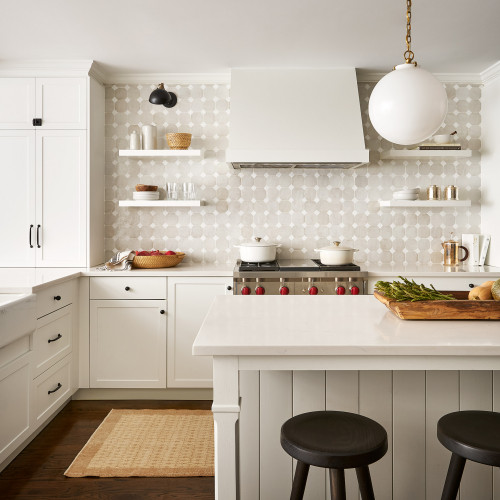
Understanding the structural composition of your culinary casework is essential for making an informed investment. The durability and lifespan of your cooking area depend entirely on the materials hidden beneath the beautiful exterior finishes. When assessing a kitchen cabinet, you must look closely at the core materials used by the manufacturer.
2.1. Core Box Construction
The box or carcass is the structural foundation of the unit. Premium options utilize furniture-grade plywood, typically ranging from a half-inch to three-quarters of an inch in thickness. Plywood is constructed by gluing multiple layers of wood veneer with alternating grain directions. This cross-grain construction makes the material incredibly stable and highly resistant to the warping, expansion, and contraction that typically occur in humid Canadian environments.
In contrast, inferior products often rely on particleboard or low-density fiberboard. These cheaper materials can swell and degrade rapidly when exposed to moisture or heavy weight over time. For a truly durable kitchen cabinet, always prioritize a strong plywood core to ensure your investment lasts for decades.
2.2. Face Frames and Doors
For framed designs, the face frame provides structural rigidity and serves as the mounting point for hinges. High-quality frames are crafted from solid hardwoods such as maple, oak, birch, or cherry. These materials hold screws tightly and resist denting from daily wear and tear. The doors and drawer fronts of your kitchen cabinet are the most visible and frequently interacted-with components.
These are typically crafted from solid wood or high-grade Medium Density Fiberboard. This engineered wood is particularly favored for painted finishes because it provides an impeccably smooth surface. It is completely immune to the natural expansion and contraction that can cause hairline cracks in the paint joints of solid wood doors, making it ideal for the fluctuating temperatures across Canada.
2.3. Hardware and Moving Mechanisms
The tactile experience of using your cooking space is dictated by its hardware. Premium options include six-way adjustable, soft-close hinges that prevent doors from slamming. This protects the wood finish of your kitchen cabinet and reduces household noise. Drawer boxes should feature solid wood construction, ideally joined with interlocking dovetail joints for maximum durability.
Furthermore, under-mount, full-extension drawer glides equipped with soft-close dampeners are a hallmark of high-end design. They allow you to access the entire depth of the drawer smoothly and silently. Choosing the right hardware ensures your kitchen cabinet operates flawlessly for years.
3. Top Benefits of Choosing a Modular kitchen cabinet for Your Renovation
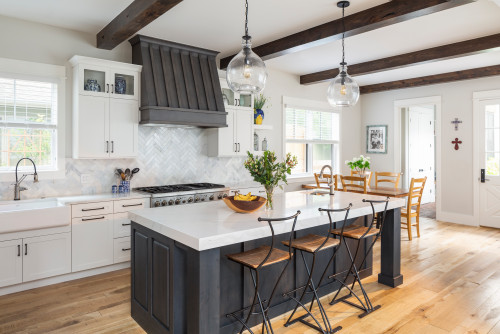
The decision to utilize these flat-pack solutions brings a multitude of advantages that extend far beyond initial cost savings. For Canadian homeowners, flexibility and value are paramount.
3.1. Substantial Financial Efficiency
By eliminating the labor costs associated with factory assembly and drastically reducing shipping volume, manufacturers can pass significant savings directly to the consumer. This financial efficiency allows you to secure a cheap Price on materials without sacrificing durability. You can reallocate your renovation budget toward premium upgrades, such as high-end quartz countertops or professional-grade appliances.
Ultimately, getting a high-quality kitchen cabinet at a lower cost empowers you to create a luxurious space without compromising the structural integrity of your built-in cabinets.
3.2. Accelerated Timelines
Custom cupboards often require lead times spanning several months. Conversely, a Premade kitchen cabinet is typically stocked in massive warehouses and can be shipped within days of placing an order. This rapid availability is crucial for keeping renovation projects on schedule across Canada.
Minimizing the duration of household disruption is a major benefit. It allows local contractors to proceed seamlessly to the next phase of construction, knowing the kitchen cabinet will arrive precisely when needed.
3.3. Superior Quality Control
Because these units are produced in state-of-the-art manufacturing facilities utilizing automated precision machinery, the consistency of the product is exceptional. Every component of each kitchen cabinet is cut to exact specifications. This ensures that joints align perfectly and measurements are flawlessly accurate across the entire layout.
4. Finding a kitchen cabinet in Toronto
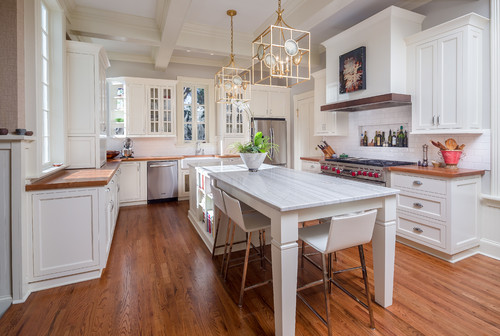
The unique architectural landscape and fast-paced real estate market of Canada and its largest metropolis demand specific renovation strategies. Toronto homeowners face distinct challenges when upgrading their properties. They must navigate the logistical hurdles of high-density living while maximizing the utility of historically narrow floor plans. Local Kitchen suppliers often recommend modular options to seamlessly overcome these urban installation hurdles.
4.1. Navigating Kitchen Renovation in Toronto Condos
High-rise living is a defining characteristic of the local housing market. Executing a condo renovation presents massive logistical barriers, primarily regarding the transportation of materials. Pre-assembled units require navigating loading docks, reserving specific freight elevator times, and struggling to maneuver bulky, rigid boxes through narrow condo hallways and tight doorways.
This is where flat-pack solutions prove invaluable. The compact, modular nature of these boxes means a single kitchen cabinet can easily be transported on standard dollies. They fit comfortably within standard passenger elevators if freight access is restricted. They can be carried cleanly into a unit without risking damage to the building corridors.
Furthermore, the contained nature of the assembly process minimizes dust and disruption. This allows condo dwellers to manage their renovations without disturbing their neighbors. Finding the right Kitchen cabinet supplier makes condo upgrades incredibly smooth.
4.2. Design Aesthetics for Toronto Homeowners
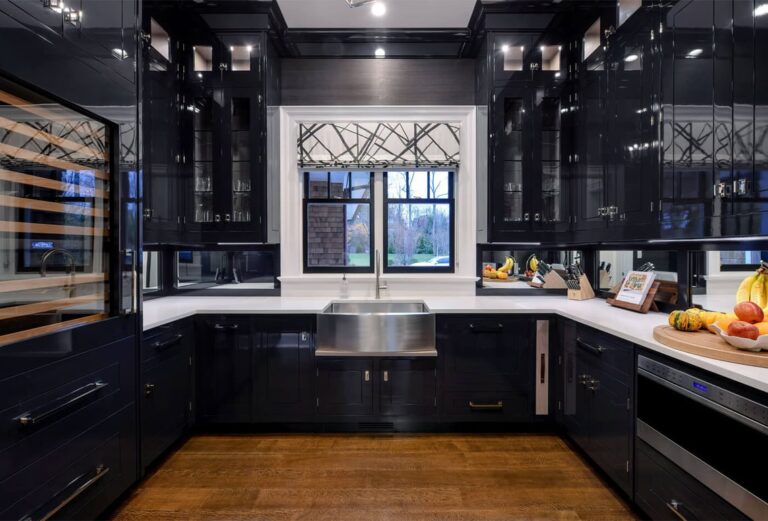
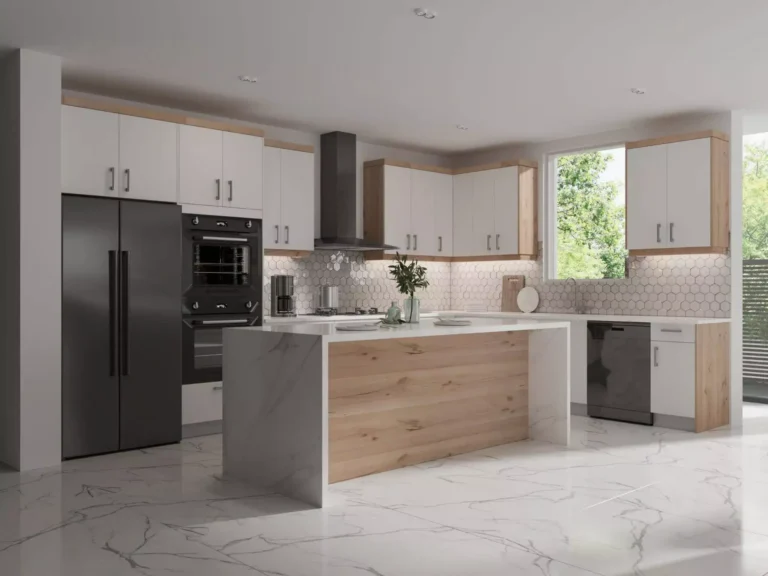
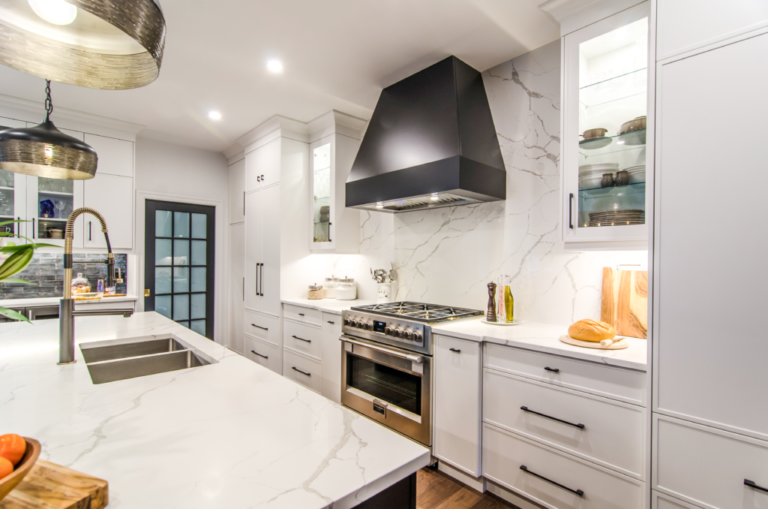
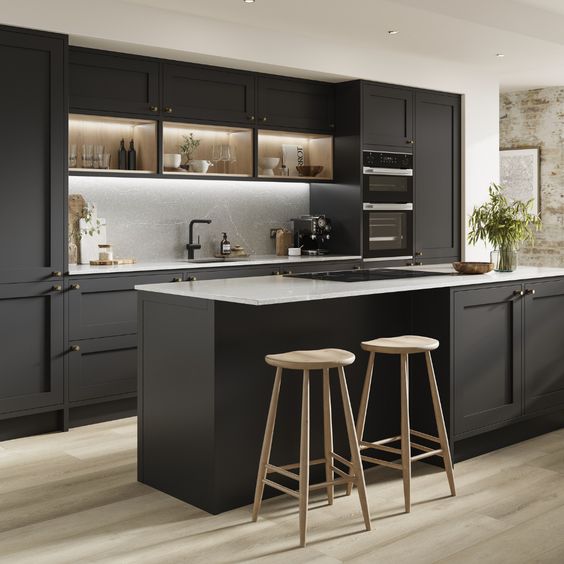
The aesthetic preferences within the city lean heavily toward sleek, modern, and minimalist designs that complement urban living. Frameless European-style options are incredibly popular, as the lack of a face frame maximizes interior storage space. This is a critical factor when dealing with limited square footage. When selecting a modern kitchen cabinet, high-gloss acrylics and matte black finishes dominate current trends.
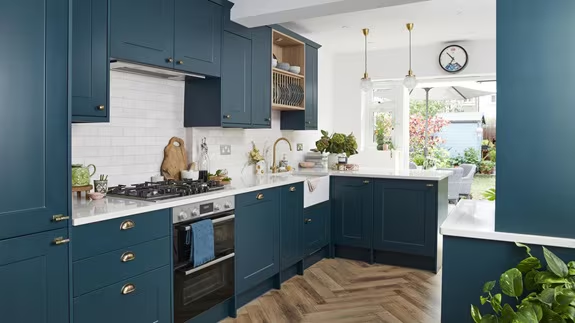
These clean lines reflect light beautifully, creating the illusion of a larger, more expansive space. Integrated handle designs or push-to-open mechanisms keep the visual landscape entirely uncluttered. For those residing in historic Victorian or Edwardian homes, transitional styles are highly sought after. A shaker-style kitchen cabinet painted in deep navy blue or forest green provides a perfect bridge between historic charm and modern functionality.
5. Finding a kitchen cabinet in Mississauga
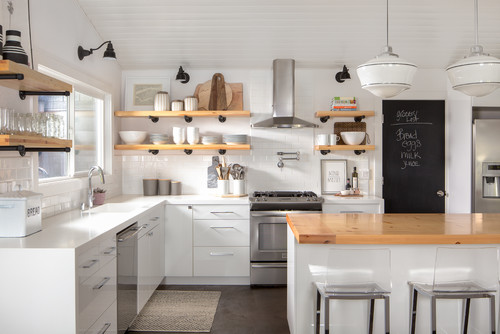
Moving westward into the expansive suburban landscapes, the requirements for Canadian home upgrades shift dramatically. Mississauga homes typically offer significantly larger footprints, completely altering the scale, scope, and stylistic approach to culinary design. Working with the best kitchen supplier can help you effectively map out these larger spaces.
5.1. Upgrading Mississauga Townhouses and Single-Family Homes
The expansive properties and suburban developments of the region often feature generous, open-concept floor plans that integrate the cooking area directly with the main living and dining spaces. For those upgrading Mississauga townhouses or larger detached properties, the focus is on creating a commanding central feature. Large families require extensive storage solutions to manage bulk grocery purchases, countertop appliances, and extensive cookware collections.
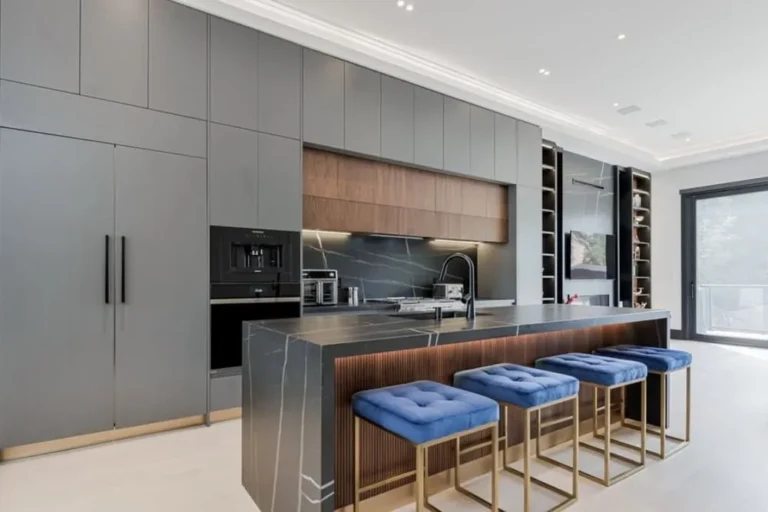
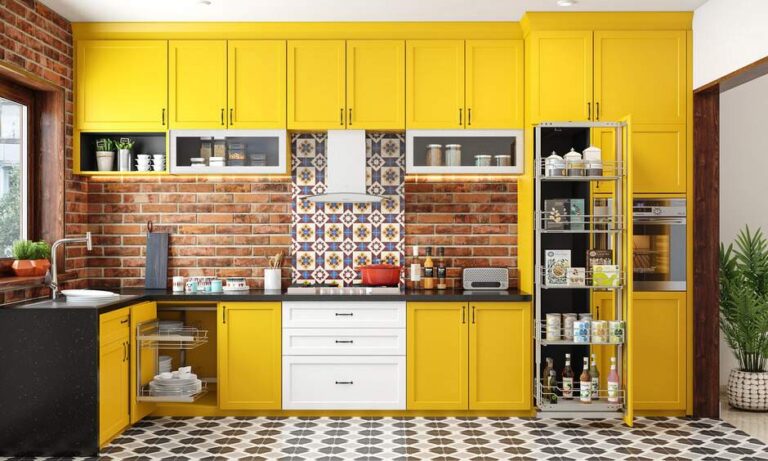
In this environment, designing massive central islands becomes a primary objective. These islands often serve dual purposes, acting as both a sprawling preparation surface and a casual dining area with bar stool seating. Homeowners frequently utilize tall pantry wall units equipped with specialized pull-out organizational racks. Finding the ideal Kitchen cabinet Mississauga has to offer is a priority for these extensive remodels.
5.2. Sourcing from Local Suppliers in Mississauga
Because of the robust industrial and commercial sectors in the city, sourcing materials is incredibly efficient. Engaging with local suppliers in Mississauga provides homeowners and contractors with the distinct advantage of viewing built prototypes in expansive showrooms before making a purchase. This localized approach also dramatically reduces transit times and shipping costs across Canada.
If a specific trim piece or filler panel is required mid-project, having a distribution center within the community allows for same-day pickup. This prevents frustrating delays that can derail a renovation timeline. Securing a reliable kitchen cabinet locally ensures that the wood materials provided are acclimated to withstand the drastic humidity shifts that characterize Ontario weather.
6. Step-by-Step Guide: How to Plan Your Layout for a New kitchen cabinet
A successful Canadian renovation is born from meticulous planning. The layout of your chosen kitchen cabinet dictates the flow, efficiency, and safety of your cooking environment.
6.1. Mastering the Work Triangle
The foundational principle of culinary design is the work triangle, which dictates the spatial relationship between the three primary workstations: the refrigerator, the sink, and the stove. For optimal efficiency, the distance between any two of these points should be no less than four feet and no more than nine feet.
The total perimeter of the triangle should measure between thirteen and twenty-six feet. Ensuring this path remains unobstructed by islands or peninsulas is critical for a smooth cooking experience. Properly placing each kitchen cabinet along this path maximizes convenience.
6.2. Precise Measurement Techniques
Accurate measurements are the bedrock of utilizing modular storage. Begin by mapping out the entire perimeter of the room. Measure the total length of each wall, followed by detailed measurements of all architectural features, including windows, doors, and bulkheads. Before ordering a kitchen cabinet, always measure from the outside edge of the trim when calculating window and door placements.
Next, identify the exact location of critical utilities: the center line of the sink plumbing, the location of the gas line or electrical outlet for the stove, and the placement of exhaust venting. Taking measurements at three different heights—floor level, mid-wall, and ceiling level—is crucial, as walls in older Canadian homes are rarely perfectly plumb or square.
6.3. Utilizing Modern Design Software
Leverage modern technology to visualize your space before purchasing. Many suppliers offer complimentary rendering services or intuitive online design tools. Inputting your precise measurements into these platforms allows you to experiment with different configurations. This ensures that the doors on your kitchen cabinet will not collide when opened.
It also guarantees that walkways remain comfortably wide, with a minimum of 36 inches recommended, or 42 to 48 inches for multiple cooks. Seeing a digital preview ensures your aesthetic vision translates seamlessly into physical reality.
7. Selecting the Perfect Style and Finish for Your kitchen cabinet
The visual impact of your culinary space is dictated by the door style and the applied finish. This choice sets the tone for your entire Canadian home interior.
7.1. Popular Door Profiles
- ✓The Shaker Style: Characterized by a flat central panel surrounded by a simple frame, the Shaker door is the undisputed champion of versatility. It looks great on any kitchen cabinet.
- ✓Flat-Panel Slab: Offering a completely smooth surface, slab doors are the hallmark of ultra-modern design. They are exceptionally easy to clean. You might see this style often when looking at an ikea cabinet setup.
- ✓Raised Panel: Featuring an elevated center panel, often accompanied by intricate routing and detailing. This style is synonymous with traditional and classic designs, perfect for a heritage Canadian home.
7.2. Paint vs. Stain: Which is Better for Your kitchen cabinet?
Quick Answer: The ideal finish depends on your lifestyle and aesthetic goals. Painted cabinets provide a sleek, uniform, and modern appearance ideal for contemporary 2026 Canadian design trends, while stained wood finishes offer superior long-term durability and effectively conceal minor scratches, making them the preferred choice for busy households with children or pets.
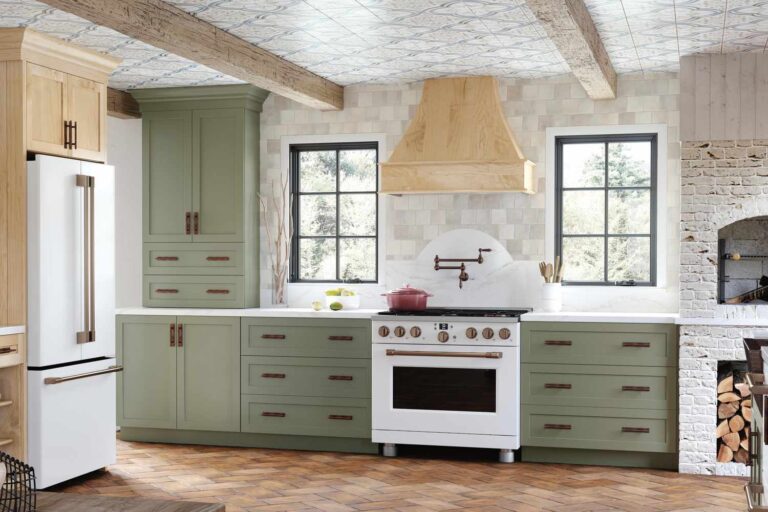
Painted finishes have dominated the design landscape for the past decade. Crisp whites, dramatic charcoals, and serene sage greens offer a smooth, uniform appearance that brightens a room. Painted surfaces provide a flawless, monolithic aesthetic that suits any modern kitchen cabinet.
Conversely, wood stains celebrate the organic beauty and natural character of the timber. Stains penetrate the wood grain, highlighting the unique patterns, knots, and textures of materials like cherry, maple, or walnut. Stained finishes are incredibly resilient at hiding minor scratches and fingerprints. This makes a stained kitchen cabinet an excellent choice for households with active children or pets.
Furthermore, the introduction of warm wood tones can instantly make a stark, modern room feel more inviting and grounded. Pairing standard boxes with premium upgrades like nieu cabinet doors can offer a customized look without the custom price tag.
8. The Assembly Process: A Comprehensive Walkthrough
The prospect of assembling an entire kitchen can seem overwhelming. However, the process is highly systematic and surprisingly accessible for anyone with basic mechanical aptitude and the right tools. Putting together an rti cabinet requires patience but yields incredible results.
8.1. Essential Tools for Assembly
Before unboxing, gather your necessary equipment. You will need a high-quality cordless drill with adjustable torque settings to prevent stripping screws. A rubber mallet is essential for gently tapping joints together without marring the wood finish. Wood glue adds structural integrity, while a framing square and a reliable tape measure keep things aligned.
Using a soft moving blanket or a large piece of cardboard as your assembly surface is crucial. This protects the faces of the doors and frames from scratches while you build each kitchen cabinet.
8.2. Understanding the Joinery Systems
Different manufacturers utilize various interlocking mechanisms to secure their flat-pack products.
- ✓Cam-Lock Systems: This is the most common and user-friendly method. A metal pin is inserted into a pre-drilled hole on one panel, which slides into a specialized locking mechanism on the adjoining panel.
- ✓Dovetail and Dado Joints: Found in premium lines, these involve precise cuts in the wood that physically interlock like puzzle pieces. They require the application of wood glue, resulting in an exceptionally strong bond.
- ✓Pocket Screws: Some systems use pre-drilled angled holes where specialized screws are driven through one panel into another. This method pulls the joints incredibly tight.
8.3. The Assembly Workflow
Begin by assembling the wall units, as they are smaller, lighter, and easier to manage, allowing you to refine your technique. Lay the face frame face-down on your protective blanket. Apply a thin, consistent bead of wood glue into the grooves. Insert the side panels, ensuring they seat fully into the frame.
Slide the back panel into its designated tracks, followed by the top and bottom panels. Ensure the entire box is perfectly square before fully tightening the cam-locks or driving the final screws. Finally, attach the hinges to the doors and mount them to the frame, taking a moment to appreciate the precision of your newly built kitchen cabinet.
9. Professional vs. DIY Installation: Making the Right Choice
Once your units are assembled, the next critical phase is securing them perfectly to your Canadian home walls. This step requires careful consideration of your skills, budget, and time constraints.
9.1. The DIY Approach
Tackling the installation yourself is the ultimate way to maximize your budget. If you possess a keen eye for detail, patience, and a solid understanding of how to find wall studs and use a level, DIY installation is highly rewarding. You will need a reliable stud finder, a long spirit level, shims to account for uneven walls and floors, and a sturdy helper.
Lifting heavy wall units into place is absolutely a two-person job. A DIY installation works best when your walls are relatively straight and your plumbing requires minimal modification.
9.2. The Value of Professional Installation
Hiring professional carpenters guarantees a flawless, permanent finish. Professional installers possess the experience to effortlessly navigate the inevitable idiosyncrasies of a home, such as severely bowed walls, uneven flooring, or complex plumbing obstacles. They have the specialized tools required to perfectly scribe filler panels to match uneven drywall.
They can also cut flawless miter joints for complex crown molding and ensure that every door and drawer reveals a perfectly uniform gap. While it requires an additional financial investment, the peace of mind, speed of execution, and guaranteed perfection often make professional installation highly worthwhile.
10. Budgeting for Your Cupboard Upgrade
A transparent understanding of the financial requirements ensures your Canadian renovation project remains stress-free and financially viable. Choosing affordable solutions can help significantly reduce overall labor and material expenses.
10.1. The Cost Breakdown
When budgeting for a flat-pack setup, the casework itself typically accounts for 30 to 40 percent of the total renovation cost. However, it is vital to account for the necessary accessories that complete the look. Crown molding, light rails, toe kicks, end panels, and filler strips are essential components that must be factored into the initial order.
Furthermore, do not overlook the cost of hardware knobs and pulls, which can range from a few dollars to over twenty dollars per piece depending on the material and brand. Planning for these extras keeps your budget realistic.
10.2. Anticipating Hidden Fees
Always build a contingency fund of at least 15 percent into your budget. This buffer protects you against unforeseen expenses, such as discovering water damage behind old drywall upon demolition. You might also need to upgrade outdated electrical panels to accommodate modern appliances.
There may be a requirement to modify plumbing lines to fit your new layout. Fortunately, securing a Low price kitchen cabinet that maintains structural integrity allows you to keep this crucial buffer intact for emergencies.
10.3. Maximizing Return on Investment
Investing in high-quality, solid wood construction and timeless design yields exceptional returns. While trends come and go, a well-planned, durable culinary space holds its value immaculately across the Canadian real estate market.
When assessing the property for resale, prospective buyers place immense value on the quality of the cooking area. Making this specific renovation is one of the most profitable investments you can make in your real estate portfolio.
11. Maintenance and Care for Long-Lasting Beauty
Protecting your investment requires a commitment to proper, gentle maintenance. Harsh chemical cleaners, abrasive scrubbing pads, and excessive moisture are the natural enemies of fine wood finishes.
11.1. Daily and Weekly Cleaning Routines
For routine cleaning, utilize a soft, lint-free microfiber cloth lightly dampened with warm water and a small amount of mild, pH-neutral dish soap. Wipe down spills immediately, particularly acidic substances like tomato sauce, citrus juices, or coffee, which can permanently etch the finish if left unattended.
Always dry the surface thoroughly with a separate clean cloth. Never allow water to sit on the joints, as moisture penetration can cause the wood to swell or the finish to peel.
11.2. Hardware Maintenance and Climate Control
Over time, the constant opening and closing of doors may cause hinges to drift slightly out of alignment. Premium concealed hinges feature adjustment screws that allow you to easily move the door up, down, left, right, in, or out, restoring perfect alignment with a simple twist of a screwdriver.
Furthermore, maintaining a stable indoor climate in Canada is critical. Because regions experience drastic seasonal shifts, from intensely humid summers to incredibly dry, heated winters, the wood in your home will naturally expand and contract.
Utilizing a humidifier during the winter months and air conditioning during the summer helps maintain an ideal indoor relative humidity of 40 to 50 percent. This prevents the wood panels from cracking or the joints from separating.
12. Common Mistakes to Avoid During Your Remodel
Even with the best intentions, certain pitfalls can derail a renovation project. Awareness is your best defense against costly errors in any Canadian home update.
12.1. The Peril of Improper Measurement
The single most common and devastating mistake is ordering based on inaccurate measurements. Failing to account for the exact thickness of drywall, ignoring the space required for door casings, or forgetting to leave clearance for the refrigerator doors to open fully can result in units that simply will not fit into the space.
Always measure twice, have a second person verify the numbers, and utilize professional design software to double-check the mathematics before placing a final order for materials.
12.2. Ignoring the Functional Workflow
It is easy to become so captivated by the aesthetic design that the practical workflow is neglected. Placing the dishwasher so far from the sink that you drip water across the floor is a major error.
Failing to provide adequate landing space next to the stove for hot pots, or installing a massive island that chokes the walkways will create a beautiful room that is intensely frustrating to use on a daily basis.
12.3. Sacrificing Quality for Superficial Upgrades
Another frequent error is depleting the budget on luxury finishes like exotic marble countertops while opting for the cheapest possible particleboard carcass underneath. A heavy stone countertop requires incredibly strong, plywood-constructed boxes to support its immense weight without sagging over time.
Always prioritize the structural integrity of your foundation before allocating funds to the decorative surfaces.
Conclusion: Elevating Your Home’s Heart in Canada
Embarking on a culinary space renovation is a profoundly transformative endeavor that reshapes how you interact with your environment every single day. Ready-to-Assemble cabinetry has fundamentally rewritten the rules of home improvement across Canada. It offers an unparalleled synthesis of structural durability, exquisite aesthetic design, and exceptional financial efficiency.
By moving away from restrictive custom builds and fragile mass-produced alternatives, you empower yourself to take total control over your design vision and your renovation timeline. Exploring the market for a beautifully constructed kitchen cabinet ensures your Canadian home gains both immediate visual appeal and long-term equity.
From understanding the critical importance of plywood core construction and soft-close hardware to navigating the specific logistical and aesthetic requirements of urban condos and sprawling suburban estates, a well-planned approach guarantees spectacular results. By meticulously planning your layout, prioritizing sustainable materials, and executing a precise assembly and installation, you ensure that your investment will withstand the rigorous demands of daily life.
The result is not merely a collection of wooden boxes, but a meticulously crafted, highly functional, and deeply beautiful sanctuary that will serve as the vibrant center of your home, hosting joyful gatherings and facilitating culinary creativity for decades to come.
Discover the perfect blend of style and function. Contact our expert team at rtadepot.ca today or call us at +1 888 973 5636 for a personalized consultation!