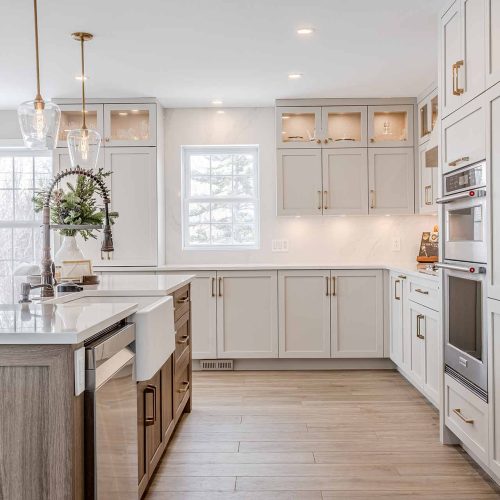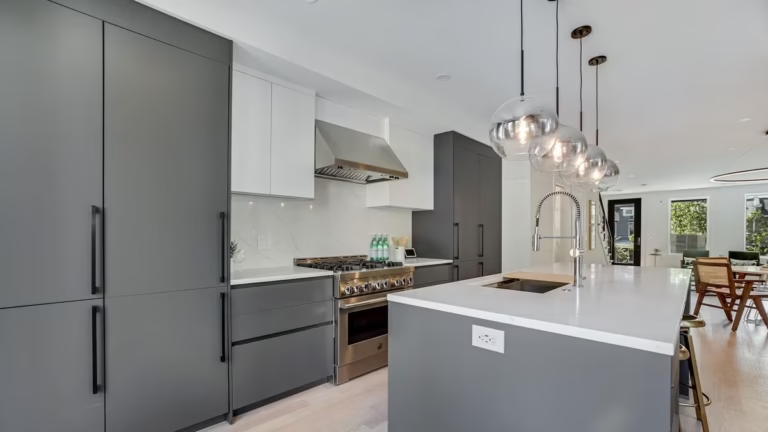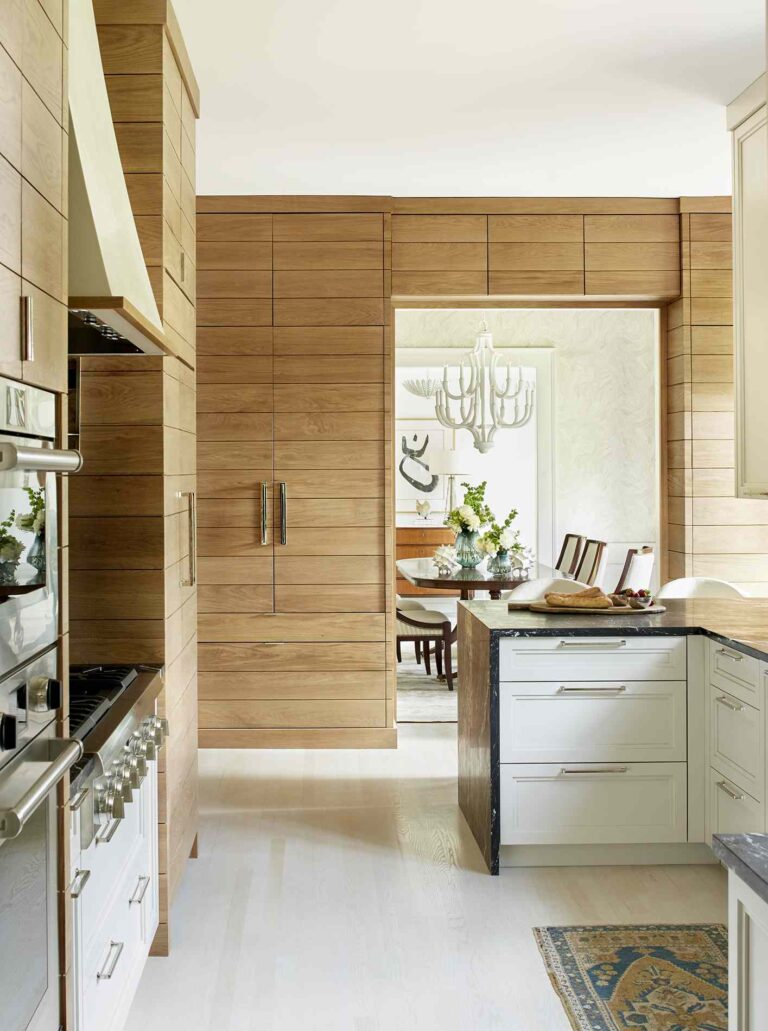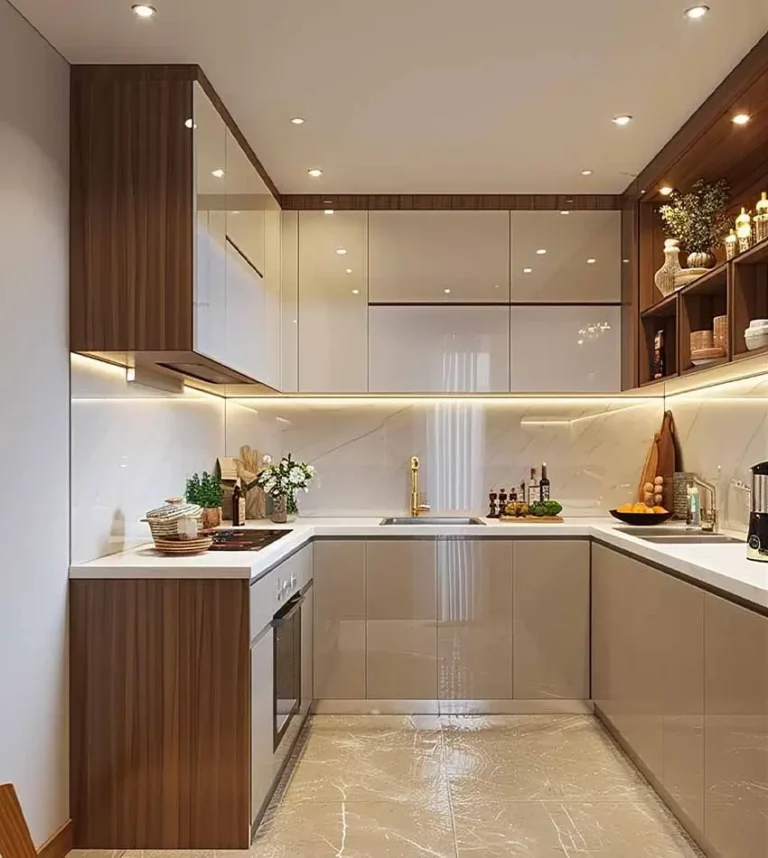

Kitchen Cabinet Upgrades For Modern Home Efficiency And Style In Canada
Kitchen cabinet systems from rtadepot.ca provide the perfect blend of aesthetic appeal and functional storage for any modern home renovation project across Canada. Our dedicated team at rtadepot.ca offers a premium kitchen cabinet (1) that transforms cluttered cooking spaces into organized culinary havens with durable materials and sophisticated finishes. Every kitchen cabinet (2) we provide is engineered to withstand the unique climate and lifestyle demands of Canadian households in 2026. This includes our versatile Premade kitchen cabinet selection that ensures a quick start.
Renovating a home often begins with the heart of the house where families gather and meals are prepared. Many homeowners face the frustration of dealing with outdated wooden structures that no longer serve a modern lifestyle. Cabinets that are decades old often lack the efficiency required for contemporary cooking habits, leading to a disorganized environment where finding a simple spice jar becomes a daily struggle. At rtadepot.ca, we recognize these challenges and provide high-quality custom solutions that fit unique floor plans without the exorbitant costs usually associated with bespoke furniture. By choosing a high-quality kitchen cabinet (3), you invest in a future of organized success.
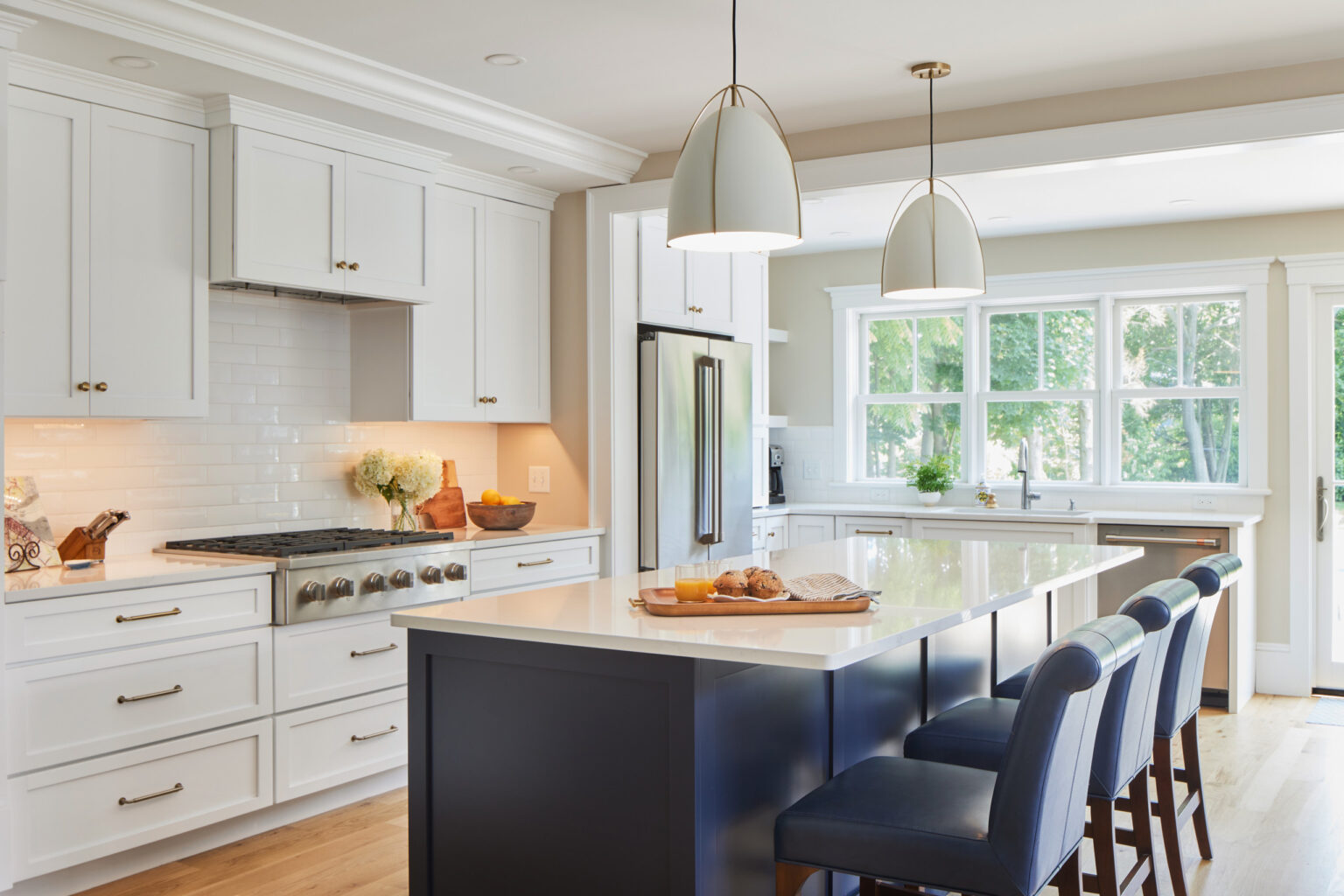
Kitchen cabinets are essential built-in furniture pieces installed in culinary spaces to store food, cookware, cutlery, and dishes. They form the structural and aesthetic foundation of almost any kitchen design and remodeling project.
If you are looking to understand the basics of kitchen cabinets before starting your space upgrade, here is a summary of how they work as well as the options available on the market. Finding the right kitchen suppliers or a reputable kitchen cabinet supplier will make your decision-making process much easier.
Whether you are looking for a low price kitchen cabinet to save your budget, the convenience of a premade kitchen cabinet, a smart assembly solution from a flat pack kitchen cabinet, or need to find a high-quality Kitchen cabinet Mississauga provider, the foundational knowledge below will help you make the best choice for your home.
1.Three Main Types of Kitchen Cabinets
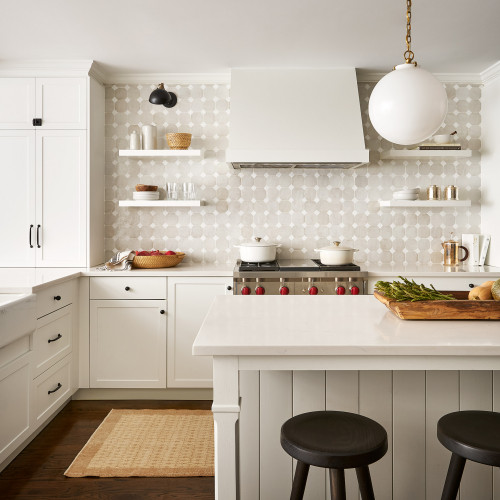
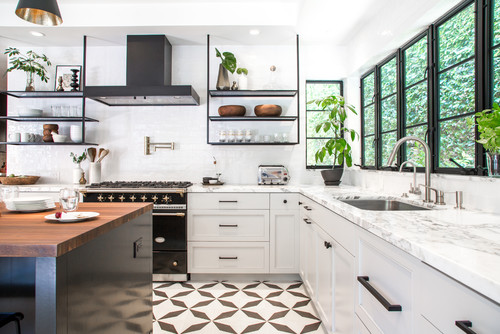
Kitchen cabinets are typically categorized based on their installation location and primary function:
- ✓ Base Cabinets: These are cabinets placed directly on the floor that serve to support the kitchen countertops. They are the primary storage spaces, usually about 24 inches deep and 34.5 inches high (excluding the countertop). Base cabinets are often a combination of drawers and doors.
- ✓ Wall Cabinets / Upper Cabinets: Mounted directly to the wall above the kitchen countertops. They are typically 12 to 24 inches deep and are primarily used for storing lighter items such as glasses, plates, and dry goods.
- ✓ Tall Cabinets / Pantry Cabinets: These cabinets extend from the floor to the top of the upper cabinets (or sometimes up to the ceiling). They provide a massive storage volume and are often used as pantries or to house built-in appliances like ovens.
2.Cabinet Construction: Framed vs. Frameless
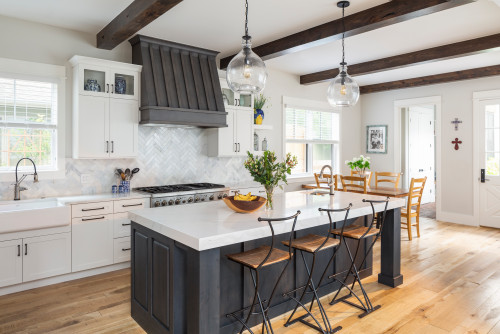
How a cabinet is constructed significantly affects its appearance and the storage space inside.
- ✓ Framed Cabinets: Traditional North American style cabinets usually have a solid wood “face frame” attached to the front of the cabinet box. The doors and hinges are attached to this frame. This provides structural solidity but slightly narrows the cabinet’s opening.
- ✓ Frameless Cabinets / Euro-style: This type of cabinet does not have a front face frame. The edge of the cabinet box itself forms the front, and the doors are attached directly to the side panels of the box. This design offers a modern, clean look and provides more spacious internal storage since there is no inner frame border.
3.Popular Cabinet Door Styles
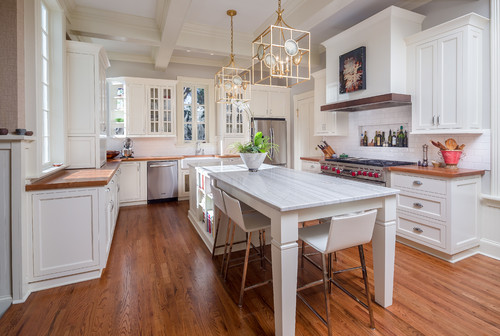
The door profile is the most noticeable design element of any kitchen cabinet system.
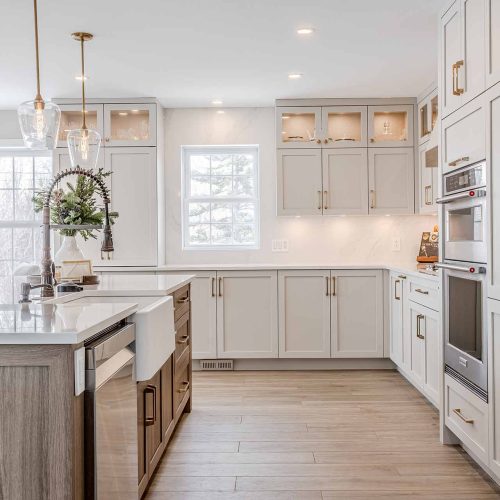
- ✓ Shaker Style: Characterized by a simple, clean design with square edges and a recessed center panel. This style is extremely versatile, suitable for both traditional and modern kitchens.
- ✓ Flat-Panel / Slab: Completely flat doors with no decorative details. This is the standard design for modern and minimalist kitchens.
- ✓ Raised Panel: Features a center panel raised to the same thickness as the door frame, often accompanied by decorative routing or carvings. This style is associated with classic and traditional kitchen designs.
4.Primary Construction Materials
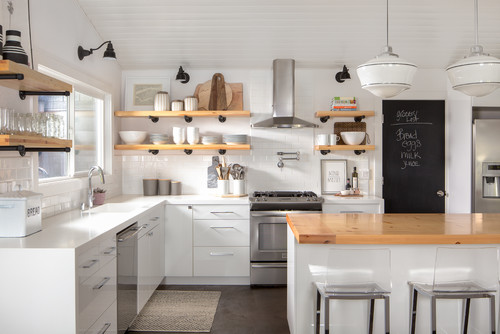
- ✓ Plywood: The gold standard for cabinet boxes. It is highly durable, holds screws well, and is extremely effective at resisting moisture and warping.
- ✓ MDF (Medium-Density Fiberboard): An excellent, smooth-surfaced material often used for cabinet doors (especially painted ones). Because MDF does not shrink or expand like natural wood, it helps prevent the paint from cracking.
- ✓ Particleboard: A cost-effective option for cabinet boxes, made from pressed wood chips and adhesive resin.
- ✓ Solid Wood: Usually reserved exclusively for the face frames and cabinet doors. Solid wood is prone to warping, so it is rarely used for the large side panels on the cabinet box.
5.Choosing the Right Kitchen Cabinet Finishes
Beyond the door style and the core construction materials, the finish you choose for your kitchen cabinet will dictate the overall ambiance, longevity, and maintenance requirements of your space. With modern manufacturing advancements, homeowners have a vast array of finishes to select from, each presenting unique benefits.
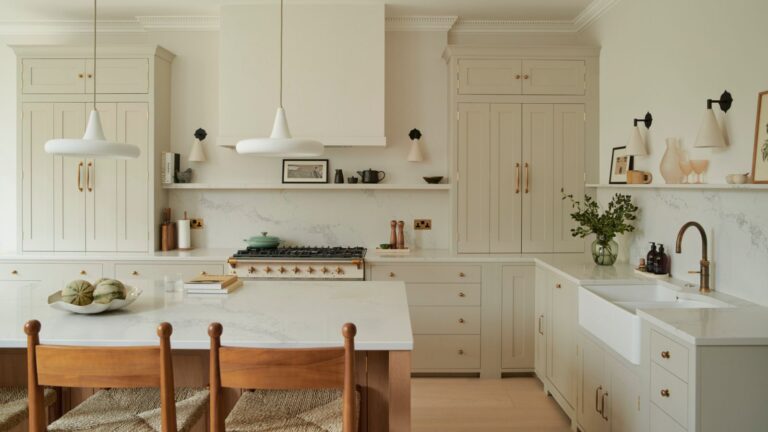
- ✓ Painted Finishes: Paint provides an opaque, solid color that completely hides the grain of the wood. This is highly popular for achieving a crisp, modern, or coastal look. Crisp whites, deep navy blues, and sage greens are highly sought-after. A high-quality painted kitchen cabinet will often use MDF for the door panels to prevent hairline fractures in the paint layer caused by natural wood expansion.
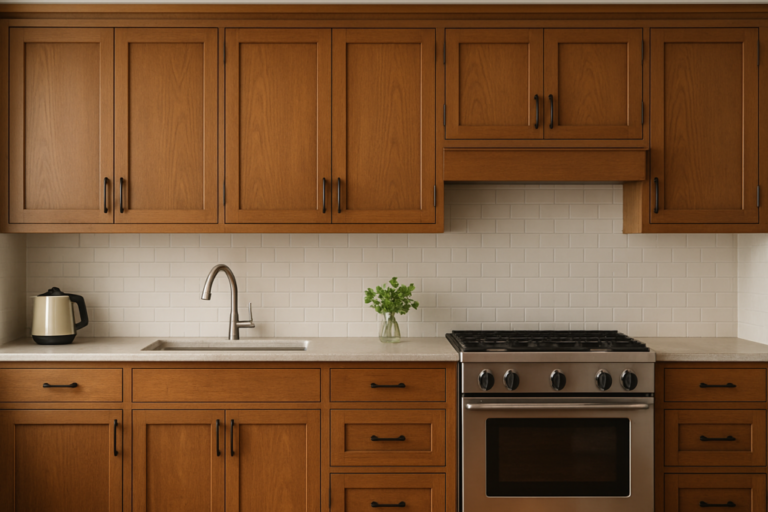
- ✓ Stained Finishes: Stains seep into the wood, altering its color while simultaneously enhancing and highlighting the natural grain patterns and knots. This finish is perfect for homeowners who want to bring warmth, texture, and a touch of nature into their homes. Stains can range from light, natural ash tones to deep, rich espresso colors.
- ✓ Glazed and Distressed Finishes: For a rustic, vintage, or French country aesthetic, cabinets can be glazed or distressed. Glazing involves applying a semi-transparent color over a painted or stained cabinet, which settles into the grooves and corners to add depth and highlight architectural details. Distressing involves intentionally adding small dents, sanded edges, and artificial wear marks to give the kitchen cabinet an aged, antique appearance.
- ✓ Thermofoil and Laminates: Thermofoil involves heating a thin layer of vinyl and vacuum-pressing it onto an MDF core. This creates a seamless, highly water-resistant surface that is incredibly easy to clean. Laminates and melamine function similarly, fusing a durable plastic-like coating onto the particleboard or MDF, often used for flat-panel modern designs offering high-gloss or heavily textured faux-wood appearances.
6.Essential Hardware: Knobs, Pulls, and Hinges
Hardware is frequently referred to as the jewelry of the kitchen. While it may seem like a minor detail, the knobs, pulls, and hinges you select have a profound impact on both the functionality and the stylistic completion of your kitchen cabinet setup. Updating your hardware is also one of the easiest and most cost-effective ways to refresh an older kitchen.
Choosing Between Knobs and Pulls: There are no strict rules when it comes to selecting hardware, but a general industry guideline is to use knobs for cabinet doors and pulls (handles) for drawers. Pulls allow the user to grab the hardware with their entire hand, which is ideal for heavy, pot-filled drawers. For a highly contemporary or minimalist space, utilizing sleek, elongated bar pulls on both doors and drawers creates a cohesive, linear aesthetic. Conversely, traditional spaces often benefit from ornate knobs and cup pulls.
Hardware Finishes: The finish of your hardware should complement your appliances, lighting fixtures, and plumbing hardware. Matte black has surged in popularity, offering a striking contrast against white or light-wood cabinets. Brushed brass and Champagne bronze provide a warm, luxurious feel without the harsh brightness of polished brass. Polished nickel and chrome remain timeless choices that blend seamlessly with stainless steel appliances.
Hinges and Drawer Glides: The internal, functional hardware is arguably more important than the decorative exterior hardware. Premium kitchen cabinets invariably feature soft-close hinges and drawer glides. Soft-close mechanisms use hydraulics to catch the door or drawer just before it hits the cabinet box, pulling it shut silently and smoothly. Furthermore, opting for full-extension undermount drawer glides ensures that the drawer extends completely out of the cabinet, allowing you full access to items stored in the very back without compromising the drawer’s weight capacity.
7.Designing Your Layout Around Your Kitchen Cabinet
Before ordering your kitchen cabinet components, it is absolutely vital to establish an efficient layout. The arrangement of your cabinets will dictate your workflow, traffic patterns, and overall cooking experience. A well-designed kitchen relies heavily on the “Work Triangle” concept, which aims to minimize the distance between the three primary work zones: the stove, the sink, and the refrigerator.
- ✓ The L-Shaped Kitchen: This is one of the most popular and adaptable layouts. It utilizes two adjacent walls, keeping the center of the room open. This configuration naturally accommodates the work triangle and leaves ample space to add a kitchen island if the square footage permits. It is an excellent choice for open-concept homes where the kitchen seamlessly transitions into the living or dining area.
- ✓ The U-Shaped Kitchen: Ideal for larger spaces and serious home chefs, the U-shaped layout surrounds the cook with cabinetry on three sides. This provides massive amounts of countertop space and allows for an abundance of base and upper kitchen cabinets. However, it can feel cramped if the central floor space is too narrow.
- ✓ The Galley Kitchen: Common in older homes, apartments, and modern urban condos, a galley kitchen features two parallel walls of cabinetry with a walkway in between. While compact, galley layouts are incredibly efficient because everything is within arm’s reach. To prevent a galley kitchen from feeling like a dark tunnel, designers often recommend lighter cabinet colors and utilizing open shelving on the upper sections.
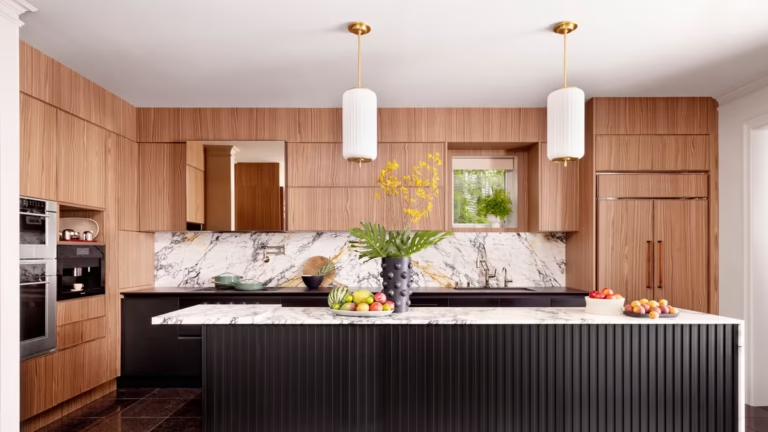
- ✓ Kitchen Islands and Peninsulas: If space allows, integrating an island is a fantastic way to add secondary storage and specialized kitchen cabinet features. Islands can house microwave drawers, built-in trash pull-outs, and wine fridges. They also serve as an informal dining space and a social hub. If an island doesn’t fit, a peninsula (attached to one wall) can offer similar benefits by expanding the countertop surface and adding base cabinets.
8.Clever Storage Solutions and Interior Accessories
A beautiful exterior is only half the equation; a truly optimized kitchen cabinet system must be highly functional on the inside. Gone are the days of digging blindly into the dark recesses of lower cabinets. Today, interior accessories and specialized storage solutions are revolutionizing how we organize our culinary spaces.
Deep Drawer Bases: Modern kitchen designs are rapidly moving away from traditional lower cabinets with doors and fixed shelves, favoring deep, heavy-duty drawer bases instead. Storing pots, pans, and heavy dishware in drawers allows you to pull the contents out into the light, entirely eliminating the need to crouch down and reach into the back of a dark cabinet.
Corner Optimization: Corners have historically been the most frustrating areas in a kitchen cabinet layout. To maximize this dead space, homeowners can install a “Lazy Susan” (rotating circular shelves) or heavy-duty blind corner pull-outs (articulating wire baskets that pull completely out of the cabinet). These mechanisms ensure that every cubic inch of the corner is fully utilized.
Specialty Pull-outs: Tall, narrow spaces next to the stove are perfect for spice rack pull-outs and oil/vinegar organizers. Double-bin trash and recycling pull-outs hide unsightly garbage cans while keeping them easily accessible. Additionally, vertical tray dividers installed in the cabinetry above the refrigerator are ideal for organizing baking sheets, cutting boards, and muffin tins.
9.Budgeting for Your Kitchen Cabinet Project
Understanding the financial aspects of cabinetry is critical for a successful renovation. Cabinets generally account for 30% to 40% of an entire kitchen remodel budget. The price will fluctuate dramatically based on whether you choose custom, semi-custom, or ready-to-assemble (RTA) units.
Custom vs. RTA: Custom cabinetry offers unlimited flexibility in size, finish, and design but comes with premium pricing and long lead times (often 8-12 weeks). Conversely, RTA cabinets are mass-produced in standard sizes and flat-packed for shipping. Because you are not paying for factory assembly or inflated shipping volumes, a flat pack kitchen cabinet can save you up to 50% compared to custom options, while still utilizing high-quality materials like plywood boxes and solid wood doors.
Hidden Costs: When budgeting, remember that the cost of the cabinets is just the beginning. You must also factor in the price of decorative hardware (knobs/pulls), crown molding, baseboard molding (toe kicks), and matching end panels. Furthermore, professional installation can add thousands of dollars to the final bill. Proper planning and securing a comprehensive quote from your kitchen cabinet supplier will help you avoid financial surprises.
10.Installation: DIY vs. Hiring Professional Contractors
Once you have purchased your ideal kitchen cabinet, the next major hurdle is installation. This is a critical phase where structural integrity, safety, and visual perfection must align. The choice between tackling the project yourself and hiring a professional depends heavily on your skill level, the complexity of the layout, and your budget.
The DIY Approach: If you purchase RTA (ready-to-assemble) cabinets, building the actual cabinet boxes is generally straightforward and achievable for a motivated homeowner with basic hand tools. Manufacturers provide instructions, and assembly usually involves simple cam-lock systems or wood glue and brad nails. However, physically hanging the cabinets on the wall is a different story. Walls are rarely perfectly straight, and floors are rarely perfectly level. A DIY installation requires extreme precision, the ability to properly locate wall studs, and the skill to use shims to ensure every cabinet is perfectly plumb and level. Mistakes here can lead to uneven countertops or, worse, a heavy wall cabinet pulling away from the drywall.
Hiring Professionals: Hiring an experienced carpenter or dedicated kitchen cabinet installer provides peace of mind. Professionals have the specialized tools (like laser levels and cabinet jacks) and the specific experience required to navigate uneven walls, tricky corners, and complex molding cuts. They can efficiently scribe the side panels to match the contours of your walls, resulting in a flawless, built-in appearance. If your renovation involves complex integrations, heavy granite countertops, or extensive crown molding, investing in professional installation is highly recommended to protect your investment.
11.Long-Term Maintenance and Care
To ensure your kitchen cabinet system retains its beauty and functionality for decades, establishing a proper maintenance routine is essential. Kitchens are harsh environments; the combination of heat, steam, airborne cooking oils, and daily physical use can quickly degrade neglected woodwork.
Cleaning Guidelines: The golden rule for cleaning any wood kitchen cabinet is to be gentle. Avoid harsh chemical cleaners, abrasive scouring pads, ammonia-based products, and silicone-based furniture polishes, as these will eat through the protective clear coat and permanently dull the finish. For daily cleaning, use a soft, damp microfiber cloth to wipe away dust and spills, immediately following up with a dry cloth. For tougher grease spots, a simple solution of warm water and a few drops of mild dish soap is highly effective.
Controlling the Environment: Wood is a porous, organic material that reacts to its environment. High humidity can cause doors to swell and warp, while extreme dryness can cause the wood to shrink and the joints to crack. Try to maintain a consistent indoor humidity level between 35% and 50%. Always utilize your kitchen exhaust fan when boiling water or cooking on the stovetop to pull damaging steam and moisture away from your upper cabinets.
Hardware Adjustments: Over time, the constant opening and closing of doors, combined with the weight of stored items, can cause hinges to shift slightly out of alignment. Most modern European-style hinges feature three-way adjustment screws. If you notice a door is sagging, rubbing against the frame, or sitting crookedly, a quick turn of a screwdriver on the hinge mechanism is usually all it takes to restore perfect alignment.
Conclusion
Investing in a new kitchen cabinet layout is one of the most rewarding home improvement projects you can undertake. By understanding the core materials, exploring various door styles, optimizing your internal storage, and planning your layout meticulously, you can transform a chaotic cooking area into a highly functional, visually stunning masterpiece. Whether you opt for a budget-friendly RTA flat-pack or a fully customized setup, proper research, and careful maintenance will ensure your kitchen serves as the beautiful, enduring heart of your home for many years to come.
Start Your Dream Kitchen Transformation Today
Your residence in Canada deserves the highest level of care. By upgrading your space with premium cabinetry from rtadepot.ca, you choose superior 2026 durability. Our expert kitchen designers are ready to help you achieve a luxurious custom look with customized cabinets. Whether you are in downtown Toronto or looking for a Kitchen cabinet Mississauga specialist, we provide the best kitchen supplier experience in the industry.
If you prefer a hands-on experience, we encourage you to see the quality of our materials in person. Exploring different textures and hardware options can make your design decisions much easier. Our dedicated team is always ready to walk you through our extensive catalog of ready-to-assemble and premade options directly at our showroom.
rtadepot.ca – Canada’s Choice for Kitchen cabinet
Phone: +1 888 973 5636
Website: https://www.rtadepot.ca/