
7 Brilliant IKEA Kitchen Cabinet Ideas for Basement Kitchens That Maximize Space
Finding the right IKEA Kitchen Cabinet Ideas for Basement Kitchens is essential for Canadian homeowners looking to transform dark, underutilized lower levels into high-value secondary suites. Whether you are building a rental unit in Toronto or a guest kitchenette in Vancouver, the modular flexibility of IKEA’s SEKTION system provides a professional aesthetic without the custom price tag. At rtadepot.ca, we understand that basement renovations require a unique approach to moisture, lighting, and spatial planning. This guide offers comprehensive strategies to help you navigate subterranean challenges while achieving a “minimalist luxury” look that stands the test of time.
1. Moisture-Safe IKEA Kitchen Cabinet Ideas for Basement Kitchens
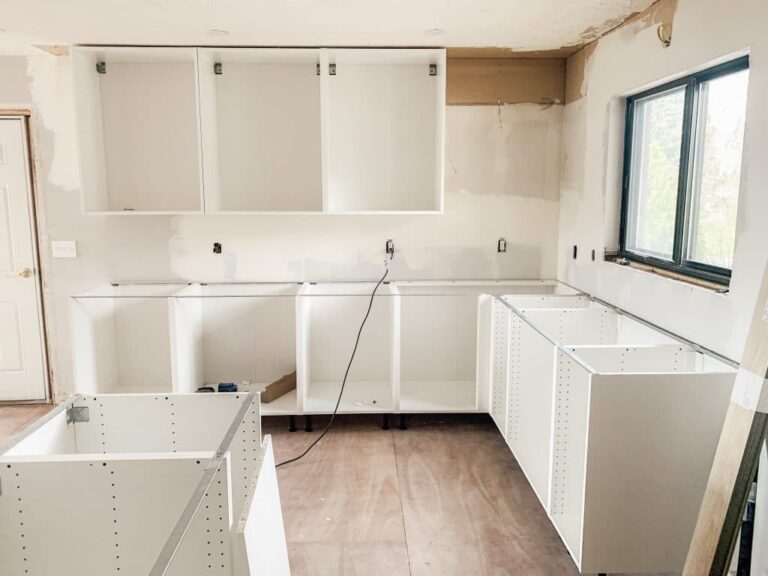
In Canada, the biggest hurdle for any basement project is moisture control. Traditional floor-mounted cabinets often suffer from water damage due to condensation or minor flooding. One of the best IKEA Kitchen Cabinet Ideas for Basement Kitchens is to leverage the SEKTION suspension rail system. By hanging your cabinets on a steel rail, you create a 1-2mm gap between the cabinet back and the wall. This allows for critical airflow, preventing the growth of mold and mildew—a common issue in older Canadian homes with solid masonry foundations.
2. Ventilation and Air Quality Compliance for Secondary Suites
Basement kitchens are often prone to lingering odors and excessive humidity from cooking. To comply with the Ontario Building Code (OBC) or British Columbia Building Code (BCBC), a legal secondary suite must have a dedicated exhaust system. When browsing IKEA Kitchen Cabinet Ideas for Basement Kitchens, consider integrating a high-CFM range hood that vents directly to the exterior.
If external venting is architecturally impossible, a recirculating hood with a high-grade charcoal filter is a secondary option, though it requires more frequent maintenance. In modern airtight Canadian homes, we also advise integrating the kitchen area into your Heat Recovery Ventilator (HRV) system. This helps maintain a stable indoor humidity level of 35-50%, which is the “sweet spot” for preventing particleboard cabinets from swelling or warping over time.3. Layered Lighting to Eliminate the Subterranean Feel
The psychological impact of a dark basement can make a kitchen feel claustrophobic. Effective IKEA Kitchen Cabinet Ideas for Basement Kitchens always prioritize a “layered” lighting scheme to mimic natural daylight. Start with task lighting using IKEA’s MITTLED LED strips. These are designed to hide behind the valance of your upper cabinets, casting a bright, even light across your countertops.
- Ambient Light: Use recessed pot lights (LED slim panels) to provide general illumination without sacrificing ceiling height.
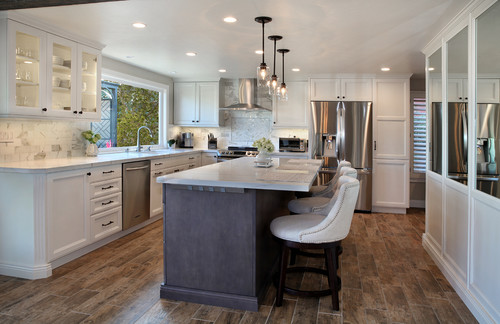
- Feature Light: Add interior cabinet lighting to glass-front doors (like the HÖGBO or BJÖRKÖVIKEN series) to create depth and eliminate dark shadows.
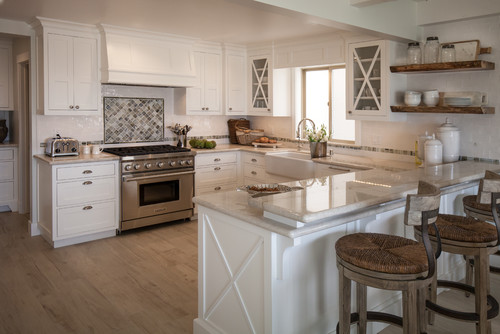
“Legalizing a basement kitchen in Canada requires specific permits to ensure fire safety and electrical compliance. Homeowners should consult the City of Toronto Basement Suite Guidelines to ensure their layout meets all municipal bylaws.”
4. Maximize Storage in Cramped Layouts
Basements are notorious for their limited footprints. To maximize utility, shift your focus from standard swinging doors to MAXIMERA high-extension drawers. One of the most practical IKEA Kitchen Cabinet Ideas for Basement Kitchens is to replace all base cabinet shelves with drawers. This allows you to pull the entire contents of the cabinet into the light, which is crucial in low-light environments.
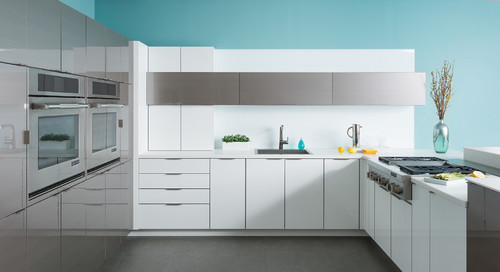
5. Navigating Obstacles with IKEA Kitchen Cabinet Ideas for Basement Kitchens
Structural columns, HVAC bulkheads, and plumbing stacks are standard features in Canadian basements. Instead of viewing them as deal-breakers, treat them as design opportunities. A favorite “hack” involving IKEA Kitchen Cabinet Ideas for Basement Kitchens is the use of fillers and customized paneling.
If a bulkhead hangs low, use 15-inch high bridge cabinets (usually used over fridges) along the entire run to maintain a consistent line. If you have a support post in the middle of your floor plan, incorporate it into a kitchen island built from IKEA base units. By wrapping the post in matching cover panels, you turn a structural necessity into a seamless part of your kitchen’s aesthetic. This level of customization is what makes the SEKTION system superior for difficult basement environments.6. Choosing Durable Countertops for the Canadian Lower Level
Your choice of countertop is just as important as your IKEA Kitchen Cabinet Ideas for Basement Kitchens. In a basement, you want materials that are non-porous and easy to clean.
Quartz is the gold standard for basement kitchens in Canada. It is highly resistant to stains and moisture, and unlike granite, it never needs to be sealed. If you are on a budget, Laminate has come a long way in terms of realism, but you must ensure the edges are perfectly sealed to prevent water from reaching the particleboard core. Avoid solid wood (butcher block) in basements unless your HVAC system is exceptional; the seasonal humidity swings in Canada can cause wood to expand and crack within a single season.7. Layout Efficiency: Single-Wall vs. Galley Designs
When finalizing your IKEA Kitchen Cabinet Ideas for Basement Kitchens, the layout should prioritize minimizing plumbing and electrical runs. A single-wall layout is often the most cost-effective, as it keeps all utilities concentrated against one wall. However, if you have the width, a galley kitchen provides a superior workflow.
Ensure you maintain at least 36 to 42 inches of clearance between cabinets to allow for safe movement. In a small basement suite, every inch counts. By keeping the floor plan open, you allow light to travel further into the space, making the entire basement feel larger and more welcoming for guests or tenants.Cost Analysis: IKEA vs. Custom Basement Kitchens
Budgeting is a critical phase of any Canadian renovation. Choosing IKEA Kitchen Cabinet Ideas for Basement Kitchens can save you thousands of dollars that can be reallocated to premium appliances or flooring. Below is a realistic cost breakdown for a standard 10×10 basement kitchen in Canada.
Frequently Asked Questions (FAQ)
Final Thoughts on Your Basement Renovation
Successfully implementing IKEA Kitchen Cabinet Ideas for Basement Kitchens is about more than just picking a door style; it is about engineering a space that handles the unique environmental demands of a lower level. By focusing on moisture elevation, smart layered lighting, and maximizing every square inch of vertical storage, you can create a secondary kitchen that adds immense value to your property.
Whether you are a seasoned DIYer or looking for professional guidance, the modularity of the IKEA system is your best ally in overcoming the structural quirks of a Canadian basement. Start your journey today and turn that cold basement into a warm, functional hub for your home.Ready to bring your basement kitchen to life?
Contact the experts at rtadepot.ca for a personalized consultation on the best IKEA Kitchen Cabinet Ideas for Basement Kitchens for your Canadian home.
Phone: +1 888 973 5636 Website: www.rtadepot.ca

Sang Vi is a Senior Interior Designer and founder of Wedesign Interior Lab, as well as CEO of the Wedesign Interior Lab, MOC Concepts (Kitchen Cabinets), and Sang Vi Woodworking Manufacturer group. Since 2019, Sang has led an NKBA-certified team specializing in kitchen planning and cabinetry, completing dozens of projects each year across Toronto and other regions in Canada. With deep, hands-on experience in both custom millwork and ready-to-assemble (RTA) kitchen cabinets, Sang focuses on creating designs that are functional, durable, and easy to install. On this RTA platform, Sang shares practical, real-world insights to help homeowners choose, plan, and optimize their kitchen cabinet systems with confidence