
IKEA Kitchen Cabinets Pros and Cons: What Homeowners Should Know Before Buying
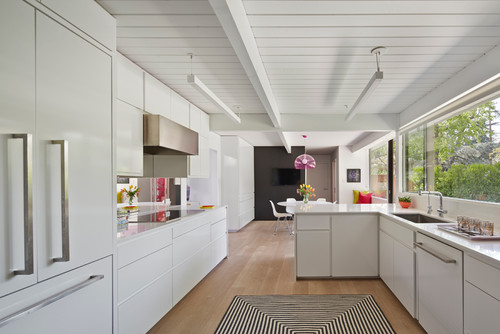
Analyzing the IKEA kitchen cabinets pros and cons is often the first thing homeowners research when planning a renovation on a budget in 2026.
As the housing market continues to evolve, the demand for high-style, low-cost solutions has made modular cabinetry a staple of modern interior design. In cities like Toronto and Mississauga, where renovation costs are rising, understanding the IKEA kitchen cabinets pros and cons is vital for making a smart investment.
While the SEKTION system offers modern style and clever organization, it also presents unique challenges regarding assembly and long-term material stability. This comprehensive guide explores every facet of the IKEA ecosystem to help you determine if a flat-pack solution fits your home or if a more robust alternative is necessary for your lifestyle.
1. Are IKEA SEKTION Cabinets Worth the Money in 2026?
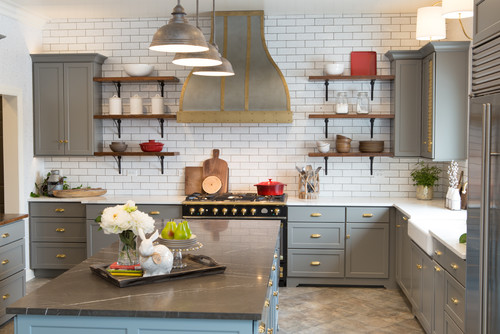
Quick Answer: Yes, for projects with a cabinet budget between $6,000 and $12,000, IKEA offers industry-leading Blum hardware and modern aesthetics. However, for “forever homes” or areas prone to high humidity, the particle board construction requires additional moisture sealing to ensure a 20+ year lifespan.
When weighing the IKEA kitchen cabinets pros and cons, many Canadian homeowners focus on the immediate cost savings for modern designs. Many people find themselves asking, are IKEA cabinets worth it when compared to traditional custom options that cost twice as much?
The current foundation of the IKEA kitchen is the SEKTION system, which relies on a suspension rail for installation. This modular design simplifies the process of leveling cabinets on uneven walls, a feature that is central to the IKEA kitchen cabinets pros and cons debate. It allows for a more forgiving installation in older homes where studs might be slightly out of alignment.
In 2026, many homeowners are opting for this system because it allows for high-end organization without the custom price tag. The system is designed to be highly customizable from the inside out, offering drawers within drawers and clever corner solutions that maximize every square inch of available storage space.
There are significant IKEA cabinet advantages and benefits of IKEA kitchen cabinets, such as the ability to drive home with your entire kitchen today rather than waiting months for custom delivery. This “on-demand” nature is a major benefit for quick renovations or rental property flips.
Inside the cabinets, a pre-drilled hole pattern provides high flexibility for shelving and internal organizers. The boxes themselves are constructed from high-density particle board finished with a melamine foil. This engineering choice keeps the price low—approximately 30-40% cheaper than traditional semi-custom plywood options.
However, this material choice also dictates how the cabinets respond to weight and moisture over time. Recent studies indicate that while the core is dense, it lacks the screw-holding power of 7-layer plywood. This means if a hinge is ripped out, repairing the particle board is significantly more difficult than repairing wood or plywood.
Furthermore, the integration of Blum hardware—an industry standard for high-end cabinetry—ensures that the movement of drawers and doors feels premium. These soft-close mechanisms are a key part of the IKEA kitchen cabinets pros and cons assessment, as they prevent slamming that can wear down the cabinet frame over years of heavy use.
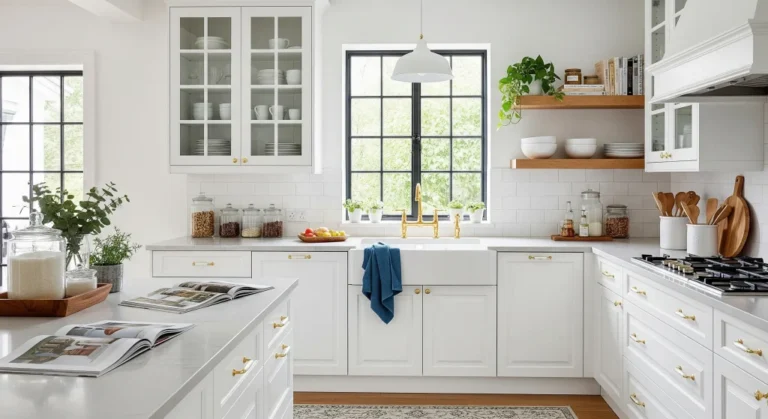
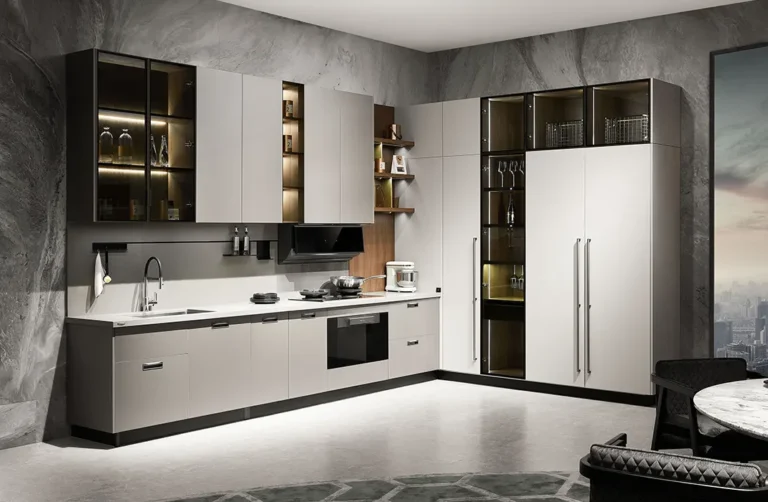
The aesthetic flexibility is another major pro. With styles ranging from minimalist high-gloss to traditional shaker, the system caters to a wide audience. Because the boxes are standardized, you can even change the look of your kitchen in the future simply by purchasing new door fronts, which is a major benefit of IKEA kitchen cabinets.
In a modern 2026 context, the sustainability of materials is also part of the IKEA kitchen cabinets pros and cons. IKEA has made strides in using recycled wood fibers, though the use of resins in particle board remains a point of contention for some eco-conscious buyers. It is also worth noting that the modular grid allows for very specific drawer heights (5″, 10″, 15″), which is excellent for organizing everything from spices to heavy pots.
2. What Are the Common Issues with IKEA Kitchen Cabinets?
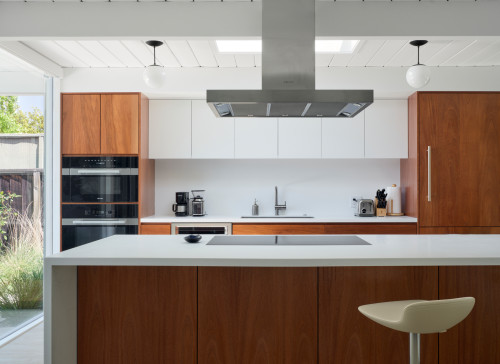
The Verdict: The most significant issues include susceptibility to water damage at the seams, a steep learning curve for DIY assembly (averaging 40-60 labor hours), and fixed 3-inch sizing increments that often require filler strips in non-standard spaces.
While seeking to minimize the Cost of kitchen cabinets Toronto residents often face, the complexity of những systems can lead to higher labor fees. Many homeowners overlook the “flat-pack fatigue” that sets in after assembling the tenth cabinet box. This is a significant factor in the IKEA kitchen cabinets pros and cons.
To understand the structural risks, homeowners should read an IKEA Kitchen Cabinets Quality Review before purchase to identify potential IKEA cabinet drawbacks like particle board swelling. The primary concern is the material’s vulnerability to water. Particle board is effectively compressed wood fibers held together by resin.
If moisture penetrates the outer melamine layer, usually at the seams or corners, the core will expand like a sponge. This is a critical point in any IKEA kitchen cabinets pros and cons analysis. In areas near the sink or dishwasher, steam and small leaks can cause irreversible damage within a few years if the edges aren’t sealed with silicone or specialized tape during installation.
One of the notable disadvantages of IKEA cabinets is the requirement for extensive site assembly. Each box, drawer, and organizer must be built manually. For a standard kitchen with 20-30 cabinets, you are looking at dozens of hours of labor. This is not just a time commitment but a space commitment; your living room will likely become a staging ground for flat boxes for weeks.
Sizing limitations are another hurdle. IKEA cabinets come in fixed width increments, usually every 3 inches (12, 15, 18, 24, etc.). If your kitchen walls do not align perfectly with these measurements—which is common in older homes—you will need to use filler strips. These strips are a major part of the IKEA kitchen cabinets pros and cons because they can look “cheap” if not executed perfectly.
Additionally, the 2026 supply chain has seen sporadic stock issues for specific drawer sizes, which can delay projects by weeks. If a single size is out of stock, your entire installation may be halted. This lack of reliability can be a deal-breaker for those on a strict renovation timeline or for contractors who need to finish projects on schedule.
The suspension rail system, while innovative, also has its downsides. It requires the wall to be relatively flat and capable of supporting significant weight. In older homes with plaster walls or severely bowed studs, the rail may require extensive shim work or structural reinforcement to ensure the cabinets don’t sag or detach from the wall over time.
Furthermore, the IKEA kitchen cabinets pros and cons include the issue of discontinuation. When IKEA switches systems (like the move from AKURUM to SEKTION), replacement parts for older kitchens become nearly impossible to find. This means if a single door is damaged ten years from now, you might have to replace all the fronts in your kitchen to maintain a matching look.
Another drawback often cited in IKEA kitchen cabinets pros and cons is the lack of custom depth options. You are limited to standard base and wall cabinet depths. This can be problematic for kitchens with unique architectural features, such as low windows or shallow alcoves, where every inch of customization matters for a professional finish.
3. Durability and Long-Term Performance Reviews
Homeowners in the GTA and Mississauga frequently compare the Cost of kitchen cabinets Toronto benchmarks with the time investment required for self-assembly.
Looking at IKEA kitchen cabinet durability reviews 2026, the consensus is that the hardware is exceptionally long-lasting. In an IKEA cabinets review pros and cons discussion, experts often highlight the Blum hinges as the standout feature that justifies the price.
The hinges are far superior to those found in standard builder-grade units. However, the life expectancy of the cabinet boxes themselves is generally around 15 to 20 years. While this is sufficient for many, it falls short of the 40-50 years offered by high-grade plywood or solid wood cabinetry, a major factor in the IKEA kitchen cabinets pros and cons analysis.
For many homeowners, the 15-20 year lifespan aligns with the timeline for a major style update. Modern families often choose to remodel for aesthetic reasons long before the cabinets structurally fail. In this context, the IKEA kitchen cabinets pros and cons favor the budget-conscious renovator who doesn’t plan on staying in the home for a lifetime.
However, for those looking for a “forever kitchen,” the structural integrity of particle board may not compare to plywood-based alternatives. Plywood holds screws more securely and doesn’t crumble over time when exposed to minor humidity fluctuations, which is why it’s a key point in the IKEA kitchen cabinets pros and cons debate.
Maintenance plays a huge role in durability. Homeowners who are diligent about wiping up spills and ensuring proper ventilation can see their IKEA cabinets last far beyond the 15-year mark. This proactive care is essential when considering the IKEA kitchen cabinets pros and cons and attempting to maximize your investment.
The melamine foil finish is surprisingly resistant to staining and scratching from typical kitchen activities. It stands up well to daily cleaning with mild detergents. But once the surface is deeply scratched, it cannot be sanded down or refinished like real wood, representing a significant disadvantage in the IKEA kitchen cabinets pros and cons list.
Overall, the durability is excellent for the price, but it requires a different mindset than traditional wood cabinets. You are essentially investing in high-quality moving parts (hinges/drawers) inside a more fragile shell, which is the core of the IKEA kitchen cabinets pros and cons for most consumers.
In 2026, many families are also looking at how cabinets handle heavy small appliances like air fryers and stand mixers. The IKEA kitchen cabinets pros and cons include the weight limits of shelving. While the MAXIMERA drawers are robust, the adjustable shelves can sag over time if loaded with heavy cast-iron cookware or large stacks of ceramic plates.
UV resistance is also a factor. Some of the lighter-colored IKEA cabinet doors can yellow slightly over many years if exposed to direct, harsh Canadian sunlight. Homeowners with large south-facing windows should consider this when reviewing IKEA kitchen cabinets pros and cons and selecting their specific door style and finish.
4. Comparison: IKEA vs. RTA Plywood vs. Custom
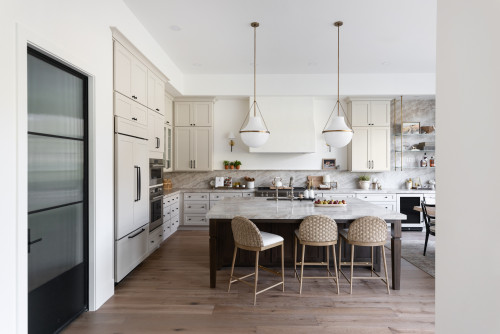
A direct analysis of RTA vs custom cabinets reveals that the RTA kitchen cabinets price Canada offers a significant middle-market advantage for those wanting plywood construction. This is a vital comparison to make alongside the IKEA kitchen cabinets pros and cons.
When reviewing the benefits of IKEA kitchen cabinets, you must also consider the labor cost of building each box from scratch. This comparison is particularly relevant for high-traffic homes in Mississauga where durability is a top priority. Plywood boxes are simply more resilient to the “bumps and bruises” of family life and hold up better against accidental impacts.
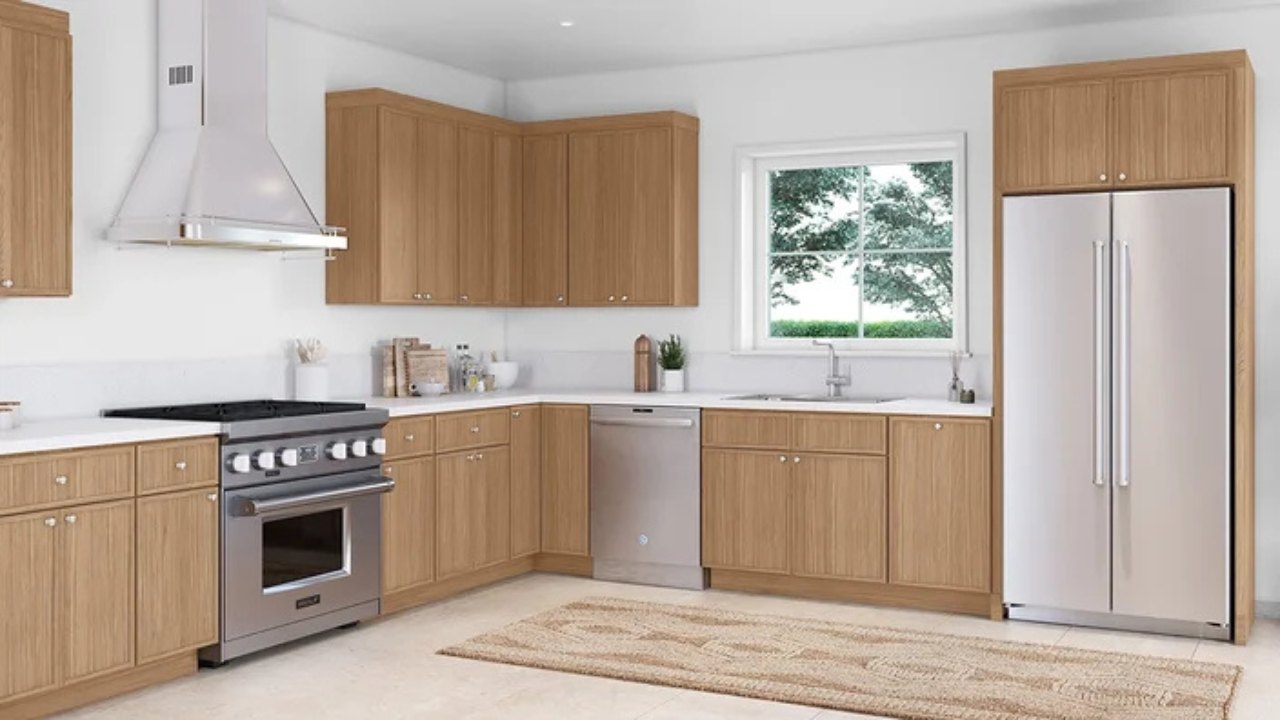
Custom cabinets offer the ultimate flexibility in design, allowing you to utilize every square inch of your kitchen. However, this comes at a premium price and a much longer lead time. For many, the RTA (Ready-to-Assemble) plywood path is the sweet spot of value and quality in the IKEA kitchen cabinets pros and cons context, providing custom-like durability at a modular price.
Customization also impacts resale value. A custom kitchen is often seen as a high-value asset in real estate listings. IKEA kitchens are generally well-received but may not command the same luxury premium, which is an important long-term factor when considering IKEA kitchen cabinets pros and cons for your home value.
Furthermore, the availability of parts is a factor. If a custom cabinet door breaks ten years from now, you might have to pay a fortune to have a single piece remade. With IKEA, you run the risk of the entire line being discontinued. RTA suppliers like RTADepot often maintain more consistent sizing and styles for long-term repairs.
In the IKEA kitchen cabinets pros and cons context, the ease of sourcing additional parts today is a pro, but the uncertainty of availability ten years from now is a con. RTA systems that follow industry-standard sizing often provide more peace of mind for future maintenance and expansion projects.
For many Canadian homes, especially in humid regions like Southern Ontario, the IKEA kitchen cabinets pros and cons must include material expansion. Particle board reacts more drastically to humidity swings than plywood, which can lead to misaligned doors that require seasonal adjustment to maintain their look.
Formaldehyde emissions are also a consideration in modern 2026 homes. While IKEA products meet very strict European and North American standards (CARB P2), plywood cabinets often use soy-based or formaldehyde-free adhesives, which can be a better choice for families with high sensitivity to indoor air quality.
5. Hidden Expenses and Final Verdict
Comparing RTA vs custom cabinets helps define the project scope, especially when analyzing the average RTA kitchen cabinets price Canada for plywood boxes versus particle board. One of the major hidden costs in the IKEA kitchen cabinets pros and cons discussion is the finishing components.
While a base cabinet box may only cost $150, the required cover panels, toe kicks, deco strips, and specialized lighting can add $2,000 to $4,000 to a standard project. Cover panels are essential because the cabinet boxes themselves only come in white or brown; every exposed side must be covered to match the door color.
Furthermore, professional installation for an IKEA kitchen typically ranges from $100 to $200 per cabinet box in 2026. This can double your initial budget if you don’t DIY. Many homeowners also forget the cost of specialized tools needed—such as tracksaws or specific jigs—to achieve a professional-looking IKEA kitchen cabinets pros and cons result.
Shipping and delivery can also be a significant expense. Large kitchen orders are heavy and bulky. If you don’t have a large vehicle and a few strong helpers, you will likely need to pay for professional freight delivery, which adds to the IKEA kitchen cabinets pros and cons budget and total timeline.
Countertops are another area where IKEA customers often look for savings, but the modular sizing can limit your choices to IKEA’s pre-cut laminate options or require a more expensive custom stone fabrication that doesn’t always align with a “budget” project mindset.
Choosing the right kitchen depends on your priorities. If you are comfortable with modular limitations and have the patience for assembly, the SEKTION system offers a stylish result. It is an excellent choice for modern apartments or rental properties where the ROI is clear and immediate aesthetic appeal is the goal.
However, if you want a kitchen that withstands moisture better and offers easier installation, a plywood-based system is often the superior choice. This is especially true in family homes where the kitchen is the primary hub of activity and exposed to constant use, accidental spills, and heavy weight from stone countertops.
Selecting the Best kitchen cabinet supplier Canada involves looking beyond the sticker price to the quality of the core materials. A higher initial investment in plywood can save you thousands in repair and replacement costs a decade down the line, especially in high-humidity areas.
Ultimately, the IKEA kitchen cabinets pros and cons reveal a system that is perfect for some and problematic for others. If your goal is a high-end look on a shoestring budget and you have the time to invest in assembly, IKEA is hard to beat for pure aesthetic value and modular flexibility.
RTADepot.ca provides high-quality cabinetry that bridges the gap between mass-market modularity and expensive custom work. By offering the structural benefits of plywood with the convenience of an RTA system, it provides a balanced solution for modern Canadian homes that want quality and value.
Making the right choice for your home
For personalized advice on your kitchen quote and layout or to compare material specifications with the Best kitchen cabinet supplier Canada, visit www.rtadepot.ca or call +1 888 973 5636 to speak with a design specialist. We help you navigate the IKEA kitchen cabinets pros and cons and every cabinet system to find the perfect fit for your home.