
How to Install IKEA Kitchen Cabinets
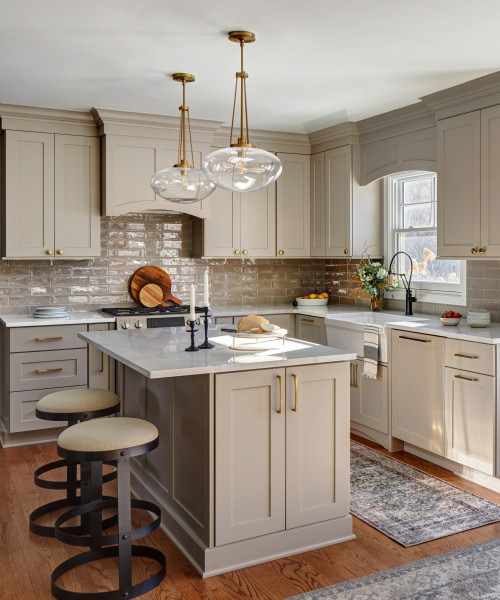
IKEA kitchen cabinets installation can be a practical DIY project, but it still requires careful measuring, leveling, and planning. The biggest challenge is not putting the cabinet boxes together. It is making sure the room is ready, the rail system is straight, and every cabinet stays level and square from start to finish.
This guide focuses only on the installation process. We will cover how hard IKEA cabinets are to install, the tools you need, prep work before installation, how the IKEA rail system works, common installation mistakes, whether DIY or professional installation makes more sense, and how long the job usually takes. For a full overview of IKEA kitchen cabinets before installation, read our complete IKEA kitchen cabinets review.
How Hard Is It to Install IKEA Kitchen Cabinets?
Installing IKEA kitchen cabinets is usually considered a moderate to difficult project for most homeowners. The cabinet boxes themselves are fairly straightforward to assemble, but the installation becomes more demanding when you need to level long cabinet runs, work around uneven walls, locate studs accurately, and align doors and drawers for a clean finish.
For a simple kitchen with straight walls and a basic layout, many confident DIYers can handle the job. For older homes, uneven floors, integrated appliances, or heavy countertops, the project becomes much harder and leaves less room for error. That is why the planning and installation stages matter more than the box assembly itself.
Tools Needed for IKEA Cabinet Installation

You do not need an oversized contractor setup to install IKEA cabinets, but you do need the right basics. A laser level is one of the most useful tools because it helps you set a consistent line across the kitchen for the suspension rail and base cabinet height. A drill and driver, stud finder, tape measure, clamps, shims, utility knife, square, and a good pencil are also essential.
If you plan to trim fillers, panels, or toe kicks on site, you will also need saws that can make clean and accurate cuts. Clamps are especially helpful for pulling cabinet faces flush before fastening them together. The more precise your tools are, the easier it is to keep the installation neat and consistent.
How to Prepare Before Installing IKEA Kitchen Cabinets
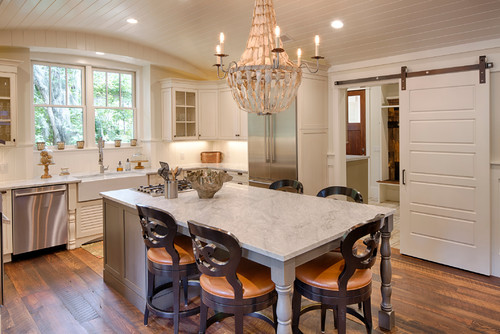
Good installation starts before the first cabinet is assembled. You should check whether the floor is level, whether the walls are plumb, and where the studs are located. Even a small problem at this stage can affect the entire cabinet run later.
Plumbing and electrical rough-ins should already be in their final locations before installation starts. It is also important to confirm appliance clearances, corner spacing, and filler requirements before mounting anything to the wall. If your room is not perfectly square, that does not mean IKEA cabinets will not work, but it does mean you need to plan for shims, fillers, and careful alignment.
This is also the right time to review cabinet measurements and layout details. If you need a sizing reference for your layout, you can compare your plan with this kitchen cabinet dimensions guide.
Understanding the IKEA Rail System
The IKEA suspension rail is one of the most important parts of the installation system. It supports the wall cabinets and helps position the cabinets consistently across the room. When the rail is mounted correctly, it makes the installation much easier. When it is mounted out of level or pulled into a bowed wall, it creates alignment problems across every cabinet connected to it.
That is why the rail must be installed on a straight and level line, not simply tightened to follow the wall shape. If the wall has dips or bows, use shims behind the rail at the fastening points so the rail stays straight. This step matters because the cabinet fronts will reflect the line of the rail.
Once the rail is in place, each cabinet still needs to be checked for level and square. The rail helps with positioning, but it does not fix poor prep, uneven floors, or cabinet boxes that were assembled out of square.
Common IKEA Cabinet Installation Mistakes
One of the most common mistakes is mounting the rail to match an uneven wall instead of correcting it with shims. Another is skipping the step of finding the highest point of the floor before setting base cabinet height. These mistakes can create uneven countertop lines, visible gaps, and doors that do not line up properly.
Another common problem is assembling cabinet boxes without checking whether they are square. If the cabinet is racked, the drawers may bind and the fronts may never align cleanly. Installers also run into trouble when they leave plumbing, outlets, and appliance requirements until too late, forcing unnecessary cabinet modifications during installation.
Rushing filler planning is another issue. Many kitchens need small filler strips at walls, corners, or beside appliances so doors and drawers can open correctly. Without those allowances, the finished kitchen may look tight on paper but fail in real use.
DIY vs Professional IKEA Cabinet Installation
DIY IKEA cabinet installation can make sense if you are comfortable with measuring, leveling, cutting fillers, and working methodically. It is usually a better fit for straightforward layouts and homeowners who have enough time to move slowly and correct mistakes along the way.
Professional installation makes more sense when the kitchen has uneven walls or floors, integrated appliances, large cabinet runs, or a heavy countertop that leaves little margin for error. Hiring a pro can also reduce delays when you are coordinating plumbing, electrical work, countertop templating, and finishing details.
If budget is part of your decision, compare the labor side carefully before you commit. You can read our full IKEA Kitchen Cabinets Cost Guide for a more detailed breakdown of total project costs.
How Long Does It Take to Install IKEA Kitchen Cabinets?
Short answer: A small or simple kitchen may take a few days for a skilled DIY installer, while a larger kitchen or more complex layout can take much longer. Professional crews usually move faster because they handle rail mounting, leveling, and cabinet alignment more efficiently.
The timeline depends on room conditions, kitchen size, cabinet count, and how much site prep is already complete. A clean layout with straight walls and finalized rough-ins will move much faster than a remodel where the installer has to solve leveling, spacing, and utility problems on site.
Base cabinet leveling often takes longer than homeowners expect because every adjustment affects the next cabinet in the run. Wall cabinets, fillers, panels, and door adjustments also add time at the end. Even when the boxes are installed, final alignment and cleanup still matter if you want the kitchen to look straight and finished.
Need Help Planning Your Installation?
A successful IKEA kitchen installation starts with the right measurements, layout planning, and realistic expectations about labor. If you are still deciding whether IKEA is the right fit for your project, start with our full IKEA kitchen cabinets review and cost guide before moving forward.
Need a second opinion on your kitchen layout?
Hotline: +1 888 973 5636

Sang Vi is a Senior Interior Designer and founder of Wedesign Interior Lab, as well as CEO of the Wedesign Interior Lab, MOC Concepts (Kitchen Cabinets), and Sang Vi Woodworking Manufacturer group. Since 2019, Sang has led an NKBA-certified team specializing in kitchen planning and cabinetry, completing dozens of projects each year across Toronto and other regions in Canada. With deep, hands-on experience in both custom millwork and ready-to-assemble (RTA) kitchen cabinets, Sang focuses on creating designs that are functional, durable, and easy to install. On this RTA platform, Sang shares practical, real-world insights to help homeowners choose, plan, and optimize their kitchen cabinet systems with confidence