
The Ultimate IKEA Kitchen Cabinets Review for Canadian Homeowners
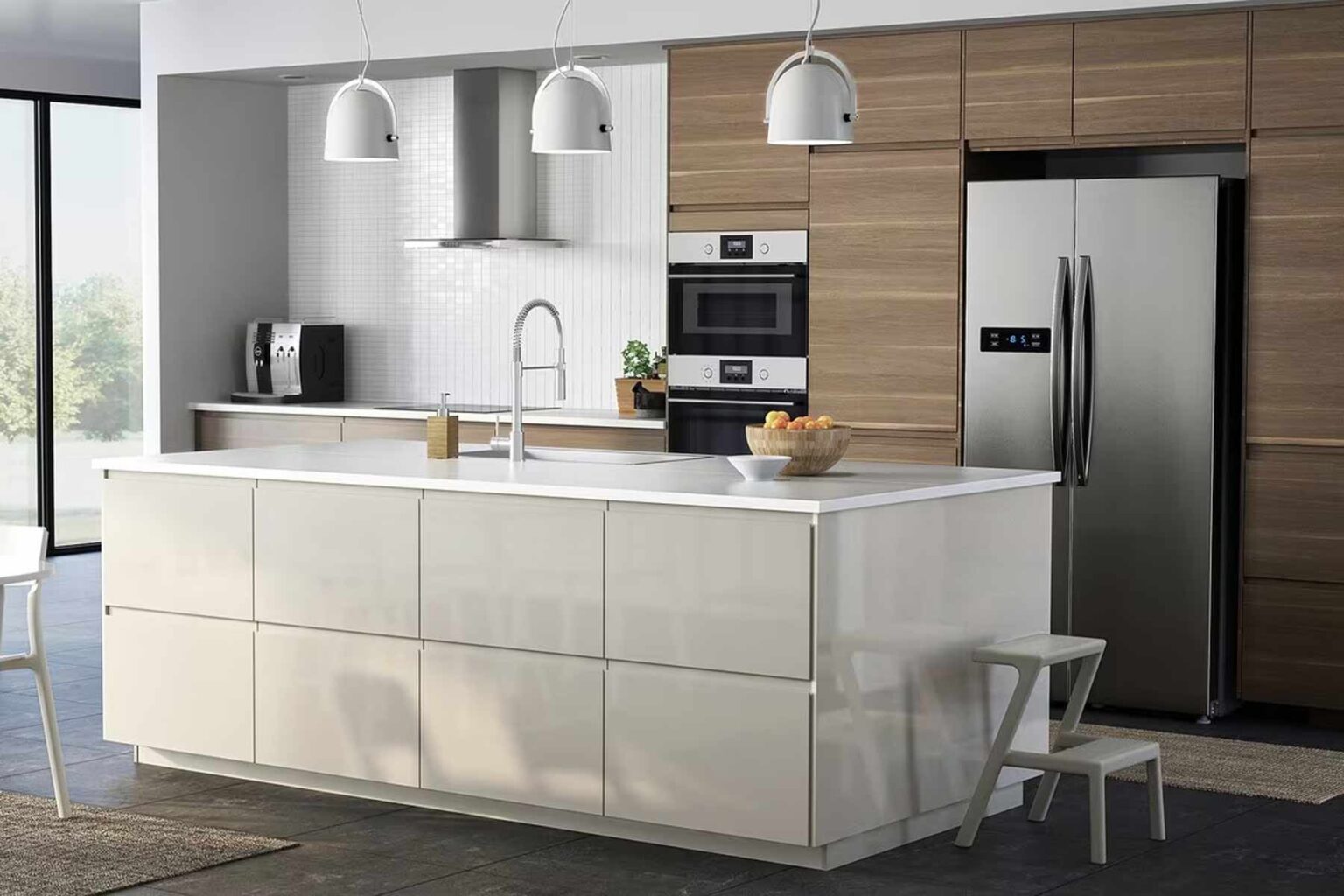
IKEA kitchen cabinets have long been the go-to solution for Canadian homeowners seeking a modern aesthetic without the premium price tag of bespoke millwork. This comprehensive review analyzes the structural integrity of the SEKTION system, provides an honest breakdown of the total investment required, and explores how these modular units perform over time in real-world conditions. By evaluating both the strengths and limitations of the flat-pack model, you can determine if this widely popular cabinetry system truly meets the long-term functional and financial goals of your home renovation project. Navigating the world of modular design requires a careful balance between visual appeal and the technical realities of material science and installation precision.
1. Are IKEA Kitchen Cabinets Worth It?
Short Verdict: IKEA kitchen cabinets offer the best value for budget-conscious remodels and rental properties due to their high-end Blum hardware and flexible modular design. However, they are not ideal for historical homes with uneven walls or for homeowners seeking a forever home luxury finish with plywood construction.
Best for budget-conscious remodels
For those looking to refresh a kitchen on a mid-range budget, the system is nearly unbeatable. It allows you to allocate more funds toward high-end appliances or stone countertops while maintaining a clean, contemporary cabinet look. The ability to customize internal organization at a low cost makes it a favorite for modern urban living.
Not ideal for every home or design goal
If your architectural style demands inset doors, custom wood stains, or unique cabinet widths to fit awkward gaps, you will find the modular constraints frustrating. Additionally, the reliance on particleboard may not satisfy buyers in the high-end luxury real estate market who expect solid wood or plywood interiors as a sign of quality.
2. What Are IKEA Kitchen Cabinets?
How the IKEA kitchen cabinet system works
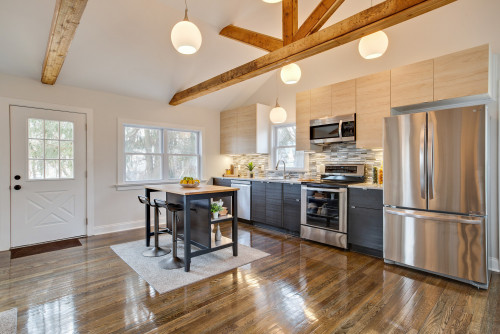
The current SEKTION system is built on a grid-based modular logic. Instead of building one long cabinet box, the system uses individual modules that are hung on a galvanized steel rail. This rail-based installation is a significant departure from traditional cabinetry and allows for easier leveling on uneven Canadian walls. Every component, from the hinges to the drawers, is designed to be user-installable with standard tools.
Common cabinet types, sizes, and modules
The system is offered in standard widths ranging from 12 to 36 inches. Base cabinets typically come in a 24-inch depth, while wall cabinets are 15 inches deep. This standardized sizing is what allows the company to maintain high stock levels across Canada. You can choose between standard door units, specialized corner carousels, and high-capacity drawer banks that can hold up to 110 pounds of cookware when properly assembled.
Why they are so popular in Canada
In a market where custom cabinetry can take 12 weeks to deliver, the immediate availability of modular units is a major draw. Whether you are in Toronto, Mississauga, or Vancouver, the ability to drive to a warehouse and leave with a kitchen the same day appeals to many fast-paced renovation timelines. Furthermore, the modern Scandinavian design fits perfectly with the aesthetic of new-build condos and suburban homes across the country.
3. IKEA Kitchen Cabinets Quality Review
One of the most debated topics among contractors and homeowners is the actual durability of the materials used. To provide an objective assessment, we must look at the specific density of the particleboard and the engineering of the hardware components. For a deeper analysis of structural longevity, you may want to read our specialized guide on IKEA kitchen cabinets quality and material durability.
Box construction and core materials
The cabinet boxes are constructed from 3/4-inch thick furniture-grade particleboard. This core is wrapped in a melamine foil that provides a non-porous, easy-to-clean surface. While particleboard is often unfairly maligned, the high-density version used in modular systems is remarkably stable and will not warp under normal environmental conditions. However, the raw edges must be handled with care, as any exposure to standing water will cause the fibers to swell.
Doors, finishes, and wear resistance
Door fronts range from basic laminate foil to high-end painted MDF and even real wood veneers. The wear resistance varies by finish; the painted Bodbyn and Axstad series are known for their durability, while some high-gloss foil finishes may show scratches more easily. In 2026, homeowners are increasingly opting for matte finishes that resist fingerprints, ensuring the kitchen looks clean even under heavy daily use.
Hardware, hinges, and drawer performance
The hardware is where the system truly excels. IKEA partners with Blum to provide high-end hinges and drawer slides that include integrated soft-close dampers. These components are rated for over 200,000 cycles, providing a smooth, premium feel that often exceeds the hardware quality found in more expensive entry-level custom cabinets. This hardware is a major factor in the high user satisfaction ratings for IKEA kitchen cabinets.
4. IKEA Kitchen Cabinets Cost Breakdown
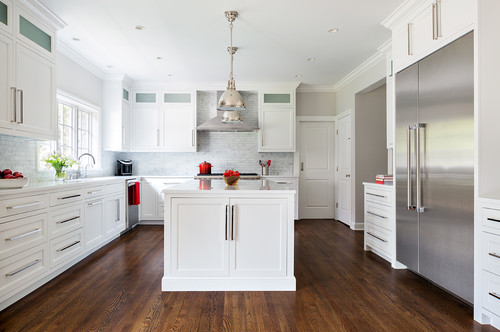
Budgeting for a new kitchen involves more than just the price of the boxes. Understanding the full financial picture is crucial for a stress-free renovation. For a detailed price guide by cabinet type, visit our IKEA kitchen cabinets cost guide for the latest 2026 data.
Typical budget ranges by kitchen size
A standard 10×10 kitchen using modular cabinets typically costs between $6,000 and $12,000 for materials. Small galley kitchens can often be completed for under $5,000, while large open-concept spaces with large islands can reach $18,000. These prices fluctuate based on your choice of drawer banks versus shelving and the premium level of your chosen door style.
Hidden costs: delivery, panels, fillers, and installation
One of the most frequent surprises for new buyers is the cost of finishing pieces. A single cover panel for a tall pantry can cost $100 or more, and fillers are necessary to hide gaps against walls. Delivery fees in urban areas like Toronto can range from $100 to $250. If you hire professional installers, you should expect to pay between $100 and $150 per cabinet box, which can nearly double your initial material-only budget.
IKEA vs custom vs premium RTA pricing
When evaluating the **RTA kitchen cabinets price Canada** market, modular units are consistently the entry-point leader. However, as you add more drawers and high-end accessories, the price gap between IKEA and premium RTA plywood cabinets (which offer superior durability) begins to narrow. Custom cabinetry typically remains 2 to 3 times more expensive due to the localized labor and tailored construction methods involved.
5. IKEA Kitchen Cabinets Pros and Cons
Every renovation choice requires a trade-off between cost, time, and quality. To see more detailed real-world examples from homeowners, check our full analysis of IKEA kitchen cabinets pros and cons before you buy.
Main Advantages
- Exceptional Hardware: Soft-close Blum components are included in the price.
- Warranty: 25-year limited warranty provides peace of mind.
- Organization: The widest variety of internal drawer and shelf organizers.
- Speed: In-stock availability for quick renovation starts.
Main Drawbacks
- Material Core: Particleboard is susceptible to moisture damage if leaks occur.
- Rigid Sizing: No custom widths or heights; filler pieces are always required.
- Labor Intensive: Flat-pack assembly requires hundreds of man-hours for a full kitchen.
- Stock Vulnerability: A single missing hinge or drawer front can halt your project for weeks.
6. Design Flexibility and Customization
Styles, colors, and door-front options
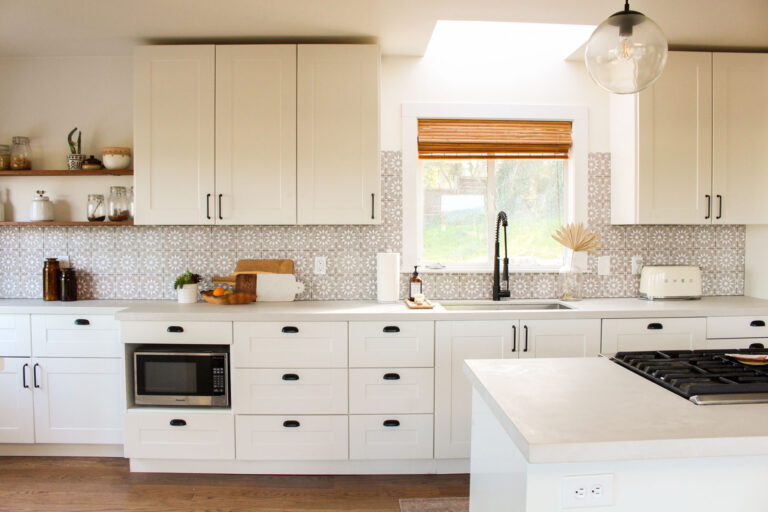
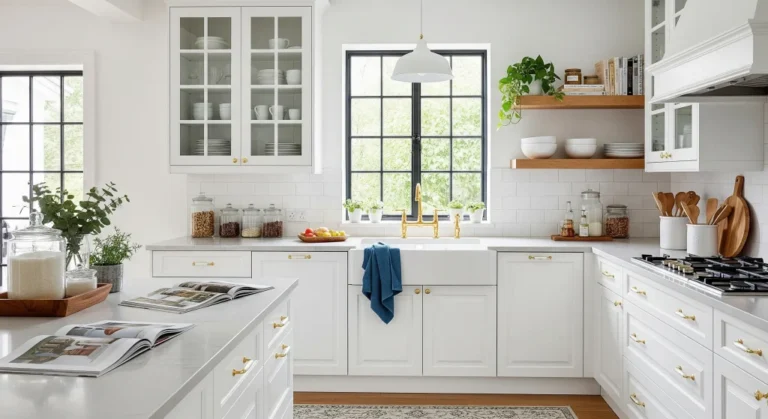
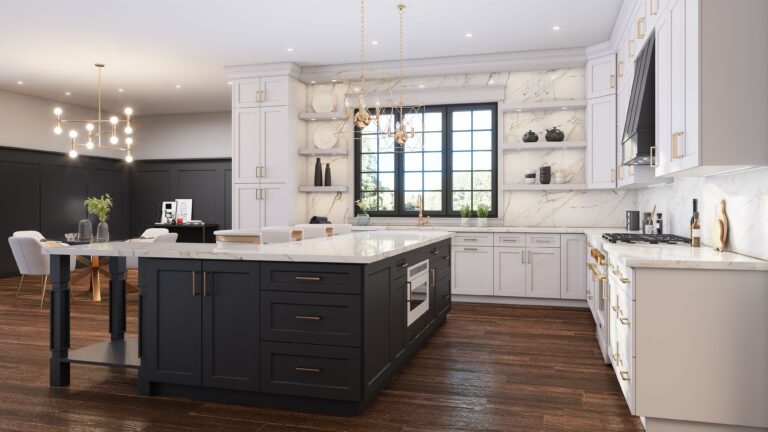
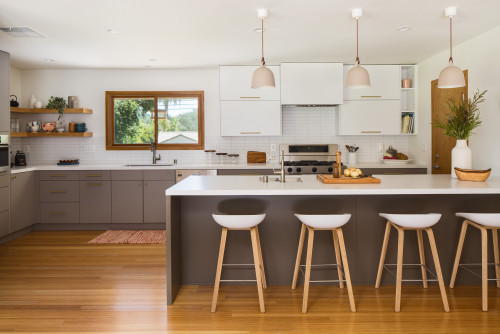
Homeowners in Canada often search for the **best kitchen cabinet colors Canada** to find trending palettes. The modular system offers everything from matte greens and navy blues to classic white shaker and natural wood textures. In 2026, there is a significant shift toward two-tone kitchens, where lower cabinets feature a dark, grounded color while upper units remain light and airy. The ability to swap door fronts without replacing the cabinet boxes allows for an affordable style refresh years down the road.
Where standard sizes can become limiting
The primary design hurdle is the lack of custom widths. If your wall is 125 inches long, you will end up using 120 inches of cabinetry and a 5-inch filler piece. In a small kitchen, this can feel like wasted space. Furthermore, the 15-inch depth of wall cabinets is deeper than the industry standard of 12 inches. While this provides more storage, it can make a small galley kitchen feel more enclosed if not balanced with open shelving or lighter colors.
7. IKEA Kitchen Cabinets Installation Guide
The complexity of setting up a modular kitchen is often underestimated. To avoid common pitfalls and ensure your project stays on schedule, review our full IKEA kitchen cabinets installation guide which covers the rail system in detail.
DIY vs professional installation
A solo DIY installation of a 20-box kitchen can take between 40 and 60 hours of active labor. This includes the unboxing, assembly of the frames, mounting the suspension rails, and the tedious process of aligning doors and drawers. Professional installers in cities like Toronto or Mississauga can complete the same project in 3 to 4 days. If you are not comfortable using a laser level or finding wall studs, hiring a pro is highly recommended to ensure your warranty remains valid and your heavy countertops have a level foundation.
Measuring and planning mistakes to avoid
The most frequent error occurs at the measurement stage. You must account for the thickness of the cover panels and the protrusion of handles. Failing to leave a 1-inch scribe gap next to walls will prevent drawers from opening fully if the wall is not perfectly plumb. Additionally, ensure you have planned your lighting and electrical outlets before hanging the wall units, as running wires behind a mounted rail system is difficult once the boxes are in place.
8. Who Should Buy IKEA Kitchen Cabinets?
Determining the right fit for your household requires a look at both your current lifestyle and your long-term real estate goals. The **Cost of kitchen cabinets Toronto** market is competitive, and choosing the wrong system can lead to buyer’s remorse.
Best fit homeowners
Modular units are ideal for young families in starter homes, DIY enthusiasts who enjoy the assembly process, and landlords looking to update a rental property with durable hardware. They are also fantastic for anyone living in a modern condo where clean lines and smart internal organization are the top priorities. If you plan to sell your home in 5 to 7 years, the ROI of a modular kitchen is generally very strong.
When another cabinet option may be better
If you are building your forever home and want a kitchen that will last 30+ years with heavy daily use, you should reconsider. Particleboard does not handle repeated moisture exposure as well as plywood. Furthermore, if your kitchen has a non-standard layout with many odd angles, the cost of the custom “hacks” required to make modular units fit might exceed the price of a semi-custom plywood RTA system.
9. Best IKEA Kitchen Cabinets Alternatives
If you love the price of RTA but want better structural materials, exploring **IKEA kitchen cabinets alternatives** is a wise step. For a side-by-side comparison of construction methods, see our guide on IKEA vs custom and premium RTA cabinets.
Premium RTA alternatives
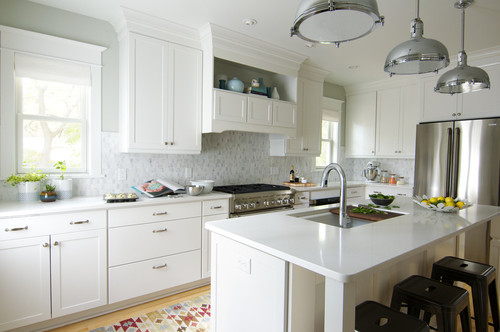
Specialized suppliers like rtadepot.ca offer **RTA vs custom cabinets** solutions that bridge the gap. These units often feature 1/2-inch to 3/4-inch plywood boxes, which are much more resistant to water and have superior screw-holding power compared to particleboard. When researching the **Best kitchen cabinet supplier Canada**, many homeowners discover that the price of plywood RTA is only 15-20% higher than modular retail units, making it a viable upgrade for those seeking longevity.
Which alternative makes sense for different budgets
For budgets under $8,000, modular retail units remain the leader. For mid-range budgets of $10,000 to $15,000, plywood RTA systems provide the best balance of quality and cost. For budgets exceeding $25,000, localized semi-custom and full-custom millwork allow for the tailored fit and unique architectural details that mass-produced systems cannot achieve.
10. Frequently Asked Questions
Are IKEA kitchen cabinets durable? Yes, they are durable for daily use. The Blum hardware is world-class, but the particleboard core is susceptible to moisture. If you keep your kitchen dry and maintain the seals, they can easily last 20+ years.
Are IKEA cabinets cheaper than custom? Significantly. In most Canadian markets, a modular kitchen will cost 50% to 70% less than a full custom solution, though professional labor costs can narrow that gap if you do not DIY.
Can you install IKEA kitchen cabinets yourself? Yes, the system is designed for DIYers. However, it requires a high degree of precision and patience. You must be comfortable finding studs, using a level, and cutting finishing panels with a fine-blade saw.
What are the best alternatives to IKEA kitchen cabinets? The best alternatives are plywood RTA cabinets from specialized suppliers like rtadepot.ca. They offer superior structural strength while remaining significantly more affordable than local custom millwork.
11. Final Verdict: Is it Worth It?
The choice of cabinetry defines the long-term success of your renovation. IKEA kitchen cabinets remain an excellent choice for those who prioritize design and internal organization on a budget. They provide an accessible entry point into modern design, backed by a generous 25-year warranty. However, as our 2026 review has highlighted, the material limitations and labor-intensive installation are factors that must be weighed carefully.
If you are comfortable with the trade-offs of particleboard and the high time-commitment of assembly, they are a fantastic value. For many homeowners in the Toronto and Mississauga areas, the transition to a premium RTA alternative from a **Best kitchen cabinet supplier Canada** specialist provides the extra durability needed for a forever home. Plywood construction and dovetail joinery offer a structural lifespan that often exceeds modular systems in high-traffic family environments.
Whether you choose to DIY with a modular system or invest in professional-grade RTA units, the key is thorough planning. Use the detailed guides linked throughout this hub to dive deeper into the specific topics of quality, cost, and installation to ensure your new kitchen is as functional as it is beautiful. A well-built kitchen is more than just storage—it is the heartbeat of your home.
Ready to upgrade your kitchen with professional-grade durability and expert design support? Partnering with the Best kitchen cabinet supplier Canada ensures a seamless renovation experience from start to finish.
Explore high-quality RTA cabinetry solutions at rtadepot.ca.
Call us today for a professional consultation: +1 888 973 5636