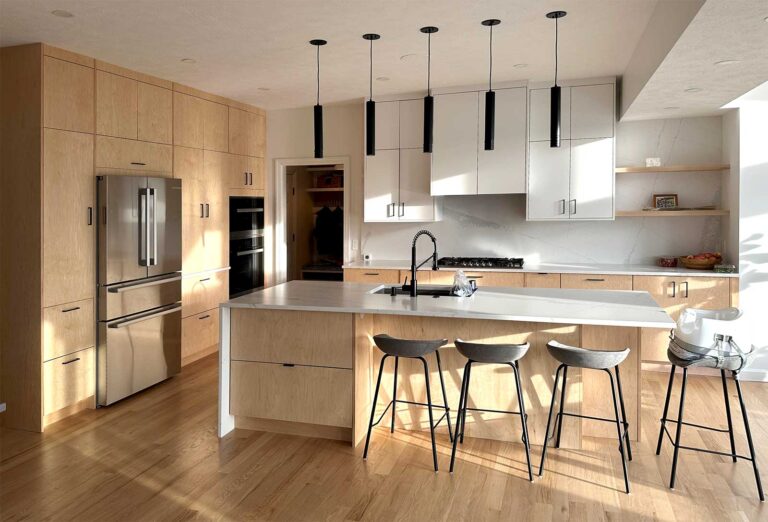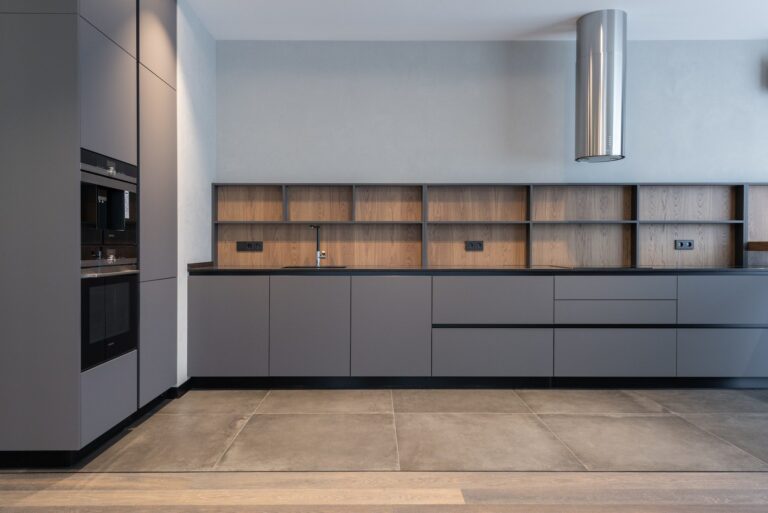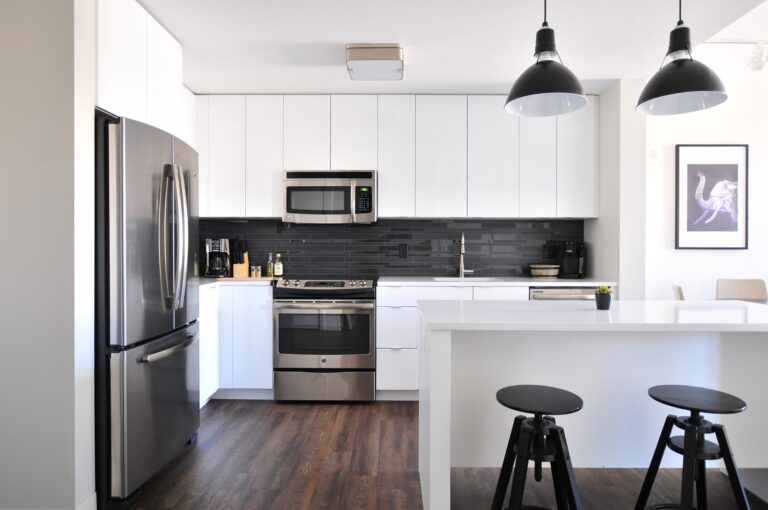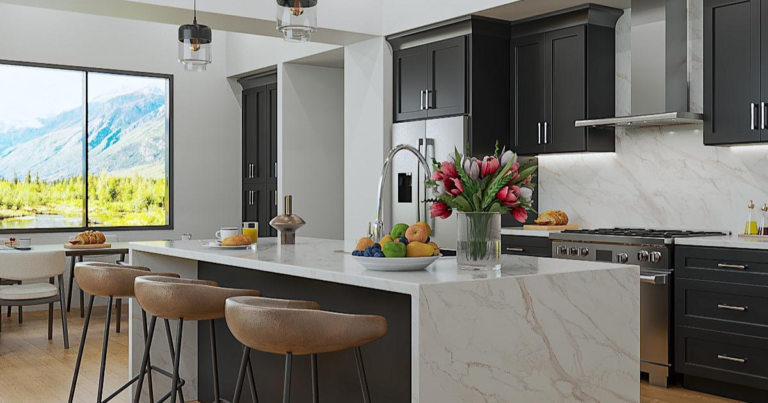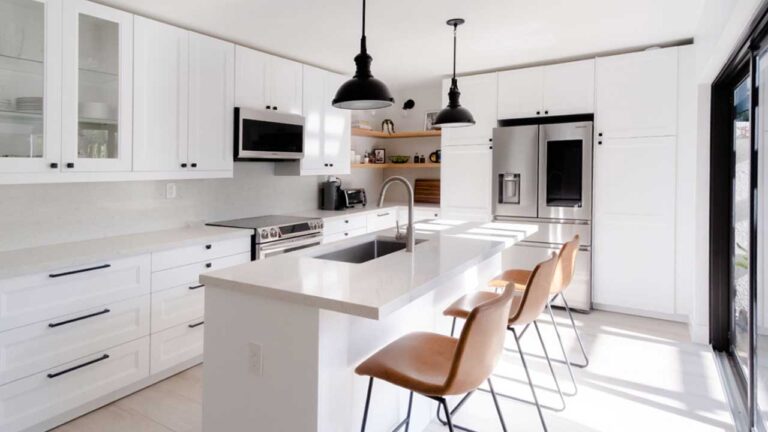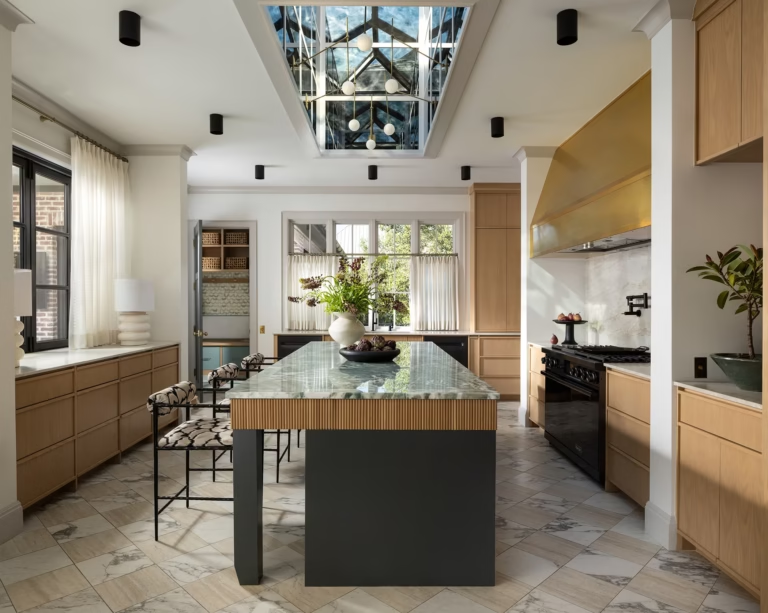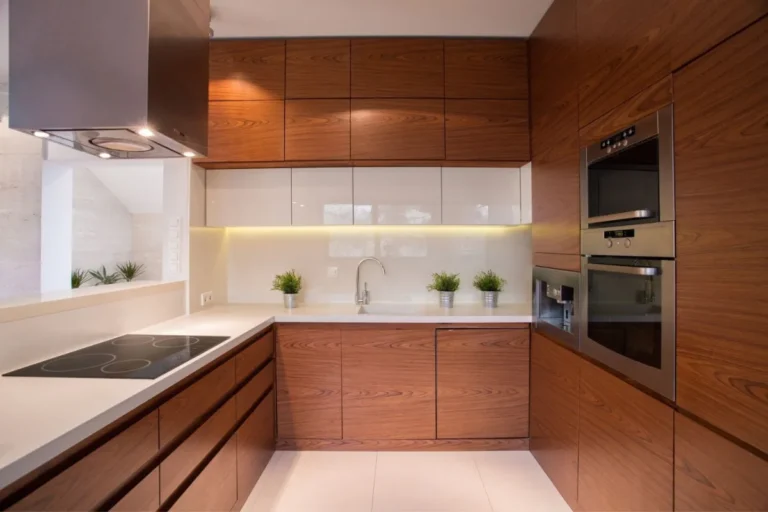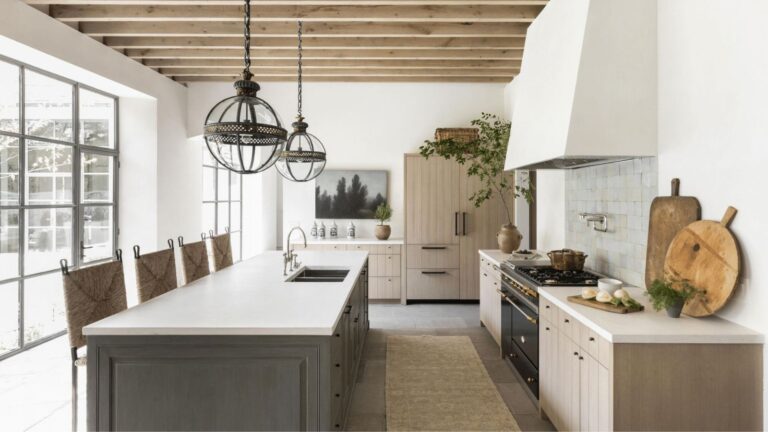

IKEA Kitchen Cabinets vs Custom Cabinets: Which Is Better in 2026?
The decision of IKEA kitchen cabinets vs custom cabinets is a fundamental crossroad for any 2026 home renovation. This guide provides a direct, technical comparison across six essential factors: cost, layout flexibility, material durability, lead time, resale value, and long-term fit. Whether you are prioritizing budget or seeking a “forever home” solution, here is the breakdown to help you invest wisely in your kitchen’s infrastructure.
1. IKEA vs Custom Kitchen Cabinets Cost
In the 2026 market, the IKEA vs custom kitchen cabinets cost analysis must account for “invisible labor.” IKEA materials for an average kitchen generally range between $6,000 and $11,000. This price is highly competitive because you are buying mass-produced components. However, assembling 20+ cabinet boxes and dozens of drawers typically takes a DIYer 60 to 80 hours. If you hire professional installers (costing $4,000–$6,000), the total entry price moves closer to semi-custom levels.
Custom cabinetry starts at approximately $25,000 and can exceed $60,000 for high-end materials. While the upfront capital is significantly higher, this is a turn-key investment. It includes professional design services, logistics, and master installers who ensure every panel is perfectly scribed to your specific walls. In major real estate markets like Toronto and Mississauga, custom work is viewed as a fixed capital improvement, whereas IKEA is often seen as a stylish but removable update.
“Cost Framework: When evaluating IKEA cabinets vs custom cabinets, always calculate the ‘fully installed’ price. The labor-intensive nature of modular assembly often narrows the price gap when hiring third-party contractors.”
2. IKEA vs Custom: Layout Flexibility
The “Millimeter Challenge” is a core point in the IKEA kitchen cabinets vs custom cabinets debate. IKEA’s Sektion system is built on rigid 3-inch increments. If your wall is 104 inches long, you cannot fill the space perfectly with modular units, resulting in a 2-to-4-inch gap that must be hidden with a “filler strip.” In small urban kitchens, these filler strips represent lost storage potential and a less integrated appearance.
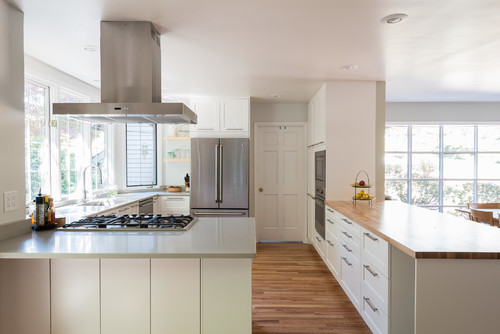
Custom cabinets solve this by building units to your exact wall dimensions (e.g., 34.7 inches). This allows for a seamless, wall-to-wall fit and Vertical Optimization, where cabinets can extend exactly to the ceiling. For homes with irregular architecture—such as slanted floors or non-90° corners—custom work provides a level of spatial efficiency and aesthetic harmony that standardized grids simply cannot replicate.
3. IKEA vs Custom: Material Durability
Understanding material science is vital to answering: Are IKEA kitchen cabinets better than custom cabinets? IKEA utilizes high-density particleboard (MDP). While stable and perfectly flat, MDP is sensitive to moisture. If a sink leak occurs, the particleboard can swell at the edges, often requiring the replacement of the entire box core as it cannot be repaired.
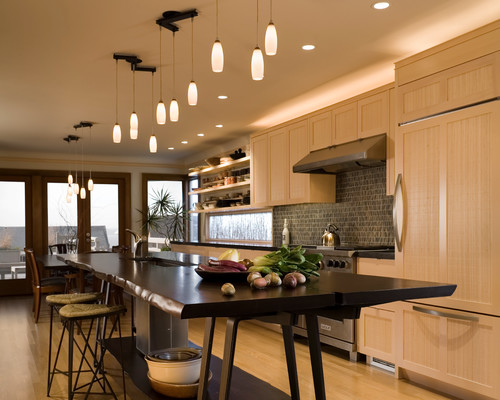
Custom cabinets are almost universally built from 3/4″ furniture-grade plywood. Plywood consists of cross-laminated wood veneers, offering superior shear strength and moisture resistance. If moisture exposure occurs, plywood is much less likely to lose its structural capacity to support heavy stone countertops. This material difference typically allows custom cabinets to maintain their integrity for a 30-year lifespan, compared to 10-15 years for particleboard-based systems.
4. IKEA vs Custom: Lead Time
Project timeline is the primary advantage of modular systems. IKEA is “off-the-shelf”; if items are in stock, you can begin installation immediately. This is ideal for quick property flips or emergency renovations. However, the complexity of managing 200+ flat-pack boxes often leads to assembly delays and DIY errors.
Custom cabinets require a lead time of 8 to 14 weeks for design, CAD drawings, and fabrication. While the wait is longer, the site installation is turnkey, often finishing in just 3 days. When comparing IKEA vs custom cabinets timelines, choose between a fast start with a complex assembly (IKEA) or a deliberate wait with a fast, professional finish (Custom).
5. IKEA vs Custom: Resale / Long-Term Fit
How will your kitchen age? IKEA’s melamine finishes are durable but difficult to repair if chipped. Furthermore, IKEA frequently retires door styles; if one door is damaged in 5 years and that style is discontinued, you may have to replace the entire kitchen’s exterior. Custom cabinets are built for repairability; wood doors can be sanded, filled, and repainted easily.
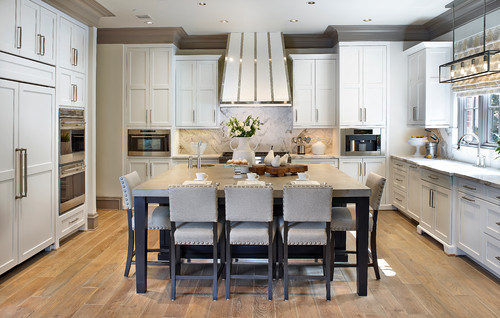
From a resale perspective in 2026, savvy buyers in high-end markets like the GTA prioritize custom millwork as a signs of a quality build. While IKEA looks excellent in photos, custom cabinetry is a fixed asset that appraisers value differently, often contributing more to the home’s final valuation than trend-based modular updates.
Secondary Considerations: While IKEA uses high-quality modular hardware (Blum), custom shops can offer heavy-duty part systems with higher weight capacities. Similarly, while IKEA offers a modern aesthetic, custom cabinetry allows for infinite paint colors and specific wood grain textures that define luxury design.
6. Best for Who: IKEA vs Custom Final Choice
Choose IKEA if…
- You are on a budget under $15,000 total.
- You are renovating a rental or starter home.
- You need a modern look immediately.
- You are comfortable with DIY assembly and standard layouts.
Choose Custom if…
- This is your permanent “forever home.”
- You have irregular walls or want cabinets to the ceiling.
- You demand the durability of 3/4″ plywood construction.
- You prefer a turnkey, professionally managed installation.
The Verdict: IKEA vs Custom Cabinets Quick Comparison
| Factor | Winning Option |
| Best for DIY-friendly budget remodel | IKEA |
| Best for Premium long-term build | Custom |
| Irregular & Exact-Fit Spaces | Custom |
| Immediate Procurement | IKEA |
| Resale Value & Repairability | Custom |
FAQ: IKEA Kitchen Cabinets vs Custom Cabinets
Are IKEA kitchen cabinets worth it compared to custom cabinets?
For budget-conscious remodels and rental properties, IKEA is worth it due to its modern aesthetic and low cost. However, for a high-traffic “forever home,” custom cabinetry is often more cost-effective over its 30-year lifespan.
Do custom cabinets really last longer than IKEA cabinets?
Yes. The primary reason is the material core; custom shops use 3/4″ plywood which resists moisture and structural sag much better than the particleboard (MDP) used in IKEA’s Sektion line.
Need help comparing IKEA and custom cabinetry for your specific layout? Explore our IKEA kitchen cabinets guide or contact our team for a professional layout review.
Consult Our Design Team: +1 888 973 5636