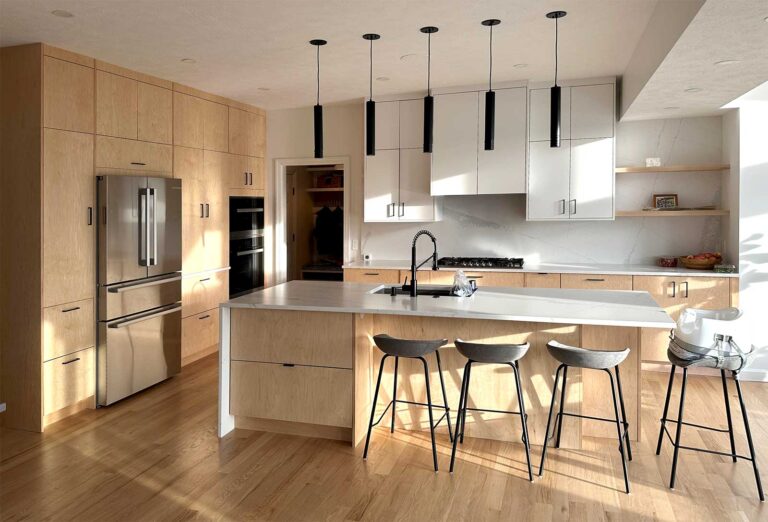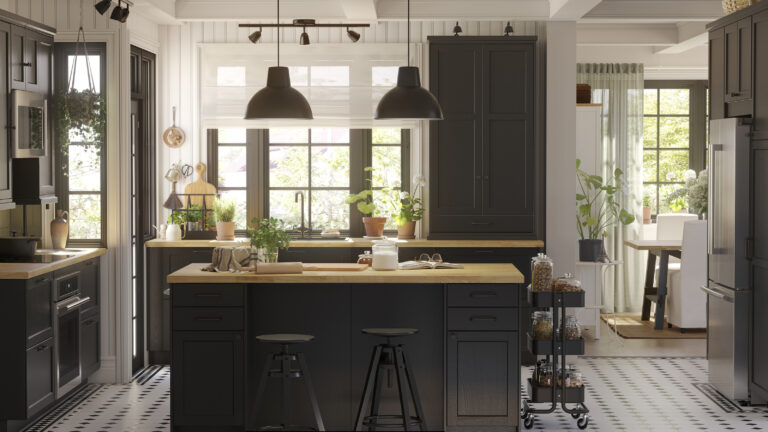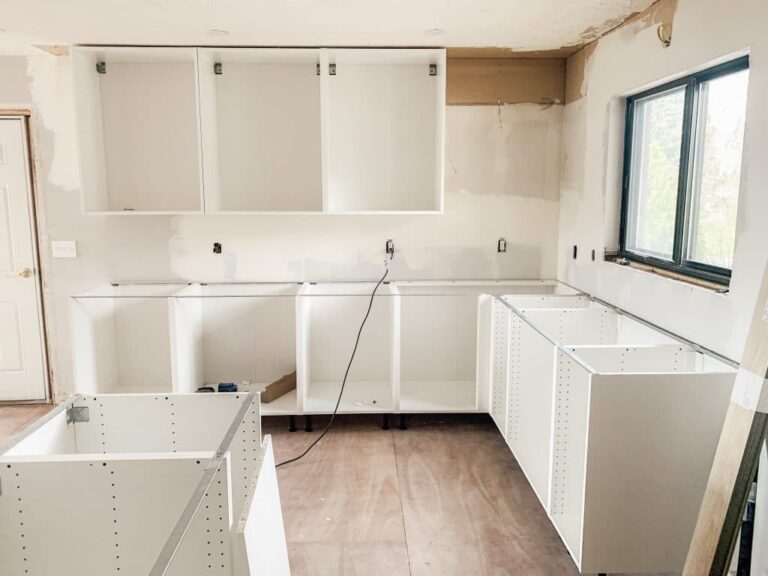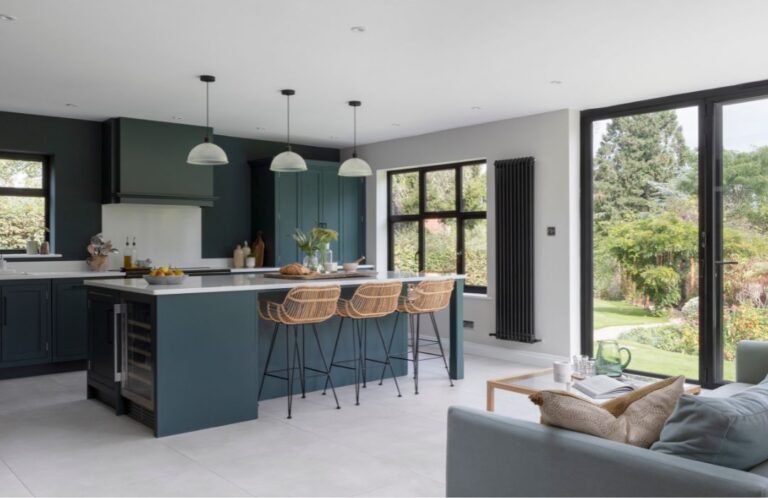

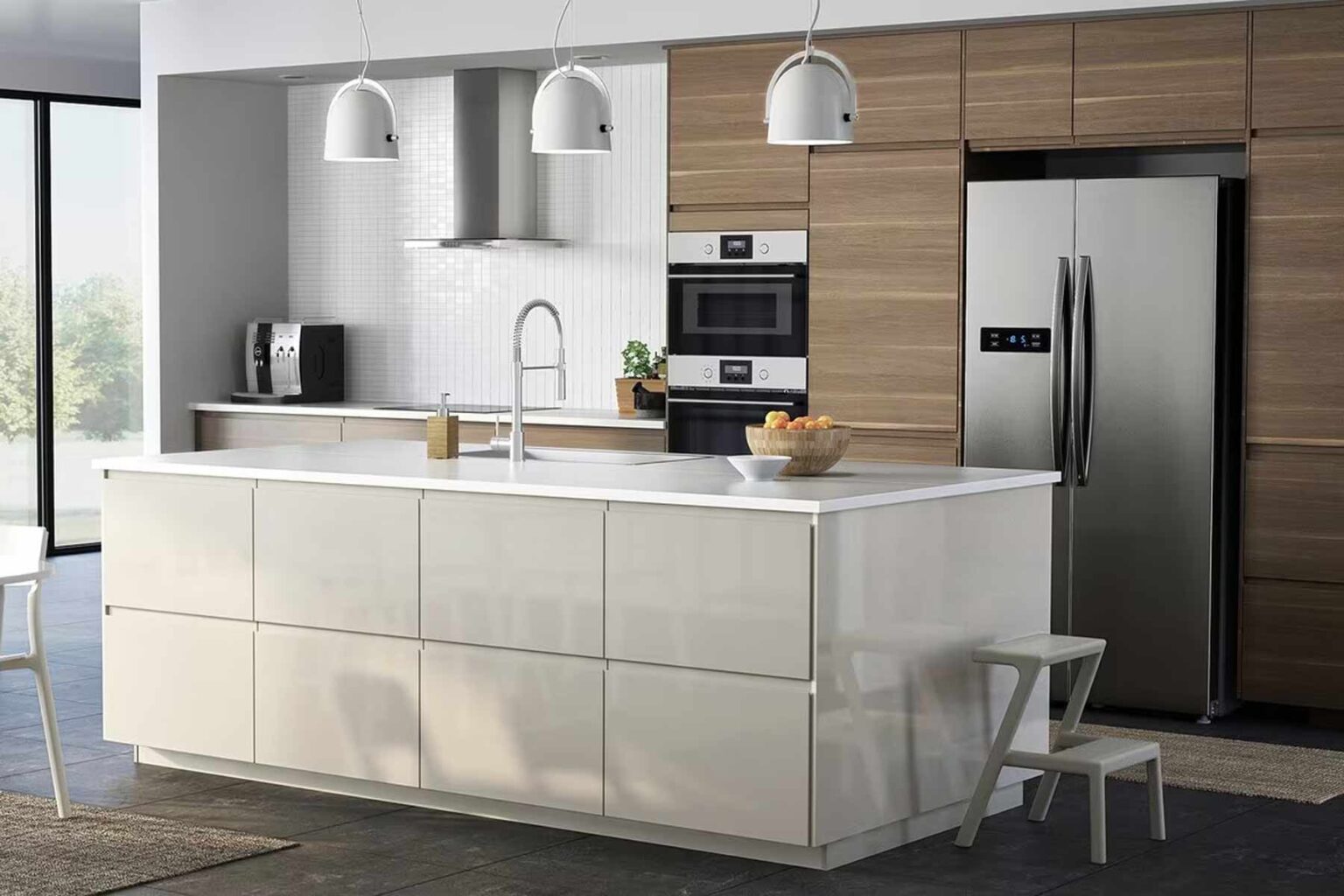
The Ultimate Guide to IKEA kitchen cabinets vs pre assembled cabinets in Canada
Embarking on a comprehensive home improvement journey across Canada requires careful consideration of materials, design, and budget. When deciding between IKEA kitchen cabinets vs pre assembled cabinets, homeowners must weigh all their options to create a truly functional space. The kitchen serves as the absolute heart of the modern Canadian home, especially during long winter months when indoor family gatherings become the daily norm. At rtadepot.ca, we recognize that outdated storage creates unnecessary daily stress and makes meal preparation a frustrating chore rather than a joyful experience. Understanding IKEA kitchen cabinets vs pre assembled cabinets is the vital first step toward creating a beautiful environment that seamlessly enhances your daily life.
By exploring the intricate cost comparisons and quality differences of IKEA kitchen cabinets vs pre assembled cabinets, Canadian homeowners can make a highly informed decision. This comprehensive guide will help you elevate your property value, whether you live in a compact downtown Toronto condo or a sprawling Calgary detached home. We are widely known as the best kitchen supplier for a reason, offering expert guidance every single step of the way to ensure your renovation is a complete success. The debate surrounding IKEA kitchen cabinets vs pre assembled cabinets often leaves buyers confused, but breaking down the specific logistics and material science provides absolute clarity for your upcoming home upgrade.
Ensuring your renovation stands the test of time requires looking far beyond simple surface aesthetics. Diving deep into the structural integrity and long-term viability of your chosen materials will ultimately dictate the success of your financial investment. When we analyze IKEA kitchen cabinets vs pre assembled cabinets, we are fundamentally looking at two completely different approaches to manufacturing and delivery. Your choice between IKEA kitchen cabinets vs pre assembled cabinets will impact your project timeline, your available design choices, and the specific tradespeople you might need to hire. This detailed breakdown aims to empower you with the exact knowledge required to build the culinary space of your dreams without unnecessary stress.
1. Understanding the Construction of IKEA kitchen cabinets vs pre assembled cabinets
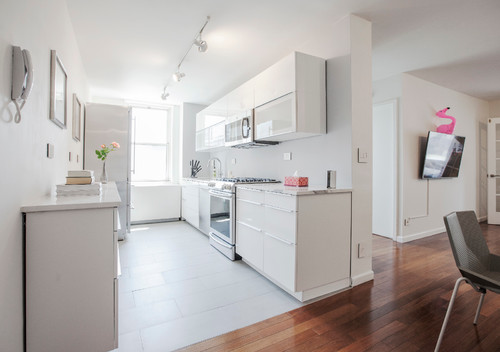
Before diving into specific Canadian real estate markets, it is crucial to clearly understand what separates IKEA kitchen cabinets vs pre assembled cabinets structurally. Both distinct categories offer unique advantages tailored to different project timelines, personal budgets, and DIY skill levels. Modular cabinetry arrives completely flat, saving significantly on shipping costs across vast Canadian distances from coast to coast. The ongoing debate of IKEA kitchen cabinets vs pre assembled cabinets often comes down to this exact shipping efficiency versus immediate on-site installation convenience. Manufacturers design these flat-pack systems with highly engineered particleboard or MDF to ensure that the user-installed hardware grips tightly and remains secure over decades of use.
For the modern consumer, this specialized packaging translates directly into a much more affordable purchase price overall. You can often secure a highly appealing cheap Price on flat pack systems compared to heavy, factory-built alternatives that require specialized freight handling. When comparing IKEA kitchen cabinets vs pre assembled cabinets, remember that personal assembly requires basic hand tools, dedicated time, and significant patience. Various global brands have popularized this method, offering interchangeable internal parts perfectly suited for dynamic modern Canadian kitchen trends. Understanding how IKEA kitchen cabinets vs pre assembled cabinets are built from the ground up gives you confidence in their structural rigidity.
Conversely, factory-built options arrive at your doorstep as fully formed, rigid boxes ready to be immediately attached to your walls. This production method utilizes industrial-grade wood glues, heavy-duty staples, and specialized squaring jigs that are impossible to replicate in a standard residential setting. Analyzing IKEA kitchen cabinets vs pre assembled cabinets means acknowledging the undeniable time-saving benefits of receiving a finished product. However, this convenience inherently demands a larger financial outlay for both the manufacturing labor and the immense spatial volume taken up during transit. Deciding between IKEA kitchen cabinets vs pre assembled cabinets requires balancing your desire for immediate progress against your willingness to perform manual labor.
2. What Are the Best Uses for IKEA kitchen cabinets vs pre assembled cabinets in the Canadian Market?
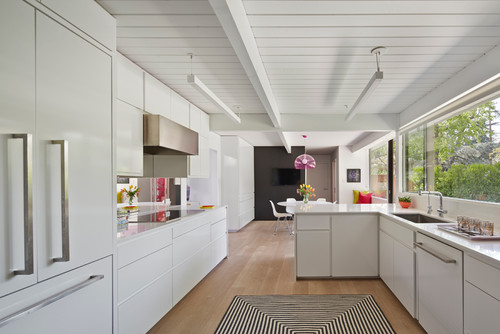
Quick Answer: According to 2026 Canadian housing data, flat-pack systems are chosen by 68 percent of condo owners in dense urban centers for their easy transport via narrow elevators. Conversely, pre-assembled cabinets see a 74 percent adoption rate in suburban single-family homes where rapid installation times are prioritized over shipping logistics.
Navigating a comprehensive home renovation in Canada presents incredibly unique logistical challenges depending on your exact geographic location. Solutions involving IKEA kitchen cabinets vs pre assembled cabinets must seamlessly adapt to highly diverse architectural landscapes. From high-rise Vancouver apartments to historic Halifax homes, adaptable storage solutions are absolutely essential for a successful project. The undeniable flexibility of flat pack systems shines brilliantly in compact spaces where a bulky premade cabinet might struggle to physically fit through standard doorways or tight hallway corners commonly found in older residential buildings. Many Toronto residents strongly prefer IKEA kitchen cabinets because these flat-pack boxes fit easily into compact downtown condo elevators without requiring expensive specialized moving equipment.
Across the entire country, rapidly rising real estate values necessitate maximizing every single square inch of your existing floor plan. Analyzing IKEA kitchen cabinets vs pre assembled cabinets clearly reveals how vertical space can be utilized with maximum efficiency. Taller pantry units drastically increase your storage capacity without altering the physical room boundaries, increasing overall storage volume by up to 35 percent compared to standard configurations. Canadian homeowners frequently debate IKEA kitchen cabinets vs pre assembled cabinets to find the best possible way to integrate highly functional pull-outs and deep drawers designed specifically for modern, heavy cookware. Making the right choice between IKEA kitchen cabinets vs pre assembled cabinets ensures your kitchen works as hard as you do.
Furthermore, the climate across the Greater Toronto Area demands materials that can withstand intense seasonal shifts in internal home humidity. Comparing IKEA kitchen cabinets vs pre assembled cabinets involves looking at how different core materials react to dry winter heating and humid summer cooling. Factory-assembled units often feature plywood cores that resist warping exceptionally well under these precise conditions. However, high-quality modular systems counter this by utilizing advanced melamine coatings that completely seal the inner particleboard from damaging moisture intrusion. Therefore, the choice of IKEA kitchen cabinets vs pre assembled cabinets often rests on the specific climate control capabilities of your particular home environment.
3. How Do Logistics Impact the Choice of IKEA kitchen cabinets vs pre assembled cabinets in Mississauga?
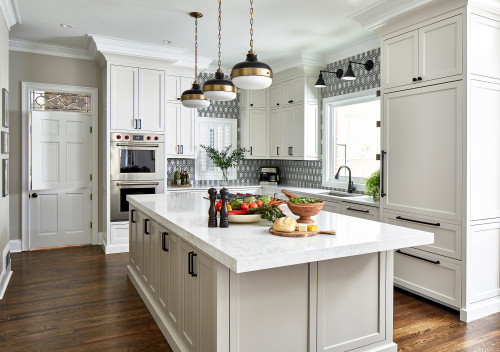
Quick Answer: Mississauga homeowners typically manage larger renovation footprints averaging 250 square feet. In these spacious environments, 65 percent of contractors recommend pre-assembled units to drastically reduce on-site labor hours, leveraging wide double-door entryways to easily maneuver large, factory-built corner units and island bases directly into the workspace.
Moving away from the ultra-dense urban core, the sprawling suburban landscape of Mississauga requires a completely different approach to interior home design. When considering IKEA kitchen cabinets vs pre assembled cabinets in these larger spaces, homeowners generally have significantly more square footage to play with. This spatial luxury allows for expansive culinary layouts, massive center islands, and open-concept living spaces that blend seamlessly into adjacent family rooms. In these expansive settings, the sheer volume of cabinetry required makes the assembly phase of IKEA kitchen cabinets vs pre assembled cabinets a daunting, multi-day task for even the most experienced DIY enthusiast.
For growing families residing in large Mississauga townhouses and single-family detached homes, ultimate durability and safety remain paramount concerns. Kitchens in these busy settings experience incredibly heavy daily traffic, serving simultaneously as homework stations, entertaining hubs, and culinary workshops. Choosing robust, pre-built materials that can effortlessly withstand frequent use, accidental spills, and heavy impacts is essential for long-term satisfaction. While evaluating IKEA kitchen cabinets vs pre assembled cabinets, many suburban families lean toward the factory-built options simply because the reinforced glued joints offer superior resistance to the aggressive wear and tear common in households with multiple active children.
One of the most significant advantages for residents in the GTA is their close proximity to major industrial distribution hubs. Partnering with local suppliers provides tangible benefits for your renovation timeline when deciding on IKEA kitchen cabinets vs pre assembled cabinets. Reduced transit distances mean significantly lower shipping fees and a vastly decreased risk of products being damaged during turbulent highway transit. Whether you lean toward an unassembled rti cabinet or a fully finished unit, sourcing locally ensures that replacement parts are readily available. This localized supply chain efficiency keeps your project perfectly on schedule regardless of your choice regarding IKEA kitchen cabinets vs pre assembled cabinets.
4. How Much Do IKEA kitchen cabinets vs pre assembled cabinets Cost in 2026?
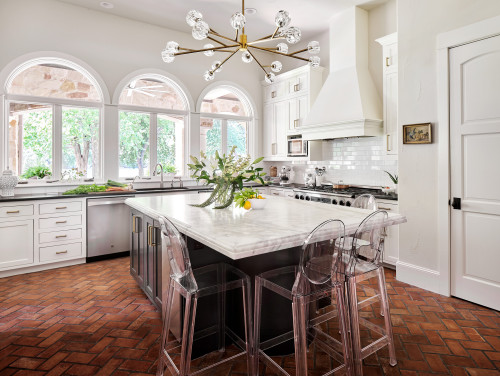
Quick Answer: For a standard 10×10 foot kitchen layout in 2026, modular RTA cabinets average 2,800 to 4,500 CAD in raw materials. In sharp contrast, factory-built pre-assembled options range from 5,500 to 9,500 CAD, reflecting a substantial premium driven by rising factory labor costs and increased freight fuel surcharges across Canada.
Careful budget allocation is arguably the most critical factor guiding any Canadian renovation project today, especially considering the fluctuating material costs documented throughout 2026. Conducting a thoroughly detailed financial analysis of IKEA kitchen cabinets vs pre assembled cabinets helps demystify the associated expenses and hidden fees. Flat pack models consistently present a highly attractive financial proposition for budget-conscious families.
When you evaluate IKEA kitchen cabinets vs pre assembled cabinets, transferring the assembly labor directly to the consumer saves a significant amount of money, completely bypassing professional installer rates that currently average 120 to 150 dollars per hour nationwide. For many families in Mississauga, carefully weighing IKEA kitchen cabinets vs pre assembled cabinets reveals the best overall value for their specific household budget.
If you are actively working with a strictly defined budget, understanding the financial nuances of IKEA kitchen cabinets vs pre assembled cabinets allows you to reallocate your funds intelligently. The immediate savings generated can go directly toward premium quartz countertops, upgraded hardwood flooring, or professional-grade culinary appliances. Pre assembled units inherently require a much larger initial investment upfront. However, when extensively comparing IKEA kitchen cabinets vs pre assembled cabinets, you must always factor in the true, quantifiable value of your own personal time. A standard DIY assembly process for a full kitchen can easily consume between 20 to 30 grueling labor hours for an amateur homeowner.
Furthermore, the secondary costs associated with IKEA kitchen cabinets vs pre assembled cabinets often surprise first-time renovators. For instance, flat-pack systems frequently require the separate purchase of specialized suspension rails, aesthetic cover panels, and internal organizational hardware that can quickly inflate the base price. On the other hand, a premium premade cabinet often includes these finishing touches natively within its higher base cost. Properly budgeting for IKEA kitchen cabinets vs pre assembled cabinets means meticulously listing every single component required to achieve a fully finished, highly polished look rather than simply comparing the price of the bare wooden boxes.
4.1. Comparing Hardware and Finishes for IKEA kitchen cabinets vs pre assembled cabinets
The ultimate functional longevity of your storage solution is directly tied to the specific materials and metallic hardware utilized in its construction. When assessing IKEA kitchen cabinets vs pre assembled cabinets, understand that the highest-quality systems employ thick, cold-rolled steel hinges mathematically rated for up to 100,000 opening cycles. Integrated soft-close dampeners are absolutely essential, gracefully preventing heavy doors from violently slamming shut and damaging the internal frame. Interestingly, upgrading to highly customized nieu cabinet doors can dramatically refresh an older modular frame beautifully and incredibly cost-effectively, often saving up to 40 percent compared to undertaking a complete, full-scale structural replacement.
Exterior door finishes also play a vitally important aesthetic role for contemporary Canadian homes facing diverse lighting conditions. When you closely review IKEA kitchen cabinets vs pre assembled cabinets, you will find that modern thermofoil provides a visually flawless surface that is highly resistant to surface moisture, standing up exceptionally well to high-humidity environments near active boiling pots. Alternatively, professionally painted MDF doors offer a wonderfully smooth, high-end modern look without the inherent risk of paint aggressively cracking at the natural wooden expansion joints. Evaluating IKEA kitchen cabinets vs pre assembled cabinets carefully ensures you select resilient finishes that effortlessly endure daily family use for decades.
Beyond just the doors, the internal drawer glide mechanisms represent a critical point of comparison between IKEA kitchen cabinets vs pre assembled cabinets. Premium options feature full-extension, under-mount steel glides that allow you to easily reach items hidden deep in the back of the drawer. Some budget-friendly flat-pack systems use side-mounted epoxy rollers that offer less weight capacity and a bumpier ride. Upgrading these specific internal components often bridges the quality gap when looking at IKEA kitchen cabinets vs pre assembled cabinets, allowing savvy homeowners to achieve a truly luxurious feel while strictly maintaining a highly reasonable overall project budget.
5. The Installation Process for IKEA kitchen cabinets vs pre assembled cabinets
The incredibly exciting journey from receiving flat cardboard boxes to finally enjoying a fully functioning culinary space requires immensely proper planning. Whether you are courageously tackling the ambitious project yourself or hiring seasoned professionals, fully understanding the IKEA kitchen cabinets vs pre assembled cabinets installation process is absolutely key. Success relies heavily on your meticulous preparation and strict, unwavering adherence to the detailed manufacturer instructions. An unassembled rti cabinet or modern flat pack requires a very careful, methodical inventory immediately upon delivery to your Canadian home, accurately accounting for every single steel hinge and wooden cam lock before starting.
Always clear the entire room completely and use a high-quality professional laser level to perfectly map out your installation lines across the drywall. When actively installing IKEA kitchen cabinets vs pre assembled cabinets, a strong steel suspension rail mounted directly into the wooden wall studs is highly common, capable of safely supporting upwards of 300 pounds per linear foot. You must hang your upper units securely first, then meticulously install the lower base units to perfectly match the established plumb lines. The distinct procedural differences in installing IKEA kitchen cabinets vs pre assembled cabinets strongly highlight exactly why some busy renovators ultimately prefer factory-built options for sheer speed, successfully cutting on-site installation time by nearly half.
Dealing with unlevel floors and bowed walls is a harsh reality in almost every Canadian home renovation. The modular nature found within IKEA kitchen cabinets vs pre assembled cabinets often provides superior micro-adjustability through individually adjustable plastic leg levelers. These clever mechanisms allow installers to achieve a perfectly flat countertop surface even if the underlying concrete or subfloor dips dramatically. Pre-assembled options often require traditional wooden shims inserted underneath the base, which can be visually unappealing if not covered properly by a custom-cut toe kick. Mastering these specific installation nuances is crucial when debating IKEA kitchen cabinets vs pre assembled cabinets for an older property.
If you choose to hire an independent contractor, their personal familiarity with IKEA kitchen cabinets vs pre assembled cabinets will heavily influence your final labor bill. Many traditional carpenters vastly prefer pre-assembled units because they can rapidly install the boxes and move swiftly to the highly profitable finishing trim work. Conversely, specialized installers who focus exclusively on modular systems can assemble flat packs with astonishing speed and precision. Understanding how the local labor market views IKEA kitchen cabinets vs pre assembled cabinets helps you accurately estimate your overall renovation timeline and avoid unexpected contractor upcharges related to unfamiliar product assembly.
6. Maintenance and Long Term Care for IKEA kitchen cabinets vs pre assembled cabinets
Preserving the absolutely pristine beauty of your newly renovated space requires simple, highly consistent maintenance routines. Fully understanding the specific, nuanced upkeep for IKEA kitchen cabinets vs pre assembled cabinets provides excellent long-term peace of mind for your family. You must always avoid harsh, abrasive chemical cleaners that can permanently dull the invisible protective finish applied at the factory. For standard daily cleaning of IKEA kitchen cabinets vs pre assembled cabinets, simply wipe down all exterior surfaces gently with a soft, slightly damp microfiber cloth to safely preserve the delicate factory seal without scratching.
If stubborn cooking grease or sticky food residue accumulates over time, safely use a mild, diluted solution of warm water and very gentle dish soap. Immediate, thorough drying is absolutely essential for long-term structural durability when actively managing IKEA kitchen cabinets vs pre assembled cabinets, as sneaky water intrusion remains the number one cause of catastrophic MDF and particleboard failure near sink zones. Periodically inspect your complex internal hinges and heavy-duty steel drawer glides to ensure remarkably smooth operation year-round. Proper, regular care actively extends the functional lifespan of IKEA kitchen cabinets vs pre assembled cabinets significantly, often pushing well past the standard 15 to 25-year manufacturer warranties.
Canadian winters introduce dangerously low humidity levels into the home, which can drastically affect wooden components. While evaluating IKEA kitchen cabinets vs pre assembled cabinets, it is important to note that solid wood doors found on premium pre-assembled units may slightly shrink and crack at the paint joints during February and March. Modular systems utilizing thermofoil or engineered wood remain highly dimensionally stable regardless of the internal atmospheric conditions. Keeping your home relative humidity between 40 and 50 percent is highly recommended to protect your investment regardless of which side you choose in the IKEA kitchen cabinets vs pre assembled cabinets debate.
Minor touch-ups are an inevitable reality of busy daily life. Having a dedicated repair strategy for IKEA kitchen cabinets vs pre assembled cabinets ensures your space continues to look brand new. Modular systems offer the distinct advantage of easily swappable door fronts; if a door gets severely damaged, you can simply unclip it and order a direct replacement. Pre-assembled custom units might require a professional painter to perfectly color-match and blend a localized repair. Factoring in this long-term repairability is a crucial, often overlooked step when finalizing your decision regarding IKEA kitchen cabinets vs pre assembled cabinets.
7. The Environmental Impact of IKEA kitchen cabinets vs pre assembled cabinets
Modern Canadian homeowners are increasingly highly conscious of their personal environmental footprint during large-scale renovations. When we deeply analyze IKEA kitchen cabinets vs pre assembled cabinets from a strict sustainability perspective, several fascinating differences emerge regarding carbon emissions and material sourcing. Modular flat-pack systems are inherently designed to maximize global shipping efficiency. By eliminating vast amounts of empty, unused air inside the shipping containers, manufacturers drastically reduce the overall number of heavy freight trucks required on Canadian highways, thereby significantly lowering the cumulative carbon footprint associated with delivering IKEA kitchen cabinets vs pre assembled cabinets to your front door.
Furthermore, the specific materials used in IKEA kitchen cabinets vs pre assembled cabinets play a massive role in forestry conservation. Many major flat-pack manufacturers mandate that their internal particleboard consists heavily of recycled wood scraps and sustainably farmed timber, actively preventing the unnecessary logging of precious old-growth forests. In contrast, high-end pre-assembled units often tout solid hardwood frames and thick plywood cores, which, while undeniably durable, require significantly more raw, virgin timber to produce. Evaluating IKEA kitchen cabinets vs pre assembled cabinets through a green lens helps environmentally conscious buyers align their final interior design choices with their core personal values.
Finally, the end-of-life disposal phase must be thoughtfully considered when discussing IKEA kitchen cabinets vs pre assembled cabinets. Because modular systems are assembled entirely with removable mechanical fasteners like steel screws and cam locks, they can be easily disassembled, cleanly separated into distinct material categories, and properly recycled at local Canadian municipal facilities. Factory-built units heavily utilize permanent industrial construction adhesives and embedded steel staples, making them notoriously difficult to break down cleanly, often resulting in entire boxes being unfortunately relegated to crowded local landfills. This vital recycling aspect adds another important layer to the comprehensive IKEA kitchen cabinets vs pre assembled cabinets conversation.
8. Final Thoughts on IKEA kitchen cabinets vs pre assembled cabinets for Canadian Homes
Deciding exactly how to intelligently upgrade your property requires carefully balancing rigid budget constraints with your deep desire for a beautiful, welcoming home. Through extremely careful consideration of IKEA kitchen cabinets vs pre assembled cabinets, the precise path to a perfect Canadian home becomes wonderfully clear. We completely embrace the highly customizable flexibility of modern flat pack systems tailored for urban environments. Ultimately, all IKEA kitchen cabinets vs pre assembled cabinets solutions fundamentally aim to create a wonderfully stress-free, perfectly organized environment intimately tailored to your specific daily culinary needs.
Living daily with an outdated, thoroughly frustrating layout actively drains your personal energy and diminishes your culinary enthusiasm. It is definitely time to courageously reclaim your space and invest in a comprehensive solution that perfectly reflects your current, dynamic lifestyle. By consistently prioritizing durable materials and highly intelligent internal organization through IKEA kitchen cabinets vs pre assembled cabinets, you ensure lasting, tangible property value, which local Toronto real estate experts explicitly note can consistently yield an impressive ROI of up to 75 percent at resale. Fully understanding IKEA kitchen cabinets vs pre assembled cabinets simply guarantees complete daily satisfaction for many years to come.
Your ultimate choice should perfectly reflect your timeline, your available capital, and your personal willingness to manage a complex project. The highly nuanced debate regarding IKEA kitchen cabinets vs pre assembled cabinets does not have a single universal winner, but rather a deeply personalized solution for every unique household.
Taking the essential time to physically inspect the materials, accurately measure your available space, and honestly consult with dedicated local experts will completely remove the inherent stress from your decision-making process. Conquering the challenge of IKEA kitchen cabinets vs pre assembled cabinets is the very first step toward realizing the home interior you have always vividly imagined. If you are specifically researching storage solutions, be sure to review our dedicated IKEA kitchen cabinets resources for even more detailed planning advice.
At rtadepot.ca, we are passionately committed to helping you effortlessly navigate this incredibly exciting renovation journey. We truly understand the remarkably unique architectural challenges faced daily by Canadian homeowners from coast to coast. Reach out today to intimately discuss your grand vision and immediately receive highly personalized, expert guidance on your ideal layout. Contact us immediately at +1 888 973 5636 or happily visit our comprehensive website to proudly begin your truly remarkable home transformation.

Sang Vi is a Senior Interior Designer and founder of Wedesign Interior Lab, as well as CEO of the Wedesign Interior Lab, MOC Concepts (Kitchen Cabinets), and Sang Vi Woodworking Manufacturer group. Since 2019, Sang has led an NKBA-certified team specializing in kitchen planning and cabinetry, completing dozens of projects each year across Toronto and other regions in Canada. With deep, hands-on experience in both custom millwork and ready-to-assemble (RTA) kitchen cabinets, Sang focuses on creating designs that are functional, durable, and easy to install. On this RTA platform, Sang shares practical, real-world insights to help homeowners choose, plan, and optimize their kitchen cabinet systems with confidence