
Updated August 21, 2026. Reviewed for search intent, claim accuracy, internal links and current Canadian renovation planning.
What Defines a High-End RTA System?
| Area | Evidence to request | Red flag |
|---|---|---|
| Cabinet box | Material, thickness, back construction, shelf support and assembly method | “All wood” with no component-level specification |
| Drawers and hinges | Manufacturer/model, adjustment method, documented rating and replacement process | Generic “premium soft-close” claim |
| Door and finish | Door construction, finish system, sheen, cleaning limits and touch-up availability | Sample does not match the written specification |
| Catalogue | Sizes, fillers, panels, mouldings, appliance and tall-cabinet options | A design that depends on unavailable custom sizes |
| Service | Damage, shortage, return and warranty procedures in writing | Verbal promises without policy documentation |
RTA vs Custom in a Luxury Project
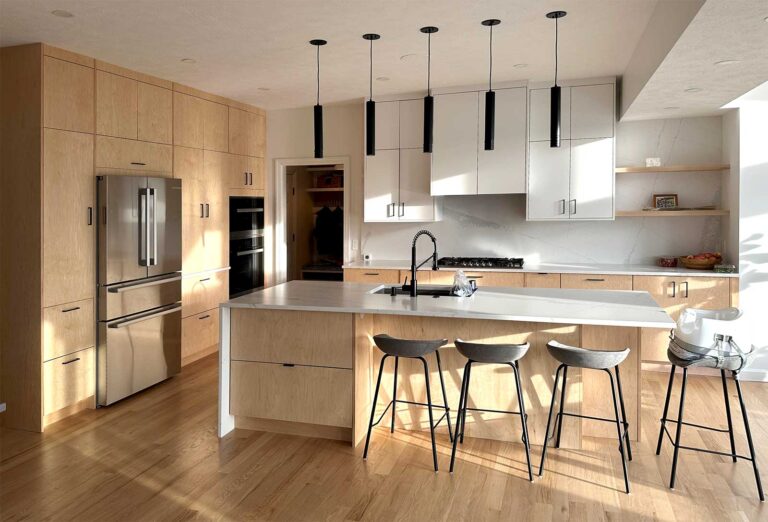
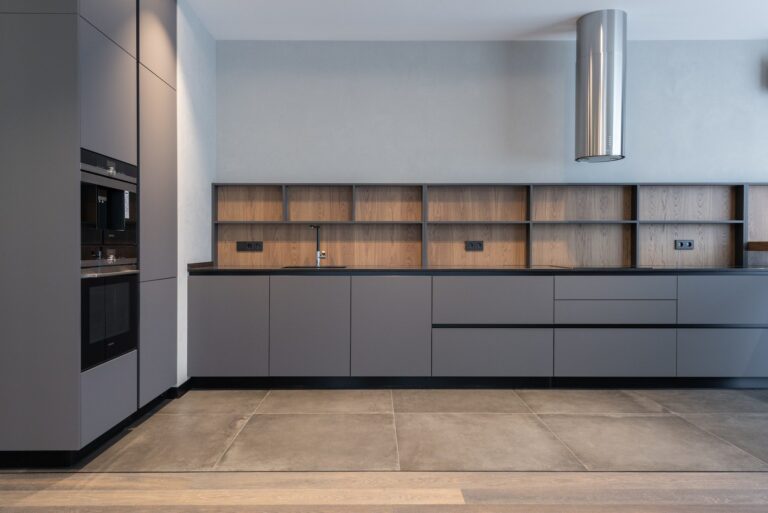
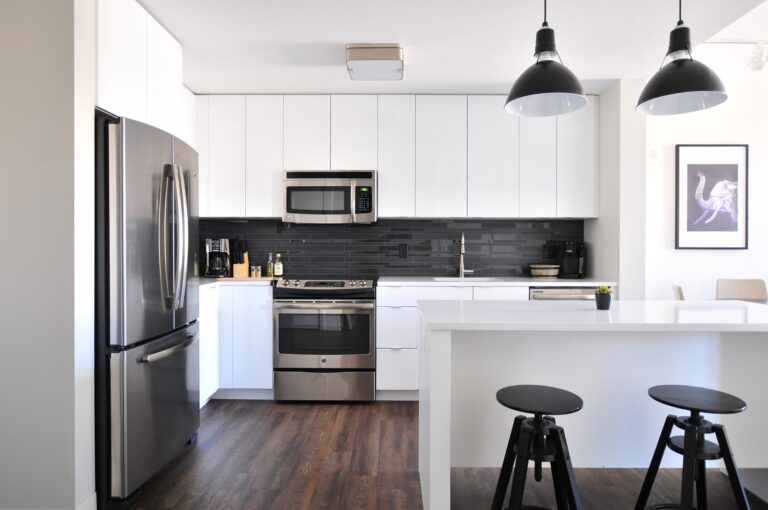
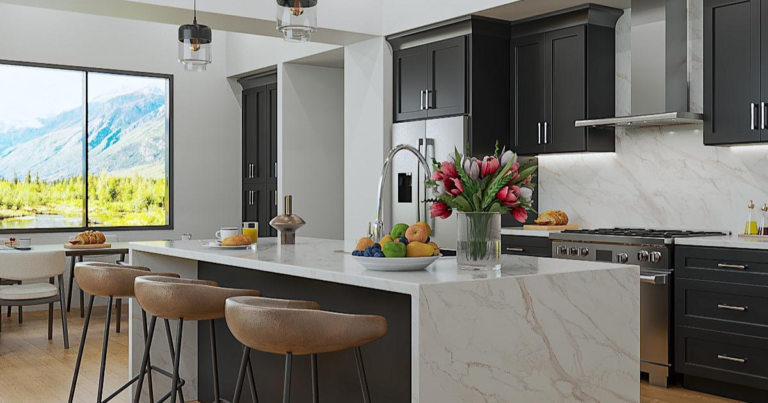
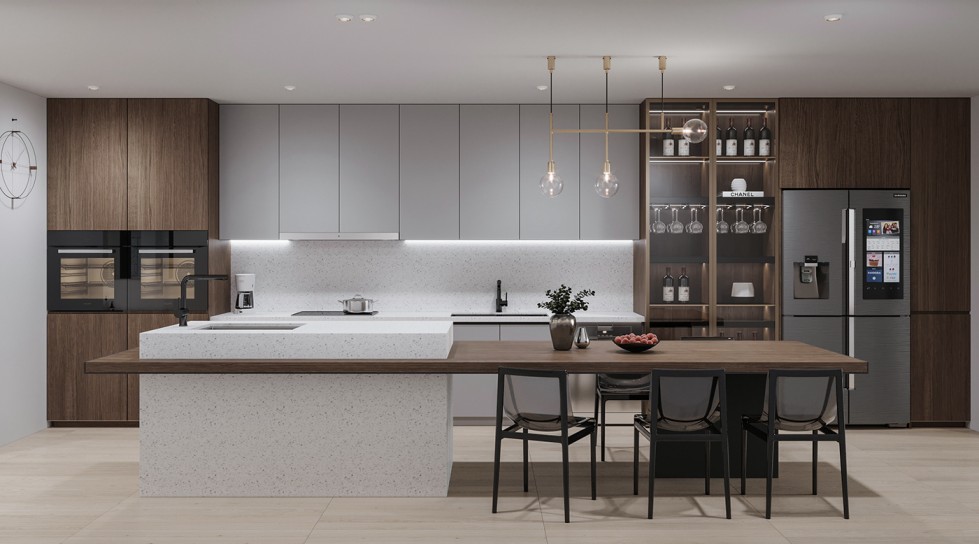
RTA is a strong candidate when standard sizes can produce a disciplined layout and the selected finish meets the design brief. Custom cabinetry is more suitable when architecture requires non-standard dimensions, integrated millwork or a project-specific finish. Compare the same measured layout and total installed scope—not a cabinet-box subtotal against a custom installed proposal.
Create a Bespoke Look Without Inventing Specifications
- Run tall cabinets to a planned termination below or at the ceiling.
- Use finished end panels, fillers and mouldings consistently.
- Coordinate door reveals and appliance openings before ordering.
- Concentrate specialty storage where it solves a daily task.
- Repeat one or two material accents instead of mixing many finishes.
Installation Is Part of Luxury Quality
Even a well-made system looks poor when boxes are twisted, doors are misaligned or fillers are improvised. The installer should document wall conditions, establish level reference lines, keep boxes square, protect finishes and complete final hinge and drawer adjustments.
Use Real Project Evidence
Replace generic “case studies” with verifiable project records: location type, kitchen dimensions, cabinet count, chosen line, finish, delivery date, installation scope and dated original photos. Do not publish project cost or timeline unless the inclusion list and source are documented.
For broad style decisions, use the modern cabinet selection guide. For resale-focused planning, continue to cabinet design and home value.
Sources and planning references
A luxury label is not a performance standard. Compare product documentation, certification status, installation scope and the written renovation contract.

Sang Vi is a Senior Interior Designer and founder of Wedesign Interior Lab, as well as CEO of the Wedesign Interior Lab, MOC Concepts (Kitchen Cabinets), and Sang Vi Woodworking Manufacturer group. Since 2019, Sang has led an NKBA-certified team specializing in kitchen planning and cabinetry, completing dozens of projects each year across Toronto and other regions in Canada. With deep, hands-on experience in both custom millwork and ready-to-assemble (RTA) kitchen cabinets, Sang focuses on creating designs that are functional, durable, and easy to install. On this RTA platform, Sang shares practical, real-world insights to help homeowners choose, plan, and optimize their kitchen cabinet systems with confidence.