
Updated August 21, 2026. Reviewed for search intent, claim accuracy, internal links and current Canadian renovation planning.
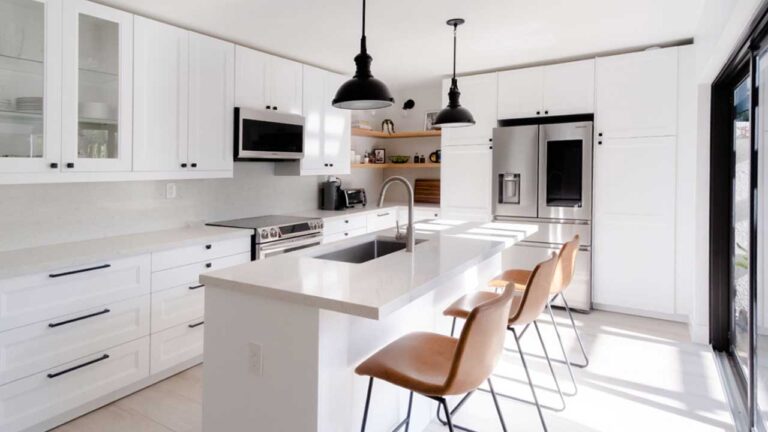
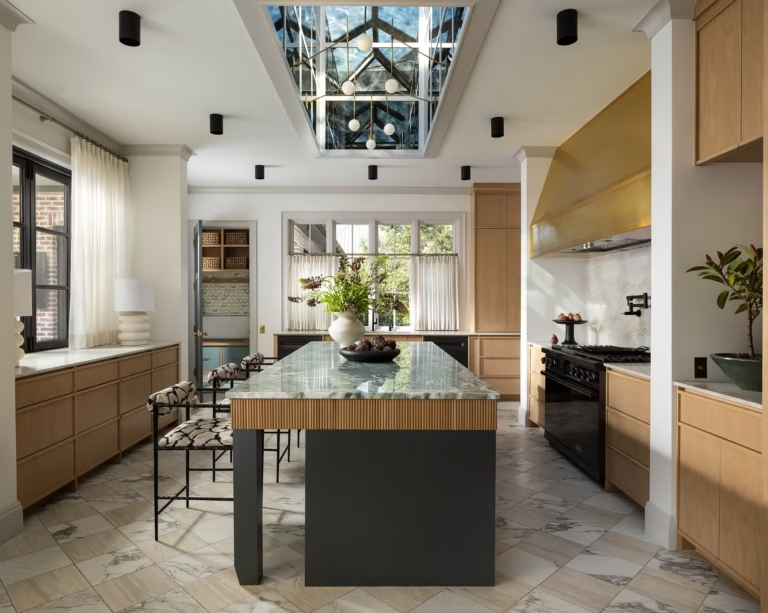
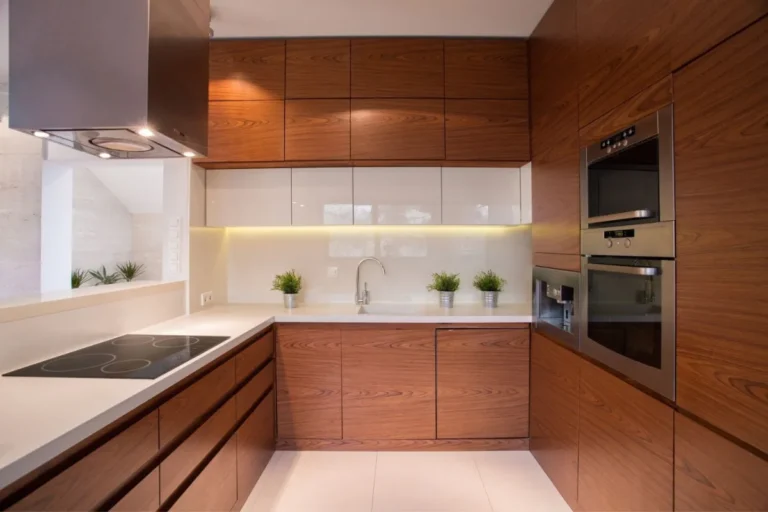
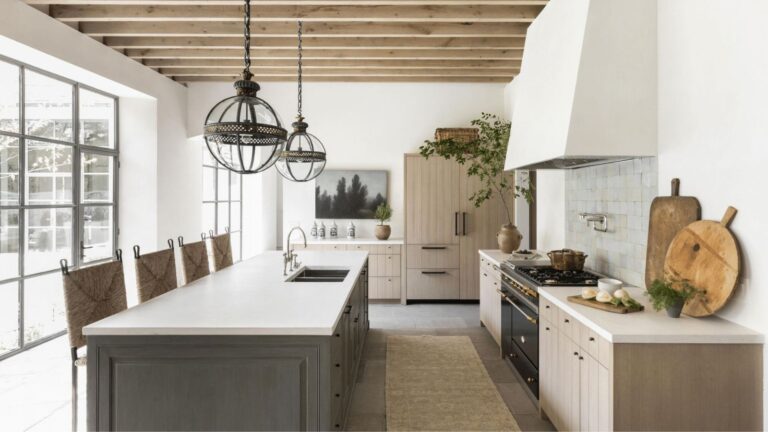
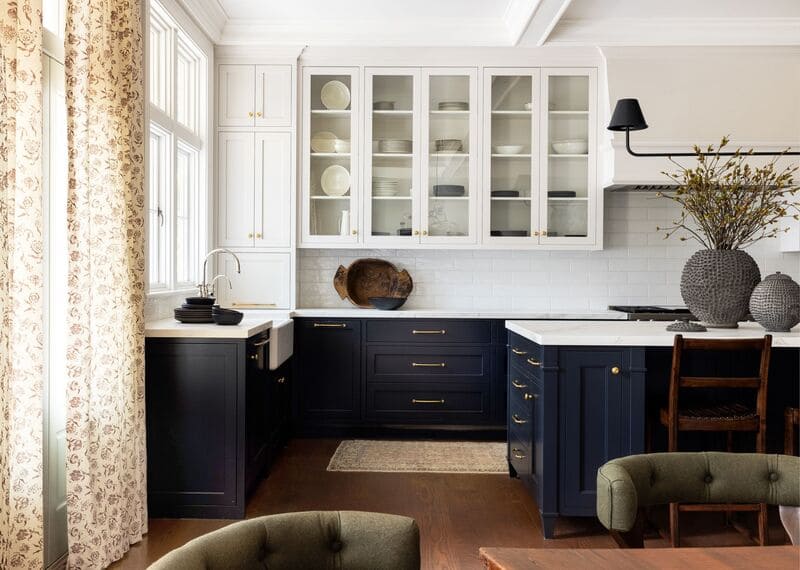
Quick answer: Several 2025 cabinet trends remain useful in 2026—warm neutrals, controlled two-tone schemes, natural wood, slab fronts, glass accents, minimal hardware and softened details. Treat this page as a historical review; use the current 2026 guide for new trend evidence and planning priorities.
Scope: This page preserves 2025 intent and no longer competes as the current trend guide. Read 13 Kitchen Cabinet Trends for 2026 for current research.
Seven 2025 Ideas and Their 2026 Status
| 2025 idea | Still useful? | 2026 adjustment |
|---|---|---|
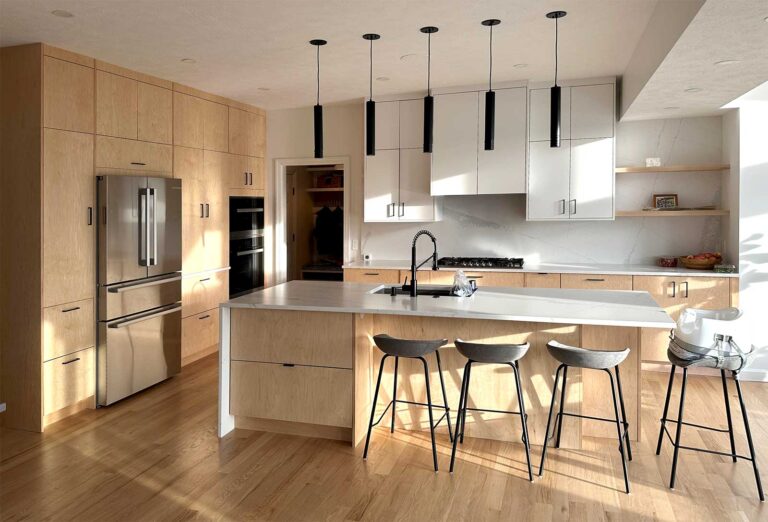
| Warm, gentle colours | Yes | Coordinate undertones with wood, flooring and stone. |
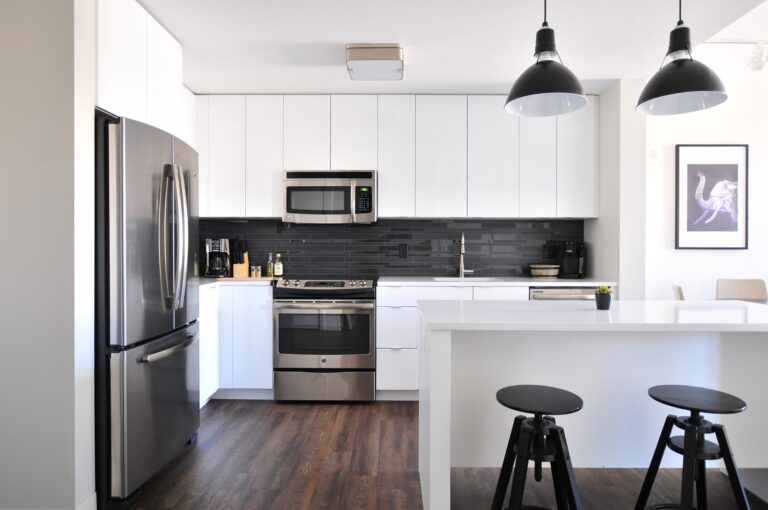
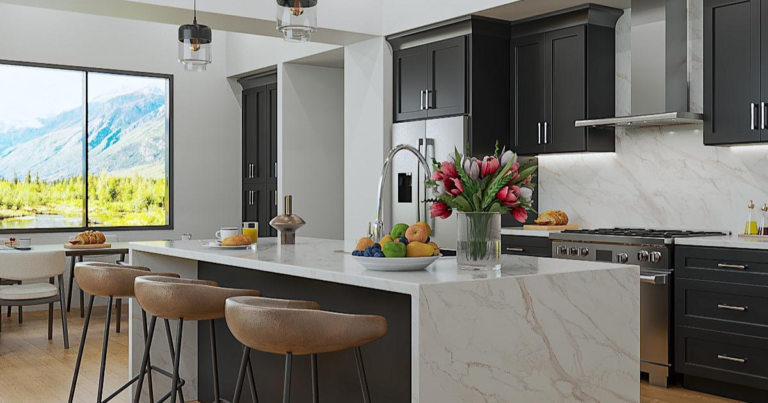
| Two-tone cabinets | Yes | Limit the scheme to one dominant finish and one accent. |
| Metallic accents | Yes, selectively | Use one hardware family and avoid mixing many statement finishes. |
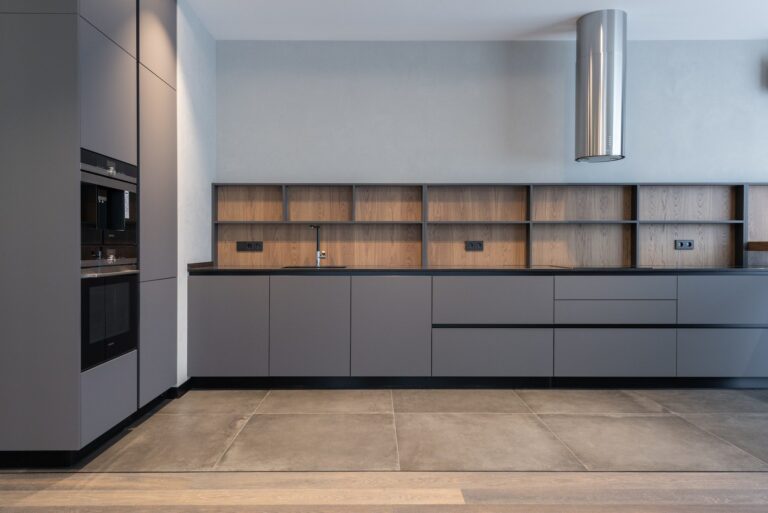
| Handleless or minimal hardware | Yes | Test grip, cleaning and household accessibility. |
| Curved cabinet details | Emerging | Use rounded ends or arches in controlled locations. |
| Natural materials | Strong | Request written veneer, wood and finish specifications. |
| Glass-front cabinets | Selective | Use them where display storage will remain organized. |
What Changed After 2025
Current research places more emphasis on warm wood, built-in storage, task-specific zones and long-term accessibility. That shifts the decision from “Which colour is trending?” to “How will the cabinet system support daily routines over time?”
How to Use an Older Trend Article
- Keep ideas that match the architecture and fixed materials.
- Verify that products and finishes are still available.
- Check newer research before making a year-specific claim.
- Use a physical sample and dimensioned plan.
- Link the final choice to an evergreen material and maintenance rationale.
Use the modern cabinet selection guide for evergreen trade-offs.
Sources and planning references
These sources are directional research, not a universal forecast. The Houzz study reflects U.S. homeowners and the NKBA source reflects North American industry expectations.