
Best IKEA Kitchen Cabinet Alternatives in Canada: When IKEA Is Enough and When to Upgrade
IKEA kitchen cabinet alternatives become relevant when a project needs more than a modular starter system. IKEA is still enough for many kitchens. But in other cases, homeowners want stronger cabinet boxes, better moisture resistance, or a more tailored finished look.
This article is not a general review of IKEA. It is a focused comparison for shoppers deciding whether to stay with IKEA, move up to premium RTA, or choose custom cabinetry instead. For a broader look at IKEA itself, read our full IKEA kitchen cabinets review: pros, cons, and whether they are worth it.
The goal here is simple: explain when IKEA is enough, when alternatives are better, how plywood compares with particleboard, how much customization matters, and which option fits different homeowner types best.
1. When IKEA Is Enough
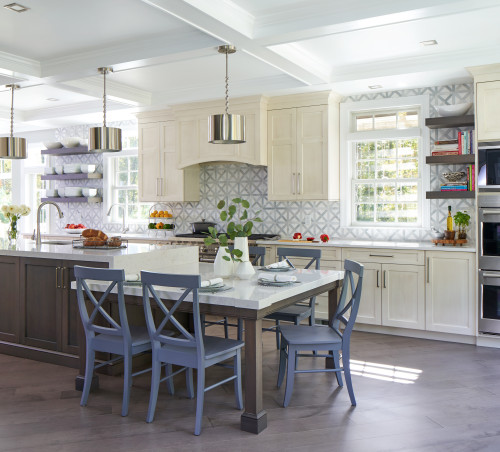
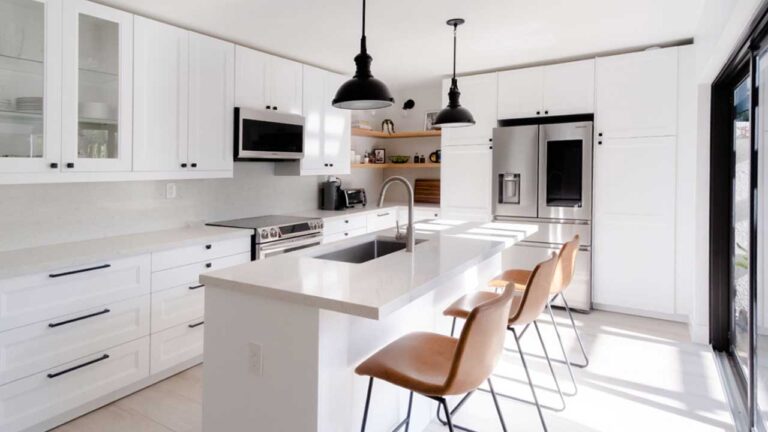
IKEA still makes sense in the right kind of project. A condo, rental unit, resale refresh, or smaller kitchen with a straightforward layout often fits well within a modular system. In these projects, the main goal is usually to get a clean, modern kitchen at a controlled budget without paying for a higher level of cabinet construction than the space really needs.
IKEA is often enough when the room has standard dimensions, the homeowner is comfortable with a modular fit, and the renovation does not require unusual sizing or a highly tailored finish. For many simple kitchens, that is still a practical and reasonable choice.
This is especially true in projects where the kitchen is not expected to solve architectural challenges. If the walls are relatively straight, the appliance layout is standard, and the homeowner is comfortable trading some flexibility for a more accessible entry price, IKEA can still be a sensible choice.
2. When Alternatives Are Better
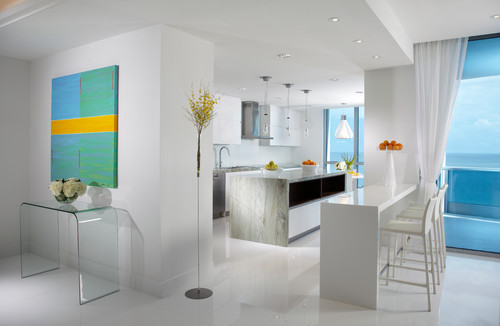
Alternatives become more attractive when the project asks more from the cabinet system itself. A busy family kitchen, a long-term home, an older property with uneven walls, or a renovation tied to better countertops and appliances usually changes the decision.
This is where premium RTA cabinets often become the most relevant alternative. They usually offer a stronger cabinet box, better long-term confidence, and a more refined final result without pushing the project straight into a full custom budget. For rooms with difficult dimensions or stronger design demands, custom cabinetry may still be the better fit.
The simplest framing is this: IKEA is often the practical starter system, premium RTA is often the best value upgrade, and custom is the tailored solution when the room itself demands it.
For a direct side-by-side breakdown, readers comparing the next step up should also see IKEA vs Premium RTA Cabinets and RTA vs Custom Cabinets.
3. Plywood vs Particleboard
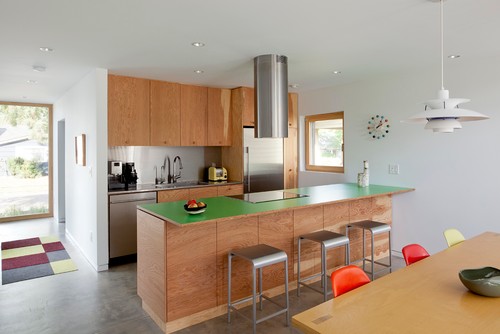
If you are comparing IKEA with alternatives, the most important structural difference is often the cabinet box material. IKEA systems are often built around particleboard-based construction, while many premium RTA lines move up to plywood cabinet boxes.
That difference matters because the box carries the countertop, supports the sink base, anchors hinges and drawer slides, and absorbs the stress of daily use. Plywood generally gives homeowners more confidence in screw holding, edge durability, and long-term cabinet strength.
This becomes especially relevant around sink cabinets, pantry sections, dishwasher openings, and drawers loaded with cookware. These are normal stress points in real kitchens. When homeowners start searching for alternatives to IKEA, they are often really searching for a stronger cabinet box.
Particleboard is not automatically a failure. It can still perform acceptably in the right environment and with the right expectations. But plywood usually feels like the safer upgrade when the project is meant to last longer, support heavier use, or carry more expensive surfaces and appliances above it.
For readers focusing on construction quality, a useful next step is our IKEA Kitchen Cabinets Quality Review.
4. Moisture Resistance
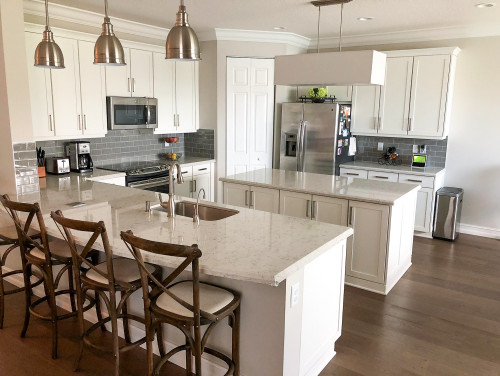
Kitchens are wet spaces. Steam, sink drips, spills, dishwasher humidity, and minor plumbing issues are all part of normal daily life. One of the biggest reasons homeowners begin looking beyond IKEA is that they want more confidence in how the cabinet box will respond over time in these conditions.
This does not mean IKEA automatically fails. It means some homeowners want more margin for error in a long-term kitchen. Premium plywood RTA cabinets often feel like the safer upgrade because they offer stronger confidence in the most exposed parts of the room.
Moisture resistance matters most in family kitchens, heavy-use households, and homes where the owner plans to stay for years rather than treat the kitchen as a short-term upgrade.
This is why moisture resistance is not just a technical detail. It changes how comfortable a homeowner feels about the whole renovation. When a kitchen is expected to handle years of family use, even a small increase in material confidence can make an alternative feel more worthwhile than staying at the entry level.
In practical terms, the areas homeowners worry about most are usually the sink base, dishwasher opening, garbage pull-out, and lower drawers near plumbing. These are the places where a more forgiving cabinet box often matters more than door style or finish color.
For readers researching common pain points, link this section to Common Problems With IKEA Kitchen Cabinets.
5. Customization and Fit
Another reason alternatives matter is fit. IKEA works best when the room suits a modular system. Many kitchens do, but older homes, awkward corners, uneven walls, and unusual openings often reveal the limits of standard sizes much more quickly.
Premium RTA often gives a more polished finished look because the overall package can support better fillers, end panels, trim coordination, and a more custom-looking result. Custom cabinetry goes further by tailoring the cabinets to the room itself. That higher level of flexibility matters when the goal is not just to install cabinets, but to make the kitchen feel built for the space.
For simple rooms, modular convenience may still be enough. For difficult rooms, customization becomes a practical performance issue, not just a style preference.
Fit also affects how expensive the finished kitchen looks. A room can start with similar door styles but end up feeling very different once fillers, end panels, appliance panels, and alignment details are installed. That is why many homeowners comparing alternatives are not only paying for stronger boxes. They are also paying for a cleaner final result.
This is especially important in older homes, where a modular system may still work, but only with more visible compromise. In those cases, premium RTA or custom often wins because it reduces the sense that the kitchen was forced into the room.
6. Cost Difference in Real Projects
Price matters, but homeowners comparing IKEA kitchen cabinet alternatives usually care more about finished value than entry price alone. IKEA often wins on lower starting cost. Premium RTA usually costs more, but that increase often buys a stronger cabinet box, better moisture confidence, and a more polished final result. Custom costs the most, but it becomes easier to justify when the room demands exact fit or a more tailored design approach.
That is why the better comparison is not just “Which option is cheapest?” but “Which option gives the right level of structure, fit, and confidence for this specific kitchen?”
7. IKEA vs Premium RTA vs Custom
| Option | Best When | Box Material | Moisture Resistance | Customization | Best Fit |
|---|---|---|---|---|---|
| IKEA | Simple layouts, condos, rentals, entry-budget remodels | Usually particleboard-based | Moderate | Limited by modular sizing | Starter kitchens and straightforward projects |
| Premium RTA | Homeowners who want a stronger upgrade without going full custom | Often plywood | Higher | Better finish flexibility and more tailored final look | Family homes, long-term kitchens, value upgrades |
| Custom | Rooms with difficult dimensions or strong design demands | Varies, often plywood or higher-end build | High | Highest | Older homes, tailored layouts, design-led renovations |
8. Best Fit by Homeowner Type
Condo owner: IKEA can still be enough if the layout is compact, standard, and budget-sensitive.
Landlord or resale renovator: IKEA often remains the practical choice when the goal is a clean, functional kitchen without overbuilding the project.
Family homeowner: Premium RTA is often the better long-term choice because the kitchen sees more weight, more traffic, and more daily stress.
Older-home renovator: Premium RTA or custom usually makes more sense when the room is uneven, out of square, or harder to finish cleanly with standard modules.
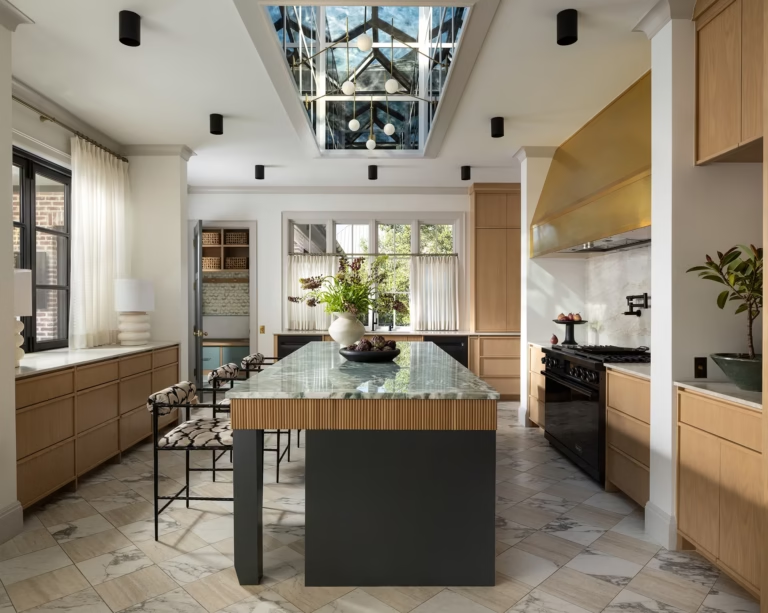
Design-first homeowner: Custom may be the right answer when exact fit, strong detailing, and a more architectural result matter more than saving at the cabinet-box stage.
9. Best Alternative by Need
Best for budget upgrade: Premium RTA is usually the smartest step up when homeowners want better cabinet construction without moving into full custom pricing.
Best for moisture confidence: Plywood RTA cabinets are often the strongest upgrade for kitchens where sink areas, dishwasher humidity, and long-term wear matter most.
Best for exact-fit layouts: Custom cabinetry makes the most sense when the room has difficult dimensions, uneven walls, or a more design-driven goal.
Best for simple condo or rental refresh: IKEA may still be enough when the layout is straightforward, the budget is controlled, and a modular system fits the project well.
10. Related Comparison Articles
- IKEA Kitchen Cabinets Review: Pros, Cons, and Worth It? — the main pillar article for readers who want a full review of IKEA itself.
- IKEA vs Premium RTA Cabinets — for readers deciding whether the upgrade is worth it.
- RTA vs Custom Cabinets — for readers deciding between value upgrade and full tailoring.
- IKEA Kitchen Cabinets Quality Review — for readers focused on durability and construction.
- Common Problems With IKEA Kitchen Cabinets — for readers researching failure points and tradeoffs.
- Who Should Not Buy IKEA Kitchen Cabinets — for readers trying to identify poor-fit projects.
11. FAQ
What is the best alternative to IKEA kitchen cabinets?
For many homeowners, premium RTA is the best alternative because it improves cabinet box strength, moisture confidence, and finish quality without moving all the way into custom pricing.
Are plywood RTA cabinets better than IKEA?
They are often a better fit when the homeowner wants a stronger cabinet box, better durability in high-stress areas, and more long-term confidence in a family kitchen.
Is custom worth it over IKEA?
Custom is usually worth it when the room has difficult dimensions, design goals are higher, or the homeowner wants the cleanest possible exact-fit result.
Are IKEA alternatives better for older homes?
Often yes. Older homes are more likely to have uneven walls, out-of-square corners, and dimensions that make a modular system harder to finish cleanly, which is where premium RTA or custom often performs better.
12. Final Verdict
The best IKEA kitchen cabinet alternative depends on what your project needs most: stronger cabinet boxes, better moisture confidence, cleaner fit, or more design flexibility.
If the kitchen is simple, budget-led, and modular-friendly, IKEA may still be enough. If you want a stronger cabinet box, better long-term confidence, and a more polished final look, premium RTA is usually the smartest upgrade. If the room is difficult or highly design-driven, custom may be the better fit.
The better question is not whether IKEA is good or bad in general. The better question is whether your project needs more than IKEA is designed to offer.
COMPARE THE RIGHT CABINET PATH FOR YOUR PROJECT
Read our full IKEA kitchen cabinets review, compare IKEA vs premium RTA, or explore RTA vs custom cabinets before choosing your next kitchen system.
Call Us: +1 888 973 5636