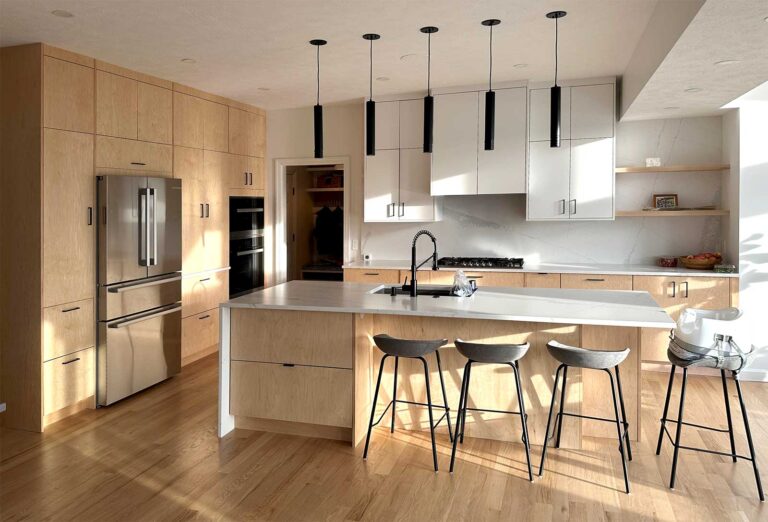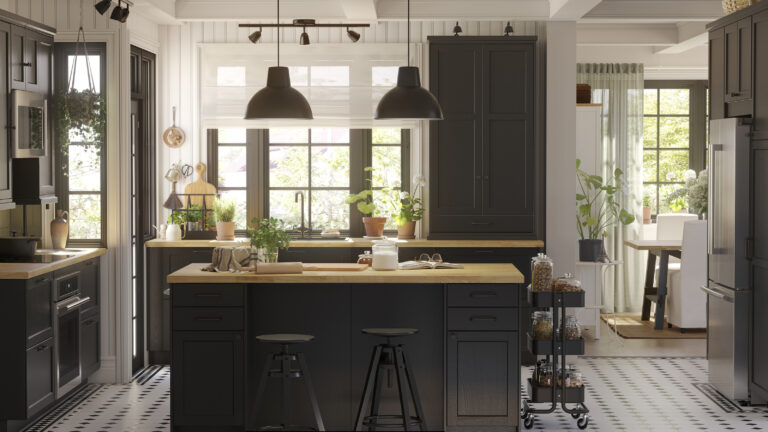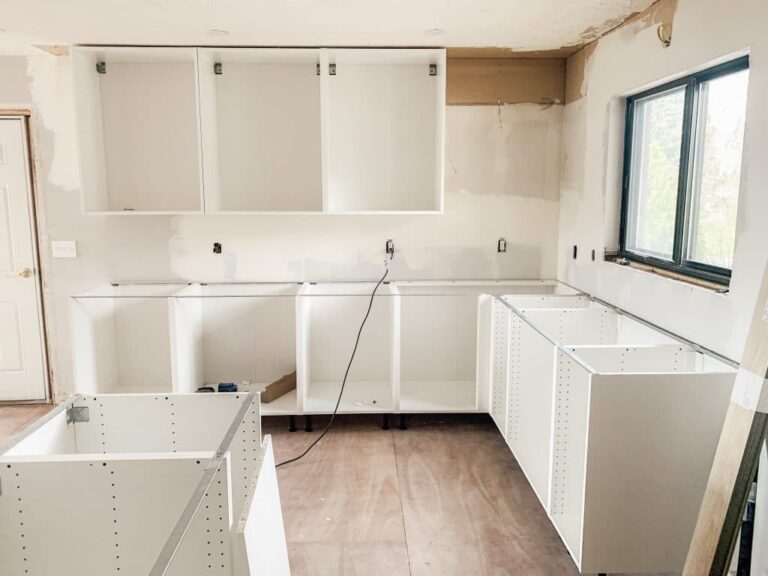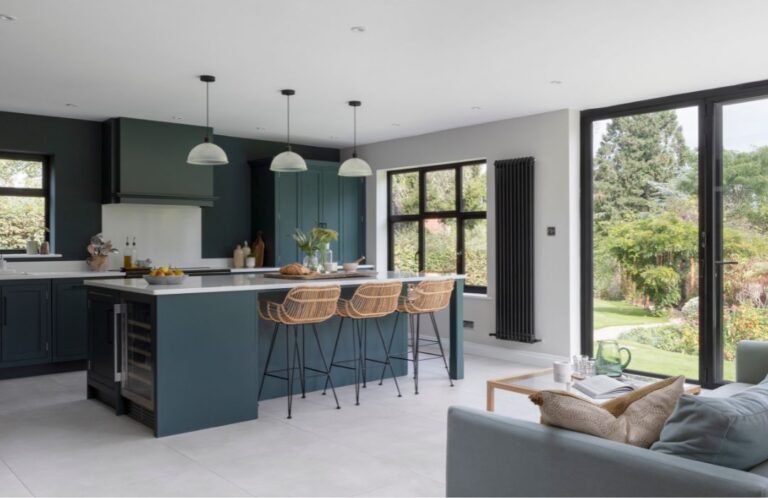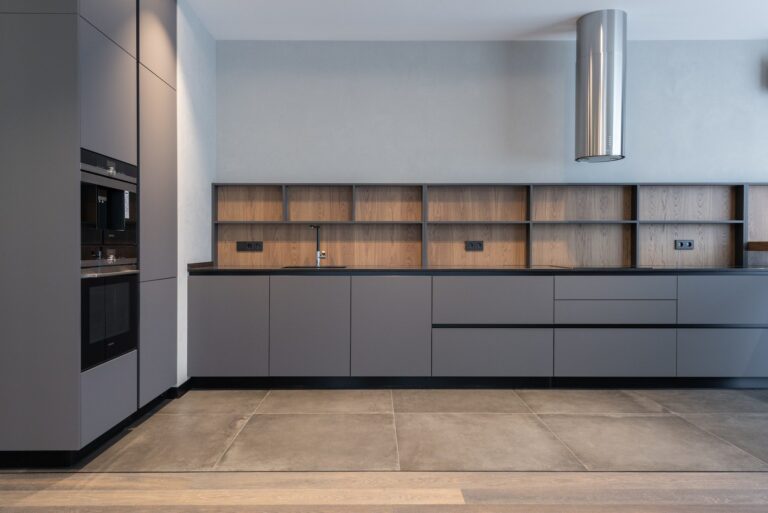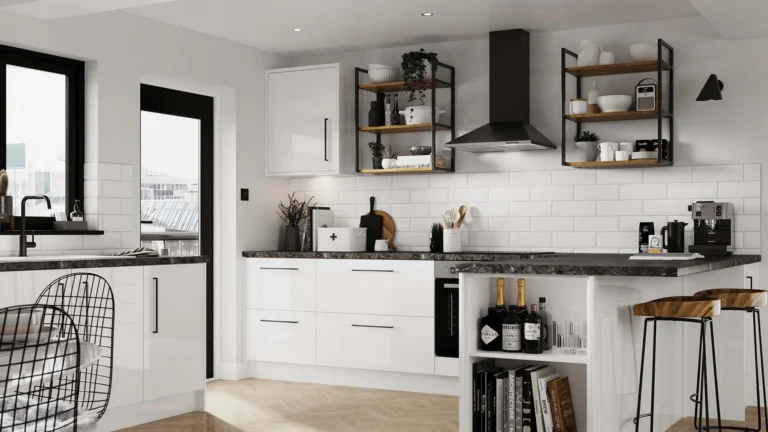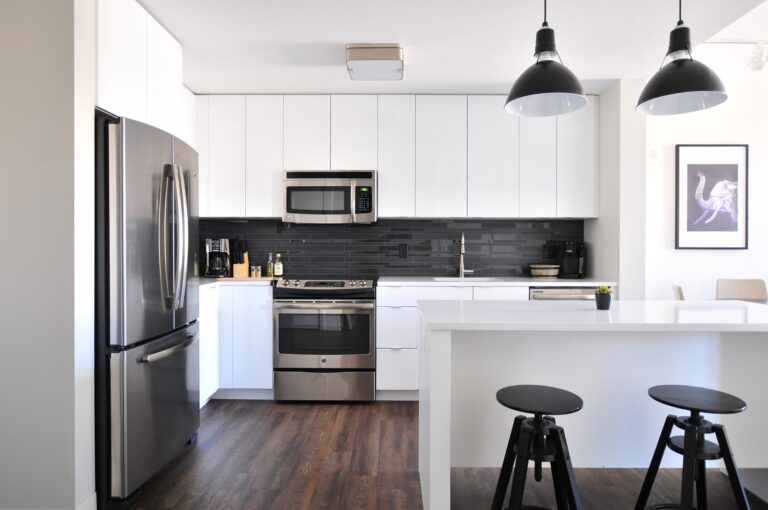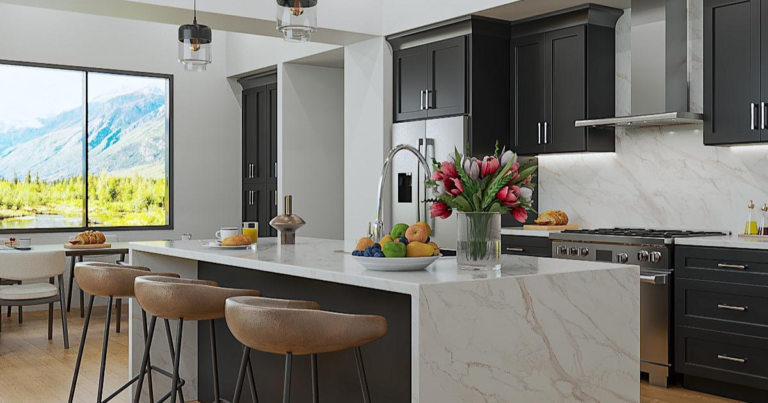

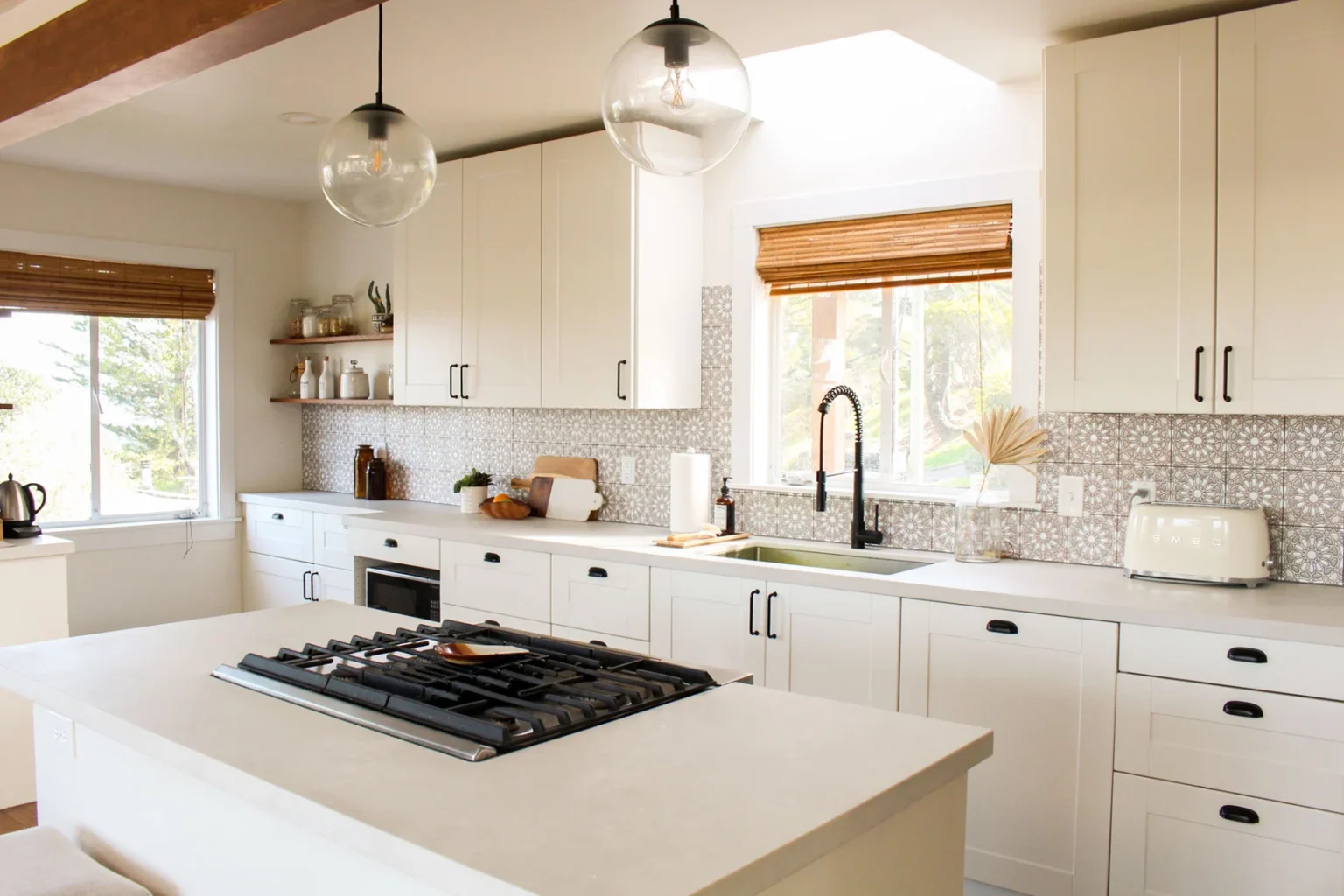
For many homeowners across Canada, IKEA kitchen cabinets are one of the most common options considered during a renovation. Built around the modular SEKTION system, they offer a clean, modern look, organized storage, and a lower entry cost than most fully custom kitchens.
But affordability alone does not decide whether they are the right choice. A kitchen has to handle daily use, moisture, impact, and years of wear. In this review, we look at whether IKEA kitchen cabinets are truly worth it in Canada, where they perform well, where they fall short, and who should seriously compare alternatives before ordering.
For many standard projects, the answer is yes. IKEA cabinets can be a very strong fit for homeowners who want modern design, efficient storage, and better value than full custom cabinetry. They are less ideal for irregular layouts, high-moisture problem areas, and buyers who want a completely hands-off installation experience.
Quick Summary: At a Glance
| Metric | Review Detail |
|---|---|
| Best For | Standard layouts, modern styles, condos, and homeowners comfortable with planning or supervised installation. |
| Not Ideal For | Older homes with uneven walls, highly custom layouts, or high-moisture problem areas. |
| Budget Range | $5,000 – $10,000+ CAD in materials for many standard projects before assembly, installation, tax, and premium upgrades are finalized. |
| Warranty | 25-year limited warranty on eligible SEKTION system components. |
| DIY Difficulty | Moderate to High (Requires assembly, leveling, fillers, and finishing detail). |
The Short Answer: IKEA kitchen cabinets offer excellent design-to-value for standard projects, but they demand more planning and installation attention than many buyers expect. They are a durable choice when installed properly and protected from ongoing moisture exposure.
What Is the IKEA SEKTION System?
The SEKTION line is a modular framework that separates cabinet boxes from doors, drawers, and internal fittings. Homeowners choose standard cabinet boxes and then customize them with shelves, drawers, organizers, hinges, and door styles that match the final design.
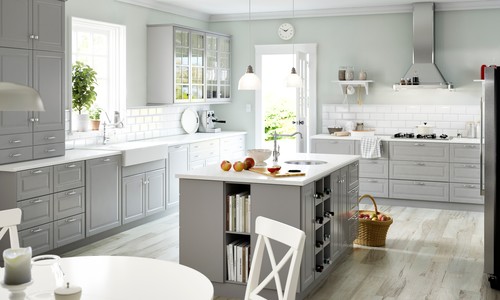
Because the system uses standard cabinet sizes, it is efficient for many modern layouts and easier to plan than true custom cabinetry. The trade-off is flexibility. Fillers and layout compromises are often part of the process, especially in older Canadian homes.
If you want the full breakdown of measurements, layout logic, and workflow, read our SEKTION planning and layout guide.
Pros: Value and High Functionality
Strong Design-to-Value Ratio: IKEA cabinets deliver hardware and design features often associated with more expensive kitchens, making them a strong choice for homeowners who want a modern look without paying custom-cabinet prices.
Integrated Soft-Close Hardware: A major advantage is the smooth feel of the hinges and drawer slides. These details give the kitchen a more refined everyday experience than many buyers expect at this price level.
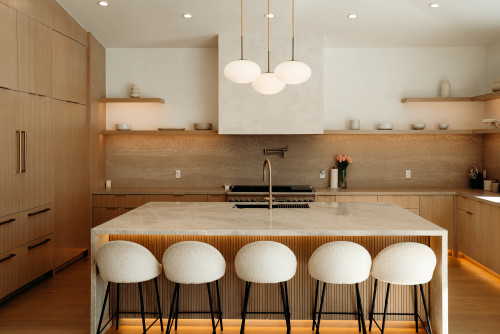
Planning Tools and Storage Ecosystem: IKEA’s modular accessory system makes it easier to build organized storage for daily family use. This is especially useful in smaller kitchens and condos where every inch matters.
Good Fit for Straightforward Layouts: If the room is relatively standard, IKEA kitchen cabinets can provide one of the best balances of style, storage, and affordability available to Canadian homeowners.
Cons: Flexibility and Labor Realities
- Fixed Sizing: Set cabinet widths mean you will often need filler panels and compromises, especially in kitchens with irregular dimensions.
- Substantial Labor: Every component arrives flat-packed. Assembly, leveling, rail installation, fillers, and finishing details can take far more time than many buyers first expect.
- Moisture Sensitivity: The engineered core performs well in normal conditions, but if water reaches exposed edges, swelling and premature failure can happen.
- Irregular Layouts: Older homes with uneven walls and sloping floors are harder to execute cleanly with a modular system than with true custom cabinetry.
Who IKEA Kitchen Cabinets Are Best For
IKEA kitchen cabinets are usually a strong fit for homeowners who want a modern kitchen without paying for full custom work. They work especially well for:
- standard kitchen layouts
- condos and compact urban kitchens
- budget-conscious remodels
- buyers who want organized storage and accessories
- homeowners willing to plan carefully or work with an experienced installer
Who Should Think Twice
IKEA may not be the best choice if your project depends on exact custom sizing or if your space has structural quirks that make modular planning difficult. Buyers should be more cautious if they have:
- older homes with uneven walls or floors
- tight corners that need precise custom solutions
- high-moisture risk areas near sinks or poor ventilation
- very high-end design expectations with bespoke detailing
- no interest in managing installation quality
How to Plan an IKEA Kitchen in Canada
Successful planning starts with precise measurements and a realistic understanding of how a modular system fits a real home. Measure wall heights at multiple points, confirm clearances around corners and appliances, and remember that Canadian floors and walls are not always perfectly level.
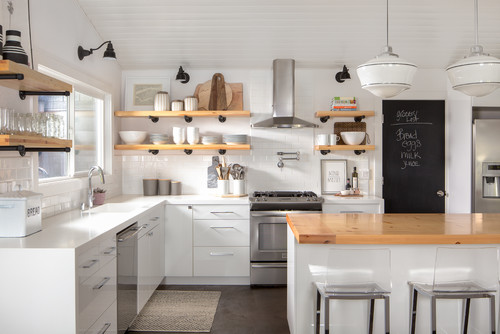
A good planning sequence is to finalize the layout first, then choose cabinet boxes and storage functions, and only after that decide on doors, panels, and finishes. That order helps control both cost and mistakes.
If you want the full process, measurements, and layout advice in more depth, read our planning and measurements guide.
Common Planning Mistakes to Avoid
- Ignoring Corner Clearances: Failing to plan for fillers in corners can stop drawers or doors from opening properly.
- Choosing Finishes Before Layout: Picking door styles and upgrade items too early can push the budget higher before the layout is even finalized.
- Underestimating The Extras: Toe-kicks, panels, delivery, trim, fillers, and install details can add up quickly.
- Ignoring Moisture Zones: Water exposure near sinks, dishwashers, or poorly ventilated spaces can shorten the life of engineered cabinet materials.
IKEA vs. Pre-Assembled vs. Custom Cabinets
For most buyers, the real question is not whether IKEA is perfect. It is whether it offers the right balance of price, functionality, and flexibility for the project. In general, IKEA performs very well in standard layouts, pre-assembled cabinets may reduce labour, and full custom still wins where exact-fit sizing and premium detailing matter most.
| Factor | IKEA SEKTION | Pre-Assembled | Full Custom |
|---|---|---|---|
| Sizing | Fixed modular sizing | Standard sizing | Fully bespoke |
| Lead Time | Varies by stock | Often faster | Usually longest |
| Installation | More labour than many expect | Moderate effort | Professional only |
For a broader comparison of layout flexibility, materials, and project fit, read our guide to alternatives to IKEA kitchen cabinets.
If you want a more direct head-to-head custom comparison, see our IKEA vs. custom cabinets guide.
Material Quality and Durability
For the price, IKEA kitchen cabinets generally offer solid quality. The cabinet boxes use engineered materials that provide consistency and a clean finish in normal indoor use. Where problems usually happen is not everyday opening and closing, but water exposure, poor edge protection, or rushed installation.
That is why the right expectation matters. IKEA can be durable and practical for many households, but it should not be judged as if it were fully bespoke luxury cabinetry. Longevity depends heavily on moisture control and installation quality.
For a deeper look at durability, finishes, and long-term performance, read our IKEA kitchen cabinets quality guide.
Is Installation Hard? (The Rail System)
The SEKTION system uses a steel suspension rail that helps with alignment, but the installation process is still a major undertaking for a full kitchen. The challenge is usually not understanding the concept. The real work lies in measuring carefully, leveling correctly, handling fillers, and making the final result look clean in a real home.
DIY installation is possible, but many homeowners underestimate the time, detail, and finishing skill required. Professional support is often worth considering if the layout is complex or if you want a more polished final result.
Read our full IKEA installation guide for a step-by-step breakdown.
Real-World Cost Breakdown
A functional kitchen project often looks affordable at first, but the real total depends on more than the cabinet boxes. Door fronts, drawers, panels, trim, fillers, delivery, labour, and finishing details can change the final budget significantly.
That is why IKEA makes the most sense for buyers who understand the full project scope before ordering. In many standard Canadian renovations, the total still lands well below custom cabinetry, but the gap can narrow once all extras are counted.
Explore the detailed IKEA cabinet cost guide for a full budget template.
FAQ About IKEA Kitchen Cabinets
Are IKEA kitchen cabinets worth it?
For many standard renovations, yes. They offer a strong mix of price, appearance, and storage, but they are not the right fit for every layout or every buyer.
Are IKEA cabinets good for small kitchens?
Yes. Their modular storage system and wide range of organizers can work especially well in compact urban spaces where every inch matters.
Are IKEA cabinets worth it for condo kitchens?
Often yes. They are a practical option for condos because they combine efficient storage with a modern look and can work well in more compact layouts.
Are IKEA kitchen cabinets hard to install?
They are not impossible to install, but they are more time-consuming and detail-heavy than many buyers expect. Precision matters.
Can I use custom doors on IKEA SEKTION boxes?
Yes. Many third-party manufacturers make custom-style doors that fit IKEA SEKTION boxes, which allows homeowners to upgrade the look without building a fully custom kitchen from scratch.
Are IKEA cabinets worth it for resale-focused renovations?
Often yes. They can deliver a fresh, organized, modern kitchen look that appeals to buyers while keeping renovation costs more controlled than a custom build.
Final Verdict: Are IKEA Kitchen Cabinets Worth It in Canada?
For many Canadian homeowners, the answer is yes. IKEA kitchen cabinets remain one of the strongest value-oriented options for modern renovations, especially when the layout is straightforward and the buyer understands the real installation and finishing requirements.
They are not “cheap custom cabinets,” and they should not be judged that way. They are a modular system with real strengths: clean design, functional storage, a broad accessory ecosystem, and pricing that is easier to manage than full custom cabinetry.
Where they fall short matters just as much: fixed sizing, labour, and moisture sensitivity mean they are not the right solution for every project. If your home has uneven walls, unusual dimensions, or you want a fully bespoke finish, comparing alternatives before ordering is the smarter move.
Need a Second Opinion on Your Layout?
If you are still comparing IKEA with other systems, a second review can help you avoid filler-heavy plans, layout compromises, and installation mistakes before you order.