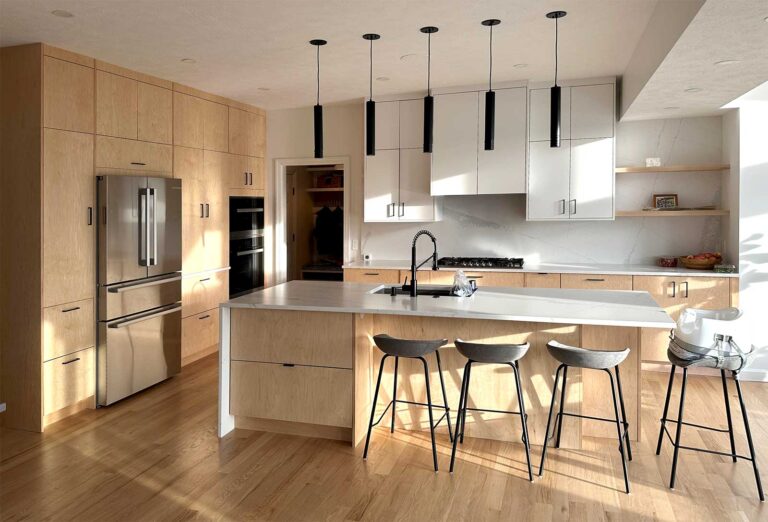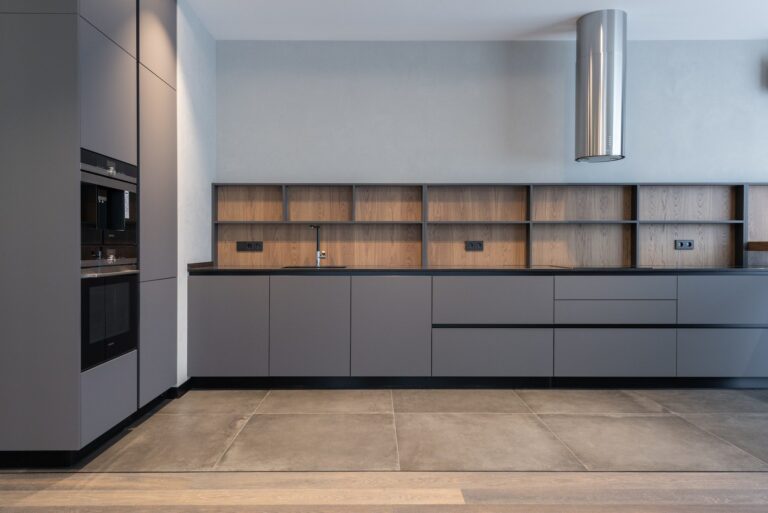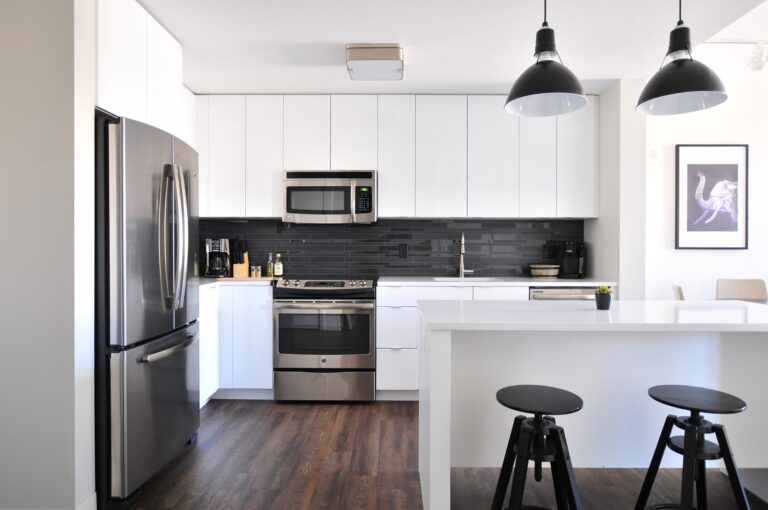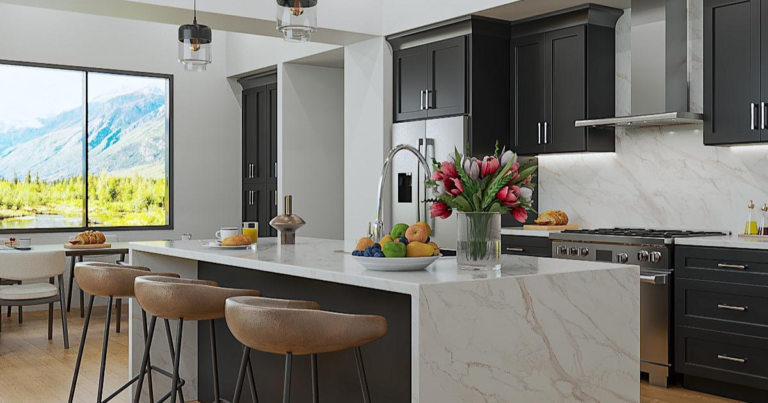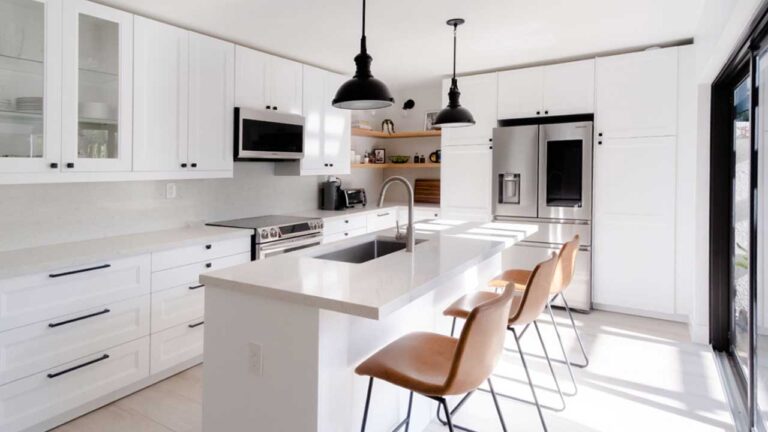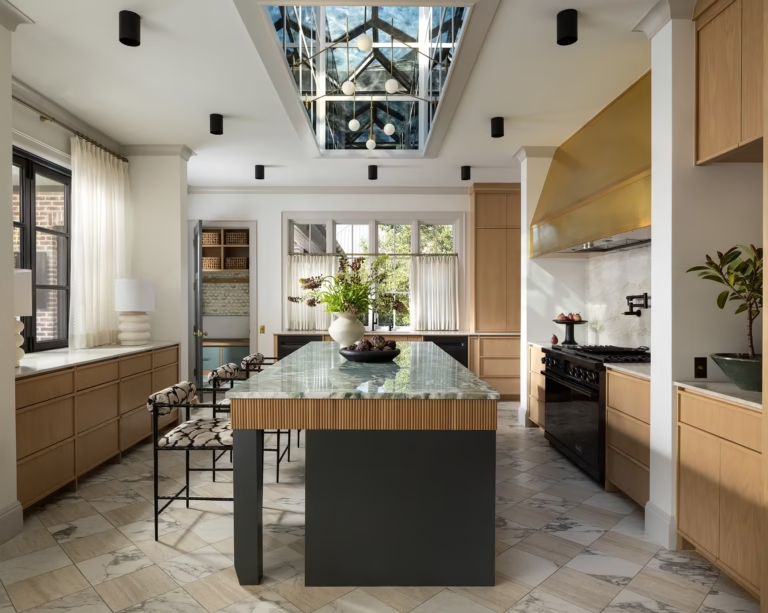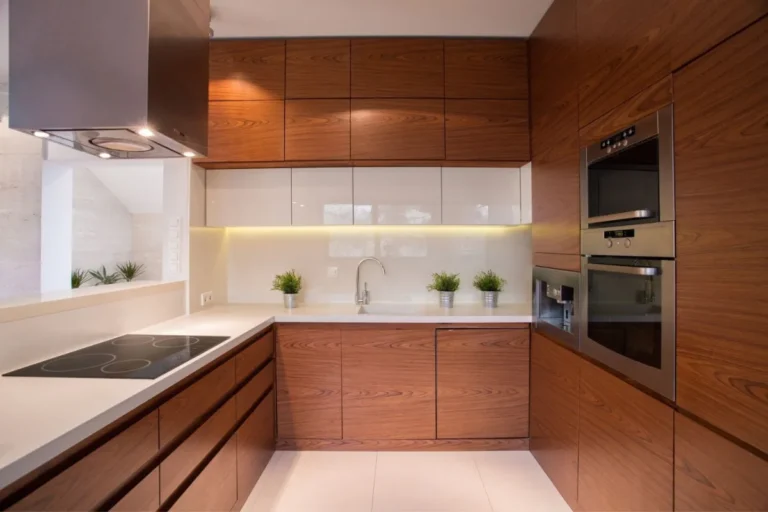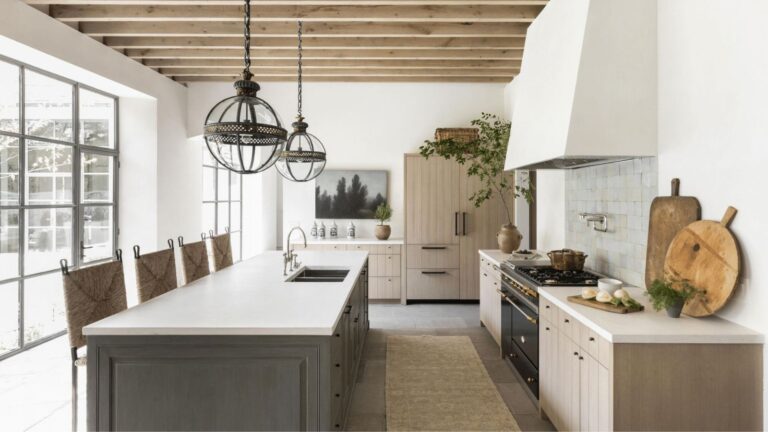

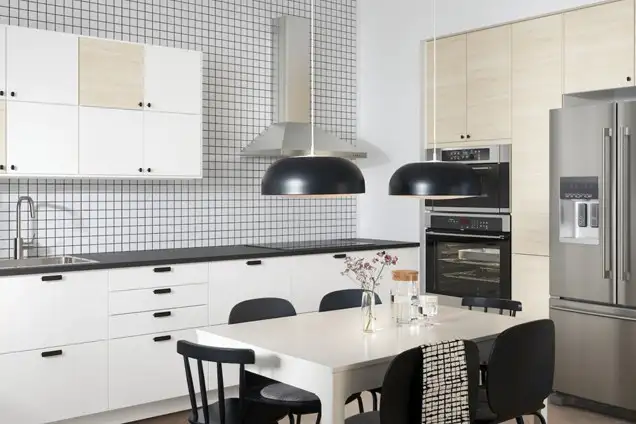
When people ask about IKEA kitchen cabinets quality, they are usually asking five things: what the cabinets are made of, how durable they are, how they handle moisture, whether the hardware is reliable, and how long they are likely to last. That is exactly what this article covers.For the broader buying picture, read our full IKEA kitchen cabinets review.
Rather than turning this into a full buying guide, this page focuses only on the quality side of IKEA’s SEKTION system. We’ll look at the cabinet box materials, the difference between particleboard and plywood, the biggest moisture risks, the hardware quality, and the realistic lifespan you can expect in everyday use.
What Are IKEA Kitchen Cabinets Made Of?
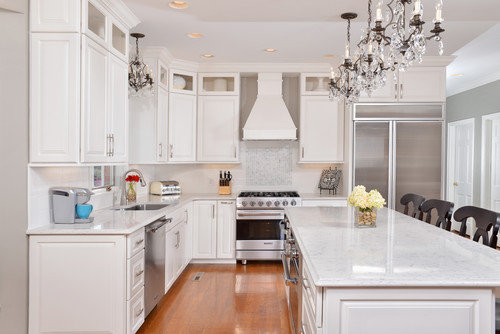
The core of the SEKTION system is made from high-density furniture-grade particleboard. While the word “particleboard” often sounds cheap, the material used in modern cabinet manufacturing is engineered for consistent performance and dimensional stability. In practical terms, that means the cabinet boxes stay uniform and predictable when installed correctly.
The cabinet frames are typically wrapped in a melamine or foil surface that creates a hard, easy-to-clean outer layer. This finish helps protect the core from daily wear, minor scratches, and routine kitchen messes. The exact look depends on the door style, but the cabinet box itself follows the same basic engineered-wood construction.
One of the biggest quality advantages of engineered board is stability. Unlike solid wood, which reacts more naturally to seasonal humidity changes, engineered cabinet panels tend to remain more consistent. That consistency is one reason IKEA cabinets can perform well in normal indoor kitchen conditions.
Particleboard vs Plywood: What It Means for Cabinet Quality
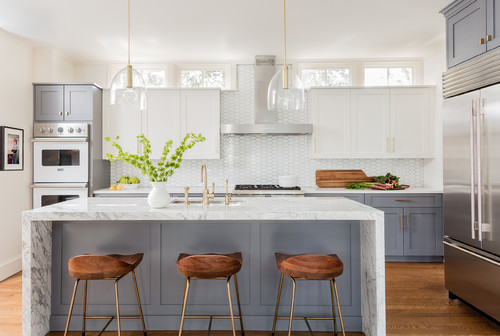
The biggest debate around IKEA kitchen cabinets quality is usually particleboard vs plywood. Plywood has a stronger reputation because it generally offers better screw-holding strength and better tolerance if a cabinet is exposed to a major leak or flood. That is why many premium custom shops still prefer plywood for cabinet boxes.
However, particleboard is not automatically low quality. In a properly installed kitchen that stays dry, engineered board can be very stable and reliable. It resists the natural warping and inconsistency that can appear in lower-grade plywood, and it gives modular cabinet systems a consistent base.
The real quality difference comes down to environment. If the kitchen is well ventilated and protected from standing water, IKEA’s cabinet boxes can last for many years. If the kitchen is exposed to repeated moisture around the sink, dishwasher, or floor, plywood has the advantage.
How Durable Are IKEA Kitchen Cabinets for Daily Use?
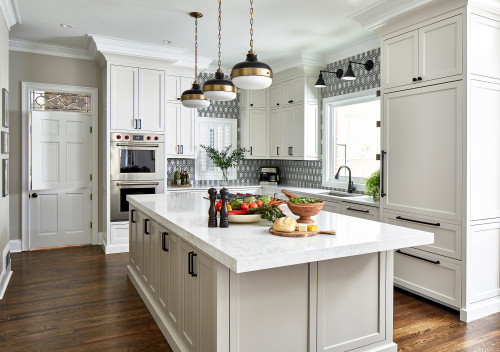
For everyday use, IKEA cabinets are generally durable enough for busy family kitchens when they are assembled and leveled correctly. The cabinet boxes are rigid enough for normal cookware, pantry storage, and repeated daily opening and closing. In real life, long-term performance depends less on the word “particleboard” itself and more on whether the system is installed accurately and kept dry.
The outer cabinet surface holds up reasonably well against everyday friction, wiping, and light impact. Like most manufactured finishes, edges and seams are more vulnerable than flat surfaces. Over time, those edges can show wear first, especially in high-traffic zones or near steam and heat.
Another key durability factor is alignment. A cabinet system that is square, level, and properly adjusted will age better than one that starts out slightly off. Poor installation can create premature stress on doors, hinges, and drawer slides, which often gets mistaken for a cabinet quality problem.
How Good Is IKEA Cabinet Hardware?
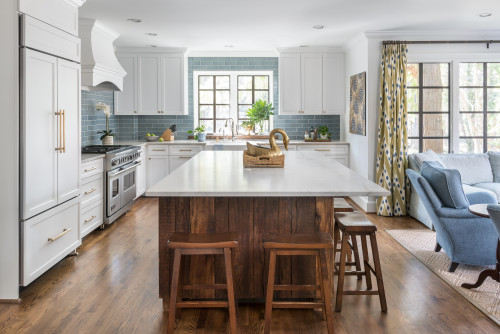
Hardware is one of the strongest quality points in the IKEA system. The soft-close hinges and MAXIMERA drawer hardware give the kitchen a smoother, more precise feel than many buyers expect at this price level.
This is one reason IKEA quality often gets discussed alongside premium hardware standards. The bigger point, though, is not the brand name itself. It is the daily experience: drawers open smoothly, doors close with less impact, and the system stays adjustable over time.
That smoother motion matters for long-term quality. Soft-close action reduces repeated slamming, while adjustable hinges make it easier to keep doors aligned as the kitchen settles. Good hardware does not eliminate every weakness in the cabinet box, but it does raise the overall quality feel of the system.
How Moisture Resistant Are IKEA Kitchen Cabinets?
Moisture is the biggest long-term risk to IKEA cabinet quality. The cabinet boxes are made from engineered wood, so they perform best when the protective outer layer remains intact. If water reaches an exposed edge, seam, or cutout and stays there, the core can swell.
This is why the sink base cabinet, dishwasher area, and exposed cut edges matter so much. Repeated steam, plumbing drips, or standing water can weaken the most vulnerable spots first. In many kitchens, the issue is not general humidity alone but moisture that keeps returning to the same seam or edge.
Heat and steam can also affect the finish over time. Cabinet edges near dishwashers, ovens, and cooktops may wear faster if ventilation is poor. Proper sealing, fast leak cleanup, and heat protection near appliances make a major difference in how well IKEA cabinets hold up.
What Is the Expected Lifespan of IKEA Kitchen Cabinets?
In a normal, well-maintained kitchen, IKEA cabinets can realistically last 10 to 20 years or more. That range depends on moisture exposure, installation quality, frequency of use, and how well the most vulnerable areas are maintained.
In many cases, the hardware and cabinet boxes remain functional even after the original door style starts to feel dated. Because the system is modular, the kitchen can often be refreshed with new fronts or hardware without replacing the entire cabinet structure. That extends the useful life of the overall setup.
The biggest factor in lifespan is environment. A dry, well-ventilated kitchen with fast leak cleanup will usually get far better long-term performance than a kitchen with repeated sink leaks, poor dishwasher sealing, or constant steam exposure.
Material Comparison Table
| Material | Good for | Weak point | Durability note |
|---|---|---|---|
| High-density particleboard cabinet box | Stable cabinet structure in normal indoor kitchens | Can swell if water reaches the core | Performs well when kept dry and properly installed |
| Melamine or foil surface | Easy cleaning and everyday stain resistance | Edges can peel or weaken with repeated heat and steam | Surface holds up well, but edges need protection |
| Plywood (comparison benchmark) | Higher moisture tolerance and better screw holding | Higher cost | Usually better in kitchens exposed to repeated moisture risk |
| Soft-close hinges and MAXIMERA drawer hardware | Smooth daily use, adjustability, quieter closing | Still depends on proper installation and alignment | One of the strongest quality points in the IKEA system |
| Thin rear fiberboard panels | Lightweight backing and modular construction | Feels less substantial during assembly | Usually acceptable if the cabinet is squared and installed correctly |
Who This Quality Level Suits Best
This quality level is a good fit for standard family kitchens, budget-conscious remodels, and homeowners who want modern modular cabinets with strong everyday hardware. It is less ideal for homes with repeated moisture problems or for buyers who insist on plywood cabinet boxes from the start.
Quality Takeaway
IKEA kitchen cabinets offer solid mid-range quality for homeowners who want modern modular cabinets at a lower price than many plywood-based alternatives. Their hardware is a major strength, and the boxes perform well in normal dry kitchens. The biggest trade-off is that the engineered cabinet core is less forgiving than plywood if water repeatedly reaches exposed edges or seams.
If you want the broader buying picture beyond quality alone, read our full IKEA kitchen cabinets review.